
The Critical Role of Proper E-Waste Management
Understanding the environmental, economic, and health benefits of proper electronic waste control
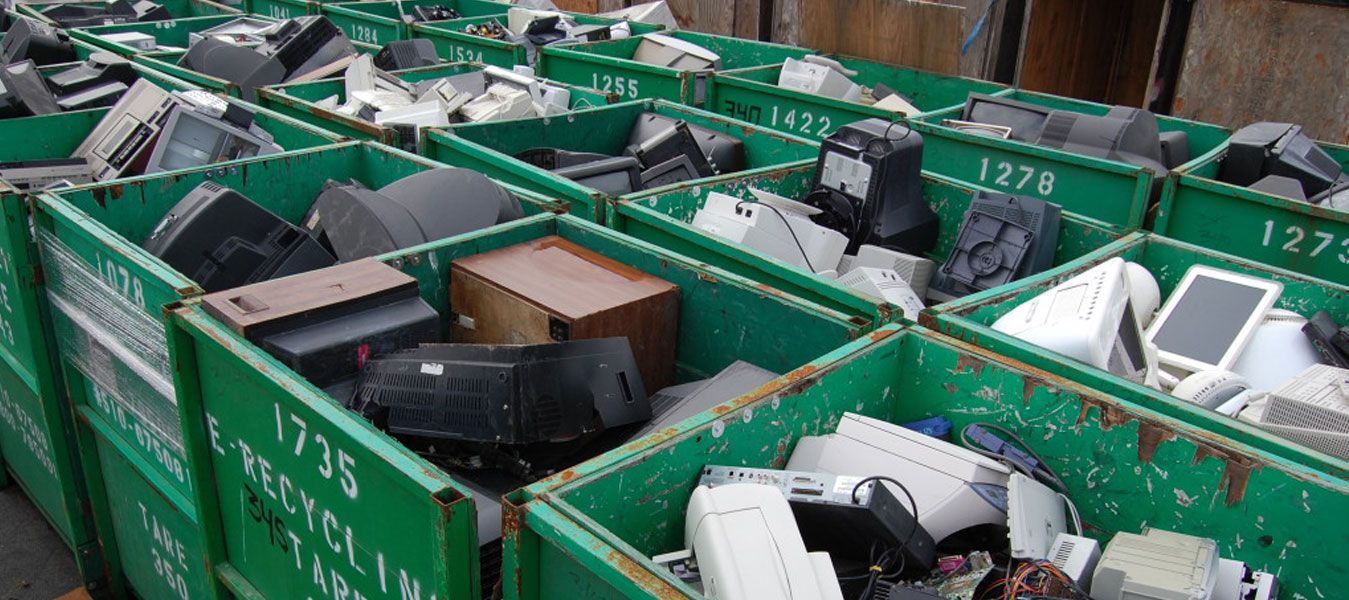
Key Highlights
- Environmental Protection – Preventing toxic chemical leakage and safeguarding ecosystems.
- Resource Conservation – Recovering valuable materials and reducing the need for new mining operations.
- Economic and Social Benefits –สร้างงาน and promoting sustainable economic growth while enhancing community health.
Introduction
As our world rapidly embraces technology, the proliferation of electronic devices has led to an unprecedented surge in electronic waste, commonly known as e-waste. This waste stream not only includes outdated or broken electronics but also computer components, mobile devices, television sets, and miscellaneous digital gadgets that are discarded by consumers and businesses alike. The proper management of e-waste is essential for safeguarding human health, conserving finite natural resources, protecting the environment, and reaping substantial economic benefits. This comprehensive discussion outlines the multifaceted importance of proper e-waste management and demonstrates why sustainable e-waste practices are critical for our global future.
Detailed Examination of E-Waste Impacts
1. Environmental Protection
Hazardous Materials and Pollution
Electronic waste comprises materials that are inherently hazardous when improperly managed. Several electronic components contain toxic metals and chemicals — including lead, mercury, cadmium, and brominated flame retardants. When these substances are not handled with care, they have the potential to seep into the soil, leach into groundwater, and contaminate the air. Such pollutants can cause irreparable harm to both terrestrial and aquatic ecosystems.
For instance, the breakdown of cathode ray tubes from old televisions or monitors can release lead-based substances, while discarded batteries may leak corrosive acids that degrade local water sources. The cumulative environmental consequences are far-reaching: soil degradation, loss of biodiversity, and an increased incidence of polluted waterways that disrupt natural habitats. Thus, proper e-waste management procedures are instrumental in preventing the release of hazardous materials into the environment.
Reduction in Greenhouse Gas Emissions
Beyond chemical pollutants, e-waste mismanagement contributes indirectly to global climate change. The conventional production of new electronic devices relies on the extraction and processing of raw materials. This process is highly energy-intensive and is a significant source of greenhouse gas emissions. By appropriately recycling electronic waste, recovered materials can be used in the manufacturing of new devices. This method is generally less energy-intensive than mining and processing virgin materials, thereby reducing overall greenhouse gas emissions. In this way, recycling acts as a complementary strategy in combating climate change.
2. Resource Conservation
Recovery of Valuable Materials
One standout benefit of robust e-waste management is the recovery of valuable components that are present in discarded electronics. Many electronic devices contain precious metals such as gold and silver, as well as other useful elements including copper and rare earth elements. These materials are critical for the production of new electronic items, and extracting them from e-waste can be significantly more sustainable than mining.
The reprocessing of these metals through recycling not only helps conserve natural resources but also reduces the environmental impact associated with traditional mining practices. Mining operations often lead to deforestation, habitat destruction, and the pollution of water sources. By reclaiming these valuable substances, proper e-waste management contributes to a more sustainable cycle of resource usage, a concept central to the circular economy.
Sustainable Manufacturing
The benefits of resource conservation extend to the creation of new products. Incorporating recycled materials into manufacturing processes can promote sustainable industrial practices. Companies that adopt such practices not only reduce their carbon footprint but also contribute to creating a market environment where the use of recovered materials is encouraged, further driving innovations in sustainable technology.
3. Health and Safety
Protecting Human Health
A significant concern tied to improper e-waste management is its direct impact on human health. Exposure to toxic substances from e-waste can lead to severe health issues. Workers engaged in informal e-waste recycling, especially in developing countries, are often exposed to noxious chemicals without adequate protective measures. These toxic substances, including heavy metals and flame retardants, can lead to neurological damage, respiratory disorders, and other chronic health conditions.
Communities residing near e-waste dumps or informal recycling centers are at a higher risk of contamination due to airborne pollutants and waterborne toxins. Comprehensive management practices, including safe recycling processes and proper containment of hazardous materials, are essential to safeguarding human health and ensuring that potential risks to public health are minimized.
Workplace Safety and Community Impact
The implementation of stringent health and safety protocols within the e-waste recycling industry is paramount. Certified recycling facilities are equipped with advanced technology and safety measures to handle and process hazardous materials. Such facilities ensure that toxic substances are neutralized or contained, reducing the risk of environmental contaminant exposure among workers. This structured approach minimizes occupational hazards and fosters a secure working environment, while also protecting nearby residential communities from the dangers associated with improper e-waste handling.
4. Economic Benefits and Job Creation
Economic Opportunities in Recycling
The proper management of e-waste is not only an environmental necessity but also an economic opportunity. The recycling process, in particular, stimulates local economies by creating job opportunities across multiple sectors, including collection, processing, refurbishment, and resale of electronic items. The development of a robust e-waste management infrastructure contributes to significant cost savings by reducing the expenses typically associated with landfill disposal and hazardous waste management.
In regions where recycling operations are well-developed, these initiatives create new revenue streams. Businesses can generate income by selling recovered materials, and the cost reductions in manufacturing new products further amplify the economic advantages. For example, the reclaimed precious metals and rare earth elements are sold to manufacturers who then use these materials in the production of new electronics, thereby closing the loop in the manufacturing process.
Social and Community Benefits
On a broader scale, proper e-waste management has positive social implications. Responsible management practices contribute to community development by creating educational outreach programs about recycling and safe disposal methods, promoting a culture of sustainability. Additionally, initiatives such as electronics donation programs and refurbishment drives help bridge the digital divide, ensuring that functioning devices are made available to underprivileged and underserved communities. This fosters an inclusive approach to technology usage that benefits society as a whole.
5. Strategies and Best Practices for E-Waste Management
Reduce, Reuse, and Recycle
At the core of effective e-waste management lies the “Reduce, Reuse, and Recycle” philosophy. This approach prioritizes waste minimization by reducing the generation of e-waste, encouraging the reuse and refurbishment of functional devices, and finally, recycling the non-functional components. Through conscious consumer and corporate behavior, the overall volume of discarded electronics can be significantly reduced.
Businesses and consumers alike are urged to adopt sustainable practices by designing products with longevity, repairability, and recyclability in mind. Manufacturers are increasingly developing devices that are more adaptable to repair, which in turn extends product lifecycles and minimizes waste generation. By following these best practices, the pressure on waste management systems can be eased while simultaneously promoting environmental sustainability.
Education and Awareness
A critical component of proper e-waste management is raising awareness among consumers, businesses, and policymakers. Educational programs that explain the risks associated with improper e-waste disposal and the benefits of recycling are essential in fostering responsible behavior. Enhanced awareness campaigns, often supported by government agencies and non-profit organizations, serve as effective tools in altering public perception and promoting environmentally sound practices.
Such initiatives often include community workshops, school programs, and media campaigns all dedicated to promoting the importance of e-waste management. By equipping individuals with the necessary information, communities are better prepared to participate in and support effective recycling programs.
6. Global E-Waste Statistics and Trends
The Growing Volume of E-Waste
The generation of e-waste has reached staggering proportions globally. With millions of tonnes of electronic waste produced each year, only a fraction is processed through certified recycling channels. This imbalance between e-waste generation and proper treatment highlights the urgency for comprehensive and integrated management systems.
Data collected over recent years indicate a continuous upsurge in e-waste generation, driven largely by the rapid pace of technological innovation and frequent device replacement cycles. For example, the annual global output of e-waste is compounded not only by consumer electronics but also by industrial and commercial technology upgrades. Failure to address this growing challenge could lead to increased environmental degradation and heightened health risks, emphasizing the need for prompt and decisive action.
Economic Impact of Unmanaged E-Waste
The economic implications of neglecting e-waste management can be profound. Without proper systems in place, municipalities and countries often face skyrocketing disposal costs and public health expenses related to contamination cleanup and medical care. In contrast, investment in efficient e-waste recycling infrastructure can lead to long-term economic gains, reducing these hidden costs while generating revenue through material recovery and job creation.
Visualizing the Benefits of Proper E-Waste Management
The following table provides a summarized comparison of key benefits versus the risks associated with improper e-waste handling:
| Aspect | Benefits of Proper Management | Risks of Improper Disposal |
|---|---|---|
| Environmental Impact | Reduction of toxic pollutants, prevention of ecosystem damage, and lower greenhouse gas emissions. | Soil, water, and air pollution with hazardous toxins causing irreparable ecological damage. |
| Resource Use | Recovery and recycling of precious metals and elements, leading to sustainable manufacturing. | Increased depletion of natural resources through continuous mining and raw material extraction. |
| Human Health | Safe handling of toxic substances and protection from health hazards. | Exposure to harmful chemicals leading to respiratory, neurological, and other chronic health issues. |
| Economic Opportunities | Job creation, revenue generation through recycled materials, and overall economic sustainability. | Increased disposal costs, legal fines, and long-term environmental remediation expenses. |
| Social Benefits | Community development, consumer awareness, and bridging the digital divide through refurbishment programs. | Health crises in communities and social disparity by limiting access to affordable electronics. |
Challenges and Future Directions
Addressing the Challenges of E-Waste Management
Technological and Logistical Barriers
Although the advantages of proper e-waste management are clear, several challenges remain. One of the primary barriers is the technological complexity involved in the safe dismantling and processing of electronic devices. The variety of materials and components found in modern electronics necessitates the development of advanced recycling technologies and processes. In many regions, outdated recycling methods, inadequate infrastructure, and a lack of regulatory enforcement exacerbate the problem.
Moreover, logistics play a crucial role in addressing e-waste. Efficient collection systems, along with consumer and industrial awareness, must be established to ensure that e-waste is directed to certified recycling facilities rather than ending up in informal recycling sectors or landfills. Addressing these hurdles requires significant investment, international cooperation, and a commitment from both public and private sectors.
Policy and Regulatory Frameworks
Government intervention is crucial in closing the gaps that technology and logistics may leave behind. Implementing robust regulatory frameworks that mandate responsible e-waste handling, incentivize recycling programs, and impose penalties for non-compliance can enhance overall waste management systems. Policies that encourage extended producer responsibility make manufacturers accountable for the entire lifecycle of their products, contributing to more eco-friendly design and proper end-of-life management.
International collaboration also plays an integral role. Global cooperation and knowledge sharing can help in shaping universal standards and protocols that minimize hazardous e-waste generation and promote recycling best practices. By harmonizing regulatory guidelines across borders, we can create a more consistent and effective approach to e-waste management globally.
Future Opportunities in Sustainable E-Waste Management
Technological Innovations
The future of e-waste management lies in harnessing technological breakthroughs. Research in material science, robotics, and process automation is paving the way for more efficient recycling systems. For instance, innovations such as robotic disassembly units and advanced material separation technologies can significantly reduce the manual labor and inefficiencies present in current recycling practices.
These technological improvements not only boost recycling rates but also ensure that hazardous substances are isolated and processed in a safe manner. The continued development of smart recycling systems could further revolutionize the industry by integrating analytics and automation to optimize the overall e-waste management process.
Circular Economy Integration
Integrating e-waste management within the broader framework of the circular economy is another promising direction. The circular economy emphasizes the reuse, refurbishment, and recycling of materials to create a sustainable cycle of consumption and production. By designing electronics with their end-of-life in mind and promoting the reuse of devices, manufacturers and consumers can work together to reduce waste generation significantly.
Policies and incentives that encourage manufacturers to adopt circular design principles further consolidate this idea, ensuring that the benefits of proper e-waste management ripple through the entire supply chain—from production and usage to disposal and recycling.
Conclusion
Proper management of electronic waste is a multidimensional imperative that underscores not only environmental protection but also resource conservation, public health, and economic growth. It encompasses the safe handling of hazardous materials, the sustainable recovery of valuable resources, and the promotion of a circular economy that reduces dependency on finite natural deposits. The integration of advanced technologies, robust policy frameworks, and heightened public awareness is central to mitigating the adverse effects of improper e-waste disposal.
As e-waste generation continues to escalate with ongoing technological advancements, a unified and comprehensive approach to its management is more important than ever. Not only does proper e-waste management reduce landfill waste and environmental pollution, but it also provides substantial economic benefits, such as job creation, revenue generation, and increased energy efficiency through recycled materials. The combined effort of communities, industries, and governments can drive significant progress toward a more sustainable future.
In summary, enhancing e-waste management practices is critical for preserving our natural environment, safeguarding public health, and ensuring industrial and economic resilience. A coordinated global commitment to reduce, reuse, and recycle electronic devices will not only alleviate current challenges but will also pave the way for innovative solutions that promote a greener and more sustainable future.
References
- Why E-Waste Management is Important and How It Can Be Done - Techchef E-Waste Solutions
- What is E-Waste? Importance of E-Waste - Namoewaste
- Benefits of Recycling E-Waste - Recycle Technologies
- Importance of E-Waste Recycling - TechReset
- Importance of E-Waste Management - PlanningTank
- E-Waste Recycling - CJD E-Cycling
- E-Recycling and Environmental Benefits - Sadoff Electronics Recycling
Recommended Further Queries
Last updated February 21, 2025