
Understanding Hypertension
A comprehensive guide to high blood pressure and its management
Key Highlights
- Definition & Classification: Hypertension is a chronic condition characterized by elevated blood pressure, which is measured in mmHg. Normal blood pressure is below 120/80 mmHg.
- Risk Factors & Causes: Lifestyle factors (e.g., high salt intake, obesity, sedentary behavior), genetic predisposition, and secondary conditions such as kidney disease contribute to hypertension.
- Management & Monitoring: Regular blood pressure checks, lifestyle modifications, and possibly medication are essential to prevent serious complications like heart disease, stroke, and kidney failure.
Overview of Hypertension
Hypertension, commonly known as high blood pressure, is a prevalent chronic condition where the force of the blood against the artery walls is persistently high. This long-term condition is medically significant as it often develops silently over many years before manifesting as severe health complications. High blood pressure is measured using two values: the systolic pressure, which is the pressure during the heart's contraction, and the diastolic pressure, which is the pressure during relaxation between beats. A reading consistently above 130/80 mmHg is generally classified as hypertension.
Understanding Blood Pressure Measurements
Blood pressure is expressed using two numbers:
- Systolic Pressure: Represents the pressure when the heart contracts. It is the first, higher number in a blood pressure reading.
- Diastolic Pressure: Denotes the pressure when the heart rests between beats. It is the second, lower number in a reading.
For optimal health, readings should ideally remain below 120/80 mmHg. Values that exceed this range may require careful monitoring and intervention.
Classification and Types of Hypertension
Primary and Secondary Hypertension
Hypertension is broadly divided into two major types:
Primary (Essential) Hypertension
This is the most common form, accounting for about 90–95% of all hypertension cases. No specific medical cause is identified in primary hypertension. Instead, it arises from a combination of genetic factors and lifestyle influences such as:
- Excess salt intake
- Obesity and being overweight
- Lack of regular physical activity
- Smoking and excessive alcohol consumption
- Chronic stress
Secondary Hypertension
This form of hypertension constitutes about 5–10% of cases, where a specific underlying condition can be identified as the cause. Such conditions include:
- Chronic kidney disease
- Narrowing of the renal arteries
- Endocrine disorders (e.g., thyroid issues, adrenal gland tumors)
- Use of certain medications (including birth control pills)
Causes and Risk Factors
In addition to the type of hypertension, several causes and risk factors influence the development of high blood pressure. Understanding these can help in the prevention, early detection, and effective management of hypertension.
Genetic and Lifestyle Factors
Hypertension often results from an interplay of genetic predisposition and lifestyle choices:
- Genetic Factors: A family history of high blood pressure can heighten an individual's risk, suggesting that heredity plays a notable role.
- Lifestyle Influences: Poor dietary choices, particularly excessive salt consumption, add significant risk. Physical inactivity, smoking, and chronic stress further exacerbate this risk.
Age, Weight, and Other Health Conditions
Other non-modifiable and modifiable risk factors include:
- Age: The risk of developing hypertension increases with age as the blood vessels lose elasticity.
- Weight: Overweight or obesity places additional strain on the cardiovascular system, elevating blood pressure.
- Concomitant Health Issues: Conditions like diabetes and kidney disease exacerbate the risk of hypertension as they affect the overall cardiovascular health.
Symptoms and Complications
The Silent Nature of Hypertension
Hypertension is often termed the "silent killer" because most individuals experience no evident symptoms until the condition has advanced considerably. Even though many people with high blood pressure report feeling fine, persistent hypertension causes gradual and harmful effects on the heart, blood vessels, and other organs.
Potential Symptoms
In rare cases where blood pressure spikes rapidly, people might notice:
- Severe headaches
- Shortness of breath
- Blurred vision and nosebleeds
- Chest pain
However, these symptoms are not common in routine hypertension and typically indicate a hypertensive crisis—a situation that requires immediate medical intervention.
Complications from Uncontrolled Hypertension
If left unmanaged, prolonged high blood pressure can lead to severe long-term complications including:
- Heart attack and heart failure
- Stroke
- Kidney damage or failure
- Cognitive decline and vascular dementia
- Vision loss and damage to retinal blood vessels
Diagnosis and Monitoring
Effective management of hypertension begins with accurate diagnosis and consistent monitoring. Physicians typically rely on multiple blood pressure readings taken over time, rather than a single measurement, to confirm the diagnosis of hypertension. The following methods and tests are employed:
Blood Pressure Measurements
Regular monitoring, both in clinical settings and at home, is essential. Ambulatory blood pressure monitoring (ABPM) and home blood pressure monitoring (HBPM) help in assessing the consistency of blood pressure levels.
Diagnostic Tests
To evaluate for secondary causes or assess target-organ damage, physicians might recommend diagnostic tests such as:
- Electrocardiogram (ECG) to assess heart rhythm and any damage to the heart muscle.
- Basic metabolic panels and blood tests to monitor kidney and liver function.
- Chest radiographs and echocardiograms to evaluate heart structure and function.
- Urine tests to check for signs of kidney damage.
Management and Treatment Strategies
Managing hypertension involves lifestyle modifications and, in many cases, medication. An effective treatment plan is customized to an individual’s overall health profile and the severity of their high blood pressure.
Lifestyle Modifications
Lifestyle changes are fundamental to both preventing and managing hypertension effectively. Key recommendations include:
- Diet: Adopting a diet low in sodium and rich in potassium, fruits, vegetables, and whole grains is essential. The DASH (Dietary Approaches to Stop Hypertension) diet is highly recommended.
- Physical Activity: Regular exercise, such as brisk walking, cycling, or swimming, helps reduce blood pressure and improve cardiovascular health.
- Weight Management: Losing excess weight can significantly lower blood pressure levels.
- Limiting Alcohol and Quitting Smoking: Reducing alcohol consumption and avoiding tobacco can have a positive impact on blood pressure control.
- Stress Management: Techniques such as mindfulness, meditation, and yoga can assist in reducing overall stress levels which affect blood pressure.
Medication Therapies
When lifestyle modifications alone prove insufficient in managing high blood pressure, a range of antihypertensive medications may be prescribed. These medications include:
- Diuretics: Help remove excess fluid and sodium from the body, thereby reducing blood pressure.
- ACE Inhibitors: Aid in relaxing blood vessels by inhibiting an enzyme responsible for blood vessel constriction.
- Beta-Blockers: Lower heart rate and reduce the force of the heart's contractions, effectively decreasing blood pressure.
- Calcium Channel Blockers: Prevent calcium from entering heart and blood vessel cells, leading to decreased blood pressure.
- Angiotensin II Receptor Blockers (ARBs): Block the action of angiotensin II, a hormone that narrows blood vessels.
Integrative Summary Table
| Aspect | Description | Examples/Criteria |
|---|---|---|
| Systolic/Diastolic | Pressure during heart contraction and relaxation | \( \text{Normal: } < 120/80 \text{ mmHg, Hypertension: } \geq 130/80 \text{ mmHg} \) |
| Primary Hypertension | Most common type without identifiable cause | Lifestyle factors, genetics, excess salt intake |
| Secondary Hypertension | Hypertension due to a specific underlying condition | Kidney disease, endocrine disorders, medication-related |
| Risk Factors | Contributors to high blood pressure | Obesity, sedentary lifestyle, smoking, stress, age, family history |
| Management | Lifestyle changes and medications | DASH diet, exercise, diuretics, ACE inhibitors, beta-blockers |
| Complications | Consequences of uncontrolled hypertension | Heart attack, stroke, kidney damage, retinal issues, cognitive decline |
Monitoring and Continued Care
Ongoing monitoring of blood pressure is crucial because hypertension often has no early warning signs. Regular checkups enable early detection of complications and ensure that any adjustments to lifestyle or medication regimens are timely and effective.
Home Monitoring
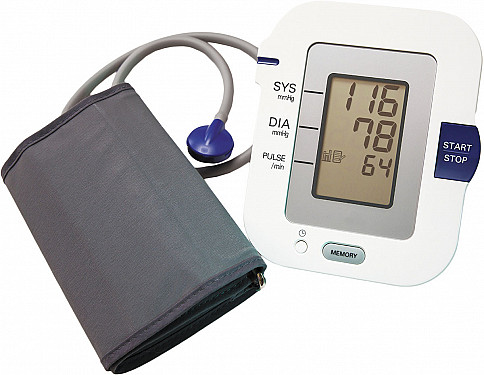
Home blood pressure monitoring is an accessible way for patients to keep track of their condition. Many modern devices are user-friendly and provide reliable readings. This data can be reviewed by healthcare providers during follow-up appointments.
Clinical Visits
In addition to self-monitoring, regular visits to a healthcare provider are essential. These appointments may include routine laboratory tests, an ECG, and other assessments to evaluate the effects of hypertension on various organs.
Additional Considerations
Awareness and Education
Public health education efforts stress the importance of understanding hypertension. Awareness initiatives aim to educate individuals about risk factors, healthy lifestyle choices, and the critical need for regular blood pressure checks. With early detection and proper management, many of the dangerous complications associated with high blood pressure can be avoided.
Global Health Impact
Hypertension is a leading contributor to morbidity and mortality worldwide. Its impact extends to various health systems, emphasizing the need for coordinated community and healthcare provider responses. Governments and health organizations across the globe strive to improve awareness, management, and treatment protocols to reduce the large health and economic burden posed by this condition.
Self-Care and Patient Empowerment
Managing hypertension is not solely the responsibility of healthcare providers; patients play a central role in their health outcomes. Empowering individuals with education about the condition, how to manage it through lifestyle changes, and when to seek medical advice greatly influences the prognosis of hypertension. Consistent self-care practices and adherence to treatment can make a significant difference in long-term health.
References
- Healthline - High Blood Pressure & Hypertension
- NHS - High Blood Pressure
- CDC - High Blood Pressure
- Mayo Clinic - High Blood Pressure
- WHO - Hypertension
Recommended Queries for Further Exploration
Last updated March 18, 2025