
Comprehensive Guide to I-131 Therapy for Medical Specialists
Essential Insights and Best Practices for Effective I-131 Treatment
Key Takeaways
- Targeted Treatment: I-131 therapy selectively targets thyroid cells, offering an effective solution for hyperthyroidism and differentiated thyroid cancers.
- Multidisciplinary Approach: Successful administration of I-131 therapy involves collaboration among nuclear medicine physicians, endocrinologists, surgeons, and radiation safety officers.
- Comprehensive Patient Management: Pre-treatment preparation, precise dosage calculation, and diligent post-therapy monitoring are crucial for optimal patient outcomes and safety.
Introduction to I-131 Therapy
I-131 therapy, also known as radioactive iodine therapy, is a cornerstone treatment in the management of thyroid-related disorders, including hyperthyroidism and certain types of thyroid cancer. By leveraging the thyroid gland's natural affinity for iodine, I-131 selectively accumulates in thyroid cells, delivering targeted radiation that eradicates overactive or malignant tissues while sparing surrounding healthy structures.
Applications of I-131 Therapy
1. Hyperthyroidism Treatment
Hyperthyroidism, characterized by excessive thyroid hormone production, can lead to significant metabolic disturbances. I-131 therapy is a preferred treatment modality for conditions such as:
- Graves' Disease: An autoimmune disorder causing diffuse thyroid hyperactivity.
- Toxic Multinodular Goiter: Multiple hyperfunctioning thyroid nodules leading to increased hormone levels.
The administration of I-131 effectively reduces thyroid hormone synthesis by ablating overactive thyroid tissue, often restoring euthyroid states within months.
2. Differentiated Thyroid Cancer
I-131 therapy plays a pivotal role in the management of differentiated thyroid cancers, including papillary and follicular thyroid carcinoma. Post-thyroidectomy administration of I-131 serves two primary purposes:
- Remnant Ablation: Eliminates residual normal thyroid tissue to facilitate more accurate follow-up and reduce recurrence risk.
- Metastatic Treatment: Targets metastatic thyroid cancer cells, particularly in lymph nodes or distant organs.
Adjunctive use of recombinant TSH (Thyrogen) can enhance I-131 uptake by malignant cells while minimizing hypothyroid symptoms.
3. Neuroendocrine Tumors
In specialized scenarios, I-131 is conjugated with metaiodobenzylguanidine (MIBG) to form I-131 MIBG therapy. This modality targets neuroendocrine tumors, including pheochromocytomas and neuroblastomas, by exploiting the uptake mechanisms of catecholamine transporters in these malignancies.
Mechanism of Action
The therapeutic efficacy of I-131 therapy hinges on the thyroid gland’s intrinsic ability to uptake iodine. Once administered, I-131 is absorbed by thyroid follicular cells, where it emits beta and gamma radiation. The beta particles induce localized cellular damage and necrosis, effectively reducing or eliminating hyperfunctioning or cancerous thyroid tissue.
| Component | Description |
|---|---|
| I-131 Isotope | Radioactive form of iodine that emits beta and gamma radiation. |
| Uptake Mechanism | Thyroid cells naturally absorb iodine to synthesize thyroid hormones. |
| Radiation Emission | Beta particles cause cellular destruction; gamma rays facilitate imaging. |
Specialists Involved in I-131 Therapy
Effective administration of I-131 therapy necessitates a multidisciplinary team, each member contributing specific expertise to ensure comprehensive patient care.
1. Nuclear Medicine Physicians
These specialists oversee the preparation and administration of radioactive iodine, ensuring accurate dosing and adherence to radiation safety protocols. They are pivotal in imaging and dosimetry calculations essential for treatment efficacy.
2. Endocrinologists
Endocrinologists manage thyroid disorders, performing pre-treatment assessments, ordering necessary biochemical tests (e.g., TSH, T3, T4 levels), and monitoring thyroid function post-therapy. They coordinate adjustments in thyroid hormone replacement therapy as needed.
3. Thyroid Surgeons
In cases requiring surgical intervention, such as thyroidectomy prior to I-131 therapy for cancer patients, thyroid surgeons play a crucial role. They collaborate with nuclear medicine physicians to optimize treatment sequences and outcomes.
4. Radiation Safety Officers
These professionals ensure compliance with radiation safety guidelines to protect patients, healthcare workers, and the public. They oversee isolation protocols post-therapy and manage environmental safety measures within medical facilities.
5. Oncologists
For patients with thyroid cancer, oncologists coordinate comprehensive treatment plans, integrating I-131 therapy with other modalities such as surgery, external beam radiation, or chemotherapy, tailored to individual patient needs.
Pre-Therapy Preparation
Successful I-131 therapy relies on meticulous pre-treatment preparation to maximize therapeutic efficacy and ensure patient safety.
1. Patient Evaluation
- Thyroid Function Tests: Comprehensive biochemical profiling including TSH, Free T4, and Free T3 levels.
- Imaging Studies: Thyroid scans or ultrasound to assess gland size, nodularity, and to identify any suspicious lesions.
- Cancer Staging (if applicable): Evaluating the extent of thyroid cancer through imaging and possibly radioactive iodine uptake scans.
2. Dietary and Medication Adjustments
- Low-Iodine Diet: Patients are often instructed to follow a low-iodine diet for several days prior to therapy to enhance I-131 uptake by thyroid tissues.
- Antithyroid Medications: Temporary discontinuation of drugs like methimazole or propylthiouracil to prevent interference with I-131 uptake.
3. Contraindications and Precautions
- Pregnancy and Lactation: I-131 therapy is contraindicated in pregnant and breastfeeding women due to potential harm to the fetus or neonate.
- Fertility Considerations: Patients planning conception should discuss timing due to risks associated with radiation exposure.
- Comorbid Conditions: Evaluation for any conditions that may increase the risk of adverse effects or complicate treatment.
Procedure Details
The administration of I-131 therapy is a well-defined process, tailored to the specific condition being treated and the individual patient's needs.
1. Dosage and Administration
- Hyperthyroidism: Typically involves a lower dose of I-131, sufficient to ablate overactive thyroid tissue without causing complete thyroid failure.
- Thyroid Cancer: Higher doses are prescribed for remnant ablation and metastatic disease management.
- Administration Route: I-131 is usually administered orally in the form of a liquid solution or capsule.
2. Hospitalization and Isolation
- Outpatient vs. Inpatient: Lower doses for hyperthyroidism may allow for outpatient treatment with minimal isolation, whereas higher therapeutic doses for cancer may require short-term hospitalization to adhere to radiation safety protocols.
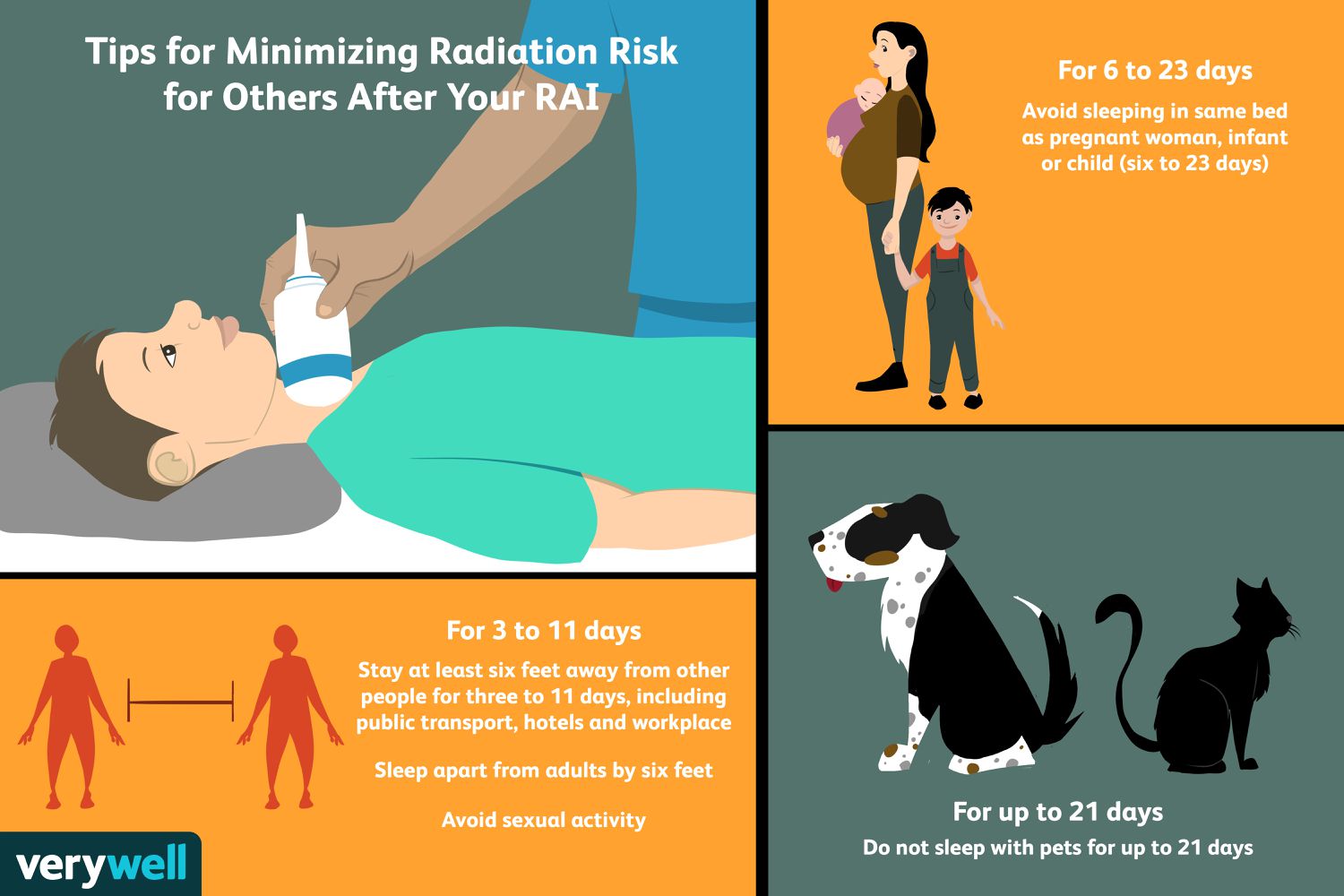
- Isolation Measures: Patients may need to maintain a safe distance from others, especially vulnerable populations like children and pregnant women, for a designated period post-treatment.
3. Monitoring During Therapy
- Vital Signs and Symptoms: Regular monitoring for any immediate adverse reactions during and after administration.
- Radiation Exposure: Ensuring that radiation levels are within safe limits to prevent unnecessary exposure to healthcare workers and family members.
Post-Therapy Care and Follow-Up
After the administration of I-131, comprehensive post-therapy care is essential to monitor treatment efficacy, manage side effects, and ensure ongoing patient safety.
1. Radiation Safety Precautions
- Isolation Period: Adherence to recommended isolation durations to minimize radiation exposure to others.
- Hygiene Practices: Strict personal hygiene measures, including frequent handwashing and use of separate utensils, to prevent contamination.
- Environmental Controls: Use of separate bathroom facilities if possible and maintaining distance from shared spaces.
2. Monitoring Thyroid Function
- Regular Blood Tests: Periodic assessment of TSH, Free T4, and Free T3 levels to evaluate thyroid function and adjust hormone replacement therapy as necessary.
- Symptom Assessment: Monitoring for signs of hypothyroidism, such as fatigue, weight gain, and cold intolerance.
3. Managing Side Effects
- Transient Side Effects: Management of temporary symptoms like neck pain, dry mouth, or taste alterations through supportive care measures.
- Long-Term Effects: Lifelong thyroid hormone replacement therapy may be required in cases where I-131 induces permanent hypothyroidism.
4. Follow-Up Imaging and Testing
- Radioiodine Scans: To confirm the uptake and distribution of I-131, ensuring adequate targeting of thyroid tissues or cancer metastases.
- Tumor Markers: Monitoring specific markers to assess the response of thyroid cancer to therapy.
Special Considerations for Specialists
Medical specialists must navigate various challenges and considerations to optimize I-131 therapy outcomes. Key areas include patient selection, dosage precision, and interprofessional collaboration.
1. Patient Selection and Candidate Identification
- Indications: Accurate diagnosis of hyperthyroidism or differentiated thyroid cancer, ensuring that the patient meets the criteria for I-131 therapy.
- Contraindications: Identifying factors such as pregnancy, breastfeeding, or severe comorbidities that may preclude safe administration of I-131.
- Risk-Benefit Analysis: Weighing potential therapeutic benefits against possible adverse effects and radiation exposure risks.
2. Dosage Calculation and Personalization
- Fixed vs. Calculated Dosing: Deciding between empirical dosing based on standardized protocols or individualized dosimetry for precise therapeutic targeting.
- Factors Influencing Dose: Considering thyroid size, iodine uptake rates, presence of metastases, and patient-specific factors such as age and overall health.
3. Interdisciplinary Collaboration
- Coordinated Care: Ensuring seamless communication among nuclear medicine physicians, endocrinologists, surgeons, oncologists, and radiation safety officers.
- Comprehensive Treatment Planning: Developing integrated care plans that address all aspects of the patient’s condition and treatment journey.
4. Radiation Safety Management
-
Regulatory Compliance: Adhering to local and national radiation safety regulations to protect healthcare workers and the public.
-
Training and Education: Ensuring that all team members are adequately trained in radiation safety protocols and emergency procedures.
Advantages of I-131 Therapy
I-131 therapy offers several significant benefits, making it an attractive option for treating thyroid-related disorders.
1. Selective Targeting
The inherent ability of thyroid cells to uptake iodine ensures that I-131 therapy precisely targets affected tissues, minimizing collateral damage to surrounding healthy structures.
2. Non-Invasive Procedure
Unlike surgical interventions, I-131 therapy is minimally invasive, reducing procedural risks and recovery times for patients.
3. High Efficacy
I-131 therapy has demonstrated high success rates in achieving euthyroidism in hyperthyroid patients and in reducing recurrence rates in differentiated thyroid cancer, contributing to improved long-term patient outcomes.
4. Favorable Safety Profile
With appropriate dosing and adherence to radiation safety measures, I-131 therapy presents minimal radiation-related risks, making it a safe treatment modality.
Challenges and Considerations
Despite its advantages, I-131 therapy poses certain challenges that specialists must navigate to optimize treatment efficacy and patient safety.
1. Inducing Hypothyroidism
While I-131 effectively reduces hyperactive thyroid tissue, it often results in hypothyroidism, necessitating lifelong thyroid hormone replacement therapy. Specialists must prepare patients for this potential outcome and manage hormone replacement accordingly.
2. Radiation Exposure Risks
Ensuring the safety of patients, healthcare workers, and the public from unintended radiation exposure requires stringent adherence to safety protocols and effective patient education.
3. Dosage Optimization
Achieving the right balance between sufficient radioactive dose for therapeutic effect and minimizing side effects is critical. Personalized dosimetry can aid in optimizing dosage but may require additional resources.
4. Coordinating Multidisciplinary Care
Seamless coordination among various specialists is essential but can be challenging, especially in complex cases involving advanced thyroid cancer or comorbid conditions.
Conclusion
I-131 therapy stands as a highly effective and targeted treatment for hyperthyroidism and differentiated thyroid cancers. Its success hinges on a coordinated, multidisciplinary approach that encompasses accurate patient selection, precise dosage calculation, stringent radiation safety measures, and comprehensive post-therapy monitoring. While challenges such as induced hypothyroidism and radiation exposure risks exist, these can be mitigated through diligent management and adherence to best practices. As medical specialists deepen their understanding and refine their application of I-131 therapy, patient outcomes continue to improve, underscoring the therapy’s pivotal role in modern endocrinology and oncology.
References
This guide provides an in-depth overview of I-131 therapy, emphasizing its applications, mechanisms, specialist roles, and comprehensive patient management strategies. By integrating best practices and addressing key challenges, medical specialists can effectively utilize I-131 therapy to achieve optimal patient outcomes.
Last updated January 22, 2025