
Unlocking Peace of Mind: How Digital Solutions Are Revolutionizing IADL Support for Aging Parents
An in-depth look at the challenges adult children face in managing their parents' daily lives and the emerging market for tech-driven assistance.
Key Insights
- Significant Unpaid Labor: Millions of adult children dedicate substantial time (often 5-18+ hours weekly) and face indirect financial burdens providing crucial Instrumental Activities of Daily Living (IADL) support to aging parents, a contribution valued at hundreds of billions annually in the U.S. alone.
- Large & Growing Market: The U.S. market for digital IADL support solutions, targeting an estimated 54 million adult children, presents a Total Addressable Market (TAM) of approximately $32.4 billion annually, with a strong willingness to pay around $30-$70 per month for effective tools.
- Trust is Paramount: While digital solutions offer efficiency and scalability in managing tasks like bill payments, appointments, and document organization, their adoption hinges on robust security, data privacy, and user trust, especially when handling sensitive financial and personal information.
The Silent Workforce: Adult Children as IADL Caregivers
As populations age globally, a significant and often unseen workforce comprises adult children stepping in to provide unpaid support for their parents. This care predominantly involves Instrumental Activities of Daily Living (IADLs)—tasks crucial for maintaining independence but distinct from basic self-care (Activities of Daily Living or ADLs). IADLs include managing finances, coordinating medical appointments, handling medications, organizing important documents, arranging transportation, shopping, and meal preparation.

Adult children often find themselves juggling their own lives while managing their parents' complex needs.
Who Are These "Parent Champions"?
In the United States alone, an estimated 53 to 54 million individuals, predominantly adult children, serve as unpaid caregivers for older adults. Many of these "Parent Champions" assist with an average of 4.2 out of 7 common IADL tasks. The most frequently supported activities include transportation (cited by 78% of caregivers), grocery or other shopping (76%), and housework (72%), alongside critical financial management and healthcare coordination. While data is most robust for the U.S., similar trends are observed globally, with family members, particularly adult children, forming the backbone of elder support systems.
The Weight of Responsibility: Time Spent on IADLs
The time commitment for providing IADL support is substantial. Estimates suggest that adult children may spend anywhere from 5 to 15 hours per month *per parent* specifically on IADL tasks. Broader caregiving statistics, which include IADLs, indicate an average of over 18 hours per week, with some caregiver demographics dedicating upwards of 30 hours weekly. These hours are spent on a variety of tasks, such as paying bills, scheduling and attending appointments, managing medication regimens, and organizing essential paperwork—all vital for the well-being and safety of their aging parents.
The Hidden Costs: Financial Impact
While "unpaid," this caregiving is not without financial implications. The economic value of unpaid care provided by family members in the U.S. was estimated at a staggering $600 billion in 2021, reflecting approximately 36 to 38 billion hours of care valued at an average of $16.59 per hour. Beyond the opportunity cost of their time, adult children often incur direct out-of-pocket expenses, which can range from hundreds to potentially thousands of dollars annually per household. These costs can include covering bills for parents, paying for assistive devices, or hiring occasional help for tasks their parents can no longer manage.
Sizing the Opportunity: A Multi-Billion Dollar Market
The demand for solutions that can alleviate the burden on adult children caregivers is significant, pointing to a substantial market opportunity, particularly for digital tools like the SeniorLife Management App which aims to help with paying bills, tracking appointments, and organizing documents.
Total Addressable Market (TAM)
Assuming the 54 million adult children in the U.S. managing their aging parents' lives are the primary target, and considering a potential subscription cost of $50 per month, the Total Addressable Market (TAM) can be calculated as:
54,000,000 users * $50/month * 12 months/year = $32.4 \text{ billion per year}
This figure represents the total annual revenue opportunity if every potential customer adopted such a service.
Serviceable Available Market (SAM)
The Serviceable Available Market (SAM) represents the segment of the TAM that can realistically be reached and served by a specific product or service. Considering factors like awareness, tech adoption rates, and specific needs alignment, a conservative adoption rate by, for example, 20-30% of the TAM is a reasonable starting point for SAM estimation. Using a 25% adoption rate:
$32.4 \text{ billion (TAM)} * 0.25 = $8.1 \text{ billion per year}
This indicates a multi-billion dollar market for solutions catering to the IADL management needs of adult children.
The Perils of Unmanaged IADLs: Fraud and Financial Strain
Without diligent oversight, aging parents are more susceptible to financial mishaps, including fraud and the accumulation of late fees, adding further stress to caregiving adult children.
Vulnerability to Fraud
Older adults are unfortunately frequent targets for financial scams. The lack of consistent monitoring of financial accounts and transactions can leave them vulnerable. Losses due to fraud can be devastating, sometimes wiping out significant portions of savings. Digital tools that offer transaction monitoring and alerts can play a crucial role in early detection and prevention, potentially saving families thousands of dollars.
The Burden of Late Fees and Missed Payments
Managing multiple bills with varying due dates can be challenging, especially if cognitive decline is a factor for the parent, or if the adult child is overwhelmed. Missed payments can lead to late fees, service disruptions, and negative impacts on credit scores. Estimates suggest that households could lose $20-$50 per month, or hundreds of dollars annually, just in late fees. Cumulatively, these seemingly small amounts add up, contributing to financial strain. Solutions that automate bill payments or provide timely reminders are invaluable in mitigating these losses.
Seeking Solutions: Digital Empowerment vs. Human Touch
As the need for IADL support grows, various solutions are emerging. Digital platforms offer new efficiencies, while traditional human concierge services provide personalized care.

Digital apps like SeniorLife aim to streamline IADL management for adult children.
The Rise of Digital IADL Support
Digital solutions, such as the SeniorLife Management App, are designed to streamline and simplify the complexities of IADL management. Key advantages include:
- Scalability and Cost-Effectiveness: Digital apps can serve a large number of users at a relatively low monthly cost (e.g., $30-$70).
- 24/7 Accessibility: Information and tools are available anytime, anywhere, offering convenience for busy adult children.
- Automation and Efficiency: Features like automated bill payment, appointment reminders, and digital document organization can save significant time and reduce manual effort.
- Centralization and Oversight: These platforms can provide a centralized dashboard for monitoring finances, appointments, and important documents, improving oversight and reducing the risk of missed items.
However, challenges include overcoming the digital divide for less tech-savvy users (both parents and sometimes adult children), and the critical need to establish trust regarding data security and privacy.
The Enduring Value of Human Concierge Services
Human concierge services for seniors offer a highly personalized approach to IADL support. Their strengths lie in:
- Personalized Interaction: Direct human contact can provide empathy and tailored solutions for complex or nuanced situations that an app might not handle.
- Trust and Relationship Building: Some individuals prefer the trust and rapport built with a human assistant, especially for sensitive financial or personal matters.
- Flexibility: Human assistants can adapt to highly specific or unusual requests that fall outside the programmed capabilities of a digital system.
The main drawbacks are higher costs (often $30-$100+ per hour or significant monthly retainers) and limited scalability.
Finding the Balance: The Hybrid Potential
A growing trend is the exploration of hybrid models that combine the efficiency and accessibility of digital tools with the option of human support for more complex needs or when a personal touch is required. This could offer the best of both worlds, optimizing cost and personalization.
Comparative Analysis of IADL Support Solutions
To better understand the landscape, the following table compares different approaches to managing IADLs for aging parents. This helps illustrate where digital solutions like the SeniorLife Management App fit and the distinct advantages they offer over manual methods or more traditional, higher-cost services.
| Feature/Aspect | Digital Solutions (e.g., SeniorLife App) | Human Concierge Services | Manual Management (by Adult Child) |
|---|---|---|---|
| Cost | Low to Moderate (Subscription, e.g., $30-$70/month) | High (Hourly/Retainer, e.g., $75-$200+/month or $30-$100+/hour) | High Opportunity Cost of Time; Potential Out-of-Pocket Expenses |
| Scalability | High | Low | Low (Per Caregiver) |
| Accessibility | 24/7, Remote via device | Scheduled, Often Localized | Dependent on Caregiver's Personal Availability |
| Efficiency in Repetitive Tasks | High (Automation, Reminders, Centralization) | Moderate to High (Relies on individual assistant) | Variable, Prone to Human Error and Oversight |
| Personalization Level | Moderate (Customizable settings, alerts) | Very High (Tailored to specific individual needs) | High (Caregiver knows parent, but can be burdensome to execute) |
| Core Task Management (Bills, Appts, Docs) | Specialized digital tools for these functions | Comprehensive, bespoke handling of all requested tasks | All tasks handled manually by caregiver |
| Error & Fraud Reduction Potential | High (through monitoring, alerts, automation) | High (with diligent human oversight) | Lower, depends on caregiver's diligence and capacity |
| Data Security & Privacy | Platform-dependent; requires robust security measures and user trust | Relies on individual assistant's discretion and secure practices | Variable (paper records, personal digital storage with varying security) |
| Emotional Support Component | Low (Primarily a tool-based solution) | Can be High (Part of personalized service) | Variable (Provided by caregiver, can lead to caregiver stress) |
Market Landscape: Offerings and User Expectations
The market for senior support services is evolving, with several players offering various forms of assistance.
Who Else is Helping? Key Market Players
Several types of services and applications aim to support seniors and their caregivers. These include:
- Broad In-Home Care Providers (e.g., Honor): Often focus more on ADLs but may include some IADL support as part of a larger care package.
- Companionship & Light Assistance Services (e.g., Papa): Connect seniors with individuals for companionship and help with tasks like errands, which can overlap with IADLs.
- Financial Security Apps (e.g., Carefull, EverSafe): Specifically focus on bill management, financial monitoring, and fraud prevention for seniors.
- Health Management Tools (e.g., ZocDoc for appointments, MyMeds for medication): Address specific aspects of healthcare coordination.
- Specialized Senior Concierge Services: These can range from local, human-intensive services to emerging digital or hybrid models (e.g., some features in Bringme, Lena Health).
The SeniorLife Management App, with its focus on bill payment, appointment tracking, and document organization, carves out a niche by addressing a specific cluster of burdensome IADLs for adult children.
What Are Caregivers Willing to Pay?
There's a clear willingness among adult children, particularly those balancing careers and caregiving, to pay for solutions that offer tangible benefits like time savings, reduced stress, and increased peace of mind. Market data and competitor pricing suggest that a monthly subscription in the range of $20 to $70 is generally acceptable for robust digital IADL support tools. The $50 per month price point for a comprehensive app like SeniorLife is well within this range and often perceived as a worthwhile investment, especially when compared to the economic value of the caregiver's time (often exceeding $16/hour) or the cost of potential late fees and fraud.
Visualizing IADL Support: Strengths of Digital Solutions
The radar chart below illustrates the potential strengths of different types of digital solutions in addressing key IADL support features. This helps to visualize how a dedicated app like SeniorLife (hypothetically strong in its core advertised features) might compare to other specialized digital tools or an idealized comprehensive solution. The ratings are on a scale of 1 to 10, where 10 represents optimal performance in that feature category. This is an opinionated analysis for illustrative purposes.
Reaching Those in Need: Effective Go-to-Market Strategies
Connecting adult children with valuable IADL support solutions requires a multi-faceted approach. Several key channels show significant promise:
Corporate Employee Benefit Departments
Many employers are recognizing the impact of caregiving responsibilities on employee productivity, stress, and absenteeism. Offering an IADL management app as an employee benefit can be a powerful retention and support tool. This channel provides access to a large, employed demographic actively juggling work and caregiving.
Banks and Financial Institutions
Given the strong financial component of IADL support (bill paying, fraud monitoring, document organization for financial records), partnering with banks makes strategic sense. Banks can offer such apps as a value-added service to customers, particularly those managing finances for elderly relatives, reinforcing trust and providing practical assistance.
Medicare Advantage Plans and Health Insurers
Health plans, especially Medicare Advantage plans, are increasingly focused on holistic member well-being and addressing social determinants of health. Poor IADL management can lead to adverse health outcomes (e.g., missed appointments, incorrect medication). Offering a support app can be seen as a tool to improve care coordination, member satisfaction, and potentially reduce healthcare costs.
Direct-to-Consumer (DTC)
Targeted digital marketing campaigns, content marketing (blogs, articles on caregiving challenges), and social media outreach can effectively reach adult children actively searching for solutions online. This channel allows for direct brand building and customer relationship management.
This video discusses the new frontier in senior care, highlighting the role of digital solutions at home, which aligns with the IADL support tools being discussed.
Navigating IADL Support: A Mindmap of Key Considerations
The mindmap below outlines the multifaceted nature of providing IADL support for aging parents. It touches upon the challenges faced by adult children, the critical tasks involved, available solutions, market dynamics, and essential factors for success, particularly for digital tools.
(Bills, Budgeting, Banking)"] id2b["Healthcare Coordination
(Appointments, Medications, Insurance)"] id2c["Household Management
(Shopping, Meal Prep, Light Chores)"] id2d["Legal & Document Organization"] id2e["Transportation & Communication"] id3["Solutions & Support Systems"] id3a["Digital Apps (e.g., SeniorLife)"] id3a1["Benefits: Automation, Access, Cost"] id3a2["Core Features: Bill Pay, Scheduling, Docs"] id3a3["Potential: AI-driven insights, alerts"] id3b["Human Concierge Services"] id3b1["Benefits: Personalized, Complex Cases"] id3b2["Drawbacks: Cost, Scalability"] id3c["Family & Community Resources"] id3d["Professional Services (Financial Advisors, Geriatric Care Managers)"] id4["Market Considerations for Digital Tools"] id4a["Target Audience: 'Parent Champions'"] id4b["Go-to-Market Channels
(Corporate, Banks, Healthcare, DTC)"] id4c["Willingness to Pay ($30-$70/month)"] id4d["Competitive Landscape"] id5["Critical Success Factors for Adoption"] id5a["Trust & Data Security"] id5b["Ease of Use & Intuitive Design"] id5c["Demonstrable Value & ROI (Time, Money, Peace of Mind)"] id5d["Reliability & Customer Support"] id5e["Privacy Controls & Transparency"]
The Trust Factor: Navigating Information Sharing and Security
For any digital solution managing sensitive information, particularly for vulnerable older adults, trust is the cornerstone of adoption and sustained use.
Balancing Convenience with Privacy Concerns
Adult children are generally willing to share information if it demonstrably simplifies their caregiving tasks and enhances their parents' safety and well-being. Basic information like appointment schedules or medication lists might be shared more readily. However, when it comes to highly sensitive data, such as full access to bank accounts, detailed financial histories, or comprehensive health records, risk tolerance decreases significantly. Users need to feel that the convenience gained outweighs any perceived privacy risks.
Building User Confidence: The Non-Negotiables
To foster trust and encourage the sharing of necessary information, digital IADL support platforms must prioritize:
- Robust Security Measures: End-to-end encryption, multi-factor authentication, regular security audits, and secure data storage are fundamental.
- Transparent Privacy Policies: Clear, easy-to-understand policies detailing what data is collected, how it's used, who can access it, and how it's protected are essential.
- Granular User Controls: Allowing users to define who can access specific information and providing clear dashboards for managing permissions.
- Data Minimization: Collecting only the data that is absolutely necessary for the app's functionality.
- Compliance and Certifications: Adherence to relevant data protection regulations (e.g., HIPAA if health data is involved, financial privacy laws) and seeking relevant security certifications can bolster confidence.
- Reliable Support: Accessible and responsive customer support, especially for addressing security concerns or sensitive data issues.
Ultimately, users must be convinced that the platform is a secure and trustworthy steward of their parents' personal and financial information.
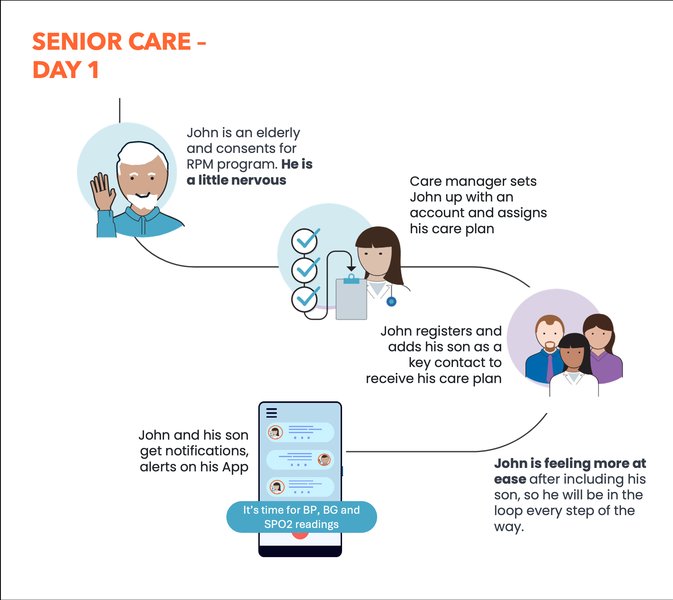
Technology can empower seniors and their caregivers, provided trust and security are prioritized.
Frequently Asked Questions (FAQ)
What are Instrumental Activities of Daily Living (IADLs)?
How much time do adult children typically spend on IADL support for their parents?
Is there a significant market for apps that help manage IADLs?
What are the main concerns users have about sharing information with IADL management apps?
Conclusion
The task of providing unpaid IADL support for aging parents represents a significant, often underestimated, commitment by millions of adult children globally. This "silent workforce" invests considerable time and emotional energy, facing potential financial strain and the constant pressure of managing complex responsibilities. The emergence of digital solutions, such as the SeniorLife Management App, offers a promising avenue to alleviate some of this burden by streamlining tasks like bill payments, appointment tracking, and document organization.
The market for such tools is undeniably large and growing, driven by aging populations and the increasing willingness of tech-savvy adult children to adopt solutions that offer convenience and peace of mind. However, the success of these digital platforms hinges critically on their ability to establish and maintain user trust. Robust security, transparent data practices, and intuitive user experiences are not just features but foundational requirements. By effectively addressing these needs, digital IADL support solutions can empower adult children, enhance the well-being of aging parents, and tap into a substantial market opportunity.
Recommended Further Exploration
- Explore the long-term psychological impacts on adult children who provide extensive IADL support.
- Investigate how cultural differences globally affect the types of IADL support provided by adult children and their expectations from digital tools.
- Discover what specific AI-driven features could most significantly enhance the value of IADL management apps beyond basic task organization.
- Learn about the most effective strategies for educating older adults and their caregivers about the benefits and security of digital IADL support tools to overcome adoption barriers.
Referenced Search Results
 advertising.amazon.com