
Emerging Biomarkers in Inflammatory Bowel Disease
A comprehensive exploration into the cutting-edge diagnostic tools for IBD
Key Highlights
- Non-Invasive and Real-Time Assessment: Advancements in wearable sensors and stool/test markers offer less invasive and real-time monitoring options.
- Multi-Omics and Integrated Data Approaches: Genetic, proteomic, and microbiome profiling are creating deeper insights into disease stratification and personalized therapy.
- Precision Medicine Advancements: Emerging biomarkers such as microRNAs, novel protein markers, and glycosylation patterns are paving the way to targeted treatments.
Introduction
Inflammatory bowel disease (IBD) is a group of chronic disorders, including Crohn's disease (CD) and ulcerative colitis (UC), characterized by inflammation of the gastrointestinal tract. Traditionally, clinical management of IBD has relied heavily on invasive endoscopic procedures, classical serum biomarkers such as C-reactive protein (CRP), and fecal markers like calprotectin. However, further developments in molecular biology, genomics, proteomics, and advanced imaging technologies have paved the way for the emergence of innovative biomarkers. These new biomarkers offer hope for improved diagnosis, monitoring, prediction of flares, therapy response, and overall personalized treatment strategies.
Current Biomarkers in IBD and Their Limitations
Established Biomarkers
Currently, biomarkers such as CRP, fecal calprotectin (FCP), and erythrocyte sedimentation rate (ESR) are routinely used in the diagnosis and management of IBD. While each has its utility, they also exhibit limitations in terms of specificity and sensitivity:
- C-Reactive Protein (CRP): An acute-phase protein elevated in inflammatory states but can be non-specific since it may rise in other conditions besides IBD.
- Fecal Calprotectin: Sensitive to intestinal inflammation, this marker is useful for distinguishing IBD from irritable bowel syndrome (IBS); however, it is subject to variability and can be influenced by other factors such as infections.
- Erythrocyte Sedimentation Rate (ESR): A longstanding marker for inflammation, but its slow response to changes in the inflammatory state makes it less ideal for real-time monitoring.
The Need for Novel Biomarkers
These limitations have spurred the search for biomarkers that are not only more sensitive and specific but also capable of supporting early diagnosis, predicting disease progression, and providing real-time monitoring of disease activity. The integration of multiple diagnostic modalities, including non-invasive tests and multi-omics data, is critical to refine the current diagnostic framework and efficiently guide personalized interventions.
Emerging Biomarkers in IBD
Molecular and Genetic Biomarkers
Genetic Profiling
Large-scale studies using genetic profiling have identified variations in genes such as NOD2, PRDM1, and NDP52 that are associated with disease susceptibility. Such genetic markers not only help in differentiating IBD subtypes but also aid in assessing the risk of disease complications, including colorectal cancer. These genetic insights facilitate early intervention strategies and personalized treatment, as patients can be categorized based on their genetic risk profiles.
MicroRNAs and Small RNAs
MicroRNAs (miRNAs) and other small RNAs, including piRNAs, are emerging as important regulatory elements in the context of IBD. Their differential expression in IBD patients compared to healthy individuals suggests that they can serve as sensitive markers for early diagnosis. Panels of miRNAs, including miR-21, miR-155, and miR-223, have demonstrated potential in reflecting disease activity. These small non-coding RNAs are being assessed not only as diagnostic markers but also as indicators of treatment responses, making them critical to tailoring personalized therapies.
Protein and Proteomic Biomarkers
Novel Protein Markers
Beyond traditional markers like CRP, emerging protein biomarkers have shown promising diagnostic and prognostic value:
- BAFF: This protein is involved in B-cell regulation and is being investigated for its role in the inflammatory processes associated with IBD.
- PGE-MUM: The Prostaglandin E-major urinary metabolite represents a non-invasive marker with the potential to reflect inflammatory status without the need for serum or invasive tests.
- Oncostatin M: Inflammatory cytokine that may correlate well with disease severity and has potential use in predicting treatment response, particularly nonresponse to therapies like anti-TNF agents.
- S100A12: Originally identified through stool samples, this marker has gained attention due to its direct link with local inflammation in the gut.
- αvβ6 Antibody: Particularly noteworthy in ulcerative colitis, this antibody may assist in predicting disease severity and guiding treatment strategies.
Proteomics and Glycosylation Patterns
Cutting-edge proteomics has enabled the characterization of complex protein signatures in IBD patients. Particularly intriguing is the discovery of glycosylation patterns on circulating antibodies which appear capable of predicting the onset of Crohn's disease several years in advance. Such novel diagnostic techniques invite a paradigm shift, reducing reliance on invasive procedures while enabling earlier and more accurate diagnoses.
Integration of Multi-Omics Data
Comprehensive Disease Profiling
One of the most transformative approaches in recent times is the integration of multi-omics data, which encompasses genetic, transcriptomic, proteomic, and metabolomic information. This holistic analysis allows researchers to develop multidimensional biomarker panels that provide a comprehensive view of the disease state. Notable advantages include:
- Enhanced Diagnostic Accuracy: Integrating different omics data helps identify unique molecular signatures specific to IBD, improving diagnostic precision.
- Patient Stratification: Omics-driven classification can identify subgroups of patients who might benefit from tailored therapeutic strategies.
- Predictive Capability: Multi-omics data contribute to predictive models that forecast disease onset, progression, and response to existing and novel treatments.
Microbial Biomarkers
Gut Microbiota Analysis
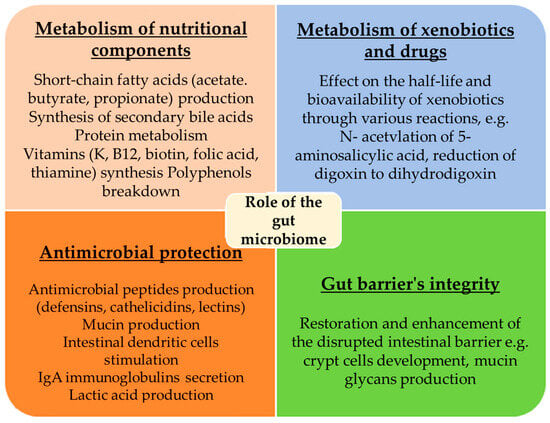
The human gut microbiome is a complex ecosystem that plays an integral role in health and disease. Innovative studies are now focusing on deciphering the microbial signatures associated with IBD. Using advanced sequencing and bioinformatics tools, researchers have identified robust microbial biomarkers capable of distinguishing IBD from other gastrointestinal conditions. These biomarkers not only assist in early diagnosis but also provide insights into the dysbiosis that characterizes IBD. With improved understanding, microbial profiles may also guide probiotic therapies and dietary interventions aimed at modulating the microbiome to restore health.
Wearable and Non-Invasive Technologies
Real-Time Monitoring Solutions
Wearable sensor devices represent an exciting frontier in IBD management, offering a means of non-invasive, continuous monitoring. These devices, capable of measuring markers like CRP and interleukin-1β (IL-1β) from sweat, could revolutionize how disease flares are detected and managed. Real-time monitoring enables patients and clinicians to react promptly to inflammatory changes, potentially reducing the severity of flares and hospitalizations. Thus, wearable technology not only supports patient empowerment but also bolsters the move towards proactive treatment strategies.
Additional Emerging Biomarkers and Diagnostic Strategies
Circulating Cells and Vesicles
In addition to the biomarkers discussed above, emerging studies are exploring the potential of circulating endothelial progenitor cells (EPCs) and extracellular vesicles. These components are indicative of vascular health and inflammatory status and might serve as biomarkers for both IBD activity and its related extra-intestinal manifestations, including cardiovascular complications. Although still in the early stages of research, these agents could one day complement traditional and molecular biomarkers to provide a more robust clinical picture.
Combination Biomarker Panels
Recognizing that no single biomarker can capture the entirety of a complex disease like IBD, recent research is advocating for the development of biomarker panels. These panels combine various molecular, proteomic, and microbial markers to provide a composite score that reflects disease activity and predicts treatment response with higher accuracy. Such panels often integrate both established and novel biomarkers, thus delivering the benefits of comprehensive coverage and increased specificity. This strategy is essential for personalized medicine, tailoring monitoring and treatment regimens to individual patient profiles.
Table: Emerging Biomarkers Overview
| Biomarker Category | Key Markers | Clinical Utility |
|---|---|---|
| Molecular and Genetic | Genetic Variations (e.g., NOD2), miRNAs (miR-21, miR-155, miR-223) | Early diagnosis, disease risk stratification |
| Proteomic | BAFF, PGE-MUM, Oncostatin M, S100A12, αvβ6 antibody | Monitoring disease activity, prognostic assessments |
| Microbial | Gut microbial profiles and metagenomic data | Differentiating IBD from other gastrointestinal disorders |
| Emerging Technologies | Wearable sensors, EPCs, extracellular vesicles | Real-time monitoring, non-invasive diagnostics |
Utilizing Biomarkers in Personalized Medicine
The ultimate goal in advancing biomarker research is to transform IBD management from a “one-size-fits-all” approach to a personalized paradigm. By integrating emerging biomarkers into clinical practice, healthcare providers can tailor treatment options to the unique molecular and phenotypic profile of each patient. This biomarker-driven approach not only improves diagnostic accuracy but also ensures that therapeutic interventions are both timely and specifically targeted. The promise of precision medicine in IBD is underscored by ongoing trials that incorporate multi-omics data and advanced computational models to predict which patients are most likely to benefit from specific treatments.
Predictive Biomarkers for Early Intervention
Another facet of emerging biomarker research revolves around predictive markers that forecast disease onset and flares. Glycosylation patterns on circulating antibodies and certain microRNA panels have shown the potential to predict the development of Crohn's disease years before clinical symptoms appear. Such early detection can be revolutionary, prompting early lifestyle or therapeutic interventions that may delay or even prevent the full manifestation of the disease. Thus, predictive biomarkers not only serve a diagnostic function but also represent a key tool in preventative medicine within the realm of IBD.
Challenges and Future Directions
Challenges in Biomarker Adoption
Despite the significant strides made over recent years, several challenges remain in the adoption of emerging biomarkers:
- Standardization: Variability in sample collection, processing methods, and assay techniques may affect the reproducibility of biomarker data across different studies and clinical settings.
- Validation: Extensive multi-center validation is needed before these biomarkers can be widely adopted in routine clinical practice.
- Cost and Accessibility: The integration of advanced multi-omics platforms and wearable devices requires specific technical infrastructure and financial resources, which may not be readily available in all clinical settings.
Future Prospects
As the field advances, continuing research will likely yield further improvements to the detection, accuracy, and clinical relevance of emerging biomarkers. Future directions include:
- Improved Sensitivity and Specificity: Ongoing advances in technology and bioinformatics are expected to enhance the sensitivity and specificity of new biomarkers, leading to more reliable assessments of disease activity.
- Integrative Diagnostic Panels: Combining multiple biomarkers from different biological sources (e.g., genetic, proteomic, microbial) into a single diagnostic panel could revolutionize IBD management by offering a comprehensive picture of the disease.
- Personalized Therapeutic Monitoring: Tailoring treatment protocols using dynamic biomarker monitoring may lead to adjustments in therapy in real time, thereby minimizing side effects and improving overall patient outcomes.
Conclusion and Final Thoughts
Emerging biomarkers in inflammatory bowel disease represent a seismic shift in clinical management and patient care. Through advancements in molecular profiling, proteomics, microbiome analytics, and wearable technology, clinicians are now better equipped than ever to assess disease activity, predict flares, and tailor therapies to the individual patient. The integration of multi-omics data not only enhances our understanding of the underlying mechanisms of IBD but also facilitates the early detection of disease onset and the identification of potential therapeutic targets.
While challenges such as the need for standardization and validation persist, the future of IBD diagnostics is promising. Ongoing research into novel biomarkers, in conjunction with technological innovations and large-scale clinical studies, is paving the way for a personalized medicine approach that could drastically improve quality of life for IBD patients. Ultimately, the convergence of these emerging biomarkers into multi-parametric diagnostic panels will likely transform routine clinical practice, enabling timely and targeted interventions that are tailored to the unique molecular fingerprint of each patient.
References
- Current and emerging biomarkers in the management of inflammatory bowel disease - News Medical
-
Emerging role of small RNAs in inflammatory bowel disease and colorectal cancer - PMC
- Advances in IBD: Current and emerging strategies - Prime Inc
- New biomarker could predict response to IBD treatment - News Medical
- Multi-omics integration in IBD biomarker discovery - PubMed
- Genome sequencing test predicts bowel cancer risk in IBD - Cancer Research UK
-
Innovative biomarkers in IBD - PMC
- Biomarker evaluation in inflammatory bowel disease - OUP Academic
- Non-invasive biomarkers and IBD - Frontiers in Medicine
- Ambitious IBD study unveils new biomarkers - Sanger Institute
- Emerging IBD biomarkers and treatments - GI Journals
-
Role of microRNAs in IBD - PMC
-
Glycosylation pattern predicts Crohn's disease - Gastroendonews
- IBD proteomic biomarkers - PubMed
- Precision Medicine in IBD - Precision Medicine
- Emerging biomarkers in IBD and their clinical applications - OUP IBD Journal
Recommended Searches
Last updated February 21, 2025