
Pelvic Inflammatory Disease (PID)
Understanding, Diagnosing, and Managing PID for Long-term Health
Key Highlights
- Cause & Risk Factors: PID is primarily caused by sexually transmitted infections such as chlamydia and gonorrhea, though other bacteria and certain medical procedures can also lead to infection.
- Symptoms & Diagnosis: Symptoms can vary widely, ranging from abdominal pain to abnormal discharge. Diagnosis typically involves physical examinations, laboratory tests, and imaging studies.
- Treatment & Complications: Timely antibiotic treatment is crucial to avoid serious complications such as infertility, ectopic pregnancy, and chronic pelvic pain.
Overview of Pelvic Inflammatory Disease
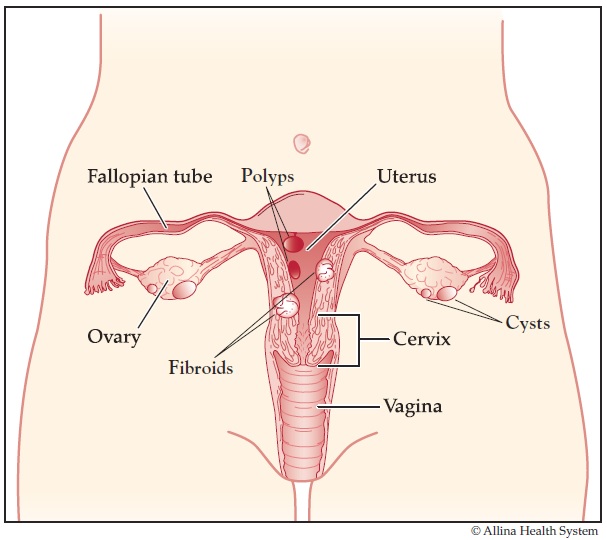
Pelvic Inflammatory Disease (PID) represents a spectrum of inflammatory disorders that affect the female reproductive organs, notably the uterus, fallopian tubes, and ovaries. As an ascending infection, bacteria enter from the lower genital tract and cause inflammation in the upper reproductive system. The condition is frequently linked to sexually transmitted infections (STIs) like chlamydia and gonorrhea, but it can also be instigated by other bacteria. Medical procedures, such as postpartum interventions or surgical abortions, may occasionally precipitate the condition by unintentionally introducing bacteria.
PID is a complex condition with varied manifestations – some women experience severe symptoms while others remain asymptomatic, making early screening paramount. If left untreated, the progression of PID can lead to significant reproductive complications, altering a woman's overall health and fertility outlook.
Detailed Causes and Risk Factors
Primary Causes
The predominant causes of PID involve the following:
- Sexually Transmitted Infections (STIs): Infections such as chlamydia and gonorrhea are the most common triggers. These bacteria typically ascend from the lower genital tract during sexual activity.
- Other Infections: Conditions such as bacterial vaginosis and the entry of normal vaginal flora into the upper genital tract can also result in PID. Additionally, certain non-STI bacteria introduced during medical procedures (e.g., IUD insertion or surgical interventions) may lead to infection.
Risk Factors
Several risk factors increase the likelihood of developing PID:
- Multiple Sexual Partners or Unprotected Sex: Engaging in sexual relationships without barrier protection can elevate exposure to pathogens that cause PID.
- Previous History of STIs or PID: A prior occurrence of either condition can predispose an individual to repeat episodes.
- Younger Age: Sexually active women under the age of 25 are particularly at risk due to higher STI prevalence.
- Procedures that Disturb the Genital Tract: Surgeries, abortions, or even invasive gynecologic procedures may contribute to the condition if proper hygiene protocols are not maintained.
Symptoms and Clinical Presentation
Common Symptoms
The clinical presentation of PID can vary widely, which sometimes results in a delayed diagnosis. Some individuals may have severe symptoms, while others may experience minimal or no noticeable signs. Common symptoms include:
- Lower Abdominal and Pelvic Pain: Often described as a dull or sharp pain, this is one of the most typical findings.
- Unusual Vaginal Discharge: Frequently accompanied by an unpleasant odor, the discharge may be heavy or unusual in consistency.
- Painful Intercourse: Sexual activity may exacerbate discomfort, making intimacy difficult and painful.
- Urinary Symptoms: Pain or burning sensations during urination can occur, particularly when the infection has started ascending.
- Fever and Chills: In more severe cases, systemic signs such as fever may be present, often accompanied by chills.
- Irregular Menstrual Bleeding: Disruptions in normal menstrual rhythms can be another indicator.
Asymptomatic Cases
It is important to underscore that a significant number of women with PID may remain asymptomatic, underscoring the importance of routine gynecological examinations, particularly if risk factors are present. The absence of pain or noticeable symptoms does not rule out internal inflammation.
Diagnosis and Detection Methods
Diagnostic Approaches for PID
Effective diagnosis of PID relies on a comprehensive approach combining several methods:
- Clinical Examination: A thorough history and pelvic examination are central to identifying PID, as physical signs such as tenderness and abnormal discharge may be apparent.
- Laboratory Tests: Blood tests help determine the presence of infection markers, while cultures or nucleic acid amplification tests (NAATs) can identify specific pathogens like chlamydia and gonorrhea.
- Imaging Studies: Tools like ultrasound or even more invasive procedures such as laparoscopy may be used to examine internal structures and confirm the diagnosis, especially in ambiguous cases.
Diagnostic Table
| Diagnostic Method | Purpose | Common Findings |
|---|---|---|
| Physical Examination | Assess tenderness, swelling, and other signs in the pelvic region | Lower abdominal pain; adnexal tenderness |
| Laboratory Tests | Identify infectious agents and systemic inflammation | Elevated white blood cell count; positive NAAT for chlamydia/gonorrhea |
| Imaging Studies | Visualize internal reproductive structures | Fluid in the pelvis; abscess formation |
| Laparoscopy | Direct visualization for ambiguous cases | Inflamed fallopian tubes and pelvic organs |
Treatment and Management
Antibiotic Therapy
Treatment for PID primarily involves the use of antibiotics to eradicate the infection. The specific regimen may vary depending on the severity of the symptoms and whether the infection is due to typical STIs or other bacteria. Common aspects of treatment include:
- Oral Antibiotics: For many mild to moderate cases, a combination of oral antibiotics is sufficient. These typically cover a broad spectrum of bacteria, including anaerobic and aerobic organisms.
- Intravenous Therapy: In more severe cases, especially when the patient is hospitalized, intravenous administration of antibiotics may be necessary.
- Combination Treatments: Given the diverse etiology, treatment protocols often involve a combination of antibiotics to address multiple possible pathogens concurrently.
Surgical Intervention
In cases where an abscess has formed or if the infection does not resolve with antibiotic therapy, surgical intervention may be required. Procedures include drainage of abscesses or laparoscopic surgery to remove infected tissue and prevent further complications.
Risks of Untreated PID
If untreated, PID can result in significant and lasting health issues:
- Infertility: Chronic inflammation and scarring, particularly in the fallopian tubes, can interfere with the normal passage of the egg, leading to infertility.
- Ectopic Pregnancy: Scarring may cause embryos to implant outside the uterus, which is a life-threatening condition.
- Chronic Pelvic Pain: Ongoing inflammation may lead to persistent pain that affects daily activities and quality of life.
- Increased Risk of Subsequent Infections: Women who have experienced PID are at a higher risk of developing future episodes if exposed to the same pathogens.
Economic Impact and Market Trends
Overview of the Treatment Market
Recent data indicate important trends in the global healthcare market related to PID treatment. The projected growth in the PID treatment market reflects several contributing factors, including:
- Increasing Awareness and Early Diagnosis: Better screening and diagnostic procedures are leading to earlier treatment, reducing long-term complications.
- Changing Lifestyles: Modern lifestyle practices that include higher risk sexual behaviors contribute to the increasing prevalence of the infections leading to PID.
- Economic Considerations: In the United States, treatment costs per patient can average around \$2,000, and national health statistics indicate that over 1 million women experience PID annually.
Such economic data underscore the importance of early diagnosis and comprehensive treatment strategies not only for individual health outcomes but also for public health and economic planning.
Preventive Measures and Lifestyle Considerations
Prevention Strategies
Preventing PID involves a combination of public health education and personal preventive measures. Key strategies include:
- Regular STI Screening: For those at higher risk, frequent testing for chlamydia, gonorrhea, and other infections is critical. Early detection enables prompt treatment, thereby reducing the progression to PID.
- Safe Sexual Practices: Consistent use of barrier contraceptives (e.g., condoms) and engaging in mutually monogamous relationships can substantially lower the risk of infection.
- Guidance on Medical Procedures: Healthcare providers should ensure sterile techniques during any invasive procedures involving the reproductive tract, and patients should receive clear post-procedure care instructions.
- Educational Initiatives: Increasing public awareness about the symptoms and risks associated with PID encourages individuals to seek medical care early.
Lifestyle Management
Implementing healthy lifestyle practices can also contribute to the prevention and management of PID. This includes maintaining overall sexual health, understanding one’s own risk factors, and engaging in proactive discussions with healthcare providers regarding any abnormal symptoms.
Long-term Management and Follow-Up Care
Monitoring Outcomes
Even after successful treatment, follow-up care is essential to ensure that the infection does not recur or progress to complications such as infertility. Regular post-treatment check-ups and continued STI testing are recommended for patients who have been treated for PID. This long-term care model helps in:
- Detecting Re-infection: Regular monitoring is key to catching any recurrence at an early stage.
- Managing Chronic Symptoms: Persistent pelvic pain or discomfort should be evaluated periodically to manage any long-term effects.
- Ensuring Fertility Health: For women concerned about fertility, additional evaluations such as hysterosalpingography (an imaging study of the fallopian tubes) may be recommended to assess tubal integrity.
Patient Support and Education
Patients who undergo treatment for PID benefit from comprehensive support, which includes education on recognizing early symptoms, understanding risk factors, and adherence to preventive measures. Health professionals advocate for a multidisciplinary approach combining gynecology, infectious disease expertise, and sometimes counseling, particularly for individuals facing reproductive health challenges.
Research and Future Developments
Innovations in Diagnosis
Ongoing research is focused on enhancing diagnostic accuracy for PID. Innovations include the development of more sensitive laboratory tests and imaging techniques that can detect early inflammatory changes before severe complications develop. These advances will potentially lead to improved treatment outcomes and reduced economic burdens.
Pharmaceutical Advances
Pharmaceutical research is directed at developing new antibiotic regimens and novel treatment protocols that are more effective against resistant bacterial strains. Enhanced understanding of the microbial flora involved in PID is guiding research toward solutions that are tailored to individual patient profiles, potentially reducing the recurrence rate and improving long-term reproductive outcomes.
Public Health Initiatives
Efforts at the community level are also increasing, with public health campaigns aiming to educate people on the risks of untreated STIs leading to PID. Outreach programs and sexual health education in schools and communities play a pivotal role in lowering the prevalence of infections that contribute to PID.
Comparative Insights
Summary Table of PID Aspects
| Aspect | Description |
|---|---|
| Causes | Primarily STIs such as chlamydia and gonorrhea; other bacteria and procedure-related infection |
| Symptoms | Lower abdominal pain, abnormal vaginal discharge, painful intercourse, fever, and irregular periods |
| Diagnosis | Physical examination, laboratory tests, imaging studies (ultrasound, laparoscopy) |
| Treatment | Antibiotics (oral and intravenous), possible surgical intervention for severe cases |
| Complications | Infertility, ectopic pregnancy, chronic pelvic pain, increased risk of re-infection |
| Prevention | Regular STI screenings, safe sexual practices, sterile techniques during medical procedures |
References
- Pelvic Inflammatory Disease (PID) - STI Treatment Guidelines - CDC
-
Pelvic Inflammatory Disease (PID): Symptoms & Treatment - Cleveland Clinic
- Pelvic inflammatory disease (PID) - Symptoms & causes - Mayo Clinic
- Pelvic Inflammatory Disease (PID): Symptoms, Causes, & Treatment - WebMD
- Pelvic Inflammatory Disease: Symptoms, Causes, Treatment - Verywell Health
Recommended Queries for Further Exploration
Last updated March 10, 2025