
Identifying and Bridging Skill Gaps for Future Career Advancement
A Comprehensive Guide to Preparing for Your Next Career Move
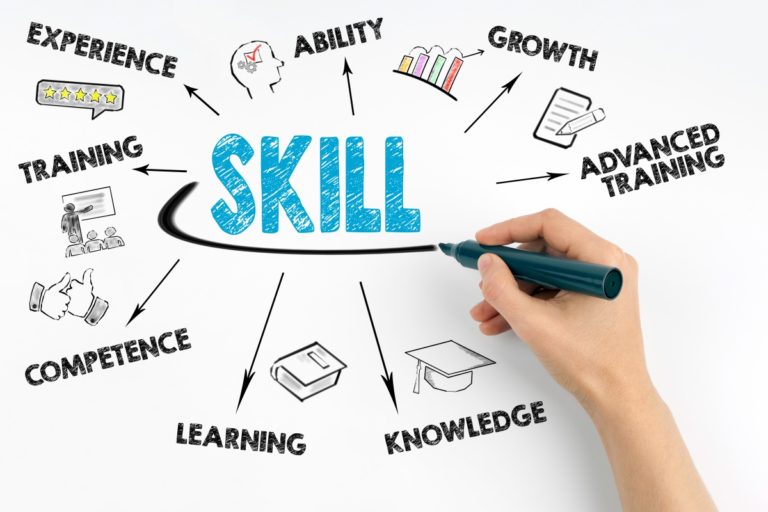
Key Takeaways
- Self-Assessment is Crucial: Understanding your current skills compared to the desired role is the first step.
- Technical and Soft Skills Matter: Both hard and interpersonal skills play a significant role in career advancement.
- Continuous Learning and Networking: Ongoing education and building professional relationships are essential for bridging skill gaps.
Defining the Future Role
Understanding the Desired Position
Embarking on a career advancement journey begins with a clear definition of the role you aspire to. This involves not only identifying the job title but also comprehensively understanding the responsibilities, expectations, and the industry landscape associated with that position. By meticulously researching job descriptions, industry reports, and engaging with professionals in the field, you can gain a nuanced understanding of what the role entails.
Identifying Key Skills and Competencies
Once the role is clearly defined, the next step involves delineating the essential skills required. These skills can be broadly categorized into technical (hard) skills and soft skills:
Technical Skills
Technical skills are specific, teachable abilities that can be measured and are often acquired through education or training. Examples include proficiency in software development, data analysis, cybersecurity, cloud computing, and specialized certifications relevant to the industry.
Soft Skills
Soft skills refer to interpersonal attributes and competencies that influence how effectively individuals interact with others. These include leadership, communication, problem-solving, adaptability, and teamwork. Such skills are crucial for fostering a collaborative and productive work environment.
Conducting a Self-Assessment
Evaluating Current Skills and Qualifications
Self-assessment is an introspective process where you evaluate your existing skills and qualifications in relation to the requirements of your desired role. This involves:
Reflecting on Past Experiences
Analyze your previous work experiences, educational background, and any volunteer activities to identify the skills you have acquired. Consider your achievements and the challenges you have overcome, as these often highlight your strengths and areas for improvement.
Seeking Feedback
Obtaining feedback from mentors, colleagues, or supervisors can provide external perspectives on your strengths and areas that may need development. Constructive feedback is invaluable for identifying blind spots and gaining insights into how others perceive your capabilities.
Using Assessment Tools
There are various assessment tools and platforms that can help evaluate your skills objectively. These tools often provide detailed reports on your proficiency levels in different areas, helping you to pinpoint specific skill gaps.
Identifying Skill Gaps
Technical Skill Gaps
Technical skill gaps are deficiencies in the specific technical abilities required for the desired role. Common technical skill gaps include:
- Proficiency in specific programming languages or software tools.
- Advanced data analysis and interpretation capabilities.
- Knowledge of emerging technologies such as artificial intelligence and machine learning.
- Understanding of cybersecurity principles and practices.
- Experience with cloud computing platforms and services.
Soft Skill Gaps
Soft skill gaps pertain to the interpersonal and emotional intelligence aspects necessary for effective collaboration and leadership. Common soft skill gaps include:
- Leadership and team management abilities.
- Effective communication and public speaking skills.
- Critical thinking and problem-solving capabilities.
- Adaptability and resilience in dynamic work environments.
- Time management and organizational skills.
Experience Gaps
Experience gaps are shortages in relevant work history or practical exposure to specific roles or industries. These can include:
- Limited experience in leadership roles or project management.
- Insufficient exposure to international or multicultural work settings.
- Lack of hands-on experience with industry-specific tools or methodologies.
- Few opportunities to engage in strategic planning or decision-making processes.
Developing a Plan to Bridge Skill Gaps
Continuous Learning and Education
Addressing skill gaps requires a proactive approach to learning and development. This can be achieved through:
- Enrolling in relevant courses, workshops, or certification programs to acquire new technical skills.
- Participating in seminars, webinars, and industry conferences to stay updated with the latest trends and advancements.
- Engaging in self-directed learning through online platforms, tutorials, and reading materials.
Gaining Practical Experience
Practical experience is essential for applying theoretical knowledge in real-world scenarios. Strategies to gain experience include:
- Taking on freelance projects or internships that provide hands-on experience in the desired field.
- Volunteering for initiatives or projects within your current organization to develop new skills.
- Collaborating on cross-functional teams to enhance teamwork and project management skills.
Networking and Mentorship
Building a professional network can open doors to new opportunities and provide guidance for career growth. This can be facilitated by:
- Connecting with industry professionals through networking events, professional associations, and online platforms.
- Seeking mentorship from experienced individuals who can offer insights and advice based on their career journeys.
- Participating in professional forums and discussion groups to exchange knowledge and stay informed about industry developments.
Setting Clear Goals and Tracking Progress
Establishing clear, achievable goals is vital for effective skill development. Steps include:
- Defining specific, measurable, attainable, relevant, and time-bound (SMART) goals related to skill acquisition.
- Creating a structured timeline to achieve these goals, ensuring consistent progress.
- Regularly reviewing and adjusting goals based on progress and changing career aspirations.
Implementing the Skill Development Plan
Prioritizing Skill Acquisition
Not all skills may be of equal importance. Prioritizing which skills to develop first can lead to more effective and timely career advancement. Consider the following:
- Identifying which skills are most critical for the desired role.
- Assessing which skills will provide the most significant impact on your performance and opportunities.
- Balancing the acquisition of both technical and soft skills to ensure well-rounded professional growth.
Utilizing Available Resources
Leveraging the right resources can facilitate efficient learning and development. Resources may include:
- Online learning platforms such as Coursera, Udemy, and LinkedIn Learning for flexible course options.
- Industry-specific publications, journals, and blogs to stay informed about the latest trends and best practices.
- Professional organizations and associations that offer workshops, certifications, and networking opportunities.
Seeking Feedback and Adjusting the Plan
Continuous improvement involves regularly seeking feedback and being willing to adjust your development plan as needed. This can be achieved by:
- Soliciting feedback from mentors, peers, and supervisors on your progress and areas for improvement.
- Reflecting on your own experiences and identifying what strategies are working or need modification.
- Being adaptable and open to changing your learning strategies based on feedback and new opportunities.
Monitoring Progress and Sustaining Growth
Tracking Milestones
Keeping track of your progress is essential for maintaining motivation and ensuring that you are on the right path towards bridging your skill gaps. This can be done by:
- Setting up regular check-ins to review your progress against your goals.
- Using tools such as journals, spreadsheets, or project management software to document achievements and milestones.
- Celebrating small victories to maintain a positive outlook and sustain momentum.
Adjusting Goals as Needed
As you progress, you may find that certain goals need to be adjusted based on new insights or changing circumstances. It's important to:
- Reassess your goals periodically to ensure they remain aligned with your career aspirations.
- Be flexible in modifying your plans to accommodate new opportunities or shifts in the industry.
- Ensure that your development plan evolves along with your personal and professional growth.
Maintaining a Growth Mindset
A growth mindset fosters resilience and a willingness to embrace challenges as opportunities for development. To cultivate this mindset:
- Embrace challenges and view failures as learning experiences.
- Stay curious and proactive in seeking out new knowledge and experiences.
- Encourage continuous self-improvement and a commitment to lifelong learning.
Example Skill Development Plan
Table: Sample Skill Development Plan
| Skill | Current Proficiency | Target Proficiency | Action Steps | Timeline |
|---|---|---|---|---|
| Data Analysis (Python) | Intermediate | Advanced | Complete advanced Python courses, work on data projects | 6 months |
| Leadership | Basic | Proficient | Lead a small team project, attend leadership workshops | 9 months |
| Communication | Good | Excellent | Participate in public speaking events, seek feedback | 4 months |
| Cloud Computing (AWS) | Beginner | Intermediate | Enroll in AWS certification program, practice with projects | 8 months |
| Strategic Planning | Basic | Proficient | Assist in developing strategic plans, attend strategy seminars | 12 months |
Overcoming Common Challenges
Balancing Skill Development with Current Responsibilities
One of the primary challenges in bridging skill gaps is managing time effectively while fulfilling existing job responsibilities. Strategies to address this include:
- Creating a realistic schedule that allocates specific times for learning and development activities.
- Prioritizing tasks to ensure that essential responsibilities are met without compromising on skill development.
- Seeking support from employers or mentors to find a balance between work and learning commitments.
Maintaining Motivation and Commitment
Sustaining motivation over an extended period can be challenging. To stay committed:
- Set short-term goals that provide a sense of accomplishment and keep you motivated.
- Find a study group or learning community to share progress and encourage each other.
- Remind yourself of the long-term benefits and career advancements that will result from bridging your skill gaps.
Accessing Resources and Support
Access to quality resources and support systems plays a crucial role in effective skill development. Consider the following:
-
Identify and utilize available resources such as online courses, workshops, and libraries.
-
Engage with mentors or coaches who can provide guidance and support throughout your development journey.
-
Leverage employer-sponsored training programs or tuition reimbursement options where available.
Conclusion
Identifying and addressing skill gaps is a pivotal process in advancing your career and preparing for future roles. By conducting a thorough self-assessment, recognizing both technical and soft skill deficiencies, and implementing a structured development plan, you can effectively bridge these gaps. Continuous learning, practical experience, and strategic networking are integral components of this journey, ensuring that you remain competitive and adaptable in an ever-evolving professional landscape. Commitment to personal and professional growth not only enhances your capabilities but also positions you for long-term success and fulfillment in your chosen career path.
References
For further reading and resources, please refer to the following links:
Last updated February 11, 2025