
Impact of Proposed Tariffs on Computer Chips, Pharmaceuticals, Steel, Aluminum, and Copper on America
Analyzing the Economic and Industrial Consequences of Upcoming Tariffs
Key Takeaways
- Economic Strain on Consumers and Industries: Tariffs will increase the cost of imported goods, leading to higher consumer prices and increased production costs for various industries.
- Supply Chain Disruptions: Established global supply chains may face significant disruptions, forcing businesses to seek alternative sources and potentially reducing efficiency.
- Trade Relations and Retaliation: Imposing tariffs could strain international trade relationships, inviting retaliatory measures that may harm American exports and broader economic growth.
Economic Impact
Increased Consumer Prices
Imposing tariffs on computer chips, pharmaceuticals, steel, aluminum, and copper will lead to higher prices for a broad range of consumer goods. For instance, tariffs on computer chips can make electronics like smartphones and laptops more expensive, while tariffs on pharmaceuticals will increase the cost of medications, potentially affecting healthcare affordability for American households. Similarly, higher costs for steel and aluminum will elevate the prices of automobiles, appliances, and construction materials, reducing consumer purchasing power and slowing economic growth.
Impact on Domestic Industries
While the tariffs aim to protect and stimulate domestic production in targeted sectors, the broader economic implications can be detrimental to other industries that rely on these imports as essential inputs. For example, the electronics manufacturing sector may face increased production costs due to higher chip prices, leading to reduced competitiveness and potential job losses. In the construction and automotive industries, elevated material costs will increase overall production expenses, which may either be absorbed by companies, leading to reduced profit margins, or passed on to consumers.
Supply Chain Disruptions
The U.S. economy is deeply integrated into global supply chains, especially in high-tech and manufacturing industries. Tariffs on key materials like computer chips, steel, aluminum, and copper can disrupt these supply chains by making imported inputs more expensive or harder to obtain. Companies may need to find new suppliers, often at higher costs and with potential delays, which can hinder production efficiency and lead to shortages of essential components. This disruption could particularly impact industries reliant on just-in-time manufacturing processes.
Inflationary Pressures
Higher import costs due to tariffs can contribute to overall inflation in the economy. As businesses pass on the increased costs to consumers, the prices of goods and services rise, reducing real income and purchasing power. Persistent inflation may prompt the Federal Reserve to adopt tighter monetary policies, such as increasing interest rates, which can further slow economic growth and investment.
Employment Effects
The impact of tariffs on employment is multifaceted. While some jobs may be created in the protected industries due to increased domestic production, other sectors may experience job losses. Industries that depend on imported materials will face higher costs, potentially leading to layoffs or reduced hiring. Additionally, if retaliatory tariffs are imposed by other countries, American exporters may suffer, leading to further job losses in export-dependent industries.
Trade Relations and Retaliation
Strained International Trade Relationships
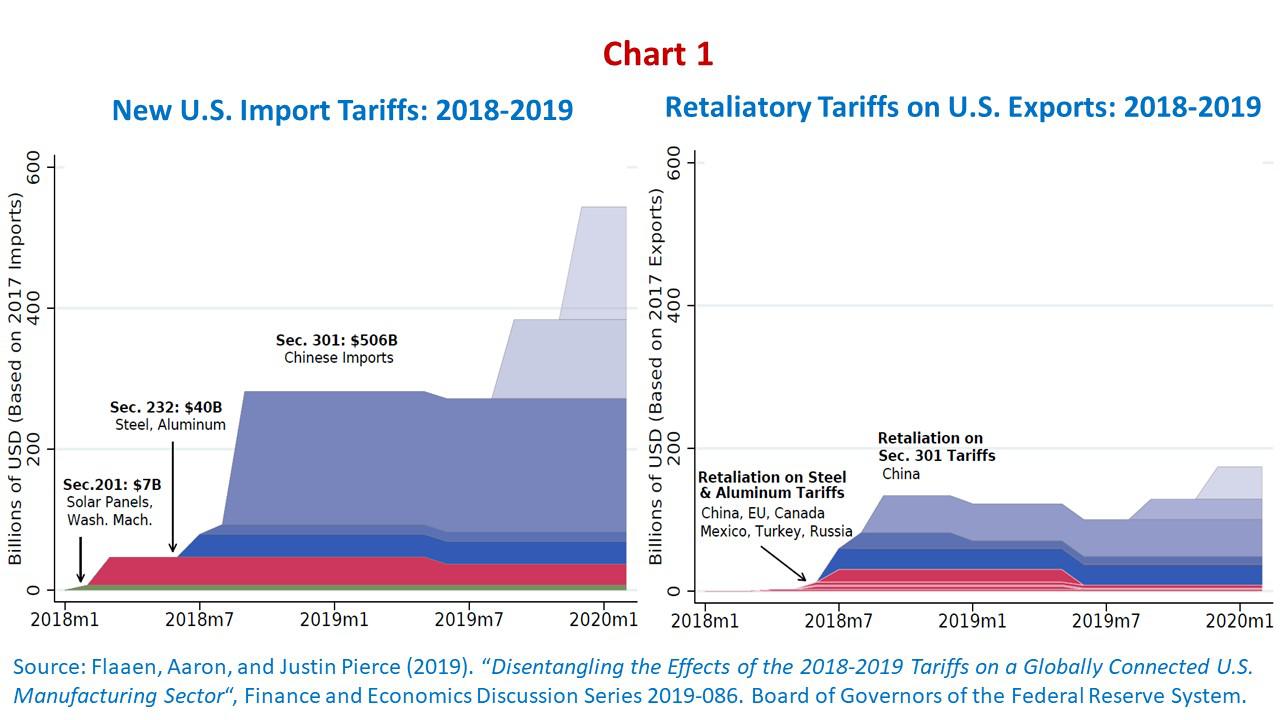
Imposing tariffs on major imports like computer chips, pharmaceuticals, steel, aluminum, and copper is likely to strain America's trade relationships with key partners. Countries affected by these tariffs may respond with their own tariffs on U.S. exports, leading to a tit-for-tat trade war. Such scenarios have historically resulted in reduced exports, lower GDP growth, and increased uncertainty in global markets.
Retaliatory Measures
Retaliatory tariffs from other nations can target American exports, including agricultural products, manufacturing goods, and services. For example, a country affected by U.S. tariffs on materials might impose tariffs on American agricultural exports, harming farmers and related industries. This retaliation can create a wave of economic downturns across various sectors, exacerbating the negative effects of the initial tariffs.
Impact on Global Supply Chains
Global supply chains are highly interconnected, and tariffs can disrupt the flow of goods and services across borders. Companies may need to reconfigure their supply chains to mitigate tariff impacts, which can lead to increased costs and delays. These adjustments can also reduce the overall efficiency and competitiveness of U.S. businesses in the global market.
Industrial and Market Effects
Domestic Manufacturing Incentives
The primary objective of imposing tariffs is to incentivize domestic manufacturing by making imported goods more expensive. This could lead to increased investment in local production facilities, potentially creating jobs and fostering the growth of critical industries like semiconductor manufacturing and pharmaceuticals. However, establishing new manufacturing plants is time-consuming and capital-intensive, meaning the benefits may not be immediate and could take years to materialize.
Market Volatility
The announcement and implementation of tariffs can lead to significant market volatility. Financial markets may react negatively to the uncertainty and potential economic slowdown, leading to fluctuations in stock prices, currency values, and investment flows. For instance, the U.S. Dollar Index may experience volatility as investors adjust to changing trade dynamics and economic forecasts.
Technological Competition
Tariffs on computer chips come at a critical time when technological competition is fierce, especially with advancements in AI and semiconductor technology by foreign companies. This can pressure U.S. tech firms to innovate more aggressively to maintain their competitive edge. While this competition could drive technological advancements, it may also lead to increased R&D costs and potential resource allocation away from other important areas.
Supply Chain Adjustments
Businesses may need to restructure their supply chains to comply with new tariff regulations, which can lead to short-term disruptions. Companies might seek alternative suppliers, relocate production facilities, or diversify their sourcing strategies to mitigate the impact of tariffs. While these adjustments can enhance long-term supply chain resilience, they require significant investment and strategic planning, which may not be feasible for smaller businesses.
Regional and Sectoral Impact
Regional Economic Disparities
The impact of tariffs will vary across different regions of the United States. States with economies heavily reliant on imported materials, such as California, may face more significant economic challenges due to increased costs and supply chain disruptions. In contrast, regions with strong domestic production capabilities in the targeted industries might experience more job creation and economic growth. However, the overall national economy may still face challenges despite regional variations.
Impact on Specific Industries
-
Electronics and Technology: Higher costs for computer chips will increase the production costs for consumer electronics, potentially reducing sales and profitability for tech companies. Long-term innovation may be hindered if companies struggle to afford essential components.
-
Pharmaceuticals: Tariffs on pharmaceutical imports will raise medication prices, affecting accessibility and affordability for consumers. This could strain the healthcare system and lead to reduced demand for certain medications.
-
Construction and Automotive: Increased costs for steel and aluminum will elevate expenses in construction projects and automotive manufacturing, potentially slowing down infrastructure development and vehicle production.
-
Manufacturing and Defense: Higher input costs for metals and other materials will impact manufacturing sectors, including defense manufacturing, leading to increased costs and potentially reduced production capacity.
Employment Dynamics
While tariffs may create jobs in protected industries through increased domestic production, they are likely to cause job losses in sectors that depend on imported materials. For instance, manufacturers reliant on affordable imported computer chips might reduce their workforce due to higher production costs. Similarly, higher pharmaceutical prices can reduce demand, leading to potential layoffs in that sector. The overall employment effect is complex, with a mix of job creation and destruction across different industries.
Broader Economic Risks
Inflationary Pressures
Tariffs can contribute to higher overall inflation by increasing the cost of imported goods and materials. This inflationary pressure reduces consumers' real income, leading to decreased spending and potentially slowing economic growth. Persistent inflation may force the Federal Reserve to implement tighter monetary policies, such as raising interest rates, which can further dampen economic activity and investment.
Trade Deficits and Economic Growth
Tariffs are intended to reduce trade deficits by making imports more expensive and encouraging domestic production. However, if retaliatory tariffs lead to reduced exports, the overall trade balance may not improve as intended. Moreover, decreased export growth can negatively impact GDP, leading to slower overall economic growth despite potential gains in specific industries.
Long-Term Competitiveness
While tariffs aim to protect and stimulate domestic industries, they may inadvertently reduce the competitiveness of American businesses in the global market. Higher production costs can make U.S. products less attractive to international buyers, potentially leading to a loss of market share. In the long term, this reduced competitiveness can hinder the growth and innovation of American industries.
Conclusion
The decision to impose tariffs on computer chips, pharmaceuticals, steel, aluminum, and copper carries significant and multifaceted implications for the American economy. While the intention behind these tariffs is to protect domestic industries and encourage local production, the broader economic impacts include increased consumer prices, disrupted supply chains, strained international trade relations, and potential job displacement in non-targeted sectors. Additionally, retaliatory measures by trade partners can further exacerbate economic challenges, leading to reduced exports and overall slower economic growth. Policymakers must carefully weigh these potential consequences against the intended benefits, ensuring that supportive measures accompany tariff implementations to mitigate adverse effects on consumers and businesses alike.
References
Last updated January 28, 2025