
The Importance of Supply Chain Management in Malaysia
Enhancing Business Efficiency and Competitiveness in a Strategic Southeast Asian Hub
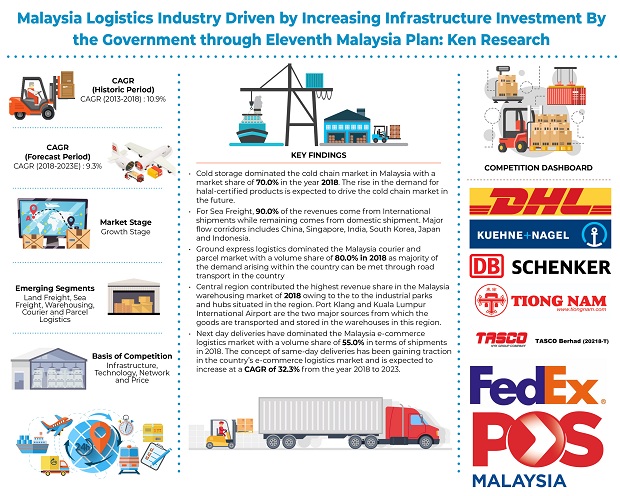
Key Takeaways
- Strategic Geographical Advantage: Malaysia's location serves as a pivotal gateway for regional and global trade.
- Operational Efficiency and Cost Reduction: Effective SCM optimizes processes, reduces costs, and enhances productivity across industries.
- Resilience and Risk Management: Robust supply chains enable businesses to navigate disruptions and maintain continuity.
Introduction
In the dynamic landscape of global commerce, Supply Chain Management (SCM) emerges as a cornerstone for business success and competitiveness. In Malaysia, a burgeoning economy with well-established trade connections, SCM is not merely a functional aspect but a strategic imperative. This comprehensive analysis delves into the multifaceted importance of SCM in Malaysia, highlighting its role in enhancing operational efficiency, reducing costs, managing risks, and fostering competitiveness in both local and international markets.
Strategic Geographical Advantage
Gateway to Southeast Asia and Beyond
Malaysia's strategic location in Southeast Asia positions it as a crucial hub for global trade. Situated along major shipping routes, Malaysia facilitates seamless access to key markets in Asia, Europe, and the Americas. This geographical advantage is leveraged through efficient SCM to optimize logistics, reduce transit times, and lower transportation costs. As a result, Malaysian businesses can effectively serve both regional and international markets, enhancing their global footprint.
Infrastructure and Connectivity
The country's robust infrastructure, including state-of-the-art ports, airports, and logistics facilities, supports the efficient movement of goods. Investments in infrastructure development, such as the RM28 billion port project, underscore Malaysia's commitment to strengthening its supply chain capabilities. Enhanced connectivity ensures that businesses can maintain uninterrupted operations, adapt to market demands swiftly, and sustain competitive advantages.
Operational Efficiency and Cost Reduction
Process Optimization
Effective SCM plays a pivotal role in streamlining business operations. From procurement and production to distribution and delivery, SCM ensures that each segment of the supply chain operates synergistically. This cohesion minimizes redundancies, accelerates workflows, and enhances overall efficiency. By optimizing processes, Malaysian businesses can achieve significant cost savings, allowing them to offer competitive pricing without compromising profit margins.
Inventory Management
Proper inventory management is a critical component of SCM. It involves maintaining optimal inventory levels to meet customer demand while minimizing holding costs. Advanced inventory management systems enable businesses to track stock movements accurately, predict demand trends, and adjust procurement strategies accordingly. This balance reduces excess inventory, lowers storage costs, and prevents stockouts, thereby enhancing customer satisfaction.
Technological Integration
The adoption of cutting-edge technologies such as Enterprise Resource Planning (ERP) systems, automation tools, and data analytics platforms is integral to modern SCM. These technologies facilitate real-time data sharing, improve supply chain visibility, and enable informed decision-making. In Malaysia, industries like electronics, automotive, and palm oil leverage these technologies to enhance their supply chain operations, resulting in increased productivity and reduced operational costs.
Risk Management and Resilience
Anticipating and Mitigating Disruptions
Supply chains are inherently vulnerable to various risks, including geopolitical tensions, natural disasters, economic fluctuations, and pandemics. Robust SCM strategies equip Malaysian businesses to anticipate potential disruptions and implement contingency plans. By diversifying suppliers, maintaining flexible logistics networks, and investing in risk assessment tools, companies can sustain operations despite unforeseen challenges.
Building Resilient Supply Chains
Resilience in SCM refers to the ability of supply chains to recover swiftly from disruptions. In Malaysia, enhancing supply chain resilience involves integrating agile practices, fostering strong supplier relationships, and continuously evaluating and improving supply chain processes. Resilient supply chains not only withstand disruptions but also adapt to evolving market conditions, ensuring long-term sustainability and reliability.
Customer Satisfaction and Market Responsiveness
Timely Delivery and Quality Assurance
Customer satisfaction is a direct outcome of effective SCM. Ensuring that products and services reach customers on time and maintain high-quality standards fosters trust and loyalty. In Malaysia, businesses prioritize efficient logistics and quality control mechanisms to meet customer expectations consistently. This focus on reliability enhances brand reputation and drives repeat business.
Adaptability to Market Changes
Markets are dynamic, with consumer preferences and demand patterns continuously evolving. SCM enables Malaysian businesses to remain agile and responsive to these changes. By leveraging real-time data and predictive analytics, companies can adjust their supply chain strategies swiftly, align with market trends, and capitalize on emerging opportunities. This adaptability is crucial for sustaining competitiveness in a fast-paced global marketplace.
Industry-Specific SCM Applications
Electronics and Manufacturing
The electronics industry in Malaysia relies heavily on efficient SCM to manage complex supply chains involving numerous components and suppliers. Companies like Malaysia Semiconductor optimize their supply chains to reduce lead times, enhance component sourcing, and ensure the timely production of finished goods. This efficiency is vital for maintaining competitiveness and meeting the high standards of global customers.
Automotive Sector
The automotive industry benefits from SCM through streamlined production processes, effective supplier management, and optimized distribution networks. Proton Holdings, for example, employs SCM strategies to enhance production efficiency, reduce costs, and maintain a strong market presence. By ensuring seamless coordination across the supply chain, automotive companies can deliver high-quality vehicles while controlling expenses.
Palm Oil Industry
Malaysia's palm oil sector utilizes SCM to manage the complexities of agricultural supply chains, including cultivation, harvesting, processing, and distribution. Sime Darby Plantation implements SCM strategies to optimize transportation, minimize inventory holding costs, and ensure the sustainability of its operations. Effective SCM in the palm oil industry contributes to environmental sustainability, regulatory compliance, and market competitiveness.
Technological Advancements in SCM
Digital Transformation
Digital technologies are revolutionizing SCM by enhancing transparency, efficiency, and connectivity. Malaysia's push towards digital transformation in logistics includes the adoption of e-procurement systems, automated warehouses, and blockchain for supply chain traceability. These technologies facilitate real-time monitoring, reduce manual errors, and enable seamless information flow across the supply chain.
Industry 4.0 and Automation
Industry 4.0 technologies, including artificial intelligence (AI), the Internet of Things (IoT), and robotics, are integral to modern SCM. In Malaysia, businesses integrate these technologies to automate repetitive tasks, predict maintenance needs, and enhance decision-making processes. Automation not only boosts productivity but also allows companies to respond swiftly to market demands and operational challenges.
Government Initiatives and Policy Support
Strategic Policies and Investments
The Malaysian government plays a pivotal role in fostering robust SCM through strategic policies and substantial investments in infrastructure. Initiatives aimed at diversifying supply chains, enhancing logistics capabilities, and supporting technological adoption are central to Malaysia's economic strategy. Government support ensures that businesses have the necessary resources and frameworks to develop and maintain efficient supply chains.
Incentives for Supply Chain Innovation
To encourage innovation in SCM, the Malaysian government offers various incentives, including tax breaks, grants, and funding programs for businesses investing in advanced supply chain technologies. These incentives lower the barriers to adopting new SCM practices and technologies, enabling companies to enhance their operations and stay competitive in a rapidly evolving global market.
Challenges and Future Opportunities
Supply Chain Disruptions
Despite its strategic advantages, Malaysia faces challenges such as supply chain disruptions caused by labor shortages, climate change, and geopolitical tensions. These disruptions can lead to significant economic losses, estimated at RM8.7 billion annually. Addressing these challenges requires continuous improvement in SCM practices, investment in resilient infrastructure, and the adoption of proactive risk management strategies.
E-Commerce and SCM Innovation
The rise of e-commerce presents both challenges and opportunities for SCM in Malaysia. The increased demand for rapid delivery and personalized services necessitates innovations in supply chain processes. Businesses are adopting omni-channel strategies, enhancing last-mile delivery solutions, and utilizing data analytics to manage inventory and forecast demand accurately. These innovations are essential for meeting the evolving expectations of today's digital-savvy consumers.
Sustainable Supply Chain Practices
Environmental sustainability is becoming increasingly important in SCM. Malaysian businesses are integrating sustainable practices into their supply chains, such as reducing carbon emissions, minimizing waste, and sourcing environmentally friendly materials. Sustainable supply chains not only contribute to environmental conservation but also align with global regulatory standards and consumer preferences, thereby enhancing brand reputation and marketability.
Table: Key Benefits of Supply Chain Management in Malaysian Industries
| Industry | SCM Benefits |
|---|---|
| Electronics | Reduced lead times, optimized component sourcing, enhanced production efficiency |
| Automotive | Improved supplier coordination, cost reduction, strengthened market presence |
| Palm Oil | Optimized transportation, minimized inventory costs, ensured sustainability |
| E-Commerce | Efficient inventory management, rapid delivery, personalized customer experiences |
Conclusion
Supply Chain Management is undeniably a vital element driving the success and competitiveness of businesses in Malaysia. Leveraging the country's strategic geographical location, robust infrastructure, and technological advancements, SCM enables companies to optimize operations, reduce costs, manage risks, and enhance customer satisfaction. As Malaysia continues to position itself as a global supply chain hub, the integration of innovative SCM practices and government support will be instrumental in navigating future challenges and capitalizing on emerging opportunities. Embracing sustainable and resilient supply chains will not only bolster business performance but also contribute to Malaysia's economic growth and standing in the global market.
References
Last updated February 11, 2025