
Unlocking South Asia: Why Its Present Dynamics Shape Our Global Future
Discover the critical geopolitical, economic, and cultural forces making South Asia indispensable to understand today.
Key Insights: Why South Asia Matters Now
- Geopolitical Nexus: South Asia stands at the crossroads of major global power interests, deeply influencing Indo-Pacific strategies and international security dynamics.
- Economic Powerhouse: As one of the world's fastest-growing regions, its economic trajectory, trade potential, and development challenges have significant global implications.
- Demographic & Cultural Hub: Home to over two billion people and ancient civilizations, the region's societal trends, cultural diversity, and environmental concerns resonate worldwide.
The Geopolitical Crucible: South Asia on the World Stage
Understanding South Asia today is paramount due to its pivotal and increasingly complex role in global geopolitics. The region is far more than a collection of nations; it's a dynamic theater where historical legacies, economic ambitions, and strategic rivalries converge, shaping international relations and security landscapes.
A Arena for Great Power Competition
Navigating Rivalries
South Asia has emerged as a critical arena for competition among major global powers, particularly the United States, China, and India. China's expanding economic and political influence, notably through initiatives like the Belt and Road Initiative (BRI), is reshaping traditional power balances and presenting challenges to India's regional prominence and U.S. interests. Countries like Pakistan, Bangladesh, Sri Lanka, and Nepal find themselves navigating these complex relationships, making the region a focal point for understanding 21st-century great power dynamics.
The Indo-Pacific Linchpin
The region is integral to the broader Indo-Pacific strategic framework. Its maritime routes, proximity to vital energy resources in the Middle East, and land connections to Central Asia grant it immense strategic value. Developments within South Asia, from security cooperation to trade agreements, directly impact the stability and trajectory of the Indo-Pacific, a region central to global economic and security interests. U.S. foreign policy, as highlighted by the Bureau of South and Central Asian Affairs, increasingly emphasizes cooperation within this framework, underscoring the need for dedicated strategies to engage with South Asian nations effectively.
Historical Context and Evolving Roles
South Asia's strategic significance is not new, having played a role since the Cold War. However, its contemporary importance is amplified by the rise of its constituent nations, particularly India, on the global stage. The region is home to a vast, young, and increasingly politically aware population conscious of its growing geopolitical weight. Yet, this potential is tempered by persistent governance challenges, internal conflicts, and security threats, including the long-standing India-Pakistan tensions and the ongoing instability related to Afghanistan.
Economic Vibrancy and Developmental Hurdles
South Asia stands out as one of the most dynamic economic regions globally, yet it simultaneously grapples with significant developmental challenges. Studying its economic landscape provides crucial insights into global growth patterns, trade dynamics, poverty reduction efforts, and the complexities of sustainable development.
A Hub of Growth and Potential
Rapid Economic Expansion
Despite recent global headwinds, South Asia is projected to maintain robust economic growth, with the World Bank forecasting around 5.8% growth in 2025. Countries like India and Bangladesh are key drivers of this expansion. This dynamism presents opportunities for international trade, investment, and innovation. The region's large and youthful population represents a significant potential demographic dividend, capable of fueling labor markets and consumption globally.
Manufacturing Renaissance?
As global supply chains shift and economies transition, South Asia is exploring opportunities to enhance its manufacturing capabilities. There's potential for a "manufacturing renaissance," positioning the region as an alternative production hub. However, realizing this potential requires significant reforms and investment in infrastructure and skills development.

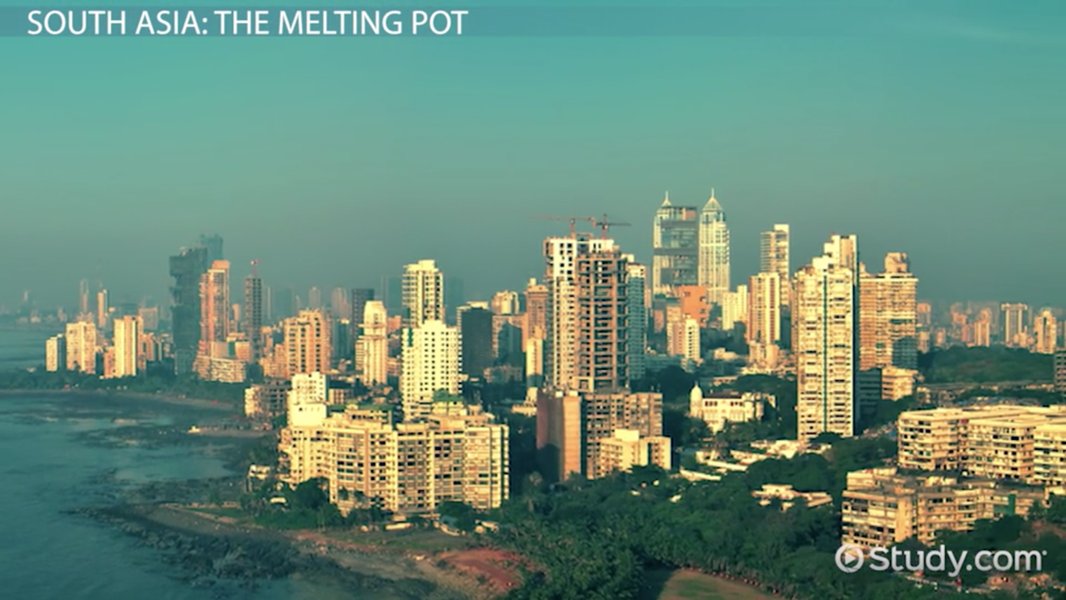
Rapid urbanization is transforming South Asian cities, presenting both opportunities and challenges for sustainable development.
Persistent Challenges
Integration and Trade Barriers
Despite its potential, South Asia remains one of the least economically integrated regions in the world. Intra-regional trade accounts for only about 5% of its total trade, significantly lower than other regions like East Asia or Europe. Overcoming historical mistrust and logistical barriers to enhance regional trade and cooperation is a critical challenge.
Urbanization and Inequality
Rapid urbanization is reshaping South Asian societies, but it's often described as "messy and hidden." Many cities struggle with inadequate infrastructure, service delivery gaps, and rising inequality. Addressing these urban challenges requires substantial policy reforms to ensure that growth is inclusive and sustainable. Poverty and deprivation remain significant issues across the region, demanding continued focus from national governments and international development partners.
Labor Migration Dynamics
Labor migration, both within and outside the region, is a vital economic lifeline and coping mechanism for millions. The COVID-19 pandemic highlighted the vulnerabilities associated with migration. Policies aimed at reducing migration risks and addressing barriers are essential for enhancing the resilience of households and economies.
Society, Culture, and Demographics: A Diverse Tapestry
South Asia is not just a geopolitical or economic entity; it is a cradle of ancient civilizations and a vibrant mosaic of cultures, languages, and religions. Its societal dynamics and demographic weight have profound global implications.
The diverse geography of South Asia hosts a rich tapestry of cultures and civilizations.
A Population Powerhouse
With over 2 billion inhabitants, South Asia is home to roughly a quarter of the world's population. This sheer demographic scale influences global trends in consumption, labor markets, migration patterns, and environmental stress. The region's youthful demographic profile presents both immense potential for growth and significant challenges related to education, employment, and resource management.
Cultural and Religious Heritage
South Asia is the birthplace of major world religions, including Hinduism, Buddhism, Jainism, and Sikhism, and is also home to vast Muslim populations and significant Christian communities. This deep religious and cultural diversity shapes identities, social structures, and political landscapes within the region and resonates globally through diaspora communities. Studying South Asia offers invaluable insights into religious pluralism, cultural exchange, and the evolution of traditions in a modern context.
The Global Diaspora
Millions of people of South Asian origin live across the globe, forming influential diaspora communities. These communities maintain strong ties to their homelands and play significant roles in the economies and cultures of their host countries. Understanding the South Asian diaspora is crucial for comprehending transnational networks, hybrid identities, and the flow of ideas, capital, and culture across borders.
Navigating Security and Environmental Frontiers
South Asia faces a complex array of traditional and non-traditional security threats, alongside pressing environmental challenges that demand regional and global attention. Studying these issues is vital for promoting peace, stability, and sustainability.
A Complex Security Landscape
Enduring Conflicts and Tensions
The region continues to grapple with long-standing security challenges. The India-Pakistan rivalry, rooted in historical disputes and marked by nuclear capabilities, remains a major source of regional instability. Internal conflicts, insurgencies, and the threat of terrorism persist in various parts of the region. The situation in Afghanistan, following the withdrawal of international forces, has significant security implications for its neighbors and beyond.
Emerging Security Concerns
Beyond traditional military threats, South Asia faces growing non-traditional security challenges. Water scarcity, exacerbated by climate change and transboundary river disputes, is becoming a critical issue. Climate vulnerability, including sea-level rise, extreme weather events, and glacial melt in the Himalayas, poses existential threats to millions and can potentially trigger instability and migration.
Environmental Imperatives
Tackling Pollution and Climate Change
Environmental degradation is a major concern across South Asia. Issues like severe air pollution in major cities, plastic waste overwhelming ecosystems, and deforestation require urgent attention. There are growing calls for coordinated regional approaches, such as Bangladesh's push for collective action against plastic pollution, to combat these shared threats effectively.
The Energy Transition
The region is also navigating the complexities of a low-carbon energy transition. Balancing developmental needs with climate mitigation goals presents significant challenges. Collective regional efforts and international support are crucial for overcoming obstacles and accelerating the shift towards sustainable energy systems.
Comparative Importance Factors: A Regional Assessment
To better visualize the multi-faceted importance of studying South Asia, the following radar chart assesses key dimensions based on their current global and regional impact. These scores represent a qualitative assessment based on the synthesis of expert analyses, reflecting the relative prominence and urgency of each factor in 2025. Factors are scored on a scale indicating their perceived level of critical importance, where a higher score signifies greater contemporary relevance for global understanding.
This chart illustrates the high degree of importance across multiple domains. Geopolitical significance and demographic impact score highest in terms of global relevance, while security challenges and integration issues are particularly critical for regional stability. Economic potential remains strong, while cultural influence and environmental vulnerability are significant, interconnected factors demanding attention.
Mapping the Interconnections: Key Themes in South Asian Studies
The importance of studying South Asia stems from a complex web of interconnected factors. The mindmap below provides a visual overview of the core themes and their relationships, highlighting why a multi-faceted approach is necessary to grasp the region's significance.
South Asia (Present)"] Geopolitics["Geopolitics"] GP1["Strategic Location
(Indo-Pacific Nexus)"] GP2["Major Power Rivalry
(US, China, India)"] GP3["Regional Stability
& Conflict Zones (Kashmir, Afghanistan)"] GP4["International Relations
(Post-1947 Dynamics)"] Economics["Economics"] EC1["Fastest Growing Region"] EC2["Development Challenges
(Poverty, Inequality)"] EC3["Trade & Integration
(Low Intra-regional Trade)"] EC4["Urbanization Issues"] EC5["Manufacturing Potential"] EC6["Labor Migration"] SocietyCulture["Society & Culture"] SC1["Demographics
(>2 Billion People, Youth Bulge)"] SC2["Cultural Diversity
(Religions, Languages)"] SC3["Historical Civilizations"] SC4["Global Diaspora"] SC5["Social Transformations"] Security["Security"] SEC1["Traditional Threats
(India-Pakistan, Terrorism)"] SEC2["Non-Traditional Threats
(Water Security, Cyber)"] SEC3["Nuclear Dynamics"] SEC4["Peacebuilding Efforts"] Environment["Environment"] ENV1["Climate Change Vulnerability
(Sea Level, Glaciers)"] ENV2["Pollution
(Air, Plastic)"] ENV3["Resource Scarcity
(Water)"] ENV4["Energy Transition Needs"] ENV5["Regional Cooperation Calls"] Academia["Academic Relevance"] AC1["Interdisciplinary Focus"] AC2["Decolonizing Knowledge"] AC3["Policy & Development Needs"] AC4["Global South Perspectives"]
This mindmap illustrates how geopolitical tensions are intertwined with economic aspirations, societal pressures, security realities, and environmental constraints. Understanding any single aspect requires appreciating its connections to the others, reinforcing the need for comprehensive study.
Challenges and Opportunities: A Comparative Overview
South Asia presents a complex mix of significant challenges and potential opportunities. The following table summarizes some key areas, highlighting the duality that makes the region so crucial to study for policymakers, businesses, and researchers aiming to understand contemporary global dynamics.
| Domain | Key Challenges | Key Opportunities |
|---|---|---|
| Geopolitics | Major power rivalries; Regional conflicts (e.g., Kashmir); Instability (e.g., Afghanistan spillover); Historical mistrust hindering cooperation. | Strategic partnerships; Enhanced regional cooperation (e.g., SAARC revitalization); Collective security frameworks; Leverage in global forums. |
| Economics | Poverty and inequality; Low intra-regional trade; Infrastructure deficits; "Messy" urbanization; Job creation for youth bulge. | Rapid economic growth; Large consumer market; Potential manufacturing hub; Demographic dividend; Digital transformation. |
| Society | Social inequalities (caste, gender); Religious and ethnic tensions; Governance deficits; Migration management. | Rich cultural diversity; Large, dynamic youth population; Growing civil society engagement; Potential for democratic innovation. |
| Environment | High vulnerability to climate change; Severe pollution (air, water, plastic); Water scarcity; Deforestation. | Renewable energy transition potential; Regional cooperation on environmental issues; Green finance opportunities; Climate resilience building. |
| Security | Inter-state tensions (India-Pakistan); Terrorism and extremism; Transnational crime; Cybersecurity threats. | Counter-terrorism cooperation; Disaster management collaboration; Maritime security initiatives; Confidence-building measures. |
This table underscores the critical balance in South Asia. Addressing the challenges effectively could unlock enormous potential, while neglecting them could exacerbate regional and global instability. Studying the interplay between these factors is essential for informed action.
Accelerating Growth: Perspectives on South Asia's Economic Potential
Understanding the economic dynamics of South Asia is crucial. The region has shown remarkable growth but faces hurdles in realizing its full potential. This video from the World Bank explores how South Asian countries can accelerate their growth trajectories, touching upon themes like trade, integration, and leveraging regional strengths.
The discussion in the video complements the economic points raised earlier, emphasizing the need for policy interventions and regional cooperation to overcome barriers and harness the area's inherent dynamism. It highlights that while South Asia has been a "bright spot," strategic actions are needed to sustain momentum and ensure inclusive prosperity, making the study of its economic policies and challenges highly relevant.
Academic Significance and Critical Perspectives
The growing global importance of South Asia has led to increased demand for academic programs and research focused on the region. Universities recognize the need to equip students with the knowledge and skills to engage with its complexities across various disciplines, including political science, anthropology, history, economics, and cultural studies.
Interdisciplinary Engagement
Effective study of South Asia necessitates an interdisciplinary approach. Understanding political developments requires insights into historical contexts and cultural nuances. Analyzing economic trends involves considering social structures and environmental constraints. Academic programs increasingly reflect this reality, fostering holistic perspectives crucial for careers in diplomacy, international development, business, and academia.
Decolonizing Knowledge
Critically, there is a growing movement within South Asian Studies to challenge historical Eurocentric biases and frameworks. Scholars emphasize the need to decolonize knowledge production, acknowledging how past academic endeavors may have served colonial or Global North interests. This involves prioritizing local narratives, addressing internal hierarchies, giving voice to marginalized communities, and moving beyond an India-centric focus to include the diverse experiences of all countries within the region. Such critical approaches are vital for a more equitable and accurate understanding.
Frequently Asked Questions (FAQs)
What countries are typically included in South Asia?
South Asia typically includes India, Pakistan, Bangladesh, Sri Lanka, Nepal, Bhutan, and the Maldives. Afghanistan is also frequently associated with the region due to strong historical, cultural, and geopolitical ties.
Why is intra-regional trade so low in South Asia?
Several factors contribute to low intra-regional trade, including historical political tensions (especially between India and Pakistan), complex trade regulations and tariffs, inadequate transport infrastructure and connectivity, and a tendency for countries to focus on trade relationships with nations outside the region.
What are the main environmental threats facing South Asia?
Key environmental threats include high vulnerability to climate change impacts (sea-level rise, glacial melt, extreme weather), severe air and water pollution, plastic waste, deforestation, and increasing water scarcity driven by climate change and resource mismanagement.
How does the demographic profile of South Asia impact its importance?
South Asia's massive and predominantly young population (over 2 billion people) makes it a significant factor in global labor markets, consumption patterns, and migration flows. This "demographic dividend" offers potential for economic growth but also presents challenges in providing education, employment, and resources, making its management crucial for regional and global stability.
Recommended Further Exploration
- What are the main challenges to economic integration in South Asia?
- How is climate change specifically impacting different countries in South Asia?
- Analyze the role of China's Belt and Road Initiative in South Asian geopolitics.
- Explore the concept of 'decolonizing' South Asian studies.
References
Last updated May 4, 2025