
Group Dynamics and Peer Support in Technical Education
Enhancing collaboration and learning outcomes through effective teamwork
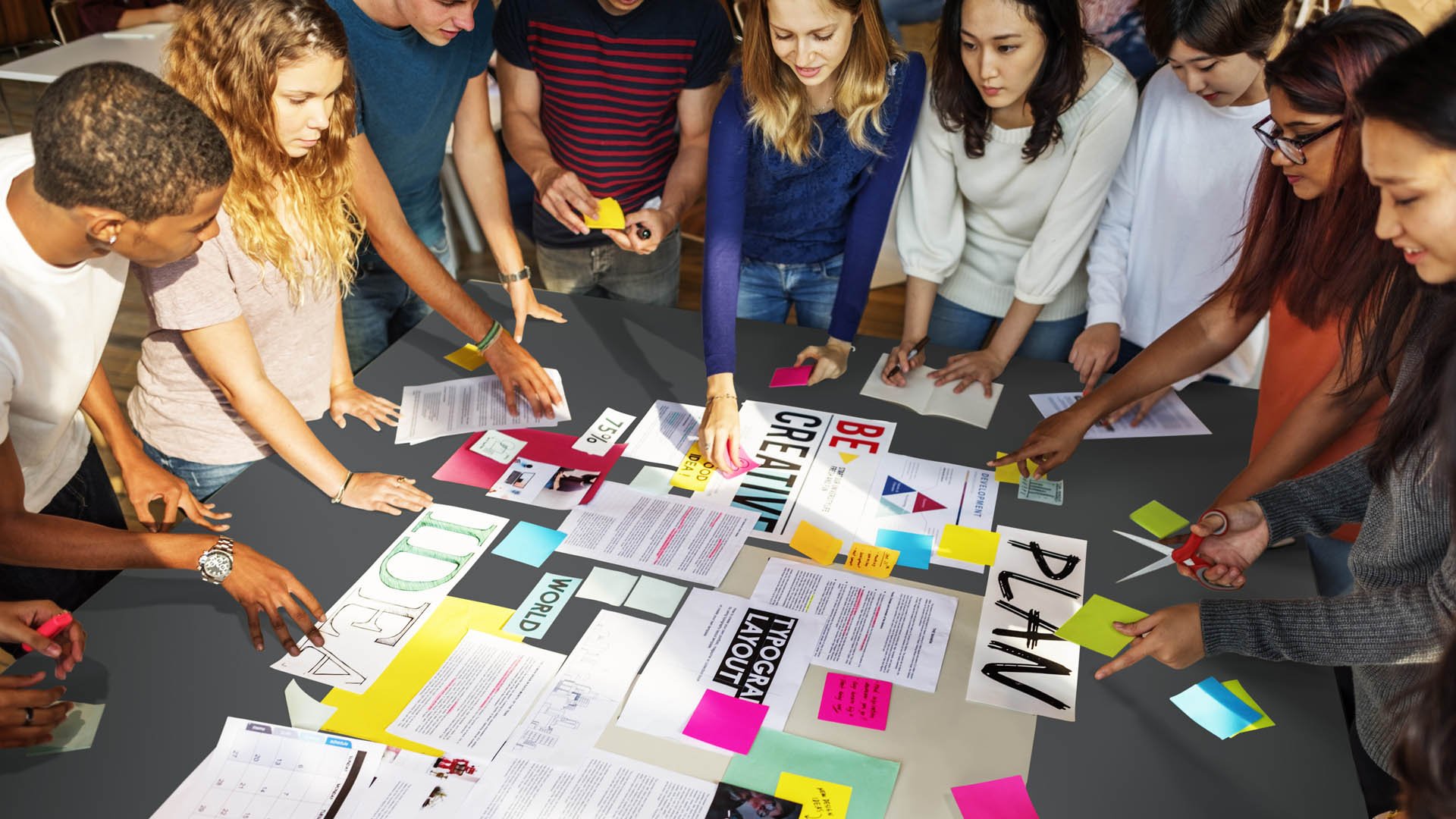
Key Highlights
- Collaboration and Communication: Emphasizing the importance of clear communication and active listening in group settings.
- Structured Peer Support: Utilizing peer mentoring, study groups, and communities of practice to enhance technical learning.
- Inclusive and Adaptive Strategies: Creating environments that address diverse perspectives and foster equitable participation.
Understanding Group Dynamics
Defining Group Dynamics
Group dynamics refer to the patterns of interaction, behaviors, and underlying processes that shape the way individuals behave in groups. In technical education, these dynamics are crucial, as they influence teamwork, problem-solving, and the overall learning environment. A well-functioning group is characterized by effective communication, clearly defined roles, and mutual respect among its members.
Factors Influencing Group Dynamics
Communication and Interaction
Open communication is a fundamental factor in establishing positive group dynamics. When students communicate effectively, they are better able to share ideas, provide feedback, and resolve conflicts. In technical settings where complex problem-solving is required, accurate and timely communication can significantly enhance group performance.
Role Definition and Leadership
Clearly defined roles—such as leader, recorder, timekeeper, and facilitator—help streamline group tasks and improve accountability. Leadership within a group can be formal or situational, with effective group dynamics often emerging from shared leadership responsibilities. Such role clarity minimizes confusion and ensures everyone contributes to the group's objectives.
Trust and Mutual Respect
Trust is the underlying glue that binds groups together. Mutual respect, built on an appreciation for diverse perspectives, enhances cooperation and encourages risk-taking in academic problem-solving. Peer learning thrives when students feel safe to express their ideas without fear of judgment.
The Role of Peer Support in Technical Education
Defining Peer Support
Peer support involves the exchange of assistance, feedback, and knowledge among students. It can be structured through formal arrangements such as mentoring programs or occur organically in environments like study groups and collaborative projects. In technical education, peer support is not only a tool for academic improvement, but it also contributes significantly to emotional and social well-being.
Mechanisms of Peer Support
Peer Mentoring
In peer mentoring, experienced students guide their less experienced counterparts through academic challenges. This relationship is mutually beneficial—mentors consolidate their understanding by teaching, and mentees gain insights into navigating complex technical subjects. Structured mentoring programs typically include regular meetings, targeted feedback sessions, and tailored guidance on project work.
Study Groups and Collaborative Learning
Study groups are informal collectives where students pool resources, discuss coursework, and prepare for assessments together. This approach to learning fosters a sense of community while enhancing problem-solving skills. It also provides a platform for discussing differing viewpoints and tackling complex subjects through collective insights.
Technical Communities of Practice
Technical communities of practice extend beyond the classroom and allow for broader interaction among peers, instructors, and industry experts. These communities serve as a valuable resource for students, offering access to real-world technical challenges, advanced tools, and professional networks. Participation in these forums can bridge the gap between academic concepts and industry practices.
Benefits and Applications in Technical Education
Enhanced Learning Outcomes
Both group dynamics and peer support contribute holistically to enhanced learning outcomes. When students engage in cooperative learning environments, they are exposed to multiple perspectives, widening their understanding of complex technical subjects. This form of collaborative learning allows for peer-to-peer explanation, which often helps clarify difficult concepts more effectively than traditional lectures.
Development of Soft Skills
In technical education, alongside mastering technical skills, students must also cultivate soft skills such as leadership, teamwork, conflict resolution, and time management. Structured group work forces students to navigate social dynamics, negotiate responsibilities, and manage collaborative tasks, providing them with a well-rounded skill set that is highly valued in professional settings.
Increased Student Engagement and Well-Being
Empowering students through peer support enhances engagement and motivation. As students witness mutual success and learn to support one another, they develop a sense of belonging, reducing the isolation often associated with technical studies. Such supportive environments not only improve academic performance but also promote mental and emotional well-being.
Practical Applications in Curriculum Design
Educators can incorporate group dynamics and peer support into the curriculum through:
- Group Projects: These assignments encourage collaboration and allow students to apply theoretical knowledge in practical contexts.
- Workshop Sessions: Hands-on workshops that simulate real-world technical challenges are perfect opportunities for group problem-solving and peer mentoring.
- Peer-Led Seminars: Students can prepare and deliver presentations, facilitating learning for both the presenter and the audience.
- Digital Collaboration Platforms: The use of online tools and platforms can extend collaborative learning beyond physical classrooms, providing continuous peer support.
Strategies for Fostering Healthy Group Dynamics and Effective Peer Support
Establishing Clear Goals and Expectations
Clarity in purpose and objectives is critical. Setting defined goals for each group and outlining specific expectations lays the groundwork for productive interactions. Educators should communicate these expectations explicitly to ensure that each member understands their role, the tasks at hand, and the overall objective.
Facilitating Open and Respectful Communication
Creating an environment where open dialogue is encouraged is essential for effective collaboration. Instructors and peer leaders can adopt techniques such as active listening exercises and regular group check-ins to foster transparent communication. This involves not only sharing technical knowledge but also providing constructive criticism and personal support.
Implementing Training and Skill Development Programs
Equipping students with strategies to manage group dynamics and offer peer support is beneficial. Workshops focused on conflict resolution, leadership, and time management can provide practical tools for navigating challenges. Training sessions help students understand the dynamics of effective teamwork and build confidence in their technical and interpersonal skills.
Creating Structures for Regular Feedback
Continuous improvement is best achieved through systematic feedback. Both instructors and peers should regularly discuss the progress of projects and group interactions. Constructive feedback loops encourage self-reflection and allow for timely adjustments, ensuring that the group remains on track to meet its educational objectives.
Tabular Overview of Group Dynamics and Peer Support Strategies
| Aspect | Description | Strategies and Examples |
|---|---|---|
| Group Dynamics | Understanding the interpersonal interactions and behaviors that shape group effectiveness. |
|
| Peer Support | Mechanisms where students assist one another through mentoring, study groups, and technical communities. |
|
| Curriculum Integration | Methods to embed group dynamics and peer support within the course structure. |
|
| Feedback and Growth | Establishing continuous improvement models via regular assessments and reflective practices. |
|
Challenges and Considerations
Managing Group Size and Diversity
Effective implementation of group dynamics in technical education must balance group size. Larger groups can provide a richer diversity of opinions but may risk free-riding, where some members contribute less. Conversely, smaller groups might limit the range of perspectives. Finding an optimal group size is essential to ensure that each member actively participates.
Addressing Conflicting Personalities
Not all group interactions are seamless. Diverse personalities can lead to conflicts or miscommunication. Establishing ground rules and conducting icebreaker activities can help mitigate these issues, ensuring that differences are seen as strengths rather than obstacles. An understanding of individual work styles also aids in assigning roles that maximize each member's contribution.
Technical and Logistical Barriers
In technical education, challenges can also arise from logistical constraints such as incompatible software, differing levels of technical expertise, or limited access to necessary resources. Providing adequate technical support and ensuring that all group members have equal access to tools are critical to overcoming these barriers.
Implementing Best Practices
Training and Capacity Building
One of the most effective ways to foster both group dynamics and peer support is through comprehensive training. Workshops and simulation exercises that focus on leadership, conflict resolution, and effective communication can enhance group functionality. Additionally, technical training sessions that emphasize the use of collaboration tools equip students with skills for both academic and professional success.
Leveraging Digital Tools for Collaboration
In today’s educational landscape, digital collaboration platforms are indispensable in supporting group dynamics and peer support. Tools such as discussion boards, shared document editors, and video conferencing not only facilitate group work but also replicate the benefits of in-person interactions in an online environment. These platforms help maintain continuity in teaching and learning, particularly in technically intensive subjects.
Continuous Monitoring and Feedback Collection
Finally, establishing robust monitoring and feedback mechanisms is key to identifying group strengths and addressing weaknesses. Regular evaluations help educators pinpoint whether the group dynamics are fostering a positive learning environment and whether peer support initiatives are effective. It is crucial to harness both qualitative and quantitative measures—such as peer evaluations and performance analytics—to drive ongoing improvements.
References
- Technical Education Academy: What is Group Dynamics? - Technical Education Academy
- How Can Group Dynamics Build Peer Support and Community? - LinkedIn
- Peer Support and Student Transition - Sydney Technical High School
-
Peer Learning in Technical Education and its Worthiness - ScienceDirect
- Peer Technical Support in Preservice Teacher Education - Springer Link
Recommended Further Exploration
Last updated March 23, 2025