
Related Literature on Indigenous Contemporary Art
Exploring works that bridge traditional narratives with modern artistic expressions
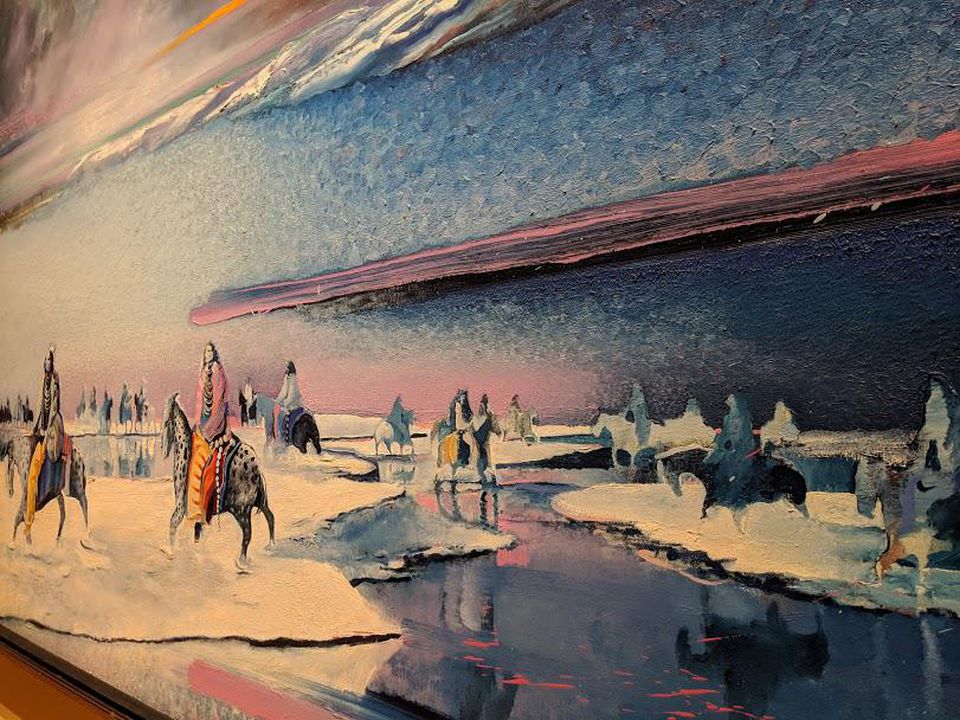
Key Insights
- Intersection of Tradition and Modernity: Many works emphasize the blending of traditional Indigenous techniques with contemporary themes.
- Reframing Art Narratives: Literature often challenges colonial categorizations by reframing Indigenous art as dynamic and evolving.
- Cultural Resilience and Identity: A recurring theme is the preservation, evolution, and activism inherent in contemporary Indigenous practices.
Overview
Contemporary Indigenous art represents a profound intersection of historical traditions and modern innovation. The literature in this field traverses varied disciplines and geographies, exploring the rich narratives, symbolism, and socio-political commentary embedded within Indigenous practices. Researchers, curators, and critics have examined works that both preserve time-honored customs and address contemporary issues such as social justice, environmental stewardship, and identity politics.
The field is characterized by its resistance to simplified categorizations—often challenging traditional labels of “traditional” versus “contemporary.” Instead, a more nuanced perspective emphasizes continuity and transformation, illustrating how Indigenous communities use art as a platform for cultural resilience and self-representation. This diversity of approaches provides a fertile ground for understanding the complexities of Indigenous identity, drawing links between lived experiences and broader societal narratives.
Major Themes in the Literature
1. Blending Traditional Techniques with Contemporary Materials
Numerous texts stress that contemporary Indigenous art is not a departure from tradition but rather an evolution where traditional motifs, stories, and techniques meet new media and modern thematic concerns. These works reveal an ongoing dialogue between past and present, urging viewers to recognize the continuity of cultural expression. Works like "An Indigenous Present" provide important insights by showcasing a wide spectrum of artists who navigate these dynamics. Such collections serve as clear evidence of how timeless symbols and narratives are repurposed in innovative ways that speak to modern contexts and struggles.
2. Challenging the Traditional vs. Contemporary Dichotomy
A recurring theme in the literature is the critique of rigid categorizations of Indigenous art. Works such as “Why Categorizing Native Art as ‘Traditional’ and ‘Contemporary’ Is Problematic” argue that these binary labels undermine the complex reality of Indigenous artistic practices. Instead of viewing art through a narrow historical lens, the literature encourages a more integrated perspective that recognizes the fluidity of culture, process, and expression over time. This approach to categorization not only reclaims narrative agency from a colonial discourse but also fosters a broader understanding of how art evolves in response to historical and societal changes.
3. Activism, Social Justice, and Environmental Stewardship
Contemporary Indigenous art is inherently political. Much of the literature discusses how art serves as a medium for activism, from addressing environmental concerns to critiquing social injustices and colonial legacies. This aspect of Indigenous art underscores its role not merely as an aesthetic venture but as a form of socio-political resistance. The influence of art on public discourse is evident in exhibitions like “Indigenous Identities: Here, Now & Always”, which shares diverse narratives that inform and challenge mainstream understandings. Through these works, art becomes a reflection of ongoing struggles, fostering discussions that can lead to transformative change.
4. Cultural Preservation and the Reinvention of Identity
Preservation of cultural heritage is a central pillar in contemporary Indigenous art literature. It is not only about maintaining traditions but also about reimagining them ahead of new challenges. Books such as "Double Desire: Transculturation and Indigenous Contemporary Art" explore how Indigenous communities adapt and reinvent their cultural practices in the context of globalization and societal transformation. This dynamic process ensures that cultural legacies remain vibrant, continuously evolving rather than becoming static museum pieces. The emphasis on cultural preservation underscores a broader commitment among Indigenous artists to ensure that their heritage serves as both a historical record and a living, breathing contemporary narrative.
Detailed Literature Overview
Major Works and Texts
Several landmark works have shaped the discourse around Indigenous contemporary art. These texts offer diverse viewpoints, from academic treatises and museum catalogs to collections and personal narratives. Here, we outline some significant contributions:
- "Double Desire: Transculturation and Indigenous Contemporary Art": This volume examines how Indigenous art is influenced by both internal cultural dynamics and external Western art traditions. It explores how Indigenous artists navigate the space between preserving cultural heritage and engaging with modern materials and techniques.
- "Here, Now: Indigenous Arts of North America at the Denver Art Museum": This exhibition catalog documents an extensive collection of masterpieces, providing contextual essays that relate the historical evolution of art and current sociopolitical issues that affect Indigenous communities.
- "How Aborigines Invented the Idea of Contemporary Art": An exploration of Australian Indigenous art, this work challenges conventional Western art history narratives by positioning Aboriginal practices as foundational to modern art developments.
- "White Aborigines Identity Politics in Australian Art": This book delves into the complexities of identity politics through the lens of Indigenous representation and contemporary art discourse, questioning the role of race and power in art curation.
- "The Art of Gordon Bennett": Offering insights from one of Australia’s noted Indigenous artists, this text captures a personal and institutional narrative around contemporary Indigenous innovation and identity.
Academic and Exhibition Catalogs
Exhibition catalogs and academic texts play a crucial role in providing context and critique for Indigenous contemporary art. They combine scholarly research with visual documentation, making them invaluable resources for curators, students, and art enthusiasts. For example, the "Indigenous Identities: Here, Now & Always" catalog from the Rutgers Zimmerli Art Museum not only showcases artworks from over 74 Indigenous communities but also includes analytical essays that discuss cultural resilience and the changing paradigms of Indigenous art presentation. Similarly, exhibitions curated by renowned museums offer an overview that bridges local and global perspectives, affirming the universal relevance of Indigenous narratives in today’s art scene.
Scholarly Articles and Digital Media Resources
Digital platforms have also contributed significantly to the discourse. Articles available online, such as those on Arts & Culture by Google, provide accessible avenues for the public to engage with Indigenous contemporary art. These articles often explore how modern techniques are employed by Indigenous artists, highlighting notable exhibitions, and discussing the challenges of preserving cultural autonomy in a globalized art market.
Scholarly online collections have broadened the scope of research and provided detailed case studies on how artists recontextualize traditional symbols within modern frameworks. This ongoing online discourse ensures a democratization of insights, connecting audiences worldwide to the profound narratives embedded in Indigenous art.
Table of Key References
| Title | Description | URL |
|---|---|---|
| "The Influence of Indigenous Art on Contemporary Practices" | Discusses how symbolism and traditional narratives inspire contemporary work. | Visit Resource |
| "Contemporary Perspectives in Indigenous Art" | Explores historical trauma and evolving artistic identity through modern art. | Visit Resource |
| "Indigenous Identities: Here, Now & Always" | Highlights artworks from diverse Indigenous communities across North America. | Visit Resource |
| "Why Categorizing Native Art as 'Traditional' and 'Contemporary' Is Problematic" | Analyzes the limitations of outdated categorizations and proposes new frameworks. | Visit Resource |
| "Double Desire: Transculturation and Indigenous Contemporary Art" | Investigates the interplay of Indigenous traditions and Western influences in modern art. | Visit Resource |
Regional Contributions and Perspectives
North American Indigenous Art
The landscape of contemporary Indigenous art in North America is notably diverse. From museum exhibitions that display historical artifacts alongside modern works to expansive digital collections, the literature captures a wide spectrum of Indigenous experiences and expressions. Narratives from this region often focus on reclaiming history, critiquing colonial legacies, and highlighting the resilience of communities in the face of social challenges. The extensive work done by curators and critics provides insights into how Indigenous artists negotiate identity, cultural loss, and regeneration of ancestral knowledge.
Australian and Oceanic Indigenous Art
Indigenous art from Australia and the Pacific Islands is marked by its vibrant use of color, symbolism, and narrative depth. Scholars and critics have argued that many Aboriginal techniques have significantly influenced the global conceptualization of what constitutes contemporary art. Books such as "How Aborigines Invented the Idea of Contemporary Art" challenge Western-centric art histories by asserting that Indigenous creative methods have been integral to innovation long before modern art movements emerged. The literature highlights the enduring impact of traditional practices reimagined through modern artistic frameworks.
Global Perspectives
Contemporary Indigenous art is not confined to any single geographic region. Literature from around the globe discusses how Indigenous artists use their work to comment on global issues such as environmental degradation, cultural appropriation, and globalization. This international dialogue reinforces the universality of Indigenous experiences while celebrating the distinct cultural roots that each artist brings to contemporary art.
Digital Resources and Future Directions
Online Platforms and Academic Journals
The digital revolution has expanded the reach of Indigenous art literature. Online platforms, academic journals, and digital exhibitions have made it possible for audiences worldwide to access detailed studies and artifacts of Indigenous art. These resources serve as living repositories, continuously updated with emerging works and scholarly critique that reflect the ongoing evolution of Indigenous narratives in art.
Future research is expected to delve even deeper into the intersections of technology and Indigenous art. Virtual reality, augmented reality, and digital archives will likely become important mediums for preserving and interpreting Indigenous creative expressions. As these technological integrations evolve, the literature will further reflect the dynamic relationship between traditional arts and contemporary digital practices.
References
- The Influence of Indigenous Art on Contemporary Practices - Kheder Paintings
- Contemporary Perspectives in Indigenous Art - Google Arts & Culture
- Indigenous Identities: Here, Now & Always - Rutgers Zimmerli Art Museum
- Why Categorizing Native Art as 'Traditional' and 'Contemporary' Is Problematic - First American Art Magazine
- Contemporary Native American Art - Domart Residence
Recommended
Last updated March 7, 2025