
Weaving Futures: How Indigenous Education Shapes Traditional Mat Making in North Vella La Vella
Exploring the profound impact of cultural learning on schools, communities, and the Solomon Islands' heritage.
Key Insights: The Thread of Tradition in Modern Learning
- Cultural Preservation Powerhouse: Indigenous education is vital for embedding traditional mat weaving, often using pandanus and coconut leaves, into the learning experiences of youth in North Vella La Vella, ensuring the continuity of ancestral knowledge and cultural identity.
- Community Empowerment Engine: Integrating mat weaving into education strengthens community bonds, provides economic opportunities through the sale of crafts, and fosters intergenerational transmission of invaluable skills and ecological wisdom.
- National Identity Fortifier: Supporting indigenous arts like mat weaving through education contributes significantly to the Solomon Islands' unique cultural tapestry, promoting national pride and informing policies that value traditional knowledge alongside modern curricula.
The Enduring Craft: Traditional Mat Weaving and Indigenous Education
Traditional mat making is a cornerstone of cultural heritage in many parts of the Solomon Islands, including North Vella La Vella. These mats, meticulously handwoven from natural materials like pandanus and coconut leaves, are far more than utilitarian objects; they embody ancestral knowledge, artistic skill, social status, and deep cultural significance. Indigenous education, which encompasses the transmission of local knowledge, values, and practices, plays a pivotal role in ensuring that such vital traditions are not only preserved but also continue to thrive and adapt in a changing world. The integration of mat weaving into educational frameworks has profound implications, rippling outwards from local schools to the wider community and the nation itself.
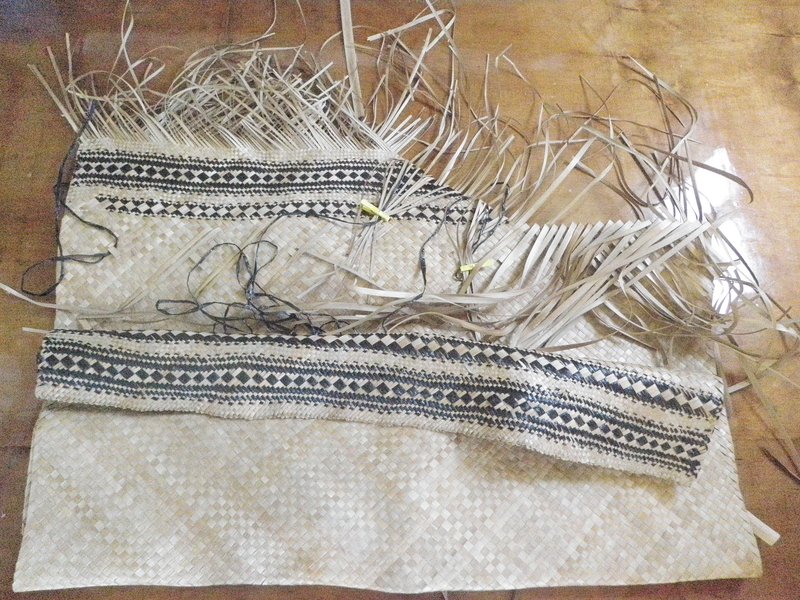
An artisan engaged in the intricate process of mat weaving, a traditional craft passed down through generations.
Transforming Classrooms: Implications for Schools in North Vella La Vella
Introducing indigenous education focused on traditional mat weaving into schools in North Vella La Vella can revolutionize the learning environment, making education more relevant, engaging, and culturally affirming for students.
Curriculum Enrichment and Cultural Relevance
Bridging Heritage and Formal Learning
Integrating mat weaving into school curricula offers a tangible link to students' cultural heritage. It transforms the classroom into a space where indigenous knowledge is valued alongside conventional subjects. Learning the art of mat weaving allows students to connect with the stories, symbolism, and ecological knowledge embedded in this practice. This approach can enhance cultural literacy and make schooling more meaningful, particularly for indigenous children, potentially reducing cultural alienation sometimes associated with purely Western-centric education models. As sources like Womens Media Solomon Islands (2025) note, traditional weaving is an important cultural artifact, and its inclusion can promote hands-on learning.
Fostering Practical Skills and Holistic Development
Beyond the Textbook: Skills for Life
Mat weaving is not just an art form; it's a complex skill that develops patience, precision, creativity, and problem-solving abilities. Students can learn mathematical concepts through patterns and measurements, science through understanding plant materials and dyes, and even entrepreneurship through the potential marketability of their crafts. This holistic approach to education, combining cognitive development with practical and cultural skills, prepares students for diverse life pathways. Some schools, like Vare-Tutty Adventist Primary in North Vella La Vella, have reportedly involved community members in projects that align with this, such as gathering materials, which supports hands-on learning.
Strengthening School-Community Links
Inviting Wisdom Keepers into Education
Incorporating mat weaving into schools often necessitates involving community elders and skilled artisans as teachers and mentors. This collaboration strengthens the bonds between schools and their communities, fostering a shared sense of responsibility for education and cultural transmission. It provides a platform for intergenerational learning, where elders can pass on their knowledge directly to the younger generation within a formal educational setting, ensuring the skills are not lost.
Weaving Community Fabric: Implications for North Vella La Vella Communities
The effects of indigenous education centered on mat weaving extend deeply into the social, economic, and cultural life of communities in North Vella La Vella.

Traditional mat weaving, often led by women, is a vital skill contributing to both cultural identity and household income.
Cultural Continuity and Identity Reinforcement
Keeping Traditions Alive
For communities, the active teaching and learning of mat weaving are crucial for cultural survival. Mats often play significant roles in ceremonies, dowries, and daily life, embodying cultural identity and heritage. By ensuring these skills are passed on, communities reinforce their unique cultural identity and maintain a living connection to their ancestral past. This practice also helps in preserving local dialects and stories associated with specific weaving patterns and techniques.
Economic Empowerment and Livelihoods
From Skill to Sustenance
Traditional mat weaving can be a significant source of income for individuals and families, particularly women, in North Vella La Vella. High-quality mats are sought after in local markets and can attract interest from tourists. Indigenous education that includes weaving can equip community members with the skills to produce marketable crafts, contributing to economic resilience and poverty reduction. This aligns with observations that traditional crafts support livelihoods (Tourism Media Solomon Islands, Basket Weaving; Womens Media Solomon, Rennell and Bellona).
Social Cohesion and Intergenerational Knowledge Transfer
Binding Generations Together
Weaving is often a communal activity, bringing together different generations. Educational initiatives that promote mat weaving foster social cohesion by creating shared experiences and reinforcing community bonds. The process of learning from elders instills respect for traditional knowledge and strengthens intergenerational relationships, which are fundamental to the social fabric of Solomon Islands communities.
Sustainable Resource Management
Harmony with Nature
Traditional mat weaving relies on natural resources like pandanus and coconut leaves. Indigenous education around this craft often includes teachings about sustainable harvesting practices and respect for the environment. This traditional ecological knowledge is vital for ensuring that these resources remain available for future generations and contributes to broader environmental stewardship within the community.
A National Treasure: Implications for the Solomon Islands
The focus on traditional mat weaving through indigenous education in regions like North Vella La Vella has broader implications for the Solomon Islands as a nation.
Strengthening National Identity and Cultural Diversity
Celebrating a Rich Tapestry
The Solomon Islands is a nation of immense cultural diversity. Promoting traditional crafts like mat weaving through education helps to preserve and celebrate this rich heritage, contributing to a stronger and more inclusive national identity. It showcases the unique artistic traditions of different island groups and fosters intercultural understanding and respect within the nation. The Ministry of Education and Human Resource Development (MEHRD) aims to support education reflecting local values, which includes such cultural practices.
Informing Policy and Educational Reform
Valuing Indigenous Knowledge Systems
Successful integration of traditional knowledge into education in areas like North Vella La Vella can serve as a model for national education policy. It underscores the importance of recognizing and valuing indigenous knowledge systems alongside formal academic learning. This can lead to more culturally responsive and effective educational reforms that cater to the diverse needs of learners across the Solomon Islands, aligning with goals to decolonize education and recognize indigenous knowledge (journals.openedition.org).
Contribution to Sustainable Development
Weaving a Sustainable Future
Preserving and promoting traditional crafts like mat weaving aligns with broader sustainable development goals. It supports inclusive education, empowers women (who are often the primary weavers), promotes sustainable livelihoods, and preserves cultural heritage – all of which are crucial components of holistic and sustainable development for the nation.
Visualizing the Impact: A Connected Web of Benefits
The following mindmap illustrates the interconnected implications of integrating traditional mat weaving into indigenous education frameworks for schools, communities in North Vella La Vella, and the Solomon Islands as a whole. It highlights how this practice fosters cultural, educational, social, and economic benefits across various levels.
(North Vella La Vella)"] id1["Implications for Schools"] id1a["Curriculum Enrichment"] id1b["Cultural Relevance"] id1c["Practical Skill Development
(Math, Art, Entrepreneurship)"] id1d["Holistic Learning"] id1e["Stronger School-Community Links"] id2["Implications for Communities"] id2a["Cultural Preservation & Identity"] id2b["Economic Empowerment
(Livelihoods, Markets)"] id2c["Social Cohesion"] id2d["Intergenerational Knowledge Transfer"] id2e["Sustainable Resource Use"] id2f["Empowerment of Women"] id3["Implications for Solomon Islands (National)"] id3a["Strengthened National Identity"] id3b["Preservation of Cultural Diversity"] id3c["Informed Education Policy"] id3d["Contribution to Sustainable Development Goals"] id3e["Enhanced Cultural Tourism Potential"]
Benefits at a Glance: Mat Weaving and Indigenous Education
The integration of traditional mat weaving into indigenous education yields a multitude of benefits for various stakeholders. The table below summarizes key positive outcomes for schools, communities in North Vella La Vella, and the Solomon Islands nation.
| Stakeholder | Key Implications & Benefits | Examples |
|---|---|---|
| Schools | Enhanced curriculum, increased student engagement, holistic skill development. | Integration of weaving into art, math, and cultural studies; partnerships with community artisans; improved cultural relevance of education. |
| Communities in North Vella La Vella | Cultural preservation, economic opportunities, strengthened social fabric, empowerment. | Continuation of ancestral weaving traditions; income generation from mat sales; intergenerational learning activities; sustainable use of local resources. |
| The Solomon Islands (Nation) | Stronger national identity, preservation of cultural heritage, informed educational policies, contribution to sustainable development. | Recognition of indigenous knowledge in national curricula; promotion of cultural tourism; alignment with global indigenous rights and cultural preservation efforts. |
Assessing the Impact: A Comparative Outlook
The radar chart below offers a visual representation of the perceived impact strength of indigenous education focusing on traditional mat weaving across several key dimensions for schools, communities, and the Solomon Islands nation. The scores (out of 10) are illustrative, reflecting the potential positive influence when such programs are effectively implemented.
This chart suggests that while the impact is significant across all stakeholders, communities in North Vella La Vella may experience the most direct and multifaceted benefits in terms of cultural preservation and engagement. Schools see high relevance and skill development, and nationally, the impact is strong on identity and cultural preservation.
Challenges and the Path Forward
Despite the numerous benefits, integrating indigenous education and traditional practices like mat weaving faces challenges. These can include a lack of resources, the need for teacher training in traditional skills, potential conflicts with standardized curricula, and the influence of globalization that can devalue traditional knowledge. Communities like Bava in North Vella La Vella have highlighted needs for educational resources (Solomon Star News, Bava wants help). However, by acknowledging these challenges and fostering strong partnerships between educational institutions, communities, and government bodies, these hurdles can be overcome. The path forward involves a commitment to valuing and resourcing indigenous knowledge, ensuring it has a rightful place in the education and future of the Solomon Islands.
Frequently Asked Questions (FAQ)
What materials are typically used in traditional Solomon Islands mat weaving?
Traditional mats in the Solomon Islands, including those from regions like Rennell and Bellona which share similar craft traditions, are primarily woven by hand from natural, locally sourced materials. The most common materials are pandanus leaves (various species) and coconut leaves. These leaves are harvested, prepared (dried, stripped, sometimes dyed), and then intricately woven into various patterns and sizes.
How does teaching mat weaving in schools benefit students beyond cultural knowledge?
Beyond preserving cultural heritage, teaching mat weaving helps students develop a range of valuable skills. These include fine motor skills, patience, attention to detail, and spatial reasoning (through understanding patterns). It can also integrate mathematical concepts (geometry, measurement), artistic expression, and even basic business principles if students learn about marketing and selling their crafts. It promotes hands-on, experiential learning which can be highly engaging.
Can traditional mat weaving provide economic benefits to communities in North Vella La Vella?
Yes, traditional mat weaving can provide significant economic benefits. Woven mats are not only used within the community for cultural purposes but can also be sold in local markets, to tourists, or even exported. This provides a source of income, particularly for women who are often the primary weavers. Supporting these skills through education can enhance the quality and marketability of the products, contributing to local economic development and financial independence for artisans.
What is the role of elders in passing on mat weaving traditions?
Elders are the custodians of traditional knowledge, including the intricate skills and cultural significance of mat weaving. They play a crucial role in transmitting this knowledge to younger generations through storytelling, direct instruction, and apprenticeship. Indigenous education initiatives often emphasize involving elders to ensure the authenticity and continuity of these traditions, fostering respect for their wisdom and strengthening intergenerational bonds within the community.
Recommended Further Exploration
- How can Solomon Islands schools effectively integrate traditional craft skills into modern curricula?
- What are the economic impacts of cultural tourism focused on traditional crafts in the Pacific Islands?
- Explore case studies of successful indigenous knowledge preservation programs in Melanesia.
- What role does women's artisanship play in the cultural and economic landscape of North Vella La Vella?
References
Last updated May 7, 2025