
Pathways to Wisdom: Understanding the Core of Indigenous Education
A 5-part exploration into the philosophies, practices, and profound importance of Indigenous learning systems worldwide.
Indigenous education represents a profound and holistic approach to learning, deeply interwoven with culture, language, land, and community. This overview, structured as a 5-part presentation, delves into the multifaceted world of Indigenous education, exploring its foundational principles, unique methodologies, the challenges it confronts, and its vital role in empowering communities and preserving rich cultural heritages for future generations.
Essential Insights into Indigenous Education
- Cultural Preservation & Identity: Indigenous education is paramount for teaching and sustaining Indigenous knowledge, languages, traditions, and cultural identity, acting as a powerful response to historical cultural erosion.
- Holistic & Experiential Learning: It emphasizes a holistic approach, nurturing intellectual, emotional, spiritual, and physical development, often through experiential learning connected to land, community, and ancestral wisdom.
- Global Rights & Recognition: There's growing international acknowledgment, underscored by instruments like the UN Declaration on the Rights of Indigenous Peoples, affirming the right to culturally appropriate education.
Slide 1: Unveiling Indigenous Education: Foundations and Significance
Defining the Essence and Purpose
Indigenous education encompasses the systems, practices, and philosophies dedicated to transmitting Indigenous knowledge, models, methods, and content. It occurs in both formal institutional settings and informal community-based environments. At its heart, it is a culturally, linguistically, and historically anchored approach that esteems and integrates the traditional knowledge, languages, values, and worldviews of Indigenous peoples globally.

Integrating Indigenous knowledge within educational settings.
Core Purpose and Historical Context
The primary objective of Indigenous education is to honor, preserve, and revitalize Indigenous cultures, languages, and identities. It serves as a critical response to the historical and ongoing erosion of Indigenous heritage resulting from colonialism, globalization, and assimilationist policies. Historically, many Indigenous communities were subjected to educational systems designed to supplant their native languages and cultural practices with those of dominant societies. Indigenous education movements have emerged globally to counteract these impacts, seeking to restore traditional knowledge systems and ensure that learning is relevant and empowering for Indigenous youth, enabling them to navigate both their ancestral heritage and contemporary society effectively.
Distinguishing Features
- Focuses on Indigenous knowledge, models, methods, and content.
- Operates in both formal (schools, universities) and informal (community, family) settings.
- Aims to restore and pass on traditional knowledge from elders.
- Seeks to empower Indigenous individuals and communities through self-realization and validation of their knowledge and skills.
Slide 2: Pillars of Indigenous Learning: Holistic and Connected
Embracing Wholeness and Interconnectedness
Indigenous learning is fundamentally holistic, addressing the intellectual, emotional, spiritual, and physical dimensions of an individual. It is often conceived as a lifelong journey, deeply intertwined with one's identity, culture, and community. This approach contrasts with more fragmented educational models, emphasizing the interconnectedness of all things and the importance of balance.
Central Connections in Learning
A hallmark of Indigenous education is its profound connection to:
- Land: The land is not merely a resource but a teacher, a source of identity, spirituality, and sustenance. Land-based learning is a cornerstone, where education happens in and through the natural environment.
- Community: Learning is a communal activity, involving family, elders, and the wider community. Knowledge is shared and constructed collectively.
- Ancestry: Connection to ancestors and their wisdom provides a foundation for understanding one's place in the world and the continuity of culture.
- Elders: Elders are revered as keepers of knowledge, traditions, and stories, playing a crucial role in the educational process.
- Spirituality: Spiritual understanding and practices are often integrated into learning, recognizing the sacredness of knowledge and the interconnectedness of all life.
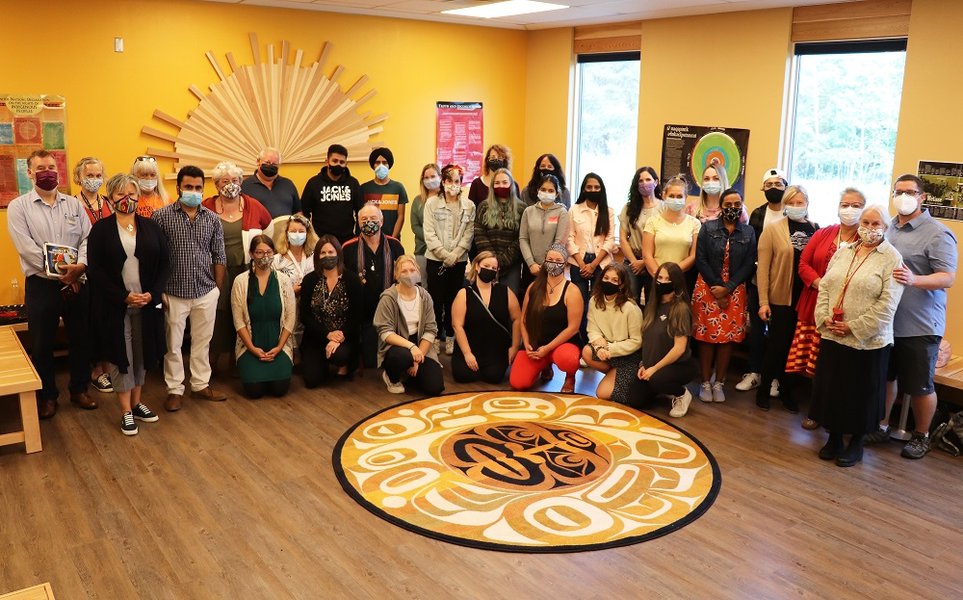
A learning space designed to reflect Indigenous pedagogical principles.
Indigenous Knowledge Systems
Knowledge within Indigenous paradigms is often considered sacred and deeply rooted in experience and cultural context. It is not static but dynamic and evolving. A key tenet is that each learner constructs knowledge individually, guided by their experiences, cultural teachings, and personal reflection. This experiential learning is vital for understanding life processes, interpersonal relationships, family dynamics, and one's profound connection to the land and environment.
Slide 3: Voices & Methods: How Indigenous Knowledge is Shared
Diverse Pedagogies and Learning Environments
Indigenous education employs a rich variety of teaching approaches that have been refined over millennia. These methods are often highly contextual and determined by the specific community, its geography, and its cultural practices, affirming the vitality of traditions and their adaptability to contemporary times.
Key Teaching Approaches
- Oral Traditions: Storytelling, songs, chants, and oral histories are primary vehicles for transmitting knowledge, values, and cultural understanding. This involves active listening, observation, and imitation.
- Experiential Learning: Hands-on activities, direct engagement with the environment, and learning by doing are central. This could involve traditional arts, crafts, hunting, fishing, agriculture, or ceremonies.
- Apprenticeship and Mentorship: Learning often occurs through close guidance from elders or skilled community members, fostering deep understanding and skill development over time.
- Group Work and Collaborative Learning: Emphasis is placed on learning together, sharing knowledge, and supporting one another's growth within a community context.
- Observation and Participation: Children learn by observing adults and older peers and gradually participating in community activities and responsibilities.
The Learning Environment
Indigenous educational environments are characterized by a high degree of cultural context. Learning is not separated from daily life but integrated into it. Flexibility is key, with pedagogy often tailored to the learner's readiness, interests, and the specific needs of the community. The idea that "each person is their own teacher" is prevalent, encouraging self-reliance, self-determination, and personal transformation through the use of intellectual, ritual, psychological, and spiritual tools for deep understanding.
(Storytelling)"] id2b["Experiential Learning"] id2c["Apprenticeship"] id2d["Group Work"] id2e["Observation & Imitation"] id3["Key Goals"] id3a["Cultural Preservation"] id3b["Empowerment"] id3c["Self-Determination"] id3d["Language Revitalization"] id4["Challenges"] id4a["Resource Gaps"] id4b["Systemic Barriers"] id4c["Language Loss"] id4d["Cultural Misunderstanding"]
Mindmap illustrating the interconnected components of Indigenous Education.
This mindmap visually outlines the multifaceted nature of Indigenous Education, highlighting its core principles, diverse teaching methodologies, primary objectives, and the significant challenges it often faces. It underscores the holistic and interconnected approach inherent in Indigenous learning systems.
Slide 4: Navigating Challenges & Upholding Rights
Addressing Obstacles and Affirming Entitlements
Despite its profound value, Indigenous education faces numerous contemporary and historical challenges. These obstacles often stem from systemic issues and the enduring legacy of colonial policies that sought to assimilate Indigenous peoples and devalue their knowledge systems.

The legacy of assimilationist policies, such as boarding schools, has deeply impacted Indigenous education.
Contemporary Obstacles
- Limited Access and Resources: Many Indigenous communities, particularly in rural and remote areas, suffer from underfunding, inadequate infrastructure (schools, technology, internet), and a lack of culturally appropriate educational materials.
- Cultural Misunderstandings and Stereotypes: Mainstream education systems may perpetuate stereotypes or fail to understand and respect Indigenous cultural values, leading to alienating learning environments.
- Loss of Indigenous Languages: The decline of Indigenous languages is a critical challenge, as language is intrinsically linked to culture, knowledge, and identity.
- Shortage of Indigenous Educators: There is often a need for more Indigenous teachers who can provide culturally relevant instruction and serve as role models.
- Systemic Barriers: Policies and curricula may not adequately reflect or incorporate Indigenous perspectives, knowledge, and pedagogical approaches.
Global Recognition and Rights
A significant stride in recognizing the importance of Indigenous education is Article 14 of the United Nations Declaration on the Rights of Indigenous Peoples. This article affirms the right of Indigenous peoples to establish and control their own educational systems and institutions, providing education in their own languages, in a manner appropriate to their cultural methods of teaching and learning. It also emphasizes the responsibility of States to provide access to such education, ideally within Indigenous cultural contexts, to promote empowerment rather than assimilation.
This video, "Introduction to Indigenous Pedagogies," provides valuable insights into the distinct approaches and philosophies underpinning Indigenous ways of teaching and learning, highlighting their relevance and importance in contemporary education.
Slide 5: The Path Forward: Empowerment and Future Directions
Fostering Resilience and Shaping Tomorrow
The future of Indigenous education lies in empowerment, self-determination, and the concerted effort to decolonize educational systems. The goals are multifaceted: fostering self-realization and cultural pride among Indigenous learners, ensuring academic success on their own terms, and revitalizing Indigenous languages and cultural practices. It's about creating educational environments consistent with Indigenous upbringing, which facilitates easier knowledge retention and application.
Strategies for Advancement
Advancing Indigenous education requires a multi-pronged approach:
- Integration of Indigenous Knowledge: Incorporating Indigenous knowledge, perspectives, and pedagogies into mainstream curricula, as well as supporting Indigenous-led educational institutions.
- Increased Funding and Resources: Advocating for equitable funding and resource allocation for Indigenous education programs and infrastructure.
- Promotion of Indigenous Languages: Supporting language revitalization efforts through immersion programs and language-based education.
- Community Involvement and Control: Ensuring Indigenous communities have a central role in shaping and governing their educational systems.
- Culturally Responsive Teaching: Training educators in culturally responsive practices that respect and build upon Indigenous students' cultural backgrounds.
- Decolonization of Education: Actively working to dismantle colonial legacies within educational structures, policies, and practices.
Comparative Educational Focus
The following radar chart offers a comparative perspective on the emphasis placed on various educational aspects within typical Indigenous Education models versus more conventional Western Education models. This is a generalized representation and can vary widely in practice.
This chart visually contrasts the differing priorities, highlighting Indigenous education's strong focus on holistic, community-integrated, and culturally-grounded learning, versus the more standardized and individual-assessment-focused approach often seen in conventional Western systems.
Broader Impact
Investing in Indigenous education yields long-term benefits not only for Indigenous individuals, families, and communities but also for broader society. It contributes to cultural diversity, social cohesion, and the preservation of invaluable knowledge systems that offer unique perspectives on sustainability, community well-being, and harmonious living. By sustaining diverse expressions of humanity, Indigenous education enriches the global tapestry of cultures and knowledge.
Key Principles and Practices Summary
A Tabular Overview
To further clarify the distinct characteristics and foundational elements of Indigenous education, the following table summarizes some of its key principles and common practices, often contrasting them with aspects more typical of mainstream Western educational models.
| Aspect | Indigenous Education Approach | Common Mainstream/Western Approach |
|---|---|---|
| Core Philosophy | Holistic (mind, body, spirit, emotion), interconnectedness, lifelong learning. | Often compartmentalized subjects, focus on cognitive development. |
| Knowledge Source | Elders, community, oral traditions, land, spiritual insight, experience. | Primarily texts, certified experts, empirical research. |
| Learning Environment | Community-based, land-based, experiential, often informal integrated with life. | Classroom-based, structured, formal, often separated from daily life. |
| Pedagogy | Storytelling, observation, imitation, apprenticeship, group work, ceremony. | Lectures, individual assignments, standardized testing, direct instruction. |
| Learner's Role | Active participant, co-constructor of knowledge, responsible to community. | Often receiver of information, individual competitor. |
| Language Focus | Preservation and use of Indigenous languages central to identity and knowledge. | Dominant national/international language as primary medium. |
| Goal of Education | Cultural continuity, community well-being, spiritual balance, self-determination. | Individual achievement, career preparation, economic productivity. |
| Relationship to Land | Land as teacher, sacred, integral to identity and learning. | Land as resource, subject of study, or recreational space. |
This table serves as a general guide; practices can vary significantly among different Indigenous cultures and also within mainstream educational systems. The aim is to highlight common distinctions in emphasis and approach.
Frequently Asked Questions (FAQ)
What is the primary goal of Indigenous education?
The primary goal of Indigenous education is to preserve and transmit Indigenous knowledge, languages, cultures, and traditions to younger generations. It aims to empower Indigenous individuals and communities by fostering cultural identity, self-realization, and the skills to navigate both their own cultural contexts and contemporary society, often as a response to historical assimilation efforts.
How does Indigenous education differ from mainstream Western education?
Indigenous education is typically holistic, integrating spiritual, emotional, physical, and intellectual development. It emphasizes experiential, land-based, and community-centered learning, oral traditions, and knowledge rooted in culture and ancestry. Mainstream Western education often focuses more on compartmentalized subjects, standardized curricula, and classroom-based instruction, with an emphasis on individual academic achievement.
Why is land so important in Indigenous education?
In many Indigenous worldviews, the land is considered a primary teacher, a source of life, identity, spirituality, and knowledge. Land-based learning connects students directly to their environment, history, culture, and traditional practices. It provides a context for understanding ecological relationships, traditional resource management, and the sacredness of the natural world.
What role do elders play in Indigenous learning?
Elders are highly respected as keepers of wisdom, history, language, and cultural traditions. They play a vital role as teachers, mentors, and guides in Indigenous education, transmitting knowledge through storytelling, oral traditions, ceremonies, and by modeling cultural values and practices. Their involvement ensures the continuity of cultural heritage.
What are some key challenges faced in implementing Indigenous education?
Key challenges include insufficient funding and resources, a shortage of Indigenous educators, the ongoing loss of Indigenous languages, systemic barriers within mainstream education systems, cultural misunderstandings, and the need for culturally relevant curricula and pedagogical approaches. Overcoming the legacy of colonization and assimilationist policies is also a significant ongoing challenge.
Recommended Further Exploration
Deepen Your Understanding
- What are successful examples of Indigenous language revitalization programs in education?
- How can non-Indigenous educators respectfully incorporate Indigenous perspectives into their teaching?
- What is the role of technology in supporting Indigenous education and knowledge sharing?
- Explore the impact of land-based learning on Indigenous student engagement and well-being.
References
Sources for This Overview

Last updated May 7, 2025