
Background of the Study
Exploring the Heritage, Traditions, and Local Identity of the Indigenous People of Nagsincaoan, Cabugao, Ilocos Sur
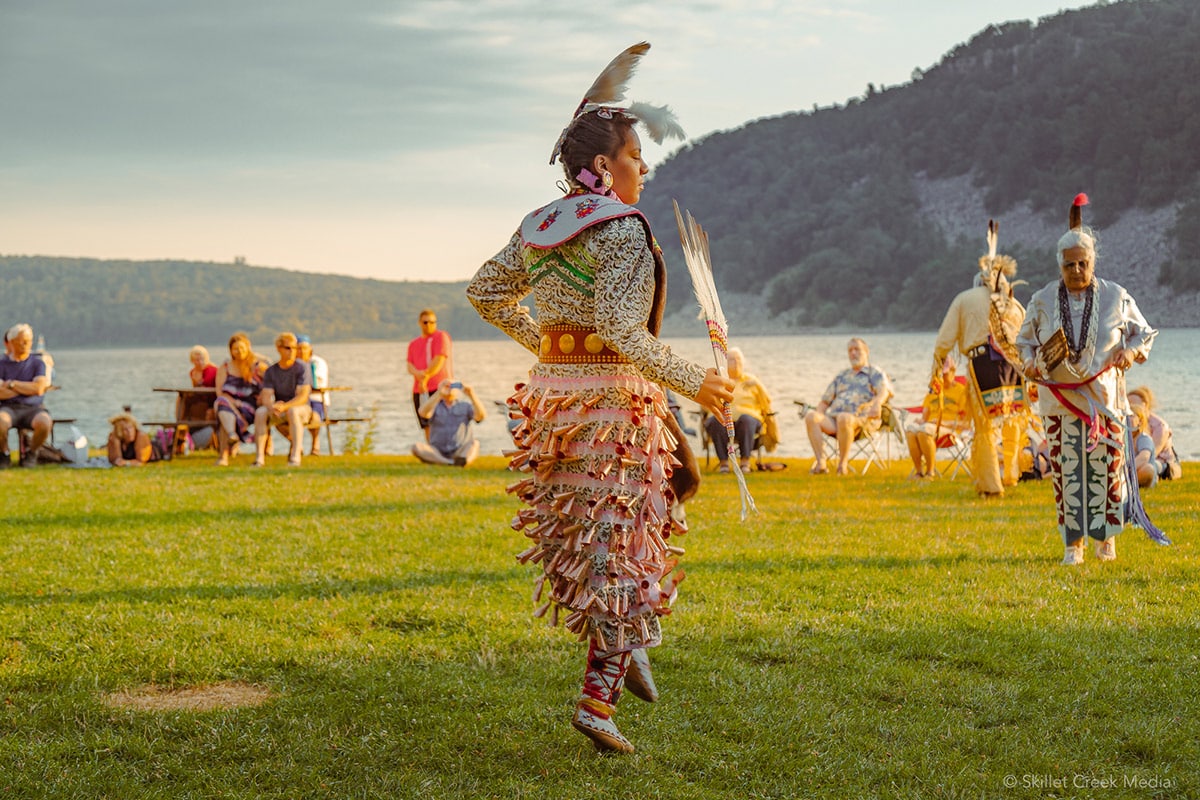
Key Highlights
- Rich Cultural Heritage: The indigenous people of Nagsincaoan exhibit a deep-rooted tradition seen through traditional dances, artisanal crafts, and communal practices passed down over generations.
- Sustainability and Preservation: Despite modern influences, efforts continue to ensure that local practices such as the "Gaynek ta Cabiga-O" dance and basket weaving not only survive but thrive.
- Community and Legal Frameworks: Local community cohesion, combined with legal protections and educational initiatives, plays a significant role in preserving indigenous identity and traditions.
Introduction
The barangay of Nagsincaoan, situated in Cabugao, Ilocos Sur, represents more than just a geographical point; it is a living repository of indigenous history and cultural resilience. Home to communities belonging primarily to the Itneg tribe, this region is an exemplary case of how local heritage, traditions, and identities have been maintained and enriched across centuries.
Nagsincaoan's landscape — from its natural surroundings near mountain ranges to its historically significant land usage — has contributed considerably to the shaping of its cultural narrative. The indigenous peoples, embracing a community-centric way of life, have preserved practices that not only reflect cultural expression but also serve as economic and social frameworks. Traditional dances like the "Gaynek ta Cabiga-O," which draws its inspiration from the art of basket weaving (panaglaga ti bigao), exemplify the profound connection between art, livelihood, and identity.
Historical and Cultural Context
Origins and Early History
The name Nagsincaoan is believed to derive from historic activities involving the crafting of essential tools, such as yokes used to harness carabaos and bull carts. This etymology reflects a deep interrelationship between the indigenous communities and their environment, wherein natural resources were transformed into tools vital for daily survival and agricultural pursuits. Originally, the area was marked by its forest cover, serving as the backdrop for many communal practices and livelihoods.
Over time, this land transitioned through various stages of usage - from gathering and forest management to more cultivated, sustainable practices. This evolutionary process not only defined its economic activities but also embedded traditional values and practices deeply into the local cultural fabric.
Cultural Practices and Artisanal Crafts
At the heart of Nagsincaoan's cultural heritage lies a robust tradition of artisanal crafts and communal celebrations. The indigenous people are recognized for their specialized skills in crafting winnowing baskets, a tradition known as "panaglaga ti bigao." This craft is more than a mere trade; it epitomizes a rounded system where art, technique, and tradition converge, passing secure knowledge from one generation to the next.
The "Gaynek ta Cabiga-O" dance, a dynamic expression of communal solidarity and cultural pride, further encapsulates the close relationship between craft and performance art. This dance is not solely an exhibition of movement but also a representation of collective memory where disruption by modernity is met with cultural reaffirmation. Through these practices, the indigenous people continue to display and reinforce their identity and history.
Community Rituals and Festivals
Beyond artisanal crafts, community rituals and festivals serve as platforms for cultural re-enactment and transmission. Events such as local gatherings, workshops, and cultural festivals play a crucial role in sensitizing younger members about the value of their heritage. These occasions often involve demonstrations of traditional dance, storytelling, and interactive workshops on basket weaving techniques.
Heritage events are frequently supported by governmental and non-governmental organizations, all aiming to document, present, and encourage cultural participation among both indigenous and non-indigenous audiences. Such community interactions enhance pride and commitment to cultural preservation which, in turn, fosters continuity and evolution of traditional practices.
Methodological Framework and Research Objectives
Research Objectives
The primary aim of the study is to explore and document the diverse elements that constitute the heritage, traditions, and local identity of the indigenous population in Nagsincaoan, Cabugao, Ilocos Sur. The objectives include:
- Documentation of Traditional Practices: Thoroughly cataloging rituals, dances, artisanal crafts, and community events that are central to indigenous culture.
- Preservation Efforts: Evaluating the methods and practices employed by local communities to maintain and transmit their cultural heritage amidst socioeconomic and modern influences.
- Impact Analysis of Modernization: Assessing how modern lifestyles and external influences have affected the natural progression of indigenous traditions and identifying strategies to overcome these challenges.
- Community Engagement and Empowerment: Investigating local participation in cultural preservation efforts and the effectiveness of community-based educational initiatives, workshops, and festivals.
- Legal and Institutional Frameworks: Reviewing the role of national legislation such as the Indigenous Peoples' Rights Act (IPRA) of 1997 in ensuring the rights and cultural heritage of indigenous populations.
Methodological Approach
An ethnographic approach has been chosen for this study, emphasizing a participatory observation model that includes both structured and unstructured interviews with community elders, artisans, and local government officials. Focus group discussions are strategically used to capture diverse perspectives, and data is analytically organized using thematic coding. Such a qualitative research method ensures a deep understanding of the nuanced cultural dynamics and the evolving identity of the indigenous groups.
In addition, documentary analysis and archival research are integrated into the study. This includes the examination of local historical records, community archives, legal documents, and media that chronicle the evolution of cultural practices in Nagsincaoan. The methodological rigor ensures that the study is not only a descriptive account but also an analytical exploration of the resilience and adaptability of indigenous identity.
Cultural Preservation in the Face of Modernization
Challenges from Modern Influences
The indigenous communities in Nagsincaoan face significant challenges as globalization and rapid modernization begin to influence traditional lifestyles. Urbanization, economic pressures, and changing social paradigms are factors that threaten to displace long-held cultural practices. Younger generations, while increasingly connected to broader national and global cultures, face a dual challenge—balancing modernity with the rich traditions of their ancestors.
Modern influences often come with the risk of cultural dilution, where traditional practices become marginalized or overshadowed by contemporary trends. Such trends could lead to the gradual loss of language nuances, artisanal techniques, and community rituals that have defined the indigenous identity for centuries.
Strategies for Cultural Resilience
In response, there are concerted efforts at various levels aimed at reinforcing cultural resilience. Local workshops, community-led festivals, and government-supported educational initiatives have been launched to reignite interest in indigenous heritage. These efforts focus on integrating traditional arts with modern storytelling and media, making cultural practices more accessible and engaging for the youth.
Additionally, legal frameworks such as the Indigenous Peoples' Rights Act (IPRA) play a pivotal role in protecting the cultural and intellectual property of indigenous communities. Through legal protections, the rights of the people to their traditional lands, practices, and knowledge are safeguarded, contributing to a more secure cultural future.
Community-Based Initiatives
Numerous community-based initiatives have emerged as powerful instruments in cultural preservation. Collaborative projects between local government units, non-governmental organizations, and educational institutions help document and showcase traditional practices. For instance, dance troupes and artisan collectives regularly perform and exhibit cultural artifacts that narrate the history and identity of the indigenous people.
These collaborative efforts not only empower the indigenous communities but also foster increased cultural tourism and economic opportunities. By promoting cultural products—such as handwoven baskets and traditional garments—communities can generate revenue that further supports cultural activities and preservation efforts.
Comparative Analysis of Cultural Practices
Traditional Dance and Rituals
The "Gaynek ta Cabiga-O" dance is an exemplary representation of indigenous performance art that synthesizes movement, storytelling, and craftsmanship. This dance not only celebrates the skillset involved in basket weaving but also acts as an educational ritual that intertwines community memories with artisanal knowledge.
Traditional rituals and performances such as these serve as living documents—bridges connecting past and present. Their recurring presence in community festivals and celebrations reaffirms a shared cultural identity and serves as a testament to the innovation and resilience of indigenous practices.
Artisanal Crafts and Economic Traditions
One of the pivotal aspects of indigenous culture in Nagsincaoan is its artisanal craft tradition. The craft of basket weaving, known locally as "panaglaga ti bigao," continues to be a primary source of livelihood and cultural expression. The process involves a complex array of techniques, passed down orally and through hands-on mentoring. Factors such as material selection, weaving techniques, and design aesthetics are all influenced by the indigenous worldview, which seeks harmony with nature.
Incorporating a synthesis of functionality and artistry, these crafts are not simply commodities but are embodiments of local identity. They carry historical significance and serve as cultural ambassadors when showcased in national and international platforms.
Cultural Documentation: A Tabular Overview
| Aspect | Description | Impact |
|---|---|---|
| Traditional Dance | The "Gaynek ta Cabiga-O" dance, inspired by basket weaving, integrates storytelling, community values, and ancestral heritage. | Strengthens community bonds and fosters pride in indigenous practices. |
| Artisanal Crafts | Basket weaving ("panaglaga ti bigao") as a sustainable livelihood and cultural practice. | Supports economic autonomy while preserving traditional aesthetics. |
| Community Festivals | Local events and rituals that celebrate indigenous culture, including educational workshops. | Encourages intergenerational knowledge transfer and increased cultural awareness. |
| Legal Protections | Implementation of frameworks such as the Indigenous Peoples' Rights Act (IPRA). | Secures rights and resources for cultural preservation efforts. |
Interplay between Tradition and Modernity
Cultural Education and Transmission
The transmission of indigenous knowledge and practices from one generation to the next is a significant focus within Nagsincaoan's community efforts. Educational programs, both formal and informal, have been established to accommodate young learners as well as community members interested in traditional arts. The integration of indigenous history into local curricula ensures that the narratives of the past continue to shape the cultural identity of future generations.
By emphasizing cultural education in school programs and community hubs, local leaders reinforce a sense of pride and ownership among the youth. This educational framework is essential for maintaining a cohesive identity as indigenous communities navigate the challenges posed by modern society.
The Role of Technology and Media
Modern technology and social media platforms have emerged as influential tools in the documentation and dissemination of indigenous cultural practices. Many local artisans and cultural advocates leverage these tools to reach broader audiences, sharing traditional dances, crafts, and stories beyond the confines of their community.
Digital media not only facilitates cultural exchange between indigenous and non-indigenous communities but also creates potential economic channels through cultural tourism. Blogs, virtual exhibits, and online documentaries serve as modern repositories of traditional knowledge, ensuring that these practices remain accessible and valued in an increasingly globalized world.
Legal and Institutional Supports
Indigenous Peoples' Rights Act (IPRA) and Other Frameworks
Legal instruments such as the Indigenous Peoples' Rights Act (IPRA) of 1997 provide the necessary legal backing to ensure that indigenous communities retain authority over their ancestral domains and cultural heritage. Such frameworks protect not only the physical aspects of indigenous life—such as land rights and natural resources—but also the intangible cultural expressions that define community identity.
These legal and institutional protections are crucial in a modern context, where economic pressures and external influences may compromise traditional practices. Through these measures, the indigenous cultural identities of Nagsincaoan are defended, ensuring that heritage is not lost but rather celebrated as an integral component of the national mosaic.
Documentation and Future Perspectives
Archival Research and Contemporary Studies
A systematic documentation of indigenous practices not only preserves cultural memory but also provides a framework for future research. Archival studies incorporating photographs, oral histories, and traditional artifacts help consolidate knowledge that spans generations. Efforts by local museums, community centers, and academic institutions bring together diverse perspectives on indigenous identity, ensuring that a comprehensive record is available for both scholarly analysis and communal reflection.
Contemporary studies focus on understanding the dynamics of cultural change, identifying both challenges and opportunities within the realm of heritage preservation. These studies are essential in shaping policies and community programs that support cultural continuity, thereby allowing indigenous communities to thrive within modern societal constructs.
Implications for Local Identity and Socioeconomic Empowerment
The preservation and celebration of indigenous heritage in Nagsincaoan extend beyond cultural aesthetics; they have profound implications for local identity and socioeconomic empowerment. Through empowerment initiatives, indigenous artisans and cultural practitioners are better equipped not only to maintain their traditions but also to explore entrepreneurial avenues that promote community development.
Furthermore, community-based projects enhance local pride and solidarity, fortifying the indigenous groups’ resilience against the pressures of modernity. The emphasis on education, legal support, and accessible media forms a multi-layered strategy that is integral to fostering social and economic empowerment while staying true to ancestral legacies.
References
- Development of Gaynek Ta Cabiga-O Dance: A Way to Strengthen the Panaglaga Culture - Vector
- Nagsincaoan, Cabugao, Ilocos Sur Profile – PhilAtlas
- Indigenous Cultural Communities - Ilocos Sur MIS
- Cabugao and the Struggles of Its People - Bulatlat
- Indigenous Filipino People: Culture, History, and Traditions - NativeTribe
Recommended Related Queries
 iandavecortezpaet.blogspot.com
 lgucabugao.blogspot.com
Last updated March 5, 2025