
Unveiling the Dynamic Market for Insulin Infusion Set Technologies
Exploring growth, innovation, and the future of essential diabetes management components.
Insulin infusion sets are indispensable tools for individuals managing diabetes with insulin pump therapy, also known as continuous subcutaneous insulin infusion (CSII). These sets act as the critical link, delivering life-sustaining insulin from the pump reservoir into the body via a small cannula inserted under the skin. As diabetes prevalence rises globally and technology advances, the market for these vital components is experiencing significant expansion and innovation.
Key Market Insights
- Robust Market Growth: The global market for infusion sets used in insulin delivery is projected to grow substantially, reaching approximately USD 3.2 billion by 2033, driven by a strong Compound Annual Growth Rate (CAGR) estimated around 9.1%.
- Technological Advancements Driving Demand: Innovations focusing on user comfort, extended wear times, reduced risk of complications (like occlusions or infections), and seamless integration with Continuous Glucose Monitoring (CGM) and automated insulin delivery (AID) systems are key growth catalysts.
- Shift Towards Homecare: While hospitals remain a significant end-user segment, the homecare setting is experiencing the fastest growth, reflecting the increasing adoption of insulin pumps for convenient, daily diabetes management outside clinical environments.
Understanding Insulin Infusion Sets
The Lifeline of Insulin Pump Therapy
Insulin pump therapy represents a major advancement over traditional multiple daily injections (MDI) for many people with diabetes, particularly type 1. An insulin pump system typically comprises the pump itself (housing the insulin reservoir and controls), a CGM sensor (often), and the infusion set. The infusion set is the disposable component that directly interfaces with the body.
It consists of:
- A Cannula: A small, flexible tube (often Teflon) or a fine steel needle inserted just beneath the skin.
- Tubing: A thin, flexible tube connecting the cannula housing to the insulin pump reservoir. Tubeless "patch pumps" integrate the reservoir, pump mechanism, and cannula into a single unit worn on the body, eliminating external tubing.
- Adhesive Patch: Secures the cannula housing to the skin at the insertion site (e.g., abdomen, thigh, hip, upper buttock).
- Connector/Hub: Allows the tubing to be disconnected from the site without removing the cannula, useful for activities like swimming or bathing.
Infusion sets require regular replacement, typically every 2-3 days, to prevent infection, ensure consistent insulin absorption, and avoid infusion site issues like lipohypertrophy or blockages (occlusions).
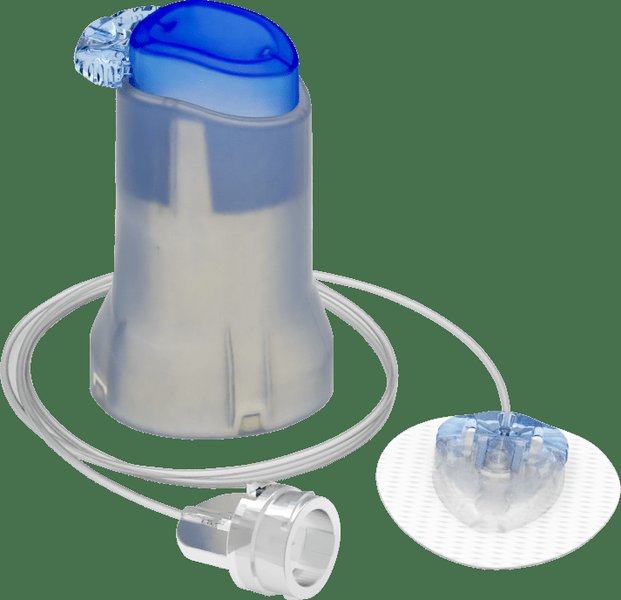
Example of modern insulin infusion sets designed for extended wear.
Market Size and Growth Projections
A Rapidly Expanding Sector
The market for insulin infusion sets is intrinsically linked to the broader insulin pump market. Various market reports provide slightly different figures but consistently point towards strong growth.
Global Market Value
The dedicated market for infusion sets for insulin delivery was valued at approximately USD 1.5 billion in 2024. Projections indicate significant growth, with expectations to reach around USD 3.2 billion by 2033, reflecting a robust CAGR of about 9.1%.
The overall global insulin infusion pumps market (which inherently includes the demand for sets) provides further context. Estimates suggest this market will reach approximately USD 4.08 billion in 2025 and grow to USD 5.35 billion by 2030 at a CAGR of around 5.6%. Other reports suggest even higher CAGRs (up to 8.5% or 9.65%) and market values, potentially reaching USD 7.9 billion by 2030 or USD 13.6 billion by 2035, indicating a dynamic and rapidly evolving landscape.
Regional Market Dynamics
North America currently dominates the market, driven by high diabetes prevalence, advanced healthcare infrastructure, favorable reimbursement policies, and rapid adoption of new technologies. Europe follows as a significant market, while the Asia-Pacific region is expected to exhibit strong growth due to increasing awareness, rising healthcare expenditure, and growing diabetes incidence in countries like China and India.
Regional Insulin Infusion Pump Market Projections (Including Infusion Sets)
The following table summarizes projected market sizes and growth rates for the insulin infusion pump market across different regions, which directly influences the demand for infusion sets.
| Region | Projected Market Size (2025) | Projected Market Size (2030) | Projected CAGR (2025-2030) |
|---|---|---|---|
| North America | USD 2.97 billion | USD 4.01 billion | 6.18% |
| Europe | USD 580.57 million | USD 701.28 million | 3.85% |
| Asia-Pacific | USD 343.26 million | USD 430.85 million | 4.65% |
| Latin America | USD 123.05 million | USD 157.80 million | 5.10% |
| Middle East & Africa | USD 42.15 million | USD 53.29 million | 4.80% |
Note: Figures are based on synthesis from market reports and represent the broader insulin pump market influencing infusion set demand.
Technological Evolution and Innovation
Enhancing Comfort, Reliability, and Automation
Innovation in infusion set technology is focused on improving the user experience and clinical outcomes. Key advancements include:
- Materials and Design: Development of softer, more flexible cannulas (e.g., Teflon) to reduce discomfort and site irritation compared to traditional steel needles. Angled insertion sets offer alternatives to straight (90-degree) insertion for certain body types or preferences.
- Insertion Devices: Automatic or semi-automatic insertion devices simplify the process, reduce pain, ensure consistent cannula depth, and minimize user error.
- Adhesives: Improved adhesive technologies provide secure attachment for the required wear duration (2-3 days, or longer for extended-wear sets) while being gentler on the skin and reducing allergic reactions. Waterproof adhesives allow for more lifestyle flexibility.
- Tubing and Connectors: Low-profile designs, various tubing lengths to accommodate different pump placements, and reliable quick-disconnect mechanisms enhance convenience. Efforts focus on reducing the risk of kinking or occlusion.
- Extended Wear Sets: Newer infusion sets, like the Medtronic Extended™ infusion set, are approved for up to 7 days of wear, significantly reducing the frequency of site changes and potentially lowering costs and burden for users.
- Integration with AID Systems: Infusion sets are crucial for the performance of Automated Insulin Delivery (AID) or "hybrid closed-loop" systems. These systems rely on precise and reliable insulin delivery, making infusion set integrity paramount. Future 'smart' sets might incorporate sensors to detect occlusions or inflammation earlier.
- Patch Pumps: Tubeless designs like the Insulet Omnipod integrate the infusion cannula directly into the pump body worn on the skin, eliminating the need for separate tubing and offering greater discretion and freedom of movement.

Different types of infusion sets cater to individual patient needs and preferences.
Market Drivers and Contributing Factors
Forces Propelling Growth
Several key factors contribute to the expansion of the insulin infusion set market:
- Rising Diabetes Prevalence: The increasing global incidence of both type 1 and type 2 diabetes is the primary driver, expanding the pool of potential insulin pump users.
- Advantages of CSII: Growing awareness among patients and clinicians about the benefits of insulin pump therapy (improved glycemic control, reduced hypoglycemia risk, increased lifestyle flexibility) compared to MDI fuels adoption.
- Technological Integration: The synergy between insulin pumps, CGMs, and sophisticated algorithms in AID systems makes pump therapy more effective and appealing, thereby boosting demand for compatible infusion sets.
- Product Innovation: Continuous improvements in infusion set design, materials, wear time, and ease of use enhance patient satisfaction and adherence.
- Favorable Reimbursement Policies: Increasing insurance coverage and supportive healthcare policies for insulin pumps and supplies in developed countries facilitate market access.
- Demand for Minimally Invasive Solutions: Patients increasingly prefer less invasive and more convenient diabetes management tools.
- Focus on Homecare: The trend towards managing chronic conditions like diabetes at home supports the growth of user-friendly devices like insulin pumps and their associated infusion sets.
Visualizing the Insulin Infusion Set Market Landscape
A Mindmap Overview
This mindmap provides a visual summary of the key elements discussed regarding the market for insulin infusion set technologies.
Comparative Assessment of Infusion Technology Aspects
Evaluating Key Features
While individual experiences vary, this radar chart provides an opinionated comparison of general characteristics often associated with different types or brands of insulin infusion set/pump technologies, based on publicly available information and common user feedback themes. Scores are illustrative (higher is generally better, scaled 1-10).
Market Challenges and Future Outlook
Navigating Hurdles and Embracing the Future
Despite strong growth prospects, the market faces challenges:
- Cost: Insulin pumps and the recurring cost of disposable infusion sets can be significant financial burdens, limiting access, particularly in developing regions or for underinsured individuals.
- Infusion Site Complications: Issues like skin irritation, allergic reactions to adhesives, infection, inflammation, lipohypertrophy (lumps under the skin), occlusions (blockages), and cannula dislodgement remain concerns that can affect insulin delivery and require site rotation and careful management.
- User Burden: The need for regular site changes (every 2-3 days for most sets), troubleshooting potential failures, and managing the device adds complexity to daily life.
- Interoperability: Ensuring compatibility between different pump brands, infusion sets, and CGM systems remains an ongoing effort.
Future Directions
The future of insulin infusion set technology points towards:
- Longer Wear Times: Continued development of sets that can be worn safely and effectively for longer durations (beyond 7 days).
- Smart Infusion Sets: Integration of sensors to detect early signs of occlusion, inflammation, or insulin leakage, providing real-time feedback to the user or pump system.
- Improved Biocompatibility: Advanced materials and coatings to minimize skin reactions and reduce the risk of infection.
- Enhanced Adhesion and Comfort: More breathable, flexible, and skin-friendly adhesives.
- Greater Automation: Further integration with fully closed-loop systems, potentially requiring even more reliable and responsive infusion set performance.
- Miniaturization: Smaller, less obtrusive designs for both tubed and tubeless options.
The market is poised for continued expansion, driven by the relentless pursuit of more effective, convenient, and personalized diabetes management solutions.
Inserting an Infusion Set
Visual Guide for Medtronic Extended™ Set
Understanding the practical application of infusion set technology is crucial. This video demonstrates the step-by-step process for inserting the Medtronic Extended™ infusion set, which is designed for longer wear times. Proper insertion technique is vital for ensuring comfort, secure adhesion, and optimal insulin delivery.
Video demonstrating the insertion process for the Medtronic Extended™ infusion set.
Frequently Asked Questions (FAQ)
What exactly is an insulin infusion set?
An insulin infusion set is a small, disposable device that connects an insulin pump to the body. It includes thin tubing and a tiny cannula (or needle) inserted under the skin, allowing the pump to deliver insulin continuously (basal rate) and in larger doses for meals (bolus). It's a critical component of Continuous Subcutaneous Insulin Infusion (CSII) therapy.
How often do infusion sets need to be changed?
Most standard insulin infusion sets are recommended to be changed every 2 to 3 days (48-72 hours). Some newer "extended wear" infusion sets are approved for up to 7 days of use. Regular changes are essential to prevent infection, ensure proper insulin absorption, and minimize scar tissue buildup (lipohypertrophy) at the infusion site.
What are the different types of infusion sets?
Infusion sets vary primarily by:
- Cannula Type: Soft (flexible Teflon, most common) or steel (thin needle).
- Insertion Angle: Straight (90-degree insertion) or angled (typically 20-45 degrees).
- Tubing Length: Various lengths are available to accommodate different pump placements and user preferences.
- Tubeless Design: Patch pumps integrate the cannula directly, eliminating external tubing.
The choice depends on individual factors like body type, activity level, skin sensitivity, and personal preference.
What are common problems associated with infusion sets?
Common issues include:
- Occlusions: Blockages in the cannula or tubing preventing insulin delivery.
- Site Infections: Redness, swelling, or pain at the insertion site.
- Dislodgement: The cannula coming out from under the skin, often due to adhesive failure or snagging the tubing.
- Kinked Cannula/Tubing: Bending that obstructs insulin flow.
- Skin Irritation/Allergy: Reactions to the adhesive or cannula material.
- Bleeding/Bruising: Minor bleeding or bruising at the insertion site.
- Lipohypertrophy: Hard lumps under the skin from repeated insertions in the same area, which can impair insulin absorption.
Proper site rotation, insertion technique, and hygiene are crucial for minimizing these problems.
Recommended Further Exploration
- Explore the pros and cons when comparing different types of insulin infusion sets available today.
- Investigate the latest advancements and benefits associated with extended-wear insulin infusion sets.
- Discover how insulin infusion sets function as part of automated insulin delivery (closed-loop) systems.
- Learn effective strategies for managing and preventing common issues related to insulin infusion sites.
References
Last updated May 4, 2025