
Integrative Biological Control in Crop Protection
A Comprehensive Outline for a University-Level Lecture
Key Highlights
- Biological control is a sustainable approach to pest management utilizing natural enemies.
- Integrated Pest Management (IPM) combines various strategies, including biological control, for a holistic approach.
- Ecostacking is a conceptual framework integrating all aspects of biological control and ecosystem services.
Introduction to Crop Protection and Pest Management
Protecting crops from pests, diseases, and weeds is essential for ensuring agricultural productivity and food security. Traditionally, chemical pesticides have been a primary method of pest control. However, concerns about their potential impact on human health, non-target organisms, and the environment, as well as the development of pesticide resistance, have led to a greater emphasis on more sustainable and integrated approaches.
Integrated Pest Management (IPM) is a widely adopted strategy that employs a combination of common-sense practices to manage pests effectively and environmentally sensitively. IPM programs utilize current, comprehensive information on pest life cycles and their interactions with the environment to achieve long-term prevention or suppression of pest populations below economically damaging levels.
Understanding Biological Control
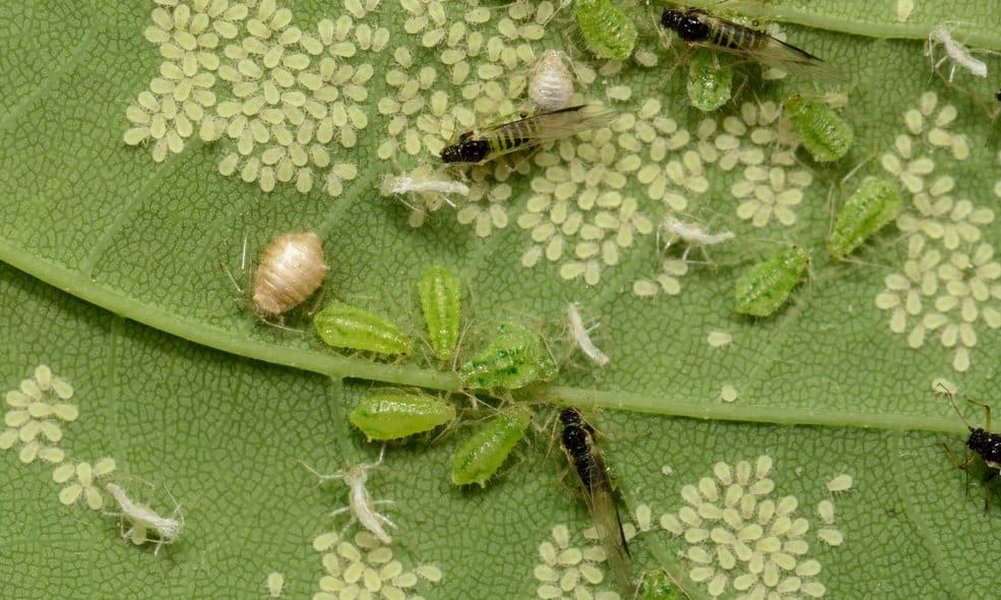
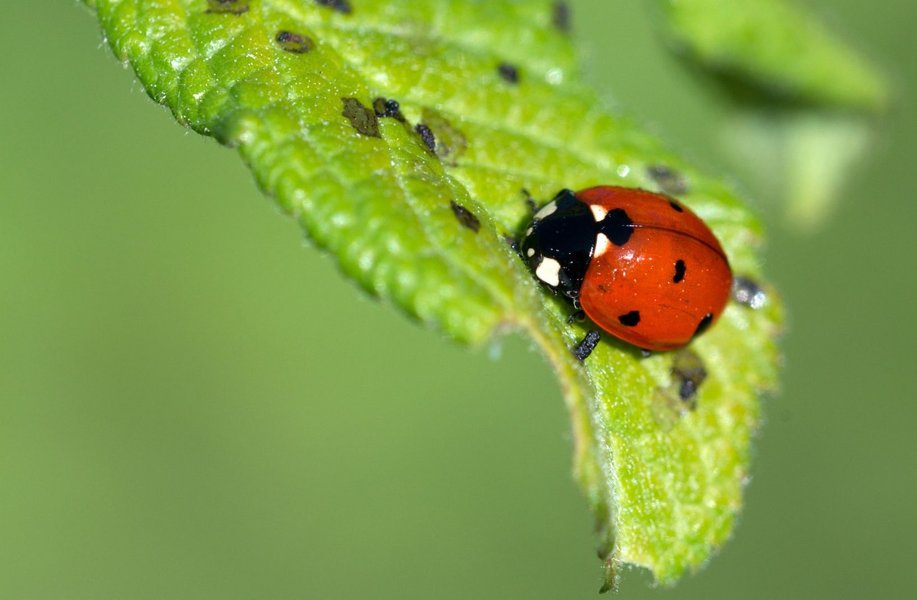
Biological control, often referred to as biocontrol, is a core component of many IPM programs. It involves the reduction or suppression of pest populations through the use of natural enemies. These natural enemies can include predators, parasitoids, pathogens, antagonists, or competitors.
The principle behind biological control is to leverage natural ecological processes to manage pests, making it a natural and sustainable approach to crop protection.
Types of Biological Control
Biological control strategies can be broadly categorized into several types:
Classical Biological Control
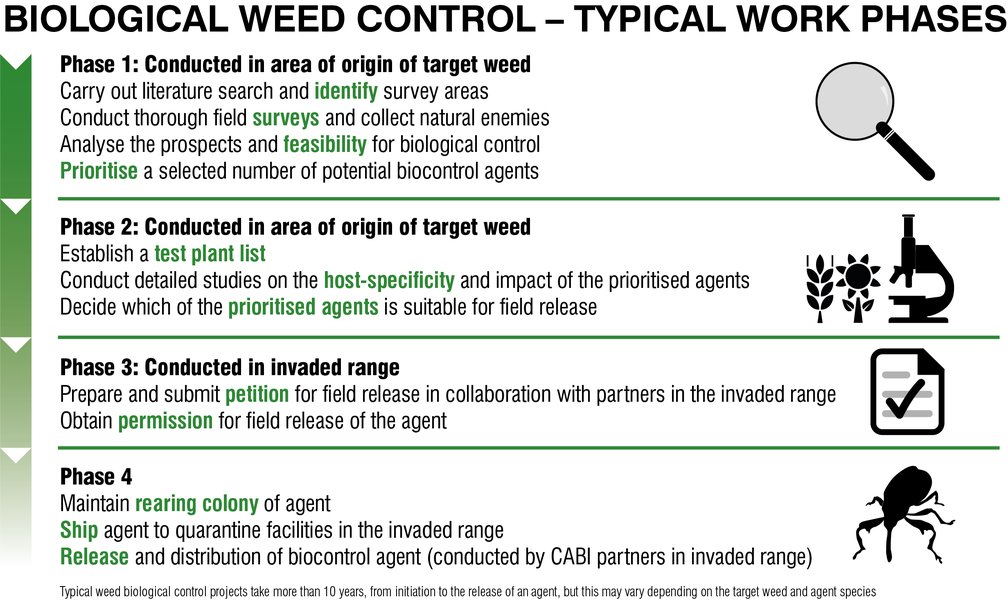
This approach involves the importation and release of natural enemies from the pest's native range into the area where it has become a problem. The goal is to establish a self-sustaining population of the natural enemy that will provide long-term control of the pest. This is particularly relevant for managing invasive species.
Augmentative Biological Control
Augmentative biological control involves the mass-production and release of natural enemies to supplement existing populations or to introduce them when they are not naturally present in sufficient numbers. This can involve inundative releases (releasing large numbers for immediate pest suppression) or inoculative releases (releasing smaller numbers to establish a population that will build up over time).
Conservation Biological Control
Conservation biological control focuses on modifying the habitat and agricultural practices to protect and enhance the activity of natural enemies that are already present in the environment. This can include providing food sources, shelter, and reducing the use of pesticides that are harmful to beneficial organisms.
Integrating Biological Control into IPM
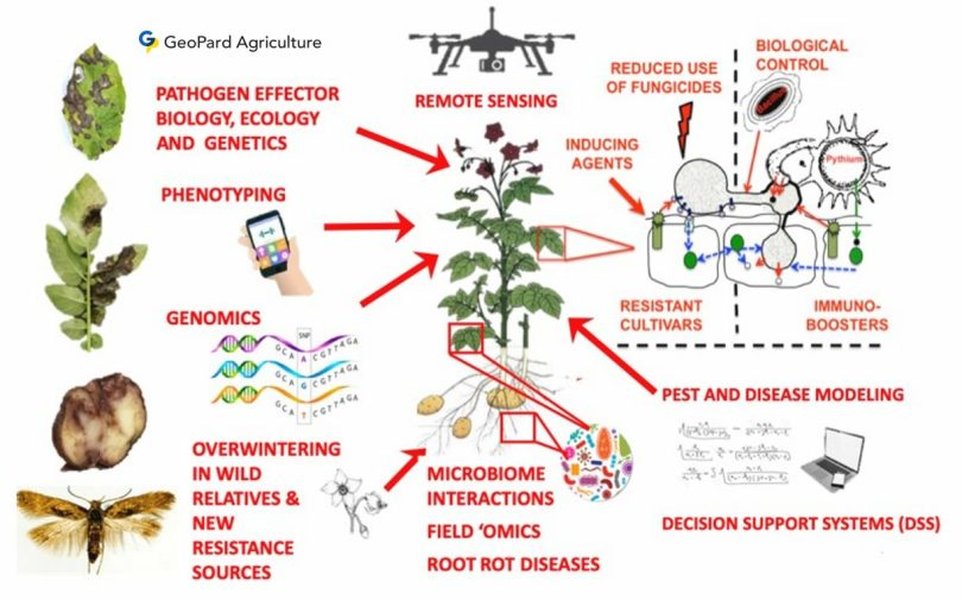
Biological control is most effective when it is an integral part of a broader IPM program. This integrated approach considers all available pest management techniques and combines them in a way that minimizes economic, health, and environmental risks. IPM strategies prioritize the judicious use of pesticides, opting for products with minimal environmental impact and applying them only when necessary.
Key elements of integrating biological control into IPM include:
- Monitoring pest populations and the presence of natural enemies.
- Identifying pests accurately and understanding their life cycles.
- Understanding the biology and effectiveness of available biological control agents.
- Selecting and implementing cultural practices that support natural enemies (e.g., crop rotation, interplanting, managing weeds).
- Using pesticides selectively and only when necessary, considering their impact on natural enemies.
- Evaluating the effectiveness of the integrated strategy and making adjustments as needed.
The Role of Cultural Practices in Supporting Biological Control
Cultural practices play a significant role in enhancing the effectiveness of biological control within an IPM framework. These practices aim to create an environment that is less favorable for pests and more conducive to the activity of natural enemies. Examples include:
Crop Rotation and Diversity
Rotating crops with different life cycles and susceptibilities to pests can disrupt pest cycles and reduce their buildup. Increasing plant diversity within and around fields can also provide habitat and resources for beneficial insects.
Timing Planting and Harvest
Adjusting planting and harvest dates can help crops avoid peak pest populations.
Habitat Manipulation
Providing hedgerows, cover crops, or other non-crop vegetation can offer shelter, food, and overwintering sites for natural enemies.
Soil Health Management
Healthy soils contribute to healthy plants, which can be more resistant to pest attacks.
The Concept of Ecostacking
Ecostacking is a conceptual framework that integrates all aspects of biological control and ecosystem services. It provides a holistic view of how biological control functions within the broader agricultural ecosystem and how different biological control approaches and other ecological processes can be combined to enhance pest management and other beneficial ecosystem services.
This framework recognizes the interconnectedness of various biological and ecological factors and seeks to optimize their interactions for sustainable crop protection and overall ecosystem health. Ecostacking emphasizes a systems approach to pest management, moving beyond individual tactics to consider the entire agroecosystem.
Ecostacking and Sustainable Agriculture
The ecostacking framework aligns closely with the principles of sustainable agriculture, which aims to produce food in a way that is environmentally sound, economically viable, and socially responsible. By integrating biological control and other ecosystem services, ecostacking contributes to:
- Reduced reliance on synthetic pesticides.
- Conservation of biodiversity.
- Improved soil health.
- Enhanced ecosystem resilience.
- Sustainable long-term pest management.
Challenges and Opportunities in Integrative Biological Control
While integrative biological control offers numerous benefits, there are also challenges to its widespread adoption:
- Lack of awareness and understanding among farmers and practitioners.
- Availability and cost of commercially produced biological control agents.
- Need for more research and development on effective biological control strategies for specific pests and crops.
- Integration of biological control with other pest management tactics, particularly pesticide use.
However, there are also significant opportunities:
- Increasing demand for sustainably produced food.
- Growing research and development in biological control technologies.
- Government and industry support for IPM and biological approaches.
- Potential for biological control to manage pesticide-resistant pests.
Comparative Overview of Pest Management Strategies
To better understand the place of biological control within overall pest management, it's helpful to compare different approaches:
| Strategy | Description | Advantages | Disadvantages |
|---|---|---|---|
| Chemical Control (Pesticides) | Use of synthetic chemicals to kill or repel pests. | Rapid pest knockdown, often highly effective against target pests. | Environmental risks, human health concerns, pesticide resistance, harm to non-target organisms. |
| Biological Control | Use of natural enemies to suppress pest populations. | Environmentally friendly, can provide long-term control, reduces reliance on chemicals, helps manage resistant pests. | May be slower acting than chemicals, effectiveness can be influenced by environmental factors, requires understanding of pest and natural enemy biology. |
| Cultural Control | Modification of agricultural practices to make the environment less favorable for pests. | Preventative, often cost-effective, reduces pest pressure. | May not provide complete control on its own, requires careful planning and implementation. |
| Mechanical/Physical Control | Using physical methods to remove or exclude pests (e.g., traps, barriers, tilling). | Can be effective for specific pests, non-chemical. | Labor intensive, may not be practical for large areas. |
| Host Plant Resistance | Using crop varieties that are resistant or tolerant to pests. | Inherently integrated into the crop, reduces need for other interventions. | Development can be time-consuming, resistance can be overcome by pests. |
| Integrated Pest Management (IPM) | A holistic approach combining multiple strategies based on monitoring and assessment. | Sustainable, reduces risks, adaptable to different situations. | Requires knowledge and monitoring, can be complex to implement. |
Case Studies and Examples
Examining successful case studies of integrative biological control in practice can provide valuable insights. Examples could include the use of predatory mites to control spider mites in greenhouses, the introduction of parasitoids to manage specific insect pests in field crops, or the conservation of natural enemies in orchard systems.
These examples can illustrate the practical application of the principles discussed and highlight the benefits and challenges encountered in real-world scenarios.
Future Directions in Integrative Biological Control
Research and development in integrative biological control are ongoing. Future directions include:
-
Development of new and more effective biological control agents.
-
Understanding the complex interactions between pests, natural enemies, and the environment.
-
Utilizing new technologies, such as precision agriculture and data analytics, to optimize biological control strategies.
-
Developing policies and incentives to support the adoption of integrative biological control.
The goal is to continue advancing sustainable crop protection practices that minimize environmental impact while ensuring food security.
Frequently Asked Questions (FAQ)
What is the main difference between biological control and chemical control?
Biological control uses living organisms to manage pests, while chemical control uses synthetic chemicals (pesticides).
Is biological control always effective?
The effectiveness of biological control can vary depending on the pest, the natural enemy, environmental conditions, and how well it is integrated into a broader pest management plan. It is often most effective when used as part of an IPM strategy.
Can biological control agents harm non-target organisms?
In some cases, biological control agents can have non-target impacts. Careful selection and testing of agents are crucial to minimize these risks, particularly in classical biological control programs.
How does Integrated Pest Management (IPM) differ from relying solely on biological control?
IPM is a broader approach that incorporates biological control along with other methods like cultural practices, monitoring, and judicious use of pesticides. Relying solely on biological control may not be sufficient for all pest problems.
What is ecostacking in the context of biological control?
Ecostacking is a conceptual framework that aims to integrate all aspects of biological control and other beneficial ecosystem services to create a more resilient and sustainable agricultural system.
References
Last updated April 23, 2025