
International Studies on Student Values Formation
Exploring Global Insights into Values Education and Student Wellbeing
Highlights
- Holistic Impact: Values education not only enhances academic engagement but also contributes to social, emotional, and moral development.
- Diverse International Perspectives: Studies from diverse contexts such as the UK, Australia, Japan, Iran, and UNESCO-driven initiatives illustrate varied approaches to values formation.
- Practical Implementation: Educational policies, teacher practices, and curriculum reforms converge to produce measurable improvements in student wellbeing.
Overview
Student values formation is a subject of growing interest across the globe. International studies emphasize the integration of values education into curricula as a means to promote holistic student wellbeing while fostering essential moral reasoning and ethical behaviors. Values education encompasses a range of initiatives that aim to develop social responsibility, respect for diverse cultures, and overall character in educational environments.
In multiple regions, research indicates that including explicit values — such as honesty, respect, responsibility, compassion, and integrity — in school policies is linked to improved academic performance and enhanced overall student development. As the world becomes increasingly interconnected, educational systems in countries like the United Kingdom, Australia, Japan, and Iran, as well as global organizations such as UNESCO, have adopted approaches that embed values education within broader educational reforms.
International Perspectives on Values Education
Holistic Wellbeing and Educational Outcomes
Research has shown that values education nurtures a well-rounded development for students. A multitude of studies—ranging from comprehensive meta-analyses to targeted cross-national research—demonstrate that explicit values in school policies foster improved learning approaches, social integration, and emotional resilience. One extensive meta-analysis, which included data from over 225,000 students spanning various educational levels, found that character education was associated with higher academic achievements and enhanced expressions of qualities such as integrity, compassion, and self-discipline.
The emphasis on holistic wellbeing is not limited to one subject or region. Instead, it spans across a variety of countries where the integration of social-emotional learning, moral reasoning, and ethical discussions into classrooms has proved effective. Students develop vital life skills that extend beyond academic proficiency—skills that include empathy, responsible decision-making, and a balanced approach to learning.
Cultural Diversity and Global Citizenship
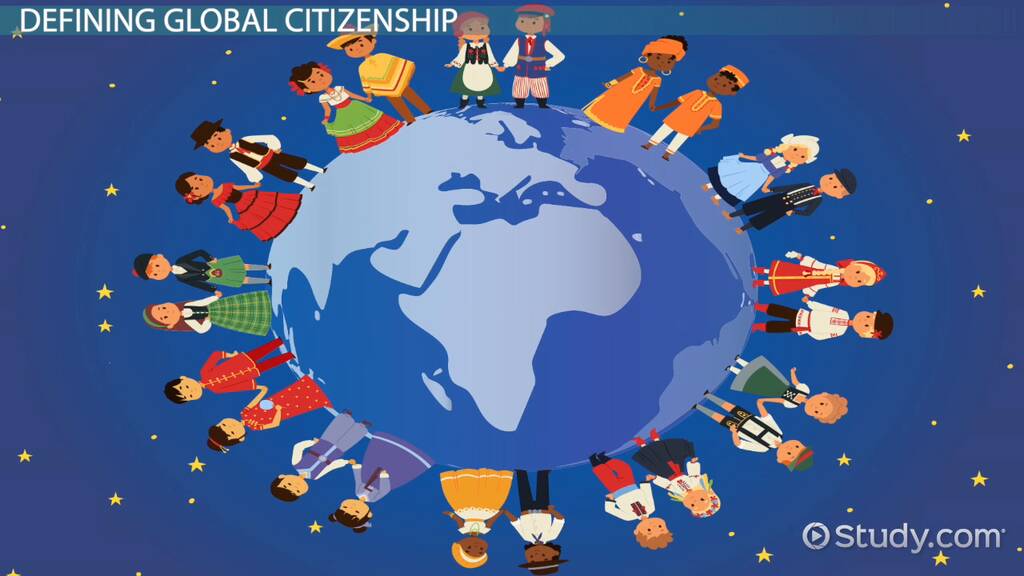
Across the globe, initiatives such as UNESCO’s Global Citizenship Education illustrate another integral aspect of values formation. This approach emphasizes the importance of understanding and respecting cultural diversity as a cornerstone of global citizenship. In classrooms that celebrate multicultural awareness, students are encouraged to appreciate different cultural backgrounds and viewpoints, thereby equipping them with the skills necessary to thrive in a diverse, interconnected world.
Such values education promotes collaborative problem-solving and a heightened awareness of global challenges, including social justice and environmental sustainability. As educators integrate global citizenship themes into curricula, students learn to scrutinize their roles in society and develop the competencies required for international collaboration.
Moral Reasoning and Virtues Education
Moral reasoning is at the heart of values education. International studies reveal that the cultivation of moral reasoning skills is closely linked with the development of virtues such as perseverance and honesty. These faculties are nurtured through well-designed curricula that combine ethical debates, reflective learning practices, and real-life applications.
The relationship between moral reasoning and virtues education illustrates that beyond academic and technical competencies, students acquire the ability to understand and evaluate ethical dilemmas critically. The success of these programs depends significantly on how teachers and curriculum designers integrate ethical discourses into everyday learning environments.
Case Studies & Regional Initiatives
United Kingdom and Australia
Studies conducted in both the United Kingdom and Australia have provided valuable insights into the benefits of integrating explicit values education into school systems. In these contexts, values education is linked to notable improvements in student engagement and academic performance. The research underscores how incorporating student and teacher inputs into policy-making and the implementation of values-based learning can lead to distinctive improvements in educational outcomes.
Key outcomes include enhanced teacher-student relationships and the establishment of a positive school culture where academic and personal development go hand in hand.
Asia: Japan and Iran
In Japan, moral education is often embedded within the national curriculum, focusing on the development of individual virtues alongside a sense of national and global responsibility. Here, moral education not only addresses personal development but also fosters an awareness of societal roles and responsibilities.
Meanwhile, Iran has placed considerable emphasis on moral education as an essential component of overall education. The focus in these regions is on instilling moral knowledge and virtues early in the educational process, ensuring that students carry these values through their academic journeys and into their roles as global citizens.
Global Education Initiatives
UNESCO is one of the major driving forces in promoting global perspectives on values education. Its Global Citizenship Education initiatives focus on imparting skills related to empathy, respect for diversity, and a commitment to social justice. UNESCO’s approach encourages the collaboration of various stakeholders in education, including policy makers, educators, and community leaders.
By advocating for curricula that integrate human rights education and ethical considerations, UNESCO instills in students a commitment to understanding and mitigating global challenges, thereby contributing to broader societal improvements.
Key Components and Implementation Strategies
Curriculum Integration and Pedagogical Approaches
Effective values education relies on a well-integrated curriculum that addresses both cognitive and affective domains. Successful programs combine:
- Explicit Policy Incorporation: Embedding values directly into school policies reinforces their importance and provides a framework for teachers and students alike.
- Engaging Teaching Methods: Interactive activities, debates, and group projects help students apply ethical theories and moral reasoning in practical settings.
- Holistic Learning Environments: Creating a classroom atmosphere that values mutual respect, cooperation, and critical inquiry promotes deeper understanding of the material.
Educators are encouraged to use a variety of teaching methodologies that cater to different learning styles, ensuring that the values education is as inclusive and impactful as possible.
Assessment and Impact Measurement
Evaluating the effectiveness of values education poses unique challenges. Unlike traditional academic subjects, the impact of values education is often measured through qualitative assessments that gauge social interactions, moral reasoning growth, and overall student wellbeing.
A combination of quantitative surveys and qualitative reflective practices is used to determine how well students internalize and express the values being taught. Regular feedback from students and teachers, alongside standardized educational measures, helps institutions fine-tune their approaches.
Implementation Strategies in Educational Institutions
Schools and universities are continuously innovating to incorporate values education into their everyday practices. Strategies that have proven effective include:
- Inclusive Decision-Making: Encouraging both teachers and students to contribute to policy discussions ensures that the educational environment embraces a diverse range of values.
- Community Engagement Initiatives: Collaboration with local communities and cultural organizations deepens the practical application of classroom lessons on ethics and social responsibility.
- Teacher Training: Professional development programs for educators focus on the skills necessary to facilitate values-based discussions and activities effectively.
Comparative Table of International Approaches
| Region/Institution | Main Focus | Key Strategies | Outcomes |
|---|---|---|---|
| United Kingdom & Australia | Holistic wellbeing, academic improvement | Policy integration, stakeholder participation, values-based curriculum | Enhanced student engagement; improved teacher-student relationships |
| Japan | Moral education and national/global citizenship | Curriculum embedding of ethics, cultural understanding | Increased individual virtues; heightened societal awareness |
| Iran | Moral knowledge and virtue formation | Early integration of values, continuous moral education | Stronger moral grounding; consistent ethical development |
| UNESCO Global Initiatives | Global citizenship and cultural diversity | Interdisciplinary curricula, community partnerships | Increased global awareness; improved empathy and respect across cultures |
References
- International Research Handbook on Values Education and Student Wellbeing - Springer
-
The Role of Personal Values in Learning Approaches and Student Achievement - NCBI
- Virtues and Values Education in Schools - Taylor & Francis
- International Research Handbook on Values Education and Student Wellbeing - ResearchGate
- UNESCO: Global Citizenship Education - UNESCO
Recommended
Last updated March 9, 2025