
Integration of IoT and AI for Smarter Tyre Design
Exploring Advanced Technologies Transforming the Tyre Industry
Key Takeaways
- Enhanced Performance & Safety: Real-time monitoring and predictive maintenance leverage IoT sensors and AI algorithms to optimize tyre conditions.
- Innovative Design & Customization: AI-driven data analysis accelerates design, material selection, and customization for varied driving needs.
- Sustainable Manufacturing: Improved quality control and simulation strategies reduce waste and enhance environmental sustainability.
Introduction
The integration of Artificial Intelligence (AI) and the Internet of Things (IoT) in tyre design is ushering in a new era of innovation within the automotive industry. By embedding smart sensors within tyres and employing AI algorithms to analyze vast amounts of data, manufacturers are able to design tyres that are safer, more efficient, and adaptable to real-world driving conditions. This advanced integration not only optimizes tyre performance and durability but also contributes to sustainability and cost reduction across the lifecycle of the product.
How IoT and AI Are Shaping Tyre Design
Real-Time Monitoring and Predictive Maintenance
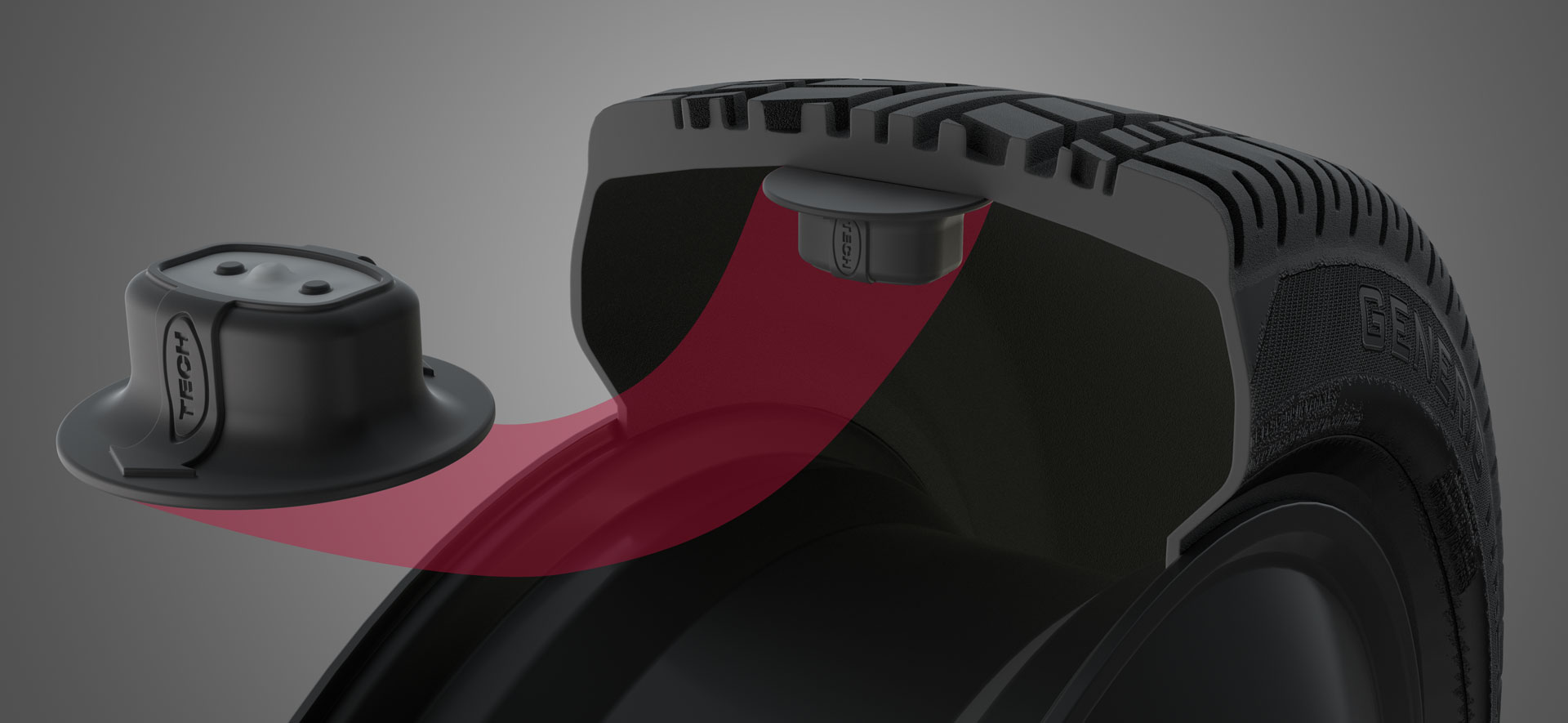
One of the most significant impacts of integrating IoT and AI into tyre design is the ability to monitor tyre health in real-time. Embedded IoT sensors can continuously track parameters such as pressure, temperature, and tread wear. These sensors collect data which is transmitted to a central system where AI algorithms analyze the information. This analysis results in the early detection of anomalies, such as abnormal pressure changes or excessive heat buildup.
Predictive Maintenance: Rather than waiting for a failure to occur, predictive maintenance utilizes AI to forecast potential issues. This proactive approach enhances safety by alerting drivers or fleet managers before critical failures lead to accidents. The benefits include reduced downtime, extended tyre lifespan, and optimized maintenance scheduling, contributing to significant cost savings over time.
Enhanced Tyre Design Through AI-Driven Analysis
The design phase of tyre manufacturing is being transformed by AI. Manufacturers now employ AI algorithms to analyze performance data from tests, simulations, and real-world usage. This analysis assists in the selection of materials, configurations, and tread patterns optimized for varied driving conditions such as wet roads, dry surfaces, and off-road terrain.
In practice, AI is used to simulate different design scenarios through virtual testing environments. By analyzing the properties of different rubber compounds and tire structures, AI can predict how a tyre will perform under stress, temperature variations, or diverse loads. This accelerates the design process and minimizes the risk of errors, ensuring that the final product meets rigorous safety and performance standards.
Customization and Personalization of Tyre Design
The integration of AI in tyre design also opens up possibilities for customization. By analyzing usage data specific to individual driving habits and vehicle types, tyre manufacturers can create personalized solutions. This goes far beyond a one-size-fits-all approach, enabling tweaks in design and performance specifications that are tailored to the unique needs of a driver or fleet.
Customizable features include adjustments in tread patterns and stiffness levels, optimizing grip and fuel efficiency based on real-time road and environmental conditions. Detailed sensor data and AI-driven insights mean that tyres can be fine-tuned to deliver peak performance, ensuring that every design is as efficient and safe as possible.
Advanced Quality Control and Defect Detection
Traditional quality control methods in tyre manufacturing often involve manual inspections that can be time-consuming and prone to errors. The modern approach leverages AI-powered systems to detect defects during production. High-resolution imaging and sensor inputs are used alongside AI to identify inconsistencies and manufacturing flaws far more reliably than human inspectors.
The result is a significant improvement in quality control processes. Early detection of manufacturing defects helps reduce material waste, lower production costs, and ultimately ensure that the tyres meet or exceed safety and performance benchmarks before reaching the marketplace.
Real-World Data Integration and Continuous Improvement
Continuous data collection from IoT-enabled tyres provides an invaluable feedback loop that influences ongoing design enhancements. Every mile driven generates data on how tyres behave under different conditions, which is then analyzed by AI algorithms. This real-world input allows manufacturers to refine their designs continuously, ensuring that each subsequent generation of tyres benefits from the operational experiences of earlier versions.
This data feedback accelerates innovation, enabling a dynamic cycle of improvement where predictive insights and performance metrics are incorporated into both new product designs and refinements of existing models. As a result, tyres become progressively more efficient, safer, and tailored to meet the demands of modern driving conditions.
Innovative Technologies Driving Change
Embedded Smart Sensors
IoT sensors are at the heart of the technological transformation in tyre design. These sensors are embedded within the tyre structure and capture detailed, real-time data on a host of parameters including:
- Pressure: Continuous monitoring ensures that tyres are inflated optimally, which is crucial for maintaining performance and fuel efficiency.
- Temperature: Monitoring temperature helps in early detection of overheating—which might indicate potential failures—and informs tire performance adjustments.
- Tread Wear: Data on tread wear patterns enable predictive analytics that can forecast when a tyre is nearing the end of its service life.
Smart sensors also play an essential role in enabling features such as self-diagnosis and alert systems that notify drivers about maintenance needs.
AI-Powered Virtual Testing and Simulation
Virtual testing and simulation have revolutionized the way tyres are designed and engineered. AI algorithms can simulate multiple design iterations under varied conditions without the need for physical prototypes. This process significantly expedites the design review cycle and permits extensive testing of design parameters such as material composition, pattern geometry, and structural integrity.
Manufacturers benefit from the ability to reliably predict how changes in design will affect performance. Simulation results guide engineers through the decision-making process, reducing reliance on trial-and-error methods and leading to more robust, reliable, and high-performing tyres.
Integration with Fleet Management Systems
In commercial and fleet operations, ensuring the reliability and efficiency of tyres is a critical factor. IoT and AI systems integrated into tyres provide fleet managers with real-time data that can be used to optimize operational workloads. Alerts about emerging issues help prevent costly breakdowns and facilitate just-in-time maintenance.
Fleet management systems utilize this continuous data stream to schedule maintenance, reducing unexpected downtime. This integration not only ensures that each vehicle operates at peak performance but also contributes to overall operational efficiency and cost management. By maintaining optimal tyre conditions, fleets benefit from improved safety, reduced fuel consumption, and fewer interruptions.
Manufacturing Advancements Through Technological Integration
Automation and Quality Control
In tyre manufacturing, the convergence of IoT and AI is driving major improvements in automation and quality control systems. Automated systems equipped with AI are now capable of performing precise quality checks that replace or augment traditional manual inspections.
Modern factories implement visual and sensor-based verifications to ensure that each tyre meets exact standards. These automated quality control systems rapidly identify defects ranging from material inconsistencies to structural flaws, thereby enhancing product reliability and reducing the risk of recalls. The resulting operational efficiencies also lead to a reduction in production costs and fewer instances of waste material.
Efficient Production through Simulation and Modeling
AI-driven simulation models play a significant role in streamlining the production process. Manufacturers can virtually prototype tyre designs, evaluate multiple iterations, and optimize production settings far more quickly than through conventional means. This effect not only reduces the time-to-market for new tyre designs but ensures that only the best-performing prototypes are fabricated for mass production.
By applying advanced data analytics, companies are able to predict potential production issues before they arise. This proactive approach minimizes costly downtime and ensures a smoother, more efficient manufacturing workflow.
Table: Comparing Key Features of IoT and AI Innovations in Tyre Design
| Category | Feature | Benefit |
|---|---|---|
| Real-Time Monitoring | Embedded Sensors for Pressure, Temperature, Wear | Improved Safety and Predictive Maintenance |
| AI Analysis | Data-Driven Design Modifications | Customization, Optimal Performance, Reduced Testing Time |
| Quality Control | Automated Defect Detection Systems | Enhanced Product Reliability and Reduced Waste |
| Virtual Testing | Simulations to Predict Performance | Faster Prototyping and Lower Development Costs |
| Fleet Management | Continuous Monitoring and Alerts | Optimized Maintenance Schedules and Cost Savings |
Environmental and Economic Impact
Sustainability Benefits
The strategic integration of IoT and AI is not only revolutionizing tyre performance but also addressing environmental concerns. By enabling precise data collection and analysis, manufacturers can optimize tyre designs to reduce rolling resistance. This optimization improves fuel efficiency, thereby lowering carbon emissions during vehicle operation. Furthermore, predictive maintenance reduces waste by ensuring tyres are used to their maximum potential before recycling.
Additionally, advanced simulation techniques and quality control measures reduce material waste during production. Sustainable materials and manufacturing practices, supported by accurate data and analysis, are helping the industry shift towards environmentally responsible production methods.
Economic Advantages
The advancement of IoT and AI integration in tyre design translates into noteworthy economic benefits. Predictive maintenance schedules and quality control improvements lead to lower operational costs. For consumers and fleet managers alike, the reduction in unexpected tyre failures results in less downtime and lower overall maintenance expenses.
Manufacturers benefit from streamlined production processes which reduce waste and optimize resource allocation. Enhanced safety features decrease the risk of costly accidents and recalls. Together, these factors make the integration of these technologies an economically attractive proposition across the board.
Future Directions and Innovations
Evolution of Sensor Technologies
Looking ahead, sensor technology will continue to evolve, further enhancing the capabilities of IoT-enabled tyres. Upcoming sensors are expected to improve the accuracy of data collection, measure additional parameters, and be more seamlessly integrated into various tyre components. As sensor technology matures, the resulting data will allow for even more granular analysis by AI systems.
Future developments may include multi-sensor arrays that combine data from various environmental and operational parameters. This integrated approach will make predictive models even more reliable, thereby enhancing both performance and safety.
Integration with Autonomous and Electric Vehicles
The rapid development of autonomous and electric vehicles is creating new opportunities for the integration of IoT and AI in tyre design. These vehicles demand high levels of safety and efficiency, and their operational requirements are driving innovation in tyre technology.
Autonomous vehicles benefit from tyres that continuously communicate performance data to onboard systems, thereby complementing the vehicle’s automated decision-making processes. Similarly, electric vehicles, which are highly sensitive to energy consumption and efficiency, can achieve improved range and durability through optimally designed smart tyres.
Data-Driven Product Iteration and Collaboration
The vast quantities of data generated by smart tyres create a fertile environment for ongoing product iteration. Continued collaboration between technology providers, tyre manufacturers, and automotive engineers drives innovation while ensuring the products evolve in alignment with customer requirements.
As this collaboration grows, shared data platforms and standardized communication protocols will facilitate the seamless exchange of information, enhancing overall industry practices. The integration of IoT and AI into tyre design is not a static achievement but rather a dynamic process that continuously adapts in response to emerging technologies and evolving market demands.
Conclusion and Final Thoughts
The integration of IoT and AI in tyre design marks a transformative shift in the automotive industry. By merging real-time data collection with advanced predictive analytics, manufacturers can design tyres that are more responsive to operational demands and environmental conditions. This technology-driven approach enhances performance and safety while also improving cost efficiency and sustainability. From the incorporation of smart sensors and AI-powered virtual testing to the ongoing monitoring of tyre health and the optimization of maintenance schedules, every aspect of tyre design and production is benefiting from these innovations.
As the industry moves forward, continued innovation in sensor technologies, simulation capabilities, and data integration will further solidify the role of IoT and AI. Moreover, the synergy between these technologies and the emerging markets of autonomous and electric vehicles promises even greater advancements in safety, performance, and sustainable operation. Ultimately, the ongoing development and integration of these systems will not only improve the quality and performance of tyres but also catalyze broader changes in the automotive landscape, driving enhancements in vehicle safety, efficiency, and environmental stewardship.
References
- How AI and IoT Are Revolutionizing Tyre Design and Maintenance - LinkedIn
- Intelligent Tires and IoT Integration - PTC
-
AI Impact on TPMS and Tyre Performance - Automotive IQ
- AI and IoT in Tyre Design - Nature
- Smart Tires and IoT Product Development - Velvetech
- Revolutionising the Tyre Industry with AI - SupaQuick
- Intelligent Tyre Design Systems - Lupital
- Intelligent Tyres in Fleet Management - TechCircle
Recommended Queries for Further Exploration

Last updated February 21, 2025