
Advanced IoT Drainage Solutions for Urban Flooding
Revolutionizing urban flood management through smart drainage technology
Key Highlights
- Real-Time Monitoring & Predictive Analytics: Continuous sensor data and advanced algorithms enable early detection and preventive maintenance.
- Automated Flood Response: Integrated control systems adjust water flow dynamically to mitigate flood risks.
- Improved Urban Resilience: Smart integration with broader urban infrastructure enhances overall city sustainability and responsiveness.
Introduction to IoT Drainage Solutions
Urban flooding is an increasing challenge worldwide, driven largely by rapid urbanization, climate change, and aging infrastructure networks. Traditional drainage systems are no longer sufficient, and modern cities face significant challenges in managing excess stormwater and potential flooding events. Advanced IoT drainage solutions stand out as a revolutionary approach in today’s urban management landscape by integrating real-time monitoring, predictive analytics, and automated control systems. These technologies work together to create a dynamic and responsive network capable of preventing flooding and managing drainage systems more efficiently.
The rapid development of IoT devices and sensor networks has paved the way for designing drainage systems that not only monitor water conditions continuously but also engage in proactive maintenance and real-time operational adjustments. By fusing sensor data with advanced analytics and artificial intelligence, these systems can predict possible malfunctions and adjust various control mechanisms to optimize water flow and avoid system overload during heavy rainfall events.
Core Components of IoT Drainage Systems
Sensor Networks and Data Collection
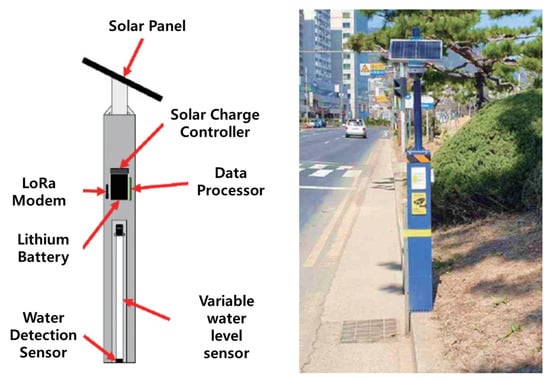
The backbone of an advanced IoT drainage solution is its extensive sensor network. These sensors are deployed across the entire urban drainage network and are responsible for continuously measuring various parameters, including water levels, flow rates, and structural integrity of drainage infrastructure.
Types of Sensors
Several kinds of sensors are integrated into these drainage systems:
- Ultrasonic and Pressure Sensors: Assist in measuring water depth within canals and underground pipes.
- Flow Sensors: Detect the speed and volume of water flow, helping to identify congestions or blockages.
- Rainfall Sensors: Monitor real-time precipitation data to correlate with drainage performance and forecast potential overflow situations.
- Environmental Sensors: Measure additional parameters such as temperature and atmospheric pressure, which can affect water behavior in drainage systems.
Data Processing and Predictive Analytics
Once collected, data from these sensors is transmitted through secure and high-speed communication channels to centralized control centers. Here, the data undergoes rigorous processing using advanced analytics and machine learning techniques. This processing is essential in making sense of large data volumes, identifying pattern anomalies, and forecasting potential failures in the drainage network.
Real-Time Analytics and AI
By leveraging real-time analytics, the system can promptly detect abnormal increases in water levels or sudden changes in flow rates. Moreover, predictive analytics use historical and live data to forecast probable points of failure. Machine learning algorithms analyze trends to schedule maintenance proactively, thus reducing the likelihood of unexpected system breakdowns during heavy storm events.
Communication Infrastructure and Connectivity
Reliable communication is critical for effective IoT drainage management. Industrial LTE routers and other wireless technologies provide the necessary backbone for seamless data transmission.
Wireless Connectivity and Cloud Integration
Wireless communication protocols ensure that data from sensors, even in remote subterranean environments, reach central operations without disruption. Data is often stored in cloud-based platforms, enabling extensive computational resources to analyze trends and support simulation models for emergency flood responses.
Automated Control and Emergency Response Systems
Advanced IoT drainage systems are not limited to monitoring; they also include automated control mechanisms that respond dynamically to changing conditions. These automated systems are crucial during heavy rainfall, where immediate responses can significantly reduce the impact of urban flooding.
Dynamic Flow Regulation
Automated valves, pumps, and gates are controlled based on sensor inputs. For instance, if water levels exceed safe parameters, the system can temporarily divert flow to alternative channels, adjust gate openings, or initiate pumping operations. This dynamic response minimizes the risk of system overload and subsequent flooding.
Integration with Broader Urban Systems
Modern IoT drainage solutions are part of an integrated urban ecosystem. By linking with smart city infrastructure—such as weather monitoring stations, traffic control systems, and emergency services—these systems can coordinate comprehensive flood management strategies. Data integration helps municipal authorities in decision making, as they have access to a consolidated view of urban dynamics during storm events.
Benefits of Advanced IoT Drainage Solutions
The implementation of IoT drainage systems brings numerous benefits to urban flood management:
Proactive Flood Prevention
One of the most important advantages of IoT-based drainage systems is their ability to serve as early warning systems. Sensors detect rising water levels and potential blockages well before severe flooding occurs. This early detection allows city officials to implement emergency measures, such as issuing evacuation alerts, optimizing traffic routes, and enforcing temporary road closures.
Enhanced Predictive Maintenance
Traditional drainage systems often rely on reactive maintenance—responding to malfunctions only after they happen. In contrast, IoT-enabled systems use predictive analytics to identify potential issues before they escalate. By predicting blockages, pipe wear, and other malfunctions based on sensor data, these intelligent networks enable scheduled maintenance that reduces downtime, lowers emergency repair costs, and extends the overall lifespan of drainage infrastructure.
Real-Time Decision Making and Control
Centralized dashboards allow city managers and emergency response teams to visualize real-time drainage system status. This visualization helps in quick decision-making during critical events. The use of automated control elements that manage water flow—and adjust the operations of urban drainage networks—ensures that these systems remain efficient even during unexpected heavy rainfall events.
Environmental and Economic Impact
Efficient drainage management reduces the risk of water pooling, sewer overflows, and urban waterlogging. This decrease in flood damage protects infrastructure, minimizes repair costs, and reduces the environmental impact associated with urban flooding. Furthermore, by promoting better water management practices, these systems contribute to the sustainability efforts of urban environments.
Economic Savings and Infrastructure Longevity
With proactive maintenance and real-time monitoring, the burden on municipal budgets is lessened considerably. Predictive maintenance reduces the need for expensive emergency interventions, while optimized water flow management minimizes damage to city infrastructure. This translates to significant long-term economic savings and enhances the overall resilience of urban structures.
Implementations and Real-World Applications
Case Studies and Pilot Projects
Several cities across the globe have already started integrating advanced IoT drainage solutions into their urban infrastructure. Pilot projects in major metropolitan areas have demonstrated measurable improvements in flood management. For example, downtown districts have implemented sensor networks that monitor underground water levels and adjust drainage operations in real time. These implementations have not only prevented potential floods but also increased awareness about the benefits of digital infrastructure.
Smart City Integration
IoT drainage systems are now an integral part of broader smart city initiatives. By combining these systems with digital twins of urban infrastructure, cities can model various flood scenarios on digital platforms. This enhances the abilities to simulate, plan, and enact robust flood prevention strategies. When integrated with other IoT-driven systems like smart traffic lights and emergency response units, urban management becomes more synchronized and efficient.
Automated and Adaptive Systems
Beyond monitoring, advanced drainage systems are capable of adapting to extreme weather conditions in real time. These systems can automatically reconfigure the operation of valves and control mechanisms not only to mitigate immediate risks but also to adapt to evolving urban conditions. As cities continue to grow and weather patterns become increasingly unpredictable, automated flood response mechanisms provide the flexibility and reliability needed to protect urban populations and infrastructure.
A Detailed Look at System Architecture
To offer a comprehensive perspective on how advanced IoT drainage solutions function, consider the following table that outlines the key components, their functions, and the benefits they provide:
| Component | Function | Benefits |
|---|---|---|
| Sensor Network | Monitors water levels, flow rates, and environmental conditions | Real-time data collection; early identification of potential issues |
| Data Analytics Platform | Processes sensor data using machine learning and predictive analytics | Proactive maintenance; predictive failure detection |
| Communication Infrastructure | Ensures secure transmission of data via LTE routers and wireless protocols | Reliable real-time connectivity; centralized data collection |
| Automated Control Systems | Regulate water flow using remotely controlled valves, pumps, and gates | Dynamic flood response; minimized overflow risk |
| Centralized Dashboard | Integrates real-time data and analytics for informed decision-making | Enhanced situational awareness; coordinated urban management |
This table highlights how each component plays a crucial role in establishing a robust and efficient urban drainage system. The interdependence of these components ensures that the system not only mitigates flood risks but also promotes sustainability and resilience in urban infrastructure.
Future Innovations and Trends
Integration with AI and Machine Learning
As technology continues to advance, the integration of AI and machine learning within IoT drainage systems is poised to further transform urban flood management. Future systems will leverage deep learning algorithms to analyze vast datasets, providing even more precise flood predictions and enhanced decision support. This will allow city planners to optimize drainage infrastructure at a micro-level, ensuring that maintenance schedules and emergency responses are finely tuned to real-time conditions.
Digital Twin Technology
Digital twin technology is emerging as a powerful tool that creates virtual models of physical drainage systems. These digital replicas allow for comprehensive simulations, enabling urban managers to test various flood mitigation strategies before applying them in the real world. With real-time data feedback, digital twins offer a dynamic method to foresee system behaviors under different weather scenarios, thereby enhancing the planning and operational capabilities of urban drainage networks.
Enhanced Connectivity and 5G Deployment
Next-generation connectivity, including 5G networks, is expected to further boost the performance of IoT drainage solutions. With faster data transfer speeds and more robust connectivity, sensors will provide cleaner, real-time data, while cloud-based analytics will operate with reduced latency. This means that during critical weather events, the drainage system’s emergency responses will be even faster, with seamless communication between all technological components ensuring minimal delays.
Smart Infrastructure Integration
The future of urban drainage is integrally tied to smart city developments. As urban ecosystems become more interconnected, drainage systems will interact seamlessly with transport, energy, and public safety networks. This holistic approach will not only make flood management more efficient but also enhance overall urban quality of life through coordinated control measures and shared data insights.
Conclusion and Final Thoughts
Advanced IoT drainage solutions mark a significant milestone in the evolution of urban flood management. By integrating a network of sensors, real-time data analytics, automated control mechanisms, and machine learning, these systems enable cities to be proactive rather than reactive. The ability to monitor drainage systems continuously, predict potential failures, and automatically respond to flood risks is revolutionizing traditional flood management strategies.
With comprehensive sensor networks coupled with dynamic control systems, urban environments can mitigate the detrimental impacts of climate change and urban growth on flood risks. The synergy between real-time monitoring, predictive maintenance, and automated emergency responses not only protects assets and infrastructure but also enhances public safety and environmental sustainability. Furthermore, with ongoing innovations such as digital twins and full-scale integration into the smart city ecosystem, these drainage solutions are set to evolve, providing even more nuanced and efficient responses to future urban challenges.
Overall, as cities embrace advanced IoT technologies, they lay the foundation for more resilient, sustainable, and efficient urban environments—ensuring that both current and future generations are better protected against the challenges posed by urban flooding.
References
- Drainage Systems Using IoT: Revolutionizing Urban Flood - LinkedIn Pulse
- Revolutionizing Drainage Management: IoT-Based Smart Drainage & LTE Router - AlotcerIOT
- Using the Internet of Things for Drainage - LinkedIn Pulse
- Smart Stormwater Management Programs Rely on IoT Technology - Stormwater
- Smart Drainage Systems: Transforming Urban Infrastructure - Rollehump
- New Technology in Drainage - Thermatic Technical
Recommended Further Reading
Last updated February 25, 2025