
Sustainable Drainage Systems and Climate Adaptation
Exploring Innovative Urban Water Management for a Resilient Future
Key Highlights
- Flood Risk Mitigation: SuDS reduce peak flows and manage increased rainfall effectively.
- Environmental Benefits: They enhance water quality, support biodiversity, and integrate green infrastructure.
- Climate Resilience: SuDS serve as a dynamic adaptation tool in urban planning to confront climate change challenges.
Introduction
Sustainable Drainage Systems (SuDS) have gained prominence as a forward-thinking solution to urban water management challenges, particularly in the context of climate adaptation. Unlike traditional drainage infrastructures that often rely solely on rapid conveyance of stormwater, SuDS are designed to emulate natural hydrological processes. This innovative approach not only reduces the likelihood of urban flooding but also offers additional environmental and social benefits. By incorporating techniques that promote infiltration, storage, and natural evapotranspiration, these systems help manage increasing precipitation volumes due to climate change.
This comprehensive discussion dives into the principles of SuDS, examining how these systems contribute to climate change adaptation. We will explore their various components, the advantages they offer, implementation challenges, and integrative strategies with broader urban planning and climate policy frameworks.
Defining Sustainable Drainage Systems (SuDS)
At its core, a Sustainable Drainage System refers to a set of approaches and techniques that manage surface water runoff by replicating natural drainage patterns. These systems are designed to intercept, delay, and treat rainwater at its source. The overarching philosophy behind SuDS is to replace conventional “hard” drainage infrastructure with multifunctional features that not only address stormwater management but also provide ecological, aesthetic, and social benefits.
Key Functions of SuDS
SuDS operate on several fundamental principles that ensure effective management of urban runoff:
1. Source Control
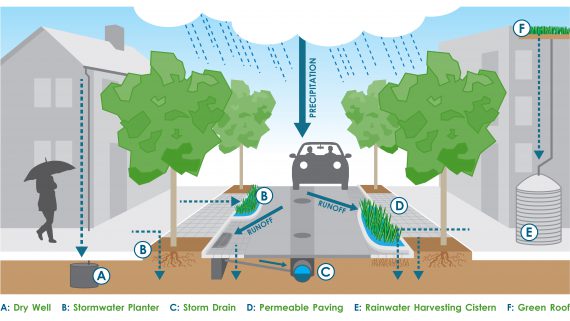
Managing water at the point of generation is a primary function of SuDS. Techniques like green roofs, permeable pavements, and rain gardens capture rainwater where it falls, minimizing the volume that enters the drainage network. This localized control is crucial in reducing the impact of sudden, heavy downpours.
2. Retention and Storage
SuDS systems incorporate retention basins, ponds, and wetlands designed to temporarily store stormwater. This temporary storage delays water discharge into larger watercourses, thereby moderating peak flows and reducing pressure on downstream infrastructure.
3. Infiltration
Techniques such as soakaways and infiltration trenches allow water to gradually seep into the soil, recharging groundwater reserves. This method not only mitigates runoff but also helps to maintain the natural groundwater balance, a key aspect given the increasing water scarcity issues driven by climate shifts.
4. Conveyance with Treatment
SuDS employ vegetated swales and filter drains that transport water across the urban landscape. These systems provide an additional treatment step, filtering pollutants along the way and ensuring that only cleaner water is eventually released into natural water bodies.
SuDS and Climate Adaptation Benefits
The rapid evolution of climate change has necessitated adaptive strategies in urban infrastructure, and SuDS are at the forefront of this paradigm shift. As urban centers grapple with a rising frequency of extreme weather events, sustainable drainage offers a multi-faceted approach tailored to enhance resilience.
Flood Risk Mitigation
Thin-width urban drainage systems traditionally designed for historical rainfall regimes are increasingly inadequate in the face of modern, intense precipitation events. SuDS, by detecting water at its point of origin and managing its flow via localized retention and controlled infiltration, are better equipped to prevent the overloads that could trigger urban floods. Particularly, by delaying runoff and smoothing out discharge rates, these systems significantly reduce peak water volumes, helping to curb rapid flooding events. Engineers and urban planners are highlighting that even incremental increases in local infiltration and temporary water storage can translate to a substantial reduction in flood risk.
Water Quality Improvement
Urban runoff is often laden with pollutants, ranging from oil and heavy metals to pesticides and sediment. SuDS incorporate natural filtration processes that capture and neutralize these contaminants before they reach rivers and lakes. Green infrastructures, such as vegetated swales and rain gardens, act as biofilters—plants and soil bind with and decompose pollutants, leading to water that is significantly cleaner when it eventually re-enters the ecosystem. Enhanced water quality means that downstream water bodies can support healthier aquatic life, contributing to broader ecological stability.
Biodiversity and Green Infrastructure Enhancement
One of the less direct, yet vitally important benefits of SuDS is the enhancement of urban biodiversity. By incorporating green spaces such as rain gardens, green roofs, and wetlands, SuDS provide habitats for a wide range of urban flora and fauna. These landscaped features create corridors and refuges in otherwise dense, built-up areas, supporting species diversity and promoting ecological resilience. For instance, green roofs not only manage rainwater but also serve as sanctuaries for birds and insects, balancing urban ecosystems and offering residents a touch of nature amid cityscapes.
Urban Heat Island Mitigation and Social Benefits
Urban heat islands—zones within cities that are significantly warmer than their surrounding rural areas—are primarily a result of concrete-heavy environments that absorb and radiate heat. SuDS contribute to mitigating this effect by integrating water bodies and vegetation, which offer evaporative cooling. Additionally, these green infrastructures foster community well-being by enhancing urban aesthetics and providing recreational spaces. The integration of SuDS can lead to more comfortable, vibrant urban environments, encouraging local social interaction and improving public health.
Components and Technologies in SuDS
The effectiveness of SuDS lies in its varied array of components, each selected based on local needs, climatic conditions, and spatial constraints. These components are not only functional but are also designed to be synergistic, ensuring a holistic approach to urban drainage.
Common SuDS Components
| Component | Description | Primary Benefit |
|---|---|---|
| Rain Gardens | Shallow, planted depressions that collect and absorb rainwater | Pollutant filtering and localized infiltration |
| Permeable Pavements | Pavement materials that allow water to pass through | Reduced surface runoff and improved groundwater recharge |
| Green Roofs | Vegetated roof layers that absorb and delay rainwater | Thermal insulation and reduced roof runoff |
| Vegetated Swales | Shallow, vegetated channels that convey water | Moderated flow rates and enhanced pollutant removal |
| Retention Basins | Depressions designed to store runoff temporarily | Peak flow attenuation and flood risk reduction |
Advanced Technologies in SuDS Implementation
Beyond the common components, emerging technologies are pushing the envelope in SuDS design:
Smart Monitoring Systems
Integration of sensors and remote monitoring technologies now allows for real-time data collection on water levels, flow rates, and pollutant loads. This capability enables proactive management, where potential issues are identified and addressed before they evolve into larger problems. Smart systems optimize the functioning of SuDS by adjusting operational parameters in response to changing weather conditions or unexpected surges in runoff.
Modular and Scalable Designs
As urban landscapes continue to evolve, so do the technical demands placed on drainage systems. Modular SuDS designs provide flexibility, allowing infrastructure to be scaled up or down in response to urban development. Such designs are particularly advantageous in cities experiencing rapid growth, as these systems can be adapted without necessitating large-scale infrastructural overhauls.
Innovative Planning and Integration
The true potential of SuDS is realized when they are integrated into urban planning from the outset. Rather than retrofitting traditional drainage networks, modern urban designs incorporate SuDS as a foundational element. This integration not only promotes multi-functionality—where even public spaces are designed to assist with stormwater management—but also ensures long-term sustainability and adaptability in the face of climate change.
Challenges and Considerations in SuDS Implementation
Despite the multitude of benefits, implementing SuDS is not without its challenges. A number of technical, economic, and social factors must be carefully balanced to ensure that SuDS designs are both effective and sustainable.
Technical and Design Considerations
Precision in the design stage is crucial. Engineers must anticipate a range of climatic scenarios, including extreme rainfall events that exceed historical records. The performance of SuDS often hinges on site-specific variables such as soil permeability, urban density, and existing infrastructure. Thus, rigorous hydrological modeling and design simulations are imperative to tailor SuDS to local conditions.
Additionally, the effective performance of SuDS can depend on maintenance regimes. Over time, sediment buildup and vegetation changes may alter performance dynamics. Establishing clear maintenance guidelines and ensuring ongoing oversight is essential to preserving the intended benefits of these systems.
Economic and Policy Challenges
Financial barriers and policy inertia can sometimes impede the adoption of SuDS. While the long-term benefits—in terms of flood prevention, environmental sustainability, and community health—are substantial, the initial investment can be higher compared to conventional drainage infrastructure. Budget constraints, particularly in municipalities that face competing priorities, often require innovative funding models and public-private partnerships to overcome.
Moreover, regulatory frameworks need to evolve in parallel with these technological advancements. Policy measures that incentivize green infrastructure, streamlined planning permissions, and integrated urban water management are critical to mainstreaming SuDS in urban development.
Integration with Broader Urban Systems
Urban drainage does not exist in isolation; its effectiveness is closely tied to overall city planning. For SuDS to contribute effectively to climate adaptation, they need to be integrated into comprehensive urban resilience strategies. Collaboration among city planners, environmental engineers, and local communities ensures that SuDS complement other aspects of urban design—from transportation networks to recreational green spaces.
Case Studies and Real-World Applications
Several cities worldwide have adopted SuDS as crucial components of their urban infrastructure. These case studies underscore the practical applications of SuDS and highlight lessons learned through real-world deployments.
Urban Transformation in European Cities
Many European cities have transformed their approach to urban drainage by embracing SuDS. In these urban settings, innovative retrofits combined with new developments featuring rain gardens, permeable pavements, and extensive vegetative swales have significantly reduced urban flooding events. Authorities report that these interventions have not only improved flood resilience but also created new public spaces and boosted urban biodiversity.
Innovative Projects in North American Cities
In parts of North America, municipalities facing repeated flooding have turned to SuDS as part of their climate adaptation strategies. Here, integrated systems combine smart technology with modular design to maximize performance. The use of real-time monitoring systems has helped engineers adjust operational parameters dynamically during storm events, demonstrating how SuDS can be an adaptable, responsive tool within modern water management practices.
Emerging Projects in Asian Megacities
Rapid urbanization and intense weather patterns in Asian megacities have led to a reconsideration of conventional drainage mechanisms. SuDS are being leveraged in high-density settings to manage stormwater through innovative vertical gardens, hybrid retention systems, and integrated water-sensitive urban designs (WSUD). These projects evidence the growing trend of embedding environmental resilience into the fabric of urban development.
The Future of SuDS in Urban Climate Adaptation
Looking ahead, the role of Sustainable Drainage Systems in urban planning is poised to grow as cities around the world prepare for the long-term impacts of climate change. Technological advancements, evolving urban policies, and increasing public awareness about environmental sustainability are creating a fertile ground for the wider adoption of SuDS.
Emerging Research Trends
Current research is focused on enhancing the predictive accuracy of hydrological models, exploring the use of novel materials in permeable pavements, and leveraging machine learning for real-time system optimization. As these initiatives evolve, they promise to integrate even more seamlessly into urban development projects, offering robust solutions to the challenges of unpredictable rainfall patterns and extreme weather events.
Studies indicate a measurable correlation between the implementation of SuDS and reduced urban flood damage, highlighting the importance of integrating these systems with broader climate adaptation strategies. This growing body of research will support future innovations and serve as a resource for policymakers and urban planners alike.
Policy and Community Engagement
The future success of SuDS will depend largely on strong policy measures that promote sustainability and facilitate funding allocation. Additionally, community engagement is essential to ensure that projects not only function efficiently but also meet local needs. Public consultations, participatory design processes, and educational initiatives are crucial components in fostering a culture of resilience. As community awareness increases, the demand for aesthetically pleasing yet functional green infrastructure will drive further investments in SuDS.
Cross-sector collaborations, including those between government agencies, private developers, and environmental groups, are already emerging as critical levers to making SuDS a standard part of urban infrastructure planning. These partnerships not only generate innovative solutions but also help address the maintenance challenges associated with these systems through shared governance and responsibility.
Comparative Insights: Traditional Versus Sustainable Drainage Systems
To understand the transformative potential of SuDS, it is instructive to compare it with conventional drainage systems. Traditional urban drainage typically centers on quickly channeling rainwater away from populated areas using impermeable surfaces and high-capacity pipes. While effective in standard scenarios, these systems fall short when dealing with extreme rainfall events and rapid urbanization.
Traditional Drainage Systems
Conventional drainage systems. designed for periods of moderate rainfall, are often characterized by a lack of flexibility and minimal environmental integration. These systems tend to prioritize speed over sustainability and do little to filter pollutants or enhance biodiversity. Moreover, as climatic conditions shift towards more unpredictable patterns, these traditional networks risk becoming overwhelmed, contributing to urban flooding and infrastructure degradation.
Sustainable Drainage Systems
In contrast, SuDS are built on concepts that prioritize multi-functionality and environmental reintegration. By buffering stormwater through natural processes, they provide a dual benefit: reducing flood risk and improving the urban environment. Although initial costs may be higher, the long-term savings in reduced flood damage, environmental remediation, and enhanced urban well-being are significant.
A comparative analysis shows that, for cities confronting climate change, SuDS offer a more adaptive, resilient, and sustainable approach to water management. As cities expand and climatic conditions become more erratic, the integrated benefits of SuDS will become increasingly indispensable.
Conclusion
Sustainable Drainage Systems represent a paradigm shift in urban water management, offering a comprehensive strategy to address the myriad challenges posed by climate change. By mimicking natural hydrological processes, SuDS alleviate flood risks, enhance water quality, and promote urban biodiversity. Their multi-dimensional benefits extend beyond mere water management—they contribute to the creation of greener, more liveable cities, and foster community resilience in the face of increasingly erratic weather patterns.
As cities evolve under the pressure of climate change, integrating SuDS into urban planning is not just a technical choice but a necessary adaptation strategy. The transition to SuDS requires a collaborative approach, integrating engineering innovation, adaptive urban policies, and active community involvement. While challenges in initial costs and maintenance persist, ongoing research, smart technologies, and policy reforms are well-positioned to address these issues.
In summary, the adoption of Sustainable Drainage Systems is pivotal for urban centers worldwide to build resilience, improve environmental quality, and ensure sustainable growth. This integrated approach not only mitigates the risks associated with extreme weather events but also lays the foundation for healthier ecosystems and more robust urban communities.
References
- SuDS - Homebuilding - Homebuilding.co.uk
- Sustainable Drainage Systems - SDCC
- Improving Urban Drainage Systems to Adapt to Climate Change
- Adapting to Climate Change Through Resilient Drainage Systems
- Sustainable Drainage Background - SuDSrain
-
ScienceDirect Article on Urban Drainage
Recommended Related Queries
Last updated February 22, 2025