
Unpacking "It Ends with Us": Beyond the Hype – A Critical Examination of Colleen Hoover's Phenomenon
Delving into the novel's emotional power, controversial portrayals, and lasting cultural impact.
Colleen Hoover's 2016 novel, It Ends with Us, has transcended the literary world to become a cultural touchstone, largely propelled by its immense popularity on social media platforms like BookTok. The narrative follows Lily Bloom as she navigates newfound love with the charming neurosurgeon Ryle Kincaid, while simultaneously confronting echoes of her traumatic past and a rekindled connection with her first love, Atlas Corrigan. While lauded for its raw emotional honesty and its bravery in tackling the difficult subject of domestic abuse—a theme deeply personal to the author—the novel has also faced considerable scrutiny. This critical examination seeks to explore the multifaceted reception of It Ends with Us, weighing its undeniable strengths against its narrative and thematic criticisms.
Key Highlights: A Snapshot of the Discourse
- Emotional Resonance and Awareness: The novel is widely praised for its powerful depiction of domestic abuse from the victim's perspective, fostering empathy and raising awareness about the complexities of such relationships.
- Contentious Characterizations and Romantic Tropes: Significant criticism targets the potential romanticization of the abuser, Ryle Kincaid, and the use of conventional romance tropes that some argue detract from the gravity of the central theme.
- Cultural Impact and Ongoing Debate: The book's massive success and subsequent film adaptation have fueled ongoing discussions about the responsible portrayal of sensitive topics in popular fiction and the potential for misinterpretation.
The Heart of the Matter: Emotional Impact and Thematic Strengths
One of the most significant achievements of It Ends with Us is its profound emotional impact on readers. Hoover masterfully crafts Lily Bloom's internal world, allowing readers an intimate view of the insidious nature of domestic violence. The story's power is amplified by the author's note, where Hoover reveals that the novel was inspired by her mother's experiences, lending an undeniable layer of authenticity and urgency to the narrative. This personal connection resonates deeply with many, making the story feel both real and important.
The narrative device of Lily’s childhood journals, addressed to Ellen DeGeneres, is particularly effective. These entries offer a poignant contrast between Lily’s past hopes and innocence and the harrowing realities of her adult life. They not only provide crucial backstory, particularly regarding her relationship with Atlas, but also illuminate the long-term effects of witnessing abuse in her formative years. This structure helps to build a compelling case for Lily’s internal conflicts and her ultimate resolve to break the cycle of abuse, encapsulated in the book's powerful titular line.
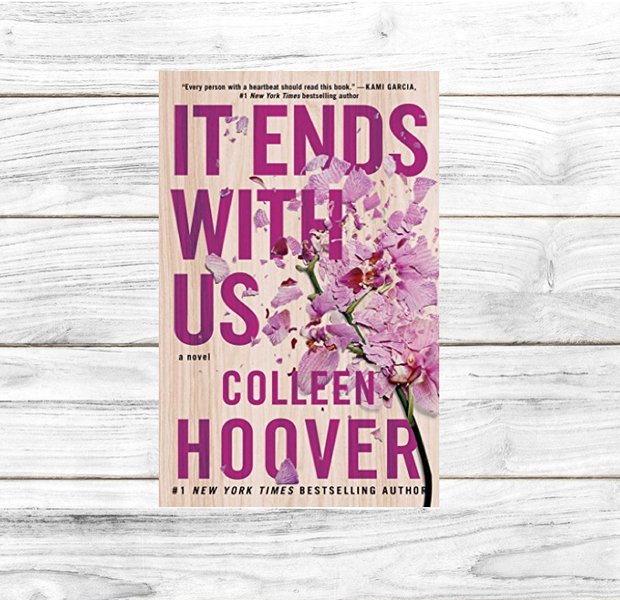
The novel "It Ends with Us" has captivated readers worldwide, sparking both praise and critical discussion.
Raising Awareness: A Double-Edged Sword
Undeniably, It Ends with Us has brought the conversation about domestic abuse to a vast audience, many of whom might not typically engage with such heavy subject matter. For countless readers, the book has been an eye-opening and validating experience, shedding light on why individuals might stay in abusive relationships and the immense courage it takes to leave. The portrayal of the cycle of abuse – tension building, incident, reconciliation, and calm – is recognizable and educates readers on these patterns. However, the very platform that amplified its message also became a conduit for criticism regarding its handling of these sensitive themes.
Points of Contention: Narrative Choices and Character Dynamics
Despite its strengths, It Ends with Us has drawn considerable criticism for several aspects of its narrative and character development. These critiques often center on the portrayal of the male leads and the deployment of romance genre conventions in a story about abuse.
Ryle Kincaid: The Enigma of the Charming Abuser
Ryle Kincaid is perhaps the most controversial character in the novel. Introduced as charismatic, ambitious, and intensely loving towards Lily, his subsequent abusive outbursts are shocking and deeply unsettling. Hoover attempts to add complexity to Ryle by attributing his violent behavior to unresolved childhood trauma, specifically the accidental shooting of his younger brother. While this backstory aims to explain his aggression, critics argue that it risks eliciting undue sympathy for Ryle, potentially minimizing his accountability and inadvertently romanticizing the "tortured abuser" trope. The narrative's focus on Lily's enduring love for Ryle, despite the abuse, has led some to feel that the severity of his actions is downplayed, blurring the lines between passionate intensity and dangerous control.
Lily Bloom: A Journey of Strength and Questionable Decisions
Lily's journey is central to the novel's message of empowerment. Her struggle to reconcile her love for Ryle with the abuse she endures, and her eventual decision to end the relationship for the sake of her daughter, is portrayed with emotional depth. However, some of Lily's choices have been criticized as straining credibility. Her quick marriage to Ryle in Las Vegas, for example, is seen by some as impulsive and undermining the seriousness of her situation. While these decisions might reflect the confusion and denial often experienced by victims of abuse, their depiction in the novel has frustrated some readers who felt the red flags were overwhelmingly apparent.
Atlas Corrigan: The Idealized Safe Haven?
Atlas Corrigan, Lily's first love, re-enters her life as a symbol of safety, unconditional love, and understanding. He stands in stark contrast to Ryle's volatility. While Atlas provides crucial support for Lily and represents a healthy alternative, critics argue that his characterization can feel one-dimensional or overly idealized. He functions almost as a "perfect" male figure, which, while offering hope, can simplify the complex emotional landscape Lily navigates. The love triangle dynamic itself, a common romance trope, is seen by some as detracting from the core issue of domestic violence, reframing Lily’s struggle as a romantic choice rather than a fight for survival and self-preservation.
Comparative Character Aspects
The table below outlines key aspects of the main characters, highlighting their roles and the complexities in their portrayal which contribute to the novel's central conflicts and debates.
| Character | Role in Narrative | Key Traits | Strengths in Portrayal | Common Criticisms in Portrayal |
|---|---|---|---|---|
| Lily Bloom | Protagonist, victim of abuse, catalyst for breaking the cycle | Resilient, compassionate, conflicted, determined | Provides an intimate perspective on abuse; demonstrates growth and empowerment | Some decisions strain credibility; internal conflict sometimes overshadowed by romantic elements |
| Ryle Kincaid | Antagonist/Love interest, abuser | Charming, successful, intelligent, volatile, possessive | Depicts the duality of abusers (loving and violent); explores trauma as a potential root of behavior | Risk of romanticization; trauma backstory seen as potentially excusing abuse; lack of full accountability |
| Atlas Corrigan | Secondary love interest, Lily's first love, symbol of safety | Kind, supportive, understanding, stable, protective | Offers a stark contrast to Ryle, representing a healthy relationship; provides crucial support to Lily | Can appear idealized or one-dimensional; reinforces romance tropes |
Navigating Nuance: A Radar Chart Perspective
To visualize the varied perspectives on It Ends with Us, the following radar chart offers an opinionated analysis comparing perceived strengths, critical concerns, and the author's inferred intent across several key literary aspects. This is not based on empirical data but rather a synthesis of common viewpoints expressed in reviews and discussions. The scale assesses the perceived effectiveness or prominence of each aspect, with higher scores indicating greater perceived strength or focus.
This chart illustrates how different readings of the book can lead to varying assessments. For instance, while fans may rate the 'Emotional Impact' very highly, critics might score 'Nuance in Ryle's Character' lower due to concerns about romanticization. The 'Author's Inferred Intent' suggests an aim to deliver a powerful anti-abuse message, which is largely perceived as successful, though the execution of other elements remains debatable.
The Weight of Realism: Depicting Abuse and Its Aftermath
A significant point of discussion is the novel's depiction of the realities of leaving an abusive relationship. While Lily's ultimate decision to leave Ryle is empowering, some critics and experts in domestic violence argue that the resolution is overly neat or simplistic. Lily's financial independence, her supportive friend network, and Atlas's unwavering presence contribute to a relatively smooth departure. For many survivors, the path to leaving is fraught with far greater obstacles, including financial insecurity, lack of support, and continued danger from the abuser. The book, while impactful, might not fully capture the gritty, prolonged, and often perilous nature of escaping abuse for everyone.
The sequel, It Starts with Us, which explores Lily and Atlas's relationship and their co-parenting arrangement with Ryle, has also faced criticism for potentially downplaying the long-term impact of Ryle's behavior and for feeling somewhat rushed or driven by commercial demand rather than narrative necessity.
Mapping the Discourse: Key Elements of "It Ends with Us"
The following mindmap provides a visual overview of the central themes, characters, narrative devices, and critical discussions surrounding It Ends with Us. It aims to encapsulate the multifaceted nature of the novel and its reception.
Critical Analysis"] id1["Themes"] id1a["Domestic Abuse Cycle"] id1b["Love & Sacrifice"] id1c["Trauma (Generational & Personal)"] id1d["Resilience & Empowerment"] id1e["Breaking Cycles"] id2["Characters"] id2a["Lily Bloom"] id2a1["Protagonist"] id2a2["Survivor's Perspective"] id2a3["Internal Conflict"] id2b["Ryle Kincaid"] id2b1["Abuser with Charm"] id2b2["Traumatic Backstory"] id2b3["Controversial Portrayal"] id2c["Atlas Corrigan"] id2c1["First Love / Safe Haven"] id2c2["Idealized Figure?"] id3["Narrative Elements"] id3a["First-Person POV (Lily)"] id3b["Journal Entries (Flashbacks)"] id3c["Love Triangle"] id3d["Author's Personal Note"] id4["Strengths"] id4a["Emotional Impact"] id4b["Raises Awareness of DV"] id4c["Relatable Protagonist"] id4d["Powerful Message of Hope"] id5["Criticisms"] id5a["Romanticization of Abuser"] id5b["Use of Romance Tropes"] id5c["Character Credibility (Lily's choices)"] id5d["Oversimplified Resolution"] id5e["Atlas as Underdeveloped"] id6["Cultural Impact"] id6a["BookTok Phenomenon"] id6b["Movie Adaptation & Controversies"] id6c["Sparked Public Discourse"] id6d["Debate on Responsible Storytelling"]
This mindmap illustrates the interconnectedness of the novel's components. For example, Ryle's character (id2b) is central to both the theme of domestic abuse (id1a) and the criticisms regarding romanticization (id5a). Similarly, the narrative structure, including journal entries (id3b), contributes to Lily's character development (id2a) and the book's overall emotional impact (id4a).
The Broader Conversation: Cultural Impact and Controversies
The immense popularity of It Ends with Us, significantly boosted by BookTok, has made it a focal point for discussions about how popular culture portrays sensitive issues. The announcement and subsequent marketing of the film adaptation, starring Blake Lively as Lily and Justin Baldoni as Ryle, reignited debates about whether the story, particularly in its visual representation, risks glamorizing domestic abuse. Critics and some survivors expressed concern that the aesthetic choices and promotional materials focused more on the romance and attractive cast, potentially overshadowing the book's core message about the horrors of abuse. Controversies also arose around a planned coloring book adaptation, which was quickly canceled after backlash for trivializing the novel's serious themes.
These discussions highlight the delicate balance authors and creators must strike when dealing with trauma. While fiction can be a powerful tool for empathy and education, there's a fine line between engaging storytelling and the potential misrepresentation or exploitation of painful realities. The case of It Ends with Us serves as a potent reminder of the responsibility that comes with depicting such topics for a mass audience.
The video above, titled "The REAL Problem With It Ends With Us," delves into some of the criticisms leveled against the novel, particularly concerning the portrayal of its male lead and the handling of toxic relationship dynamics. Such analyses contribute to a wider critical conversation, urging readers to engage with the text thoughtfully and consider the potential implications of its narrative choices. It reflects a segment of the audience that, while acknowledging the book's popularity, questions the underlying messages about attraction, toxicity, and accountability in relationships as depicted by Hoover.
Frequently Asked Questions (FAQ)
What are the main themes of *It Ends with Us*?
The primary themes include domestic abuse, the cycle of violence, love, sacrifice, resilience, personal growth, motherhood, and the courage it takes to break harmful patterns for oneself and future generations. It also explores the complexities of trauma and its impact on relationships.
Why is Ryle Kincaid's character so controversial?
Ryle is controversial because he embodies the "charming abuser" archetype. He is initially presented as a desirable romantic partner, making his subsequent abusive actions particularly jarring. Critics argue that the novel spends considerable time on his positive traits and Lily's love for him, and that his traumatic backstory (accidentally killing his brother) is presented in a way that might elicit sympathy or seem to excuse his behavior, potentially romanticizing or downplaying the severity of his abuse.
Is *It Ends with Us* based on a true story?
Yes, in part. Colleen Hoover revealed in the author's note that the novel was inspired by her mother's experience of surviving an abusive marriage. This personal connection adds a layer of authenticity and emotional weight to the story for many readers.
What are common criticisms of the book?
Common criticisms include the potential romanticization of the abuser (Ryle), the use of conventional romance tropes (like the love triangle) that some feel detract from the seriousness of the abuse narrative, questions about the credibility of some of Lily's decisions, the portrayal of Atlas as an overly idealized character, and a resolution that some find too neat or unrealistic given the complexities of leaving abusive relationships.
How does the book portray the cycle of abuse?
The novel depicts the cycle of abuse through Ryle's behavior: periods of tension building, followed by an abusive incident (verbal, emotional, or physical), then a period of remorse, apologies, and "honeymoon" behavior from Ryle, which gives Lily hope, before the tension begins to build again. This pattern is a recognized characteristic of many abusive relationships.
Recommended Further Exploration
- How does the portrayal of Ryle Kincaid in "It Ends with Us" affect reader perceptions of individuals who commit domestic abuse?
- In what ways do Lily's journal entries enhance or detract from the main narrative of domestic abuse in "It Ends with Us"?
- To what extent does Atlas Corrigan function as a realistic character versus a symbolic plot device in "It Ends with Us"?
- What are the ethical implications of marketing "It Ends with Us" within the romance genre, considering its central focus on domestic violence?
References
 pankajgiriauthor.wordpress.com
 mrsbbookreviews.wordpress.com

Last updated May 19, 2025