
The Role of IT in Addressing the Philippines' Traffic and Transportation Challenges
Innovative IT Solutions for Sustainable Urban Mobility in the Philippines
Highlights
- Smart Traffic Management: Real-time monitoring, intelligent traffic lights, and data analytics are crucial for managing congestion.
- Digital Public Transportation: Mobile applications and integrated platforms facilitate efficient public transit and reduce reliance on private vehicles.
- Innovative Infrastructure Integration: Embracing technologies like IoT, AI-driven traffic simulations, and automated systems to transform urban mobility.
I. Introduction
1. Hook: Captivating the Reader
Imagine traversing the vibrant yet congested streets of Metro Manila, where daily gridlock not only tests your patience but also incurs staggering economic losses. With millions of commuters and an ever-increasing number of vehicles, traffic congestion in the Philippines has reached critical levels. However, advances in information technology offer the promise of transforming these urban landscapes into models of efficiency and sustainability.
2. Background: Context and Challenges
The Philippines faces unique transportation challenges, largely due to its archipelagic geography, rapid urbanization, and burgeoning population. Major metropolitan areas such as Metro Manila, Metro Cebu, and cities like Baguio are grappling with persistent traffic chaos. Inadequate infrastructure, coupled with the high dependency on private vehicles, exacerbate congestion issues. Economic losses run into billions of pesos annually, while road safety and air pollution become ever-growing concerns.
Traffic congestion not only hampers productivity but also impacts the quality of life. Traditional traffic management systems are increasingly proving insufficient in adapting to evolving urban needs. Against this backdrop, innovative IT solutions—ranging from sophisticated real-time monitoring systems to data-driven analytics and smart public transportation applications—emerge as indispensable tools in revitalizing the country’s transportation ecosystem.
3. Thesis Statement: Advancing Urban Mobility Through IT Innovation
The integration of cutting-edge IT solutions in the Philippine transportation system can alleviate traffic congestion, optimize public transportation, and pave the way for a more sustainable urban future. By leveraging real-time data, artificial intelligence, and digital platforms, the country can not only streamline traffic flow but also foster safer and more efficient mobility networks.
II. Proposed IT Solutions for Traffic and Transportation
1. Smart Traffic Management Systems
a. Real-Time Traffic Monitoring
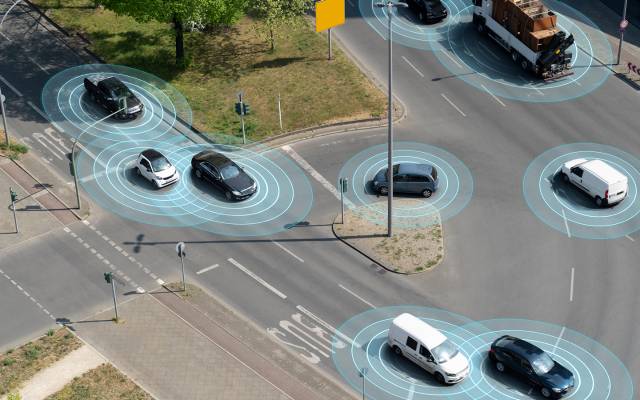
Utilizing Internet of Things (IoT) sensors, high-definition cameras, and edge computing, real-time traffic monitoring systems can gather instantaneous data from key intersections and roadways. This approach enables authorities to swiftly detect congestion hotspots, manage incidents, and adjust traffic patterns on the fly.
b. Intelligent Traffic Lights
Adaptive traffic signals, integrated with AI algorithms, dynamically adjust their timing based on current traffic conditions. These systems can lower waiting times, reduce idle periods, and balance traffic flow across multiple intersections. The outcome is a smoothly transitioning vehicular movement that minimizes stops and delays.
2. Data-Driven Decision Making
a. Big Data Analytics and Predictive Modeling
Through the collection and analysis of vast quantities of historical and real-time traffic data, government bodies and private enterprises can identify recurring patterns and predict congestion outbreaks. Predictive models enable proactive management strategies, ensuring that potential bottlenecks are addressed before they escalate.
b. Traffic Simulation Tools
Modern simulation software can recreate realistic traffic scenarios to assess intervention strategies before implementation. These tools use rich datasets to simulate the impact of variables such as road closures, special events, or infrastructure changes. This proactive planning minimizes the risk of unforeseen disruptions and optimizes traffic management.
3. Digital Solutions for Public Transportation
a. Mobile Applications
Developing user-friendly applications that offer live updates on public transit schedules, route planning, and vehicle occupancy is essential. These apps can serve as digital companions for commuters, providing not only navigation support but also real-time notifications on delays or service changes.
b. Integrated Transportation Platforms
A centralized digital platform that aggregates data from buses, taxis, ride-sharing services, and even pedestrian pathways can revolutionize the way transportation systems operate. By offering a seamless interface, these platforms empower residents to make informed decisions about their travel options, promoting the use of public transportation and reducing reliance on private vehicles.
4. Promotion of Sustainable Modes of Transportation
a. Electric and Autonomous Vehicles
Innovations in vehicle technology, such as electric and autonomous vehicles, are crucial for building a greener transportation ecosystem. Investments in EV charging infrastructure paired with government incentives foster an environment conducive to the widespread adoption of eco-friendly transportation options. Furthermore, autonomous vehicles, when integrated with smart traffic management systems, could further cut down on human error and improve road safety.
b. Digital Toll and Fare Collection Systems
Implementing electronic toll collection using RFID technology and automated fare systems in public and private transport streamlines payment processes. These innovations not only reduce traffic delays at toll booths but also facilitate smoother, more efficient revenue collection for infrastructure development.
5. Collaborative Public-Private Partnerships (PPPs)
a. Encouraging Innovation through Cooperation
Strategic collaborations between government agencies, private sectors, and technology firms hold the key to rapidly deploying cutting-edge IT solutions. Such partnerships can accelerate the testing, refinement, and deployment of smart transportation systems, ensuring that solutions are both technologically sound and contextually relevant.
b. Funding and Regulatory Support
To facilitate the integration of innovative IT systems, robust funding and adaptive regulatory frameworks are necessary. This includes support for pilot projects, grants for technological development, and streamlined approval processes that encourage rapid deployment without compromising on safety or quality.
III. Comparative Analysis of IT Solutions
The following table summarizes the key innovative IT solutions, their features, and the specific transportation challenges they address within the Philippine context:
| IT Solution | Features | Benefits | Target Challenge |
|---|---|---|---|
| Smart Traffic Management Systems | IoT Sensors, Real-Time Monitoring, Adaptive Traffic Lights | Optimized traffic flow, reduced waiting times, dynamic routing adjustments | Congestion Reduction, Improved Safety |
| Data Analytics & Predictive Modeling | Big Data, Traffic Simulation, Real-Time Analytics | Proactive traffic management, preventative measures against congestion | Future Planning, Incident Prevention |
| Digital Public Transit Solutions | Mobile Applications, Integrated Platforms | Enhanced commuter information, streamlined public transportation use | Increased Public Transit Adoption, Reduced Private Vehicle Dependency |
| Sustainable Transportation Technologies | Electric Vehicles, Autonomous Driving, Digital Toll Systems | Lower carbon emissions, smoother transit flow, efficient toll collection | Environmental Sustainability, Enhanced Traffic Efficiency |
| Collaborative Public-Private Partnerships | Joint Funding, Regulatory Support, Innovation Hubs | Accelerated technology deployment, resource optimization | Rapid Implementation, Comprehensive Infrastructure Development |
IV. Implementation Strategies
1. Planning and Pilot Projects
a. Pilot Testing Various Systems
Before full-scale deployment, it is crucial to initiate pilot projects in high-density areas like Metro Manila and Metro Cebu. Pilot testing allows city planners to evaluate the performance of real-time monitoring systems and adaptive traffic signals in a controlled environment. This phase helps identify potential operational issues and gauge the impact of digital transit applications on commuter behavior.
b. Phased Rollout Based on Data
A phased approach ensures that the deployment of IT solutions is manageable and scalable. Starting in the most congested corridors and gradually expanding based on analyzed outcomes provides opportunities for iterative improvements and resource re-allocation where needed.
2. Infrastructure and Regulatory Enhancements
a. Upgrading Existing Infrastructure
IT solutions must be complemented by robust physical infrastructure upgrades. This includes improvements in road networks, enhanced connectivity for IoT devices, and modernization of public transportation terminals. Government bodies need to allocate budgetary resources to ensure that existing systems can support new technological integrations.
b. Flexible and Adaptive Regulations
Regulatory reforms are essential to keep pace with rapid technological advancements. Streamlining the approval processes for pilot projects, creating innovation-friendly policies, and ensuring cybersecurity standards are met will pave the way for smoother adoption of digital transportation solutions.
3. Training and Capacity Building
a. Skill Development for Traffic Management Authorities
Efficient operation of advanced IT systems requires a skilled workforce. Regular training sessions and capacity-building initiatives for traffic management personnel are vital. This ensures that the human resources are well-equipped to handle data analytics dashboards, oversee IoT sensor networks, and manage automated systems.
b. Public Awareness and Engagement
Beyond government and technical teams, public participation is integral to successfully implementing these solutions. Launching awareness campaigns that educate citizens about the advantages of IT-based transit systems can accelerate the adoption of digital applications and encourage a cultural shift towards more sustainable transportation practices.
V. Benefits and Long-Term Impact
1. Economic Gains
Effective IT integration in the transportation network can significantly reduce commute times, lower fuel consumption, and cut down on economic losses attributed to congestion. When drivers spend less time in traffic, productivity rises and more economic resources are redirected towards growth-enhancing activities. Additionally, streamlined toll collection and reduced transit delays lead to cumulative financial benefits for both government and private sectors.
2. Environmental Sustainability
By minimizing idle periods and promoting the use of cleaner energy alternatives, IT solutions help reduce vehicle emissions substantially. The widespread adoption of electric vehicles, smart public transit apps that discourage private vehicle use, and optimized traffic flow contribute to lowering urban carbon footprints. This commitment to sustainability not only improves air quality but also reinforces the nation’s dedication to environmentally responsible urban development.
3. Enhanced Quality of Life
Improved traffic management directly translates to shorter travel times, reduced stress levels for commuters, and a general boost in urban livability. When citizens can rely on efficient public transportation and responsive traffic systems, the overall standard of living ascends, fostering a positive feedback loop where economic and social well-being reinforce one another.
References
- Manila Traffic: A Glimmer of Hope Ahead with JICA's Intelligent Systems - Tribune
-
AI-powered Innovations Seen to Improve PH's Traffic Management - Daily Guardian
- Transforming Transportation and Logistics in the Philippines Through Technology - Zyllem
- The Philippines: AI-Powered Urban Transport in Baguio - OpenGov Asia
- Modernising Transport in the Philippines - OpenGov Asia
Recommended Related Queries
Last updated March 8, 2025