
Understanding Ithy's Business Model: Free Services and Data Monetization
Exploring how free offerings can drive revenue through user interactions
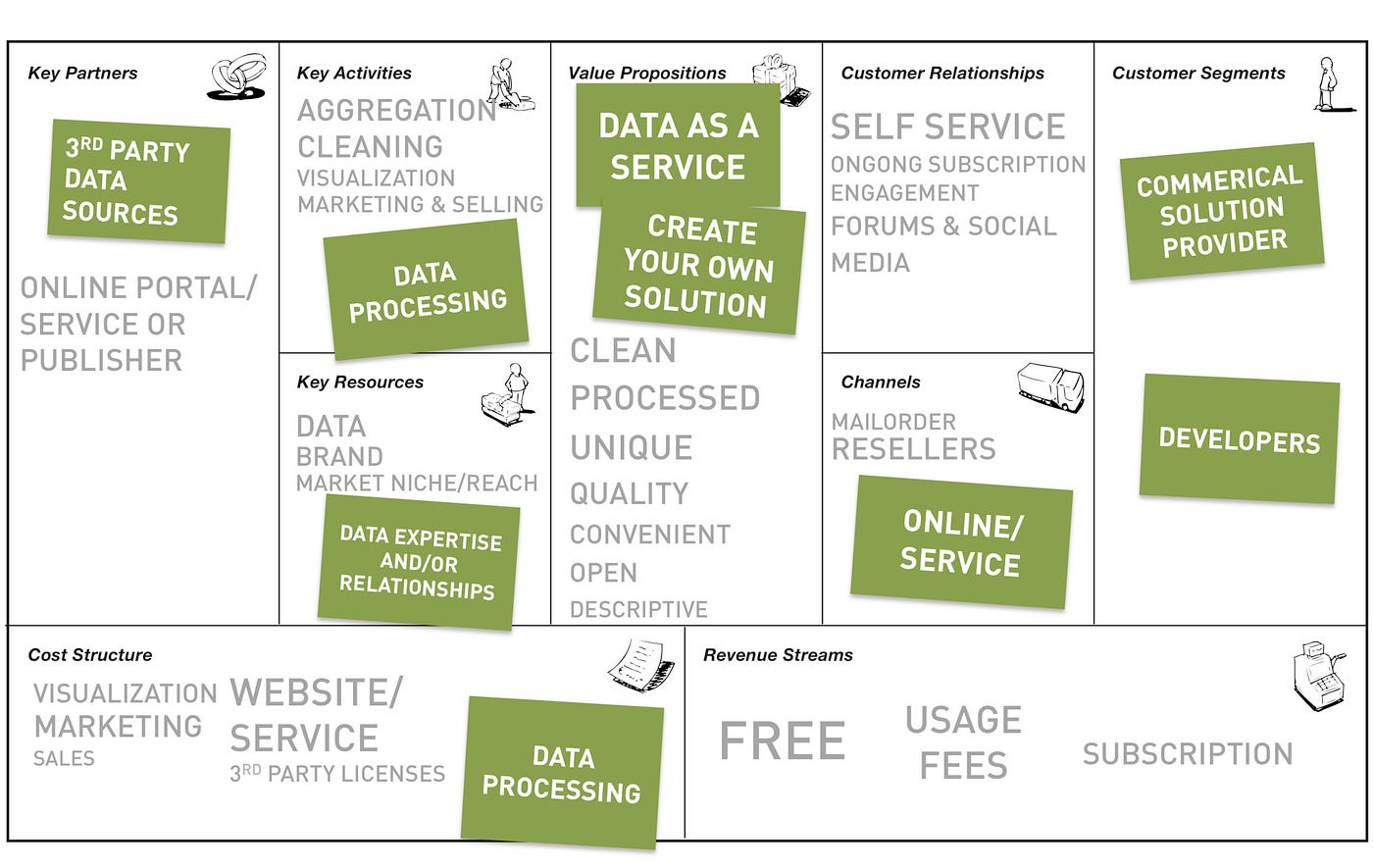
Key Takeaways
- Data Monetization as a Core Strategy: Leveraging user interactions to generate revenue through data analysis and sales.
- Indirect Revenue Streams: Utilizing a large user base for advertising, partnerships, and premium service offerings.
- Ethical and Transparent Practices: Ensuring compliance with data privacy regulations and maintaining user trust.
Introduction to Free Service Business Models
In the digital age, numerous companies adopt a business model that offers services to users at no direct cost. Companies like Ithy provide valuable services without charging users, which raises pertinent questions about how these businesses sustain themselves financially. Understanding the mechanisms behind free service models is crucial to discerning whether user interactions and data are leveraged for revenue generation either presently or in the future.
Data Monetization: The Backbone of Free Services
Primary Revenue Strategy: Data Analysis and Sales
At the heart of many free service business models lies data monetization. This strategy involves collecting, analyzing, and utilizing user data to create economic value. For a company like Ithy, which offers free services, user interactions—such as text and conversations—are a rich source of data that can be harnessed in several ways:
- Enhancing Service Quality: By analyzing user interactions, Ithy can refine and improve its AI models, ensuring more accurate and responsive services. This continuous improvement attracts more users, enhancing the platform's value proposition.
- Licensing and Selling Data: Anonymized and aggregated user data can be packaged and sold to third parties. Businesses often seek such data to gain insights into consumer behavior, market trends, and other valuable analytics.
- Developing New Products: The insights gleaned from user data can inform the development of new features or entirely new products, providing additional revenue streams.
Indirect Monetization: Advertising and Partnerships
Beyond direct data sales, free service platforms often capitalize on their large user bases to generate revenue indirectly:
- Targeted Advertising: With extensive user data, Ithy can offer highly targeted advertising opportunities to businesses. Advertisers are willing to pay a premium for ads that reach their specific audience demographics.
- Strategic Partnerships: By partnering with other companies, Ithy can offer bundled services or co-branded products, sharing revenue generated from these collaborative efforts.
- Premium Offerings: Free services act as a funnel to attract users who may later convert to paying customers for premium features, enhanced functionalities, or ad-free experiences.
Enhancing User Experience through Data
Personalization and User Engagement
User data plays a pivotal role in personalizing the user experience. By analyzing conversations and interactions, Ithy can tailor services to individual preferences, increasing user satisfaction and engagement. Personalized experiences not only foster loyalty but also encourage users to spend more time on the platform, making it more attractive to potential advertisers and partners.
Continuous Improvement of AI Models
The quality of AI-driven services hinges on the robustness of the underlying models. User interactions provide invaluable data that can be used to train and refine these models. Improved AI models lead to more accurate responses and functionalities, which in turn attract a larger user base and enhance the platform's reputation.
Future Revenue Streams and Scalability
Expanding Service Offerings
As Ithy gathers more data and refines its services, it can explore new avenues for revenue generation. This might include introducing premium tiers, offering specialized services to enterprise clients, or developing proprietary tools that leverage the extensive user data.
Licensing Proprietary Technology
With a robust dataset and refined AI models, Ithy can license its proprietary technology to other businesses. This can include offering API access, white-label solutions, or tailored AI services that other companies can integrate into their own offerings.
Ethical Considerations and Regulatory Compliance
Data Privacy and Security
Handling user data comes with significant ethical responsibilities. Ithy must ensure that user data is collected, stored, and processed in compliance with data protection regulations such as GDPR and CCPA. Implementing robust data security measures is essential to protect user information from breaches and unauthorized access.
Transparency and User Consent
Transparency in data usage policies is crucial for building and maintaining user trust. Ithy should clearly communicate how user data is used, whether it is shared with third parties, and the measures in place to protect privacy. Obtaining explicit user consent for data collection and usage is not only a legal requirement but also fosters a trustworthy relationship with users.
Ethical Data Monetization Practices
Beyond legal compliance, ethical considerations dictate how data is monetized. This includes avoiding manipulative practices, ensuring data is anonymized where possible, and providing users with control over their data. Ethical monetization practices enhance the company's reputation and long-term sustainability.
Industry Examples and Best Practices
Successful Data Monetization Models
Numerous companies have successfully implemented data monetization strategies, serving as benchmarks for Ithy. For instance:
- Google: Provides free services like Search and Gmail while generating revenue primarily through targeted advertising based on user data.
- Facebook (Meta): Offers a free social media platform, monetizing through highly targeted ads and data-driven insights for advertisers.
- Spotify: Offers a free tier supported by ads and a premium tier with additional features, leveraging user data to enhance both services.
Best Practices for Data Monetization
To emulate the success of industry leaders, Ithy should adopt the following best practices:
-
User-Centric Approach: Prioritize user experience and ensure that data monetization efforts enhance rather than detract from service quality.
-
Robust Data Governance: Implement comprehensive data governance frameworks to manage data quality, accessibility, and security effectively.
-
Continuous Compliance Monitoring: Regularly review and update data protection measures to remain compliant with evolving regulations.
-
Transparent Communication: Maintain clear and honest communication with users regarding data practices, fostering trust and loyalty.
Potential Challenges and Mitigation Strategies
Data Privacy Concerns
Users are increasingly aware of and concerned about how their data is used. To address these concerns, Ithy must ensure that data collection practices are transparent and that users have control over their data. Implementing features that allow users to opt-in or opt-out of data collection can mitigate privacy concerns.
Balancing Free Services with Revenue Generation
While offering free services can attract a large user base, it is essential to balance this with effective revenue generation strategies. Over-reliance on data monetization without providing value to users can lead to distrust and attrition. Ithy should ensure that monetization efforts align with user interests and enhance the overall service offering.
Regulatory Compliance
Adhering to diverse and evolving data protection regulations across different regions can be challenging. Ithy should establish a dedicated compliance team to monitor regulatory changes and implement necessary adjustments to data handling practices promptly.
Conclusion
Offering free services is a strategic approach that can drive significant user engagement and growth. For companies like Ithy, data monetization emerges as a plausible revenue-generating mechanism, whether through direct sales of data, targeted advertising, strategic partnerships, or the development of premium offerings. However, the success of such models hinges on ethical practices, transparency, and robust data governance to ensure user trust and long-term sustainability.
In the absence of explicit disclosures about Ithy's business model, it remains essential for users to consult the company's privacy policies and terms of service to understand how their data might be used. Companies operating in this space must navigate the delicate balance between leveraging user data for growth and maintaining ethical standards that respect user privacy and foster trust.
References
Last updated January 22, 2025