
Unlocking Efficiency: Mastering Jenkins Global Pipeline Libraries
Discover the critical best practices to streamline your CI/CD workflows.
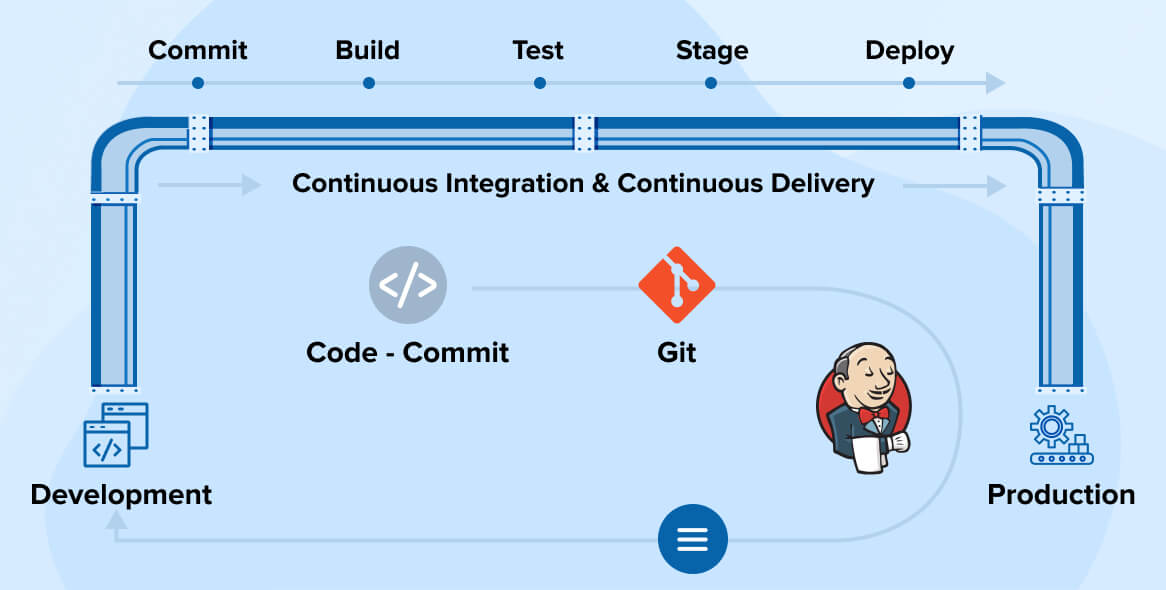
Key Highlights
- Structured Directory and Modular Code: Organize your shared libraries using a clear folder structure and leverage modularity for improved maintainability.
- Versioning, Testing, and Documentation: Employ version control, rigorous testing, and comprehensive documentation to ensure reliability and ease of updates.
- Security and Resource Management: Implement best practices for secure APIs and efficient resource management to safeguard your pipelines from potential risks.
Overview of Jenkins Global Pipeline Libraries
Jenkins Global Pipeline Libraries provide a powerful mechanism to encapsulate and reuse code across multiple Jenkins pipelines. By centralizing common functions, you can significantly reduce redundancy, simplify maintenance, and ensure consistency across projects. As modern CI/CD practices evolve, it becomes imperative to adopt structured approaches that not only streamline the development process but also harness security and performance optimizations.
Why Use Global Pipeline Libraries?
Implementing global pipeline libraries in Jenkins offers several strategic advantages. First, they facilitate code reusability by allowing developers to share code snippets and complex functions without duplicating logic across multiple Jenkinsfiles. Additionally, these libraries centralize the management of pipeline behaviors, enabling easier updates and maintenance. This setup is particularly beneficial in environments where consistency and reliability are critical for continuous integration and deployment processes.
Essential Directory Structure and Code Organization
Consistent Folder Organization
A well-defined directory structure is essential for operational efficiency. Traditionally, Jenkins expects shared libraries to adhere to a designated structure:
- vars: Contains Groovy scripts intended for global functions and pipeline steps. These scripts are easily accessible and execute without requiring class instantiation.
- src: Houses more structured, object-oriented code that may include classes and packages to encapsulate complex logic.
Adhering to this layout ensures that Jenkins can reliably load the libraries, reducing the risk of runtime errors and configuration issues.
Modularity and Reusability
Breaking down your shared library code into smaller, reusable functions offers a maintainable approach that enhances both clarity and performance. Rather than opting for large, monolithic libraries that risk straining system resources, it is advisable to create minimal, focused components. This modularity is especially useful in environments with concurrent tasks, where resource efficiency is paramount.
Versioning, Testing, and Documentation
Version Control Best Practices
Ensuring that your shared libraries are version controlled is critical for maintaining stability across various pipeline instances. Use Git tagging or branching strategies to clearly delineate library versions in use. This approach permits teams to rollback changes if needed and ensures compatibility between different versions of your pipelines.
Comprehensive Testing and Validation
Implement automated tests – including unit tests and integration tests – to verify the expected behavior of shared libraries before they are deployed in production environments. This validation is often integrated into the Jenkins pipeline itself, ensuring that library modifications do not inadvertently impact multiple pipelines.
Thorough Documentation
Detailed documentation is essential for ensuring that all developers understand how to leverage shared libraries correctly. Include usage examples and clarifications within the documentation, outlining the expected input parameters and the corresponding outputs. Such clarity fosters a collaborative environment where new team members can quickly adapt and utilize existing library functions without needing to delve into complex Groovy codebases.
Security and Resource Optimization
API Security Best Practices
Given that shared libraries may interact with sensitive API calls or encapsulate operations that could alter system state, it is crucial to secure these interactions. Design your libraries to encapsulate potentially unsafe APIs within higher-level, trusted wrapper functions. This not only streamlines error handling but also minimizes the exposure of sensitive logic, ensuring that only well-vetted code is executed.
Optimizing Resource Usage
Use small variable files and carefully manage global variables to reduce the overhead during pipeline execution. Overburdening Jenkins with large libraries can lead to performance issues, especially when multiple pipelines are executed concurrently. By iteratively refining library sizes and isolating critical functions, you can optimize resource usage and achieve faster build times.
Implementing Best Practices in a Jenkins Global Pipeline Library
Step-by-Step Process
Implementing best practices in your Jenkins Global Pipeline Libraries involves a multi-faceted approach, including planning, structuring, versioning, and securing your libraries. The following table summarizes the best practices and their underlying advantages:
| Best Practice | Description | Benefits |
|---|---|---|
| Directory Structure | Use a clear folder layout (e.g., vars for global functions, src for structured classes). | Ensures Jenkins can load libraries properly and simplifies maintenance. |
| Modularity | Break down functionality into small, reusable functions and classes. | Enhances code reuse, clarity, and performance, especially in concurrent environments. |
| Version Control | Tag or branch library releases in version control systems like Git. | Facilitates tracking changes and enables rollbacks, ensuring build consistency. |
| Testing | Secure and validate library functions via automated unit and integration tests. | Protects against changes that could break pipelines, ensuring reliability. |
| Documentation | Provide clear usage instructions and examples for each library function. | Aids developer understanding and accelerates the onboarding process. |
| Security | Encapsulate sensitive operations within trusted wrappers and limit global variable usage. | Reduces the risk of unauthorized access and maintains secure interactions. |
Additional Considerations
Dynamic Pipeline Capabilities and Customization
While shared libraries provide a standardized approach to common functionality, it is important to design them with both flexibility and scalability in mind. Dynamic pipelines that adjust their behavior based on inputs can be achieved using conditional logic within the shared libraries. However, be mindful of the limitations inherent in Jenkins and Groovy, and avoid over-engineering the solution. Strive for a balanced design that accommodates custom configurations without introducing excessive complexity.
Maintaining Efficiency During Updates
Regularly reviewing and refactoring your shared libraries ensures they remain efficient and aligned with current best practices. Plan for periodic audits of your library code and incorporate community feedback to drive improvements. This proactive approach not only prevents performance degradation over time but also fosters a culture of continuous improvement in your CI/CD processes.
References
- Jenkins Shared Library: Documentation - Jenkins
- Jenkins Best Practices for Pipelines - Cloud Infrastructure Services
- Jenkins Shared Libraries Blog - Benjamin Muschko
- Jenkins Pipeline Global Shared Library Best Practices - AIM Theory
- Jenkins Shared Library: How to Create, Configure and Use - phoenixNAP
Recommended Further Queries
Last updated March 25, 2025