
Unveiling the Divine: John Chapter 1 Organized in JSON Format
Explore the profound themes of the Gospel of John's opening chapter, structured for clarity.
The first chapter of the Gospel of John stands as a cornerstone of Christian theology, introducing Jesus Christ not just as a historical figure, but as the eternal Word, the source of creation, life, and light. Its poetic prologue and narrative accounts lay the foundation for understanding Christ's divinity, mission, and the beginning of His ministry. This resource organizes the King James Version (KJV) text of John 1 into a structured JSON format, making its rich content more accessible.
Highlights of John Chapter 1
- The Eternal Word: John 1 opens by establishing the pre-existence, divinity, and creative power of "the Word" (Logos), identifying Jesus Christ as God.
- Incarnation and Revelation: It describes the pivotal moment when the divine Word "was made flesh," dwelling among humans to reveal God's glory, grace, and truth.
- Witness and Discipleship: The chapter highlights the testimony of John the Baptist identifying Jesus as the Lamb of God and depicts Jesus calling His first disciples, initiating His earthly ministry.
Exploring John Chapter 1 (KJV) Thematically
To better grasp the flow and key messages of John 1, the chapter can be divided into distinct thematic sections. Below is an exploration based on such a division, reflecting the progression from the eternal origins of the Word to the commencement of Jesus' public ministry.
The Majestic Prologue: Unveiling the Divine Word (John 1:1-5)
Divinity, Creation, Life, and Light
The Gospel begins not with a genealogy or birth narrative, but with a profound declaration of the Word's eternal nature and identity. "In the beginning was the Word, and the Word was with God, and the Word was God." This establishes Jesus Christ's pre-existence before time and His equality with God. He is presented as the agent of all creation ("All things were made by him...") and the source of both physical and spiritual life ("In him was life..."). This life is further described as the "light of men," shining into the darkness of sin and ignorance, a light that the darkness cannot overcome.
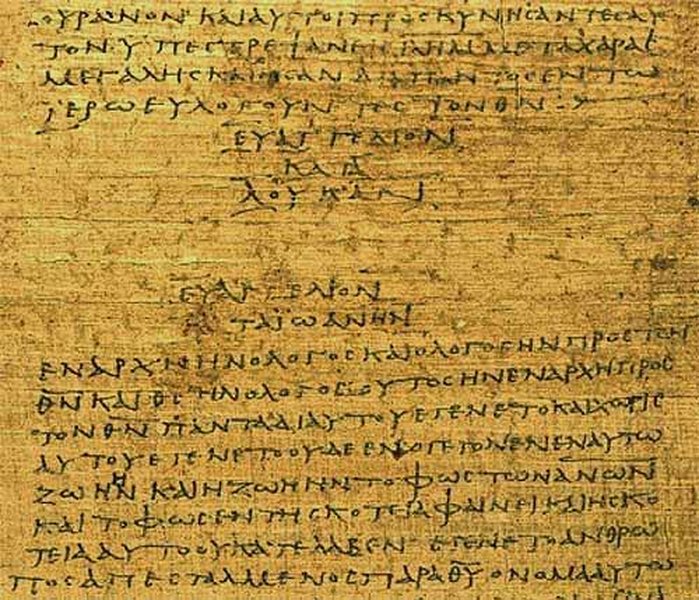
Depiction related to the study of the original Greek text of John's Gospel.
The Forerunner's Testimony: John the Baptist (John 1:6-13, 15)
Witness to the True Light
The narrative introduces John the Baptist, explicitly stating his divine commission: "There was a man sent from God, whose name was John." His purpose was not to be the Light himself, but "to bear witness of that Light," pointing others toward Jesus Christ. John's testimony was crucial so that people might believe in the true Light who was coming into the world. Despite the Light's presence in the world He created, the world largely failed to recognize Him. However, the passage offers hope: "But as many as received him, to them gave he power to become the sons of God."
Incarnation: The Word Becomes Flesh (John 1:14, 16-18)
God Dwelling Among Us
This section contains one of the most profound statements in Scripture: "And the Word was made flesh, and dwelt among us." The eternal, divine Word took on human nature in the person of Jesus Christ. This Incarnation allowed humanity to behold His glory—the glory of the Father's unique Son—characterized by "grace and truth." Through Jesus, humanity receives "grace for grace," surpassing the Law given through Moses. While no one has ever seen God the Father directly, the Son, Jesus Christ, has made Him known.
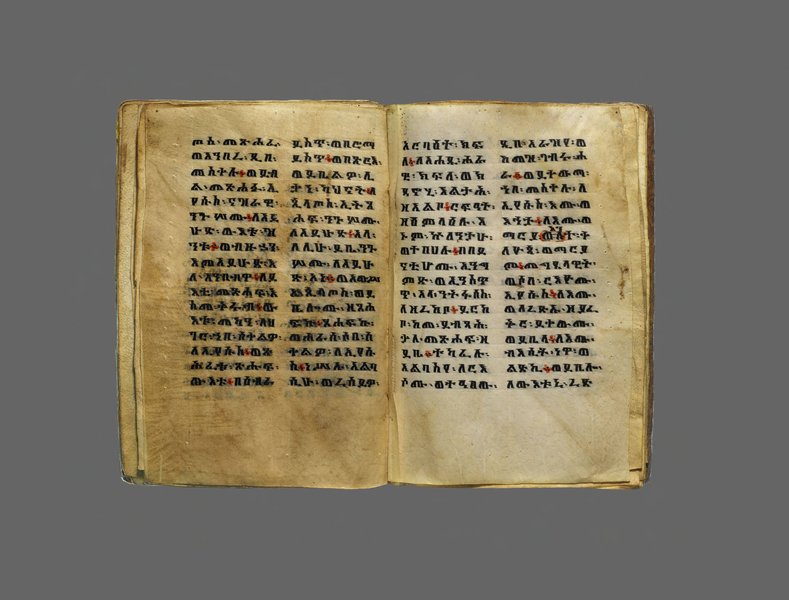
An illuminated page from an Ethiopian Service Book containing the Gospel of John.
The Identity and Mission of Jesus
Following the theological prologue, the chapter shifts to narrative accounts that further reveal Jesus' identity and the beginning of His ministry, focusing on John the Baptist's specific testimony and the calling of the first disciples.
John Identifies the Lamb of God (John 1:19-34)
Public Testimony and Divine Confirmation
When questioned by priests and Levites from Jerusalem about his identity, John the Baptist clearly denies being the Christ, Elijah, or the Prophet. He identifies himself as the voice prophesied by Isaiah, preparing the way for the Lord. The pivotal moment occurs when John sees Jesus: "Behold the Lamb of God, which taketh away the sin of the world." He testifies that he saw the Holy Spirit descend and remain on Jesus, fulfilling the sign God had given him to identify the One who would baptize with the Holy Spirit. John concludes his testimony by declaring, "And I saw, and bare record that this is the Son of God."
This animated overview provides context for the literary design and flow of thought in the entire Gospel of John, helping to place Chapter 1 within the larger narrative.
The Call to Discipleship (John 1:35-51)
Beginning of Jesus' Ministry
The chapter concludes with Jesus beginning to gather His followers. After hearing John the Baptist identify Jesus as the Lamb of God again, two of John's disciples (one being Andrew) follow Jesus. Andrew then finds his brother, Simon Peter, telling him, "We have found the Messias (the Christ)." Jesus renames Simon "Cephas" (Peter). The next day, Jesus calls Philip, who then finds Nathanael. Though initially skeptical, Nathanael is convinced when Jesus reveals His supernatural knowledge of him ("Before that Philip called thee, when thou wast under the fig tree, I saw thee."). Nathanael confesses Jesus as the Son of God and King of Israel, prompting Jesus to promise even greater revelations.
Visualizing Key Themes in John 1
Comparative Emphasis of Themes
John Chapter 1 introduces several profound theological themes. The radar chart below offers a visual representation of the relative emphasis placed on these core concepts within the chapter's text. This is an interpretive analysis highlighting which ideas receive the most focus in this foundational passage.
This chart suggests that the Divinity of Christ and the Incarnation are central pillars of the chapter, strongly supported by the Light/Life metaphors and John's witnessing role. Creation, the dynamic of rejection/acceptance, and the initial calling of disciples are also present but perhaps slightly less emphasized in overall verse count compared to the core theological declarations about Christ's nature.
Conceptual Map of John 1
The mind map below illustrates the interconnectedness of the key figures, concepts, and events presented in John Chapter 1. It provides a visual overview of how the chapter flows from the eternal Word to the beginning of Jesus' ministry on Earth.
vv. 1-5, 14, 16-18"] id1a["Is God (v. 1)"] id1b["With God (v. 1)"] id1c["Creator (v. 3)"] id1d["Source of Life & Light (v. 4)"] id1e["Became Flesh (Incarnation) (v. 14)"] id1f["Reveals God's Glory, Grace, Truth (v. 14, 17)"] id1g["Makes God Known (v. 18)"] id2["John the Baptist
vv. 6-8, 15, 19-37"] id2a["Sent from God (v. 6)"] id2b["Witness to the Light (v. 7-8, 15)"] id2c["Not the Christ (v. 20)"] id2d["Prepares the Way (v. 23)"] id2e["Identifies Jesus as 'Lamb of God' (v. 29, 36)"] id2f["Identifies Jesus as 'Son of God' (v. 34)"] id2g["Baptizes (v. 26, 31, 33)"] id3["Humanity's Response
vv. 9-13"] id3a["Light in the World (v. 9)"] id3b["World Didn't Recognize Him (v. 10)"] id3c["His Own Didn't Receive Him (v. 11)"] id3d["Power to Become God's Children (v. 12)"] id3e["Born of God (v. 13)"] id4["First Disciples
vv. 35-51"] id4a["Andrew & unnamed disciple (v. 35-40)"] id4b["Simon Peter (v. 40-42)"] id4b1["Recognized as Messiah/Christ (v. 41)"] id4c["Philip (v. 43-44)"] id4d["Nathanael (v. 45-51)"] id4d1["Recognized as Son of God/King of Israel (v. 49)"] id4d2["Promise of Greater Things (v. 50-51)"]
This map visually connects the central figure of the Word (Jesus) to His forerunner (John the Baptist), the responses He elicited, and the first individuals He called to follow Him, outlining the foundational elements presented in this chapter.
John Chapter 1: KJV Content in JSON Format
As requested, here is the content of John Chapter 1 from the King James Version (KJV) Bible, organized into the specified JSON format. This structure divides the chapter into five thematic sections, providing a title, key takeaways, a representative verse, and is followed by a detailed summary paragraph for each section.
{
  "sections": [
    {
      "title": "The Divine Eternal Word",
      "bible": "In the beginning was the Word, and the Word was with God, and the Word was God.",
      "key": [
        "The Word (Jesus Christ) is eternal and divine.",
        "He existed with God before creation.",
        "All things were created through Him.",
        "He is the source of life and spiritual light for humanity."
      ]
    },
    {
      "title": "The Witness of John the Baptist",
      "bible": "He was not that Light, but was sent to bear witness of that Light.",
      "key": [
        "John the Baptist came as a witness to testify about the Light.",
        "His purpose was to lead people to believe in Jesus.",
        "The true Light (Jesus) gives light to everyone.",
        "The world often did not recognize or receive Him."
      ]
    },
    {
      "title": "The Word Became Flesh",
      "bible": "And the Word was made flesh, and dwelt among us, (and we beheld his glory, the glory as of the only begotten of the Father,) full of grace and truth.",
      "key": [
        "The divine Word became human (incarnation).",
        "He lived among people, revealing God's glory.",
        "Those who receive Him are given the right to become God's children.",
        "He reveals God the Father, full of grace and truth."
      ]
    },
    {
      "title": "John Testifies about Jesus",
      "bible": "The next day John seeth Jesus coming unto him, and saith, Behold the Lamb of God, which taketh away the sin of the world.",
      "key": [
        "John the Baptist publicly identified Jesus.",
        "He declared Jesus as the 'Lamb of God' who removes sin.",
        "John confirmed seeing the Holy Spirit descend and remain on Jesus.",
        "He affirmed Jesus as the Son of God who baptizes with the Holy Spirit."
      ]
    },
    {
      "title": "Calling the First Disciples",
      "bible": "He first findeth his own brother Simon, and saith unto him, We have found the Messias, which is, being interpreted, the Christ.",
      "key": [
        "Jesus began gathering His first followers.",
        "Disciples like Andrew, Peter, Philip, and Nathanael recognized Him as the Messiah.",
        "Jesus demonstrated divine knowledge of individuals.",
        "He promised greater revelations to those who follow Him."
      ]
    }
  ],
  "detail": [
    "The opening verses powerfully establish the eternal divinity of the Word, Jesus Christ. He existed 'in the beginning' with God and as God, acting as the agent through whom all creation came into existence. This Word is the very source of life and the spiritual light illuminating humanity.",
    "The narrative then introduces John the Baptist, emphasizing his specific role. He was not the Light itself, but a crucial witness sent by God to testify about the true Light, Jesus. His mission was to prepare people, urging them to believe so that through Jesus, true spiritual enlightenment could reach everyone.",
    "A central theme unfolds: the Incarnation. The eternal, divine Word took on human flesh and blood, living physically among humankind. This event allowed people to witness God's glory directly, revealed through Jesus, full of grace and truth. Believing in Him grants the authority to become children of God.",
    "John the Baptist's testimony continues, explicitly identifying Jesus to the religious leaders and his own disciples. He dramatically proclaims Jesus as the 'Lamb of God,' destined to take away the world's sin, and confirms Jesus' identity as the Son of God, marked by the descent of the Holy Spirit.",
    "The chapter concludes by depicting the start of Jesus' earthly ministry as He calls His first disciples. Men like Andrew, Peter, Philip, and Nathanael respond, recognizing Him as the long-awaited Messiah (Christ). Jesus shows His supernatural insight and promises even greater signs of His divine nature to His followers."
  ]
}
Summary Table: Key Sections of John 1 (KJV)
This table provides a quick overview of the five thematic sections identified in John Chapter 1, highlighting the core message and a key verse for each.
| Section Title | Key Verse (KJV) | Core Message |
|---|---|---|
| The Divine Eternal Word | John 1:1 | Jesus Christ (the Word) is eternal, divine, and the Creator, the source of life and light. |
| The Witness of John the Baptist | John 1:7-8 | John the Baptist was sent to testify about Jesus (the true Light) to lead people to faith. |
| The Word Became Flesh | John 1:14 | The divine Word became human in Jesus, revealing God's glory, grace, and truth, enabling believers to become God's children. |
| John Testifies about Jesus | John 1:29 | John identifies Jesus as the Lamb of God who takes away sin, confirming His identity as the Son of God. |
| Calling the First Disciples | John 1:41 | Jesus begins His ministry by calling disciples who recognize Him as the Messiah, demonstrating His divine knowledge. |
Frequently Asked Questions about John Chapter 1
What does "the Word" (Logos) mean in John 1:1?
In John 1:1, "the Word" (Greek: Logos) refers to Jesus Christ. In Greek philosophy, Logos could mean reason or the ordering principle of the universe. John uses this familiar term but invests it with a deeper, personal meaning, identifying the Logos as the eternal, divine Son of God, the agent of creation, and the ultimate self-expression of God who became human.
How is John the Baptist's role described in this chapter?
John the Baptist is presented as a crucial witness sent by God. He is explicitly stated *not* to be the Light (Christ) but was sent to testify about the Light (vv. 6-8, 15). His purpose was to prepare the way for Jesus and identify Him publicly as the Lamb of God and the Son of God (vv. 19-36). His testimony serves to validate Jesus' identity and mission.
What is the significance of "the Word was made flesh" (John 1:14)?
This verse describes the Incarnation – the doctrine that the eternal Son of God took on human nature and lived as Jesus of Nazareth. It's profoundly significant because it means God entered human history in a tangible way, bridging the gap between the divine and human. Through Jesus, God revealed His character ("glory," "grace," "truth") and made salvation accessible.
Why is Jesus called the "Lamb of God" in John 1:29?
This title connects Jesus to the sacrificial system of the Old Testament, particularly the Passover lamb whose blood protected the Israelites (Exodus 12) and the lambs sacrificed for sin offerings (Leviticus 4). By calling Jesus the "Lamb of God, which taketh away the sin of the world," John the Baptist identifies Jesus as the ultimate, perfect sacrifice whose death would atone for human sin.
Recommended Further Exploration
- What is the meaning of Logos in Greek philosophy and John 1?
- Compare the beginning of John's Gospel with the Synoptic Gospels (Matthew, Mark, Luke).
- Explain the theological significance of the Incarnation in Christianity.
- Who were the first disciples of Jesus mentioned in John 1?
References
Last updated May 4, 2025