
Upper Jurassic Trace Fossils in the Jhuran Formation
Review of Systematic Species Identification, Descriptions, Paleoecological Insights & Environmental Changes
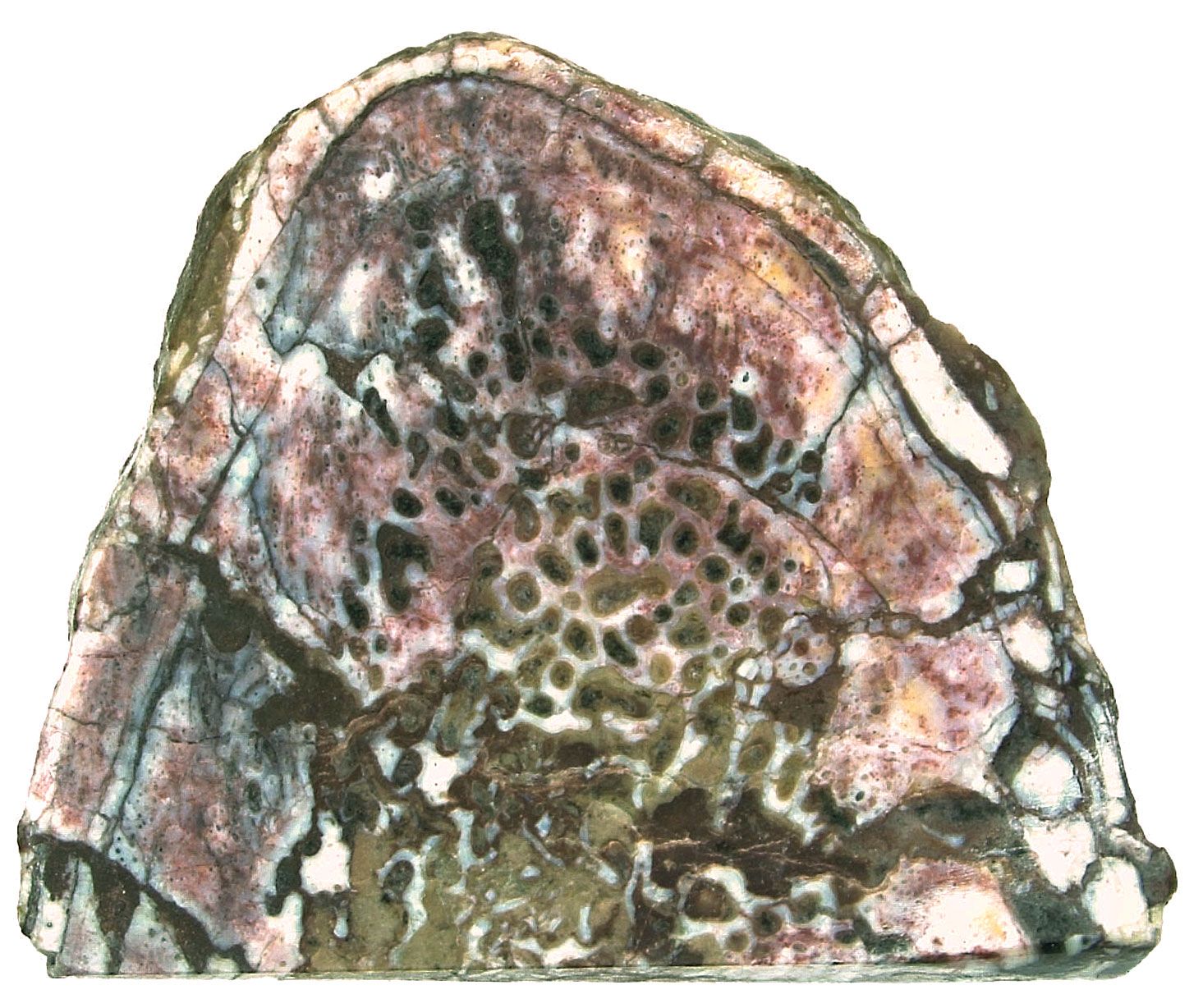
Key Highlights
- Comprehensive Species Analysis: Detailed systematic identification and morphological description of diverse ichnospecies.
- Environmental Interpretation: In-depth paleoecological reconstructions reveal sedimentary settings, bioturbation patterns, and climate influences.
- Change Over Time: Comparison of past depositional patterns and tectonic influences with modern environmental conditions in Kachchh.
Introduction
The Jhuran Formation, part of the prolific Kachchh Basin in western India, represents a crucial window into Upper Jurassic geology. Its diverse array of trace fossils provides a geoscientific narrative chronicling paleoenvironmental conditions, biological activity, and subsequent changes in depositional systems. This review synthesizes systematic species identification, detailed morphological descriptions, and paleoecological interpretations from various studies, with added insights into the environmental evolution from the Middle Jurassic through the Upper Jurassic to modern times. In addition to discussing the analytical framework underlying ichnological research in the Jhuran Formation, this review includes significant visual data and tables summarizing essential findings, along with links to further academic resources.
Systematic Species Identification
Overview of Ichnospecies
Studies conducted in the Jhuran Formation have led to the identification of a wide variety of trace fossils. These fossils, preserved in shale, siltstone, and sandstone within the basin, belong to multiple ichnogenera that offer insights into the behavior of the trace makers as well as the environmental conditions during the Upper Jurassic. Key ichnospecies reported include:
1. Arenicolites
This spiral or helical burrow fossil is indicative of ancient polychaete worms. Its morphological complexity provides clues on the dwelling structures and feeding strategies of the trace-maker, which resorted to a three-dimensional burrowing style. Such structures are commonly associated with a sediment-starved and shallow marine environment.
2. Thalassinoides
Characterized by complex networks of tunnel-like burrows, Thalassinoides is often linked to crustacean activity. Its presence within the sedimentary framework of the Jhuran Formation indicates active bioturbation, possibly for foraging or shelter, associated with fluctuating energy conditions in the depositional environment.
3. Diplocraterion
This distinctive U-shaped burrow is among the ichnogenera that illustrate specific behavioral adaptations towards sediment stabilization and organism mobility. The geometry of these burrows implies periodic reworking of the substrate and a response to episodic changes in sediment supply.
4. Rhizocorallium
Renowned for its branching, tree-like structure, Rhizocorallium provides evidence of filter-feeding and dwelling habits. This trace fossil is particularly useful in interpreting oxygen levels and substrate consistency during deposition.
5. Ophiomorpha
Ophiomorpha traces are complex and typically indicate a high degree of biogenic reworking in a deltaic or nearshore marine setting. Their occurrence correlates with periods of rapid sedimentation and is linked to organisms that rely on such dynamic environments for survival.
Additional ichnospecies such as Scolicia, Chondrites, and various other ichnogenera further extend the ichnological diversity documented in the formation. The rigorous species identification process involves morphological comparisons, ichnological classification, and stratigraphic correlation. This systematic approach is pivotal in understanding the evolution of trace-making behavior and sedimentary regimes during the Upper Jurassic period.
Description of Trace Fossils
Morphological Characteristics
The preserved traces in the Jhuran Formation exhibit a wide range of morphological features that are emblematic of the behavioral processes of the trace makers. The description of these fossils hinges on several key parameters:
Burrow Geometry and Architecture
The configuration of the burrows—whether they present a helical, U-shaped, branching, or tunnel-like structure—provides immediate clues about the organism's ecological niche. For example, helical patterns in Arenicolites suggest a mode of life that involved constant substrate reworking, while the interconnecting tunnels of Thalassinoides imply complex foraging strategies.
Surface and Internal Features
Trace fossils in the Jhuran Formation also display external features such as surface ornamentations, looping patterns, and cross-sectional variations, which are indicative of feeding trails and subsurface meandering. These attributes help in deciphering the nature of interactions between the organism and its depositional environment.
Preservation and Diagenetic Processes
Post-depositional processes, including sedimentary diagenesis and iron concretion formation, greatly influence the preservation of these trace fossils. The diagenetic changes recorded in the formation provide additional context for the paleoclimatic and diagenetic history of the sedimentary basin, offering insight into oxygen levels, chemistry, and the subsequent fossilization of organic activities.
Paleoecological Interpretation
Environmental and Ecological Significance
Interpreting the ecological and environmental conditions of the Jhuran Formation necessitates a holistic approach combining ichnological evidence and sedimentological data. The detailed study of ichnoguilds—assemblages of trace fossils exhibiting similar morphological and ecological characteristics—allows geoscientists to reconstruct ancient depositional environments and biotic responses.
Marine and Deltaic Settings
The trace fossils indicate that the depositional setting ranged from shallow marine to deltaic environments. The alternating layers of shale, siltstone, and sandstone, together with the fossil assemblages, suggest dynamic sedimentary conditions that oscillated between calm marine conditions and more turbulent, delta-influenced regimes. Additionally, evidence points toward fluctuating sea levels during the Upper Jurassic, which affected sediment deposition rates and the nature of trace fossil preservation.
Hydrodynamic Influence and Bioturbation
The well-defined patterns of bioturbation, as deduced from trace fossil orientations and densities, highlight periods of increased hydrodynamic energy. These periods likely correspond to strong tidal or storm events that altered sediment distribution. The ichnological record thus acts as an archive for understanding the energy levels within the depositional environment and the corresponding behavioral adaptations of the trace makers.
Oxygenation and Climate Conditions
Trace fossils such as Rhizocorallium and Ophiomorpha provide evidence for oxygen-poor conditions, reflecting episodes of anoxia in the sedimentary water column. The occurrence of these trace fossils, along with the sedimentary structures, further supports interpretations of climatic conditions during the Upper Jurassic that favored a warm, humid setting with periodic episodes of reduced oxygen levels in marine contexts.
Changes in Past and Present Situations
Geological and Environmental Evolution
The Jhuran Formation offers a long-term perspective on the evolution of depositional environments in the Kachchh Basin. Comparing the trace fossil record from the Upper Jurassic to modern geological settings reveals striking contrasts and dynamic shifts in the region’s geological history. The following aspects are particularly noteworthy:
Sea-Level Fluctuations
During the Upper Jurassic, the Kachchh Basin experienced pronounced sea-level oscillations. The periodic transgressions and regressions influenced sediment supply, depositional patterns, and the preservation of trace fossils. These sea-level changes led to the alternation of marine and deltaic facies, as indicated by trace fossil assemblages that were responsive to varying marine cover and tidal influences. Over time, this region transitioned from predominantly marine settings to a terrestrial landscape, largely influenced by global sea-level changes and local tectonic uplift.
Impact of Tectonic Activity
Tectonic dynamics have played a pivotal role in shaping the current exposure of the Jhuran Formation. Faulting and folding within the Kachchh Basin not only control the structural disposition of the sedimentary layers but also influence the preservation of trace fossils. Structural distortions have, in some cases, reoriented burrow structures and altered the stratigraphic continuity. This tectonic reworking, combined with erosion and sedimentation in subsequent geological periods, has provided modern researchers with a layered history of the ancient depositional environments.
Climatic Shifts from Jurassic to Present
The climatic conditions during the Upper Jurassic were markedly different from those of the present day. The ancient Kachchh region was characterized by warm, humid conditions and episodic anoxia that are captured in the trace fossil record. In contrast, modern climatic patterns in western India are considerably drier, with significant changes in precipitation and temperature patterns. These shifts, influenced by both global climate change and regional tectonic activity, underscore the complex interplay between the earth's physical processes and its biological communities.
Comprehensive Data Summary
Table of Key Ichnological Features
| Trace Fossil | Morphological Traits | Depositional Setting | Paleoecological Significance |
|---|---|---|---|
| Arenicolites | Helical, spiral burrows | Shallow marine, deltaic | Indicates polychaete activity and substrate reworking |
| Thalassinoides | Complex network, tunnel systems | Deltaic, high energy shoreline | Reflects crustacean burrowing and active bioturbation |
| Diplocraterion | U-shaped burrows | Marine settings with episodic sedimentation | Signifies stability in substrate and reworking episodes |
| Rhizocorallium | Branching, tree-like structures | Low oxygen marine facies | Indicates filter feeding behavior and oxygen-poor conditions |
| Ophiomorpha | Complex, interconnecting tunnels | Nearshore, dynamic sediment supply | Linked to high energy conditions and rapid sedimentation |
Visual Representation and Image Integration
Trace Fossil Imagery
While this review paper is text-intensive, visual aids play a crucial role in complementing the detailed ichnological observations. Representative images include:
- Photographs of Arenicolites showing the distinct helical burrow patterns.
- High-resolution images of Thalassinoides exhibiting a complex network of burrows.
- Detailed close-ups of Diplocraterion, which highlight its U-shaped structure.
- Striking visuals of Rhizocorallium traces that demonstrate branching, tree-like architecture.
- Images that illustrate overlapping ichnological events helping in establishing provenance and depositional cyclicity.
These images not only corroborate morphological descriptions but also aid in teaching and further research by providing an immediate visual context. In publications and research papers, such images are often accompanied by stratigraphic columns and schematics that further elucidate the depositional environment.
Linking Past Conditions with Modern Interpretations
Modern Relevance of Jurassic Ichnology
The comprehensive study of the Jhuran Formation’s trace fossils brings into focus a unique narrative about historical environmental conditions. By comparing the paleoecological data derived from these fossilized traces with modern sedimentological processes, geoscientists can draw useful parallels. For instance, current shorelines and coastal environments can be modeled based on the behavior of ancient trace makers, elucidating factors like changes in sediment supply, fluctuations in sea levels, and the effects of climate change.
Implications for Geological Research
This integration of fossil data with modern environmental studies aids not only in pure academic research but is also instrumental in practical applications. For example, understanding the dynamics of bioturbation in ancient settings helps in evaluating hydrocarbon reservoirs today. The patterns of sediment reworking observed in the Jhuran Formation serve as models for contemporary sedimentary basin analysis, thus contributing to the fields of petroleum geology, stratigraphy, and paleoenvironmental reconstruction.
Environmental Change and Future Projections
Examining the trace fossil record allows researchers to chart a timeline of environmental change—from fluctuating sea levels to alternating depositional regimes influenced by climatic shifts. Such historical insights become invaluable when predicting future trends in sedimentary processes and climate dynamics. By understanding the ancient responses of biotic communities to environmental stresses, modern ecologists and climate scientists can better forecast potential ecosystem responses under rapidly changing global conditions.
References
- Analysis of Ichnoguilds and their Significance in Interpreting Ichnological Events - Academia.edu
-
Jhuran Formation Trace Fossils Study - Geological Society of India
- Ichnological Events in Jhuran Formation - ResearchGate
- Detailed Ichnoguild Analysis - Academia.edu
-
Jhuran Formation Overview - GSTimes
Recommended Further Queries
Last updated March 21, 2025