
Unpacking the Power of K-Dramas: Catalysts for Climate Conversation?
While the precise sentence isn't a direct quote, its core idea resonates deeply with current discussions on media influence and environmental advocacy in South Korea.
Regarding your query about the sentence: "Given the influential role of television dramas in South Korean culture, integrating climate change narratives into these media can play a pivotal role in raising awareness and fostering societal commitment to environmental sustainability," a comprehensive review of available information indicates that this specific phrasing does not appear verbatim in the provided sources. Instead, it appears to be an insightful synthesis or paraphrase that encapsulates concepts discussed across various academic analyses, media reports, and research studies focusing on South Korean media and environmental consciousness.
The underlying premise of the sentence—that Korean dramas (K-dramas) possess significant cultural leverage to address climate change—is strongly supported by a growing body of evidence. These television programs are not only a cornerstone of South Korean popular culture but also a global phenomenon, granting them a unique platform for communication and influence.
Key Insights: K-Dramas and Environmental Narratives
- Cultural Powerhouses:
- K-dramas wield substantial influence both domestically in South Korea and internationally, shaping trends, perceptions, and conversations among a vast global audience.
- Emerging Green Narratives:
- There's a discernible trend of K-dramas beginning to incorporate environmental and climate change themes, whether as central plot points or subtle undercurrents, reflecting a growing societal concern.
- Potential for Impact:
- The emotive storytelling and widespread appeal of K-dramas offer a significant opportunity to raise public awareness about climate change and encourage a collective commitment to environmental sustainability.
The Cultural Clout of K-Dramas
South Korean television dramas have evolved from domestic entertainment into a global cultural force, often referred to as part of the "Hallyu" or Korean Wave. Their sophisticated production, compelling storylines, and relatable characters have garnered dedicated fan bases worldwide. This extensive reach, as highlighted by observations on their international availability with subtitles and global fan clubs, underscores their potent role as cultural conduits. This influence isn't limited to entertainment; it extends to shaping societal values and norms.
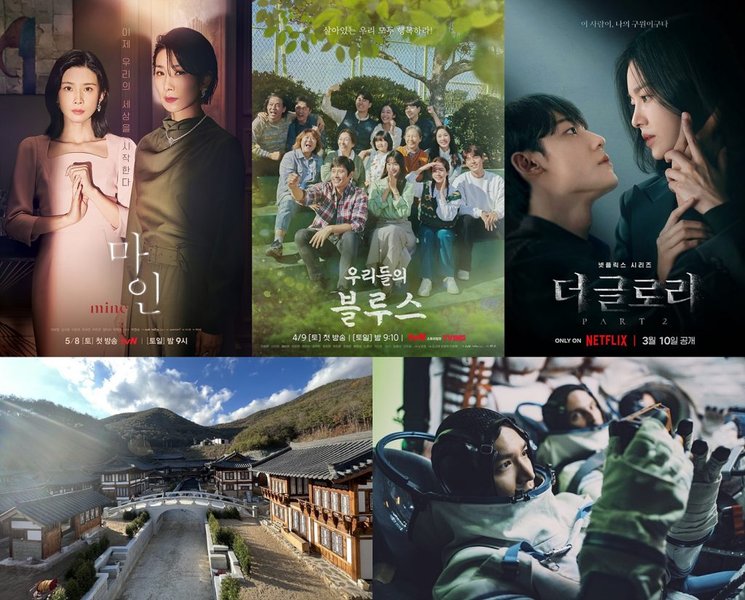
K-Dramas captivate audiences globally with diverse genres and compelling storytelling.
Weaving Climate Change into the Script
The integration of climate change and environmental sustainability into K-drama narratives is an emerging but increasingly important area. While historically, South Korean media faced criticism for underrepresenting climate issues, recent trends indicate a shift. Academic research, such as studies analyzing climate change portrayal in popular K-dramas from 2019 to 2024, confirms that these themes are indeed being embedded into storylines. This is not always overt; sometimes, sustainability narratives are subtly woven in, such as through highlighting the preservation of natural landscapes or traditional, more eco-conscious lifestyles.
Examples in Recent Dramas
Several K-dramas have touched upon environmental or climate-related issues, showcasing the diverse ways these topics can be approached:
- "Organic Darling" is noted for cleverly highlighting pressing environmental issues within a romantic comedy framework, demonstrating that serious themes can be effectively combined with popular genres.
- The 2013 drama "The End of the World" tackled a storyline involving a mysterious disease linked to the shrinking Arctic ice masses due to climate change, a prescient example of integrating climate consequences into a thriller narrative.
- "Forecasting Love and Weather" (2022), set in the Korea Meteorological Administration, naturally lends itself to discussions about weather patterns, extreme weather events, and, by extension, the impacts of climate change.
- The 2024 series "Goodbye Earth," a sci-fi dystopian drama, explores themes of societal response to an impending global catastrophe, which can serve as an allegory for the climate crisis.
- Dramas tagged with "climate catastrophe" explicitly point to shows dealing with severe climate-related scenarios, indicating a growing subgenre.
This table summarizes a few K-dramas and their connection to environmental or climate themes, illustrating the varied approaches to integrating these narratives:
| Drama Title | Approx. Year / Mentioned | Relevance to Climate/Environment | Genre |
|---|---|---|---|
| Organic Darling | Mentioned as example | Highlights pressing environmental issues, sustainability. | Romantic Comedy |
| The End of the World | 2013 | Plot linked to a mysterious disease connected to shrinking Arctic ice due to climate change. | Thriller, Dystopian |
| Forecasting Love and Weather | 2022 | Depicts life at the Korea Meteorological Administration, touching on weather phenomena and potential climate impacts. | Romance, Drama |
| Goodbye Earth | 2024 | Sci-fi dystopian series based on an impending asteroid collision, often a genre exploring societal/environmental collapse. | Sci-Fi, Dystopian |
| Unnamed Romantic Comedy | Set in 2032 | Set against a backdrop of climate catastrophe where humankind struggles to survive. | Romantic Comedy, Sci-Fi |
Gauging the Potential Impact of K-Dramas on Climate Awareness
The potential for K-dramas to influence public perception and action on climate change is significant. This chart offers an analytical perspective on how different approaches within K-dramas might fare across several impact dimensions. The scores are qualitative, reflecting potential rather than measured outcomes.
This radar chart illustrates a conceptual assessment of how different types of K-drama engagement with climate themes could perform. "K-Dramas with Explicit Climate Themes" might excel in raising direct awareness and offering narrative depth on the issue. "K-Dramas with Subtle Environmental Messages" could leverage broader cultural influence and emotional resonance effectively. The "General K-Drama Potential (Untapped)" reflects the vast audience reach and cultural sway that could be harnessed more fully for climate communication.
Visualizing the Network: K-Dramas, Climate, and Society
The interplay between K-dramas, climate change narratives, and societal impact forms a complex network. This mindmap outlines the key components and relationships involved in leveraging these popular media for environmental awareness and action.
(e.g., 'Goodbye Earth', 'The End of the World')"] id2b["Subtle Environmental Themes
(e.g., 'Organic Darling', landscape appreciation)"] id2c["Character-Driven Eco-consciousness"] id2d["Depicting Climate Impacts & Solutions"] id3["Potential Societal Impact"] id3a["Increased Public Awareness"] id3b["Fostering Dialogue & Discussion"] id3c["Promoting Societal Commitment
to Sustainability"] id3d["Inspiring Individual & Collective Action"] id3e["Influencing Consumer Behavior"] id4["Industry & Production Considerations"] id4a["Sustainability in Production Practices
(e.g., Studio Dragon's initiatives)"] id4b["Balancing Entertainment with Education"] id4c["Creative Storytelling Approaches"] id4d["Collaboration with Experts"]
This mindmap illustrates how the cultural influence of K-dramas can be channeled through various narrative integration strategies. These strategies, ranging from overt plotlines about climate disasters to subtle messages about sustainable living, can lead to significant societal impacts. These impacts include heightened awareness, increased dialogue, a stronger commitment to sustainability, and potentially, tangible actions at both individual and collective levels. The industry's own adoption of sustainable practices also plays a role in this ecosystem.

K-Dramas have the potential to champion various positive societal messages, including environmental consciousness.
Academic and Media Perspectives
Academic studies, such as "The Role of the Korean Media in Shaping Sustainable Tourism and Environmental Awareness," explicitly discuss how K-dramas can subtly embed sustainability narratives, influencing societal values. For example, the depiction of preserving natural landscapes or respecting traditional, often more sustainable, communities can resonate with audiences. Similarly, articles like "Beyond Romance: Encouraging Vegan Themes and Animal Protection in the Growing World of K-Dramas" argue that the global popularity of these shows presents a unique opportunity to foster positive change, which can extend to broader environmental ethics.
News outlets like The Korea Times have also touched upon the thriving K-content market and the growing questions around sustainability, not just in production but also in thematic content. This reflects an awareness within the industry and among observers of the potential and responsibility that comes with such cultural influence.
This video discusses climate change challenges in South Korea, providing context for the urgency and relevance of integrating such themes into popular media like K-dramas.
The video "How Climate Change Is at the Forefront of South Korea's Development Goals" by Amanpour and Company (via YouTube) underscores the real-world environmental challenges South Korea faces. Following devastating monsoon seasons and other extreme weather events, there's a heightened sense of urgency around climate action. This societal context makes the role of media, including influential K-dramas, even more critical in fostering understanding and engagement with climate issues. By reflecting these realities or exploring potential futures shaped by climate change, K-dramas can connect with audiences on an emotional level, potentially inspiring a greater commitment to sustainability goals that the country is striving for.
Frequently Asked Questions (FAQ)
Is the sentence "Given the influential role of television dramas..." a direct quote from a specific source?
No, the exact sentence does not appear verbatim in the provided search results. It is more accurately described as a well-formulated synthesis of ideas and conclusions drawn from multiple sources discussing the cultural impact of K-dramas and their potential for environmental communication.
Why are K-dramas considered a powerful medium for raising awareness?
K-dramas possess immense cultural influence both in South Korea and globally. Their widespread popularity, emotional storytelling, and ability to shape trends and discussions make them effective vehicles for conveying messages, including those related to complex issues like climate change. Their international reach means they can influence a diverse global audience.
Are there K-dramas that already incorporate climate change or environmental themes?
Yes, several K-dramas have begun to integrate such themes. Examples include "Organic Darling" (environmental issues), "The End of the World" (disease linked to climate change's effect on Arctic ice), "Forecasting Love and Weather" (focus on meteorological phenomena), and "Goodbye Earth" (dystopian future often analogous to environmental collapse). Research indicates a growing trend in this direction.
What does research say about Korean media and sustainability?
Academic studies and media analyses highlight the growing recognition of Korean media's role, particularly K-dramas, in shaping environmental awareness and promoting sustainability. Research explores how these media can subtly or explicitly incorporate sustainability narratives, influencing public perception and potentially fostering societal commitment. There's also discussion on the sustainability of the production industry itself, with companies like Studio Dragon releasing sustainability reports.
Recommended Further Exploration
- How can popular media effectively communicate complex scientific issues like climate change?
- What are some examples of successful environmental awareness campaigns using entertainment media globally?
- Explore the evolution of environmental themes in South Korean cinema and television over the past decade.
- Investigate the impact of the Hallyu wave on global perceptions of South Korean culture and societal values.
References
Last updated May 6, 2025