
Assessing the Influence of Different Soil Types on Karonda Germination and Early Growth
A comprehensive research introduction on optimizing Karonda (Carissa carandas) cultivation through soil analysis
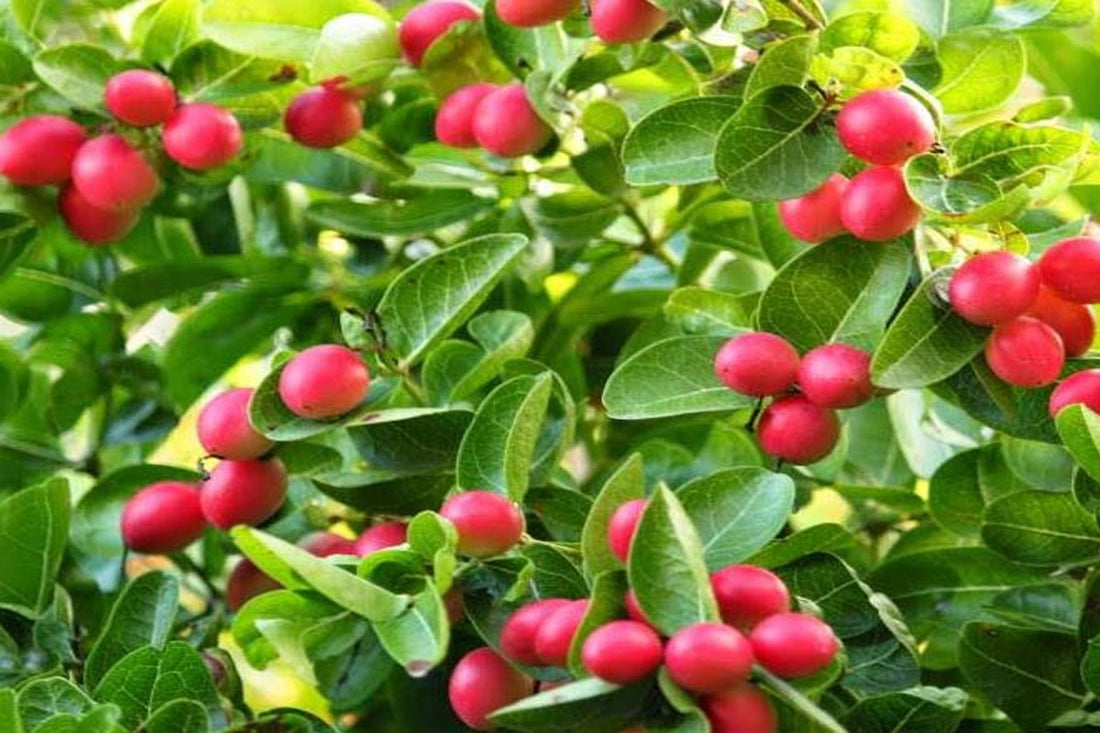
Highlights of the Research
- Background Overview: Understanding Karonda's adaptive nature and soil suitability.
- Problem Focus: Unraveling the impact of sand, loam, cocopeat, and clay on early germination and seedling growth.
- Significance & Impact: Enhancing cultivation practices to boost yield and sustainability of this promising fruit crop.
1. Introduction
Karonda (Carissa carandas) is an underexploited fruit crop native to tropical and subtropical regions, renowned for its nutritional, medicinal, and aesthetic values. In the rapidly evolving field of sustainable agriculture, optimizing plant growth conditions is crucial for ensuring food security and ecological restoration. This research focuses on "Assessing the Influence of Different Soil Types (sand, loam, cocopeat, and clay) on the Germination Rates and Early Seedling Growth of Karonda (Carissa carandas)," a study aimed at bridging the knowledge gap on soil-plant interactions for this robust yet underutilized shrub.
2. Background of the Study
2.1 Karonda: An Underutilized Cropping Resource
Karonda is a hardy, semi-wild fruit-bearing shrub widely distributed across tropical regions, especially in the Indian subcontinent. It possesses considerable potential not only as a source of essential nutrients and medicinal compounds but also for its role in agroforestry and dry land agriculture. Despite these advantages, its cultivation has not received the same level of attention as more common fruit crops. This is primarily due to inconsistent seed germination and early seedling establishment, which are critical stages for the successful propagation of the plant.
2.2 Importance of Soil Types in Plant Growth
Soil is the foundational medium that supports plant life by providing vital water, nutrients, and oxygen. The structure, texture, and composition of soil can significantly alter the water retention capacity and nutrient availability, which in turn affects seed germination and early seedling growth. For instance, sandy soils typically offer excellent drainage but suffer from low nutrient retention, whereas clay soils, although nutrient rich, can be limiting due to poor aeration and water logging. Loam soils represent a balanced alternative while cocopeat, an organic medium derived from coconut husks, is recognized for its high water retention and aeration qualities.
2.3 Specific Relevance to Karonda Cultivation
Previous studies have indicated that Karonda exhibits a degree of adaptability across various soil types. However, comprehensive research comparing its germination rates and early seedling growth across sand, loam, cocopeat, and clay is limited. Such comparative analysis is essential to determine the optimal soil conditions that promote rapid and consistent germination, robust root system development, and vigorous seedling growth. A deep understanding of these parameters is crucial as they directly influence crop establishment, yield, and overall productivity.
3. Statement of the Problem
3.1 Inconsistencies in Germination and Establishment
While Karonda is known for its hardiness, inconsistencies in seed germination rates and early growth have posed significant challenges to its large-scale cultivation. Existing literature underscores the influence of soil type on seed physiological responses, yet there remains significant uncertainty regarding which soil medium offers the most conducive conditions for Karonda’s initial development. Early seedling establishment plays a pivotal role in determining the success of the crop, and any variability during this stage can dramatically affect overall productivity.
3.2 Diverse Soil Characteristics and Their Effects
Soils vary widely in their composition. For example, sand, while providing excellent drainage, may lead to rapid moisture loss, thereby hindering seed imbibition—the process by which seeds absorb water—required for initiating germination. In contrast, clay, with its high nutrient content, can restrict root penetration due to its density and poor aeration. Loam, considered by many as an ideal growth medium for a variety of crops, provides a balanced mix of drainage and nutrient-holding capacity. Cocopeat, on the other hand, offers superior water retention and is valued in organic growing systems for its ability to maintain moisture levels without waterlogging.
Given these distinct characteristics, the question remains: Which soil type can best facilitate optimal germination and early seedling growth for Karonda? Addressing this question is essential for developing targeted soil management practices that can yield improved crop establishment and sustainability.
3.3 The Research Gap
Despite prior studies on Karonda’s adaptability to various soils, there is a significant research gap when it comes to systematically evaluating the influence of different soil types on the germination and early growth phases specifically. The dearth of comparative analyses focusing on sand, loam, cocopeat, and clay creates uncertainty in identifying which soil best supports the plant’s early developmental stages. Such ambiguity undermines the ability of practitioners and farmers to make informed decisions regarding soil preparation and management. Consequently, this study aims to systematically address this ambiguity by providing empirical data and detailed insights into the performance of Karonda in these different soil environments.
4. Significance of the Study
4.1 Academic and Scientific Contributions
From an academic perspective, this research is poised to expand the scientific understanding of plant-soil interactions, specifically regarding the propagation of Karonda. By quantifying germination rates, measuring seedling height, assessing root development, and analyzing biomass accumulation across different soil types, the study will contribute robust empirical evidence to the existing literature. The comprehensive dataset generated could serve as a benchmark for future research, particularly in areas focusing on sustainable crop production and agroforestry systems.
4.2 Enhanced Cultivation Practices
On the practical side, reliably propagating Karonda is key to its adoption as a viable fruit crop for both small-scale farmers and larger agricultural enterprises. Understanding which soil types are most conducive to successful germination and early growth will enable the development of soil management and amendment practices tailor-made for Karonda. For instance, if certain soils are found to delay germination or stunt early growth, amendments such as compost, biochar, or even blending with cocopeat may be recommended to improve soil structure and nutrient availability. In this way, the findings will directly influence on-field practices, offering farmers actionable recommendations to optimize resource use and maximize yield.
4.3 Environmental and Economic Implications
Beyond enhancing agricultural productivity, the study's outcomes have broader environmental and economic implications. Optimized soil conditions not only lead to better crop yields but can also enhance soil health and fertility over the long term. Improved soil management practices contribute to reduced soil erosion, better water conservation, and a decrease in the need for chemical fertilizers, which are often costly and environmentally damaging. Thus, this research supports sustainable agriculture principles, promoting practices that are both environmentally friendly and economically viable. For communities that depend on dry land agriculture, especially in marginal areas, these improved practices can lead to more resilient livelihoods.
4.4 Potential for Ecological Restoration and Agroforestry
Karonda is not only a food crop but also plays important roles in agroforestry and ecological restoration projects. Its ability to thrive in diverse and often harsh soil conditions makes it an ideal candidate for soil stabilization and reforestation efforts in degraded landscapes. By establishing a clear understanding of the soil conditions that foster optimal plant establishment, this study will support initiatives aimed at ecological restoration. Implementing effective soil management strategies enhances the overall health of the ecosystem, contributing to biodiversity conservation and the stabilization of local climates.
4.5 Table of Comparative Soil Properties
The following table provides an overview of the basic characteristics of the four soil types under investigation, laying the groundwork for understanding how each might impact the germination and early growth of Karonda.
| Soil Type | Suction and Water Holding Capacity | Drainage Quality | Nutrient Retention Potential | General Suitability for Karonda |
|---|---|---|---|---|
| Sand | Low water retention; rapid drainage | Excellent drainage | Low nutrient retention | May require amendments for sustained growth |
| Loam | Good water retention and aeration | Balanced drainage | Rich in nutrients | Ideal for balanced seed germination and growth |
| Cocopeat | High water retention | Excellent aeration | Good nutrient potential when supplemented | Promising medium with proper nutrient management |
| Clay | Very high water retention; slow drainage | Poor drainage | High nutrient retention but low bioavailability | Challenging unless amended to improve structure |
5. Detailed Overview of Research Themes
5.1 Impact on Germination Rates
5.1.1 Seed Imbibition Process
The initial phase of germination is critically dependent on the seed’s ability to imbibe water. The water uptake process initiates enzymatic activities essential for embryo development. In soils with high drainage like sand, seeds may not receive sufficient moisture to trigger this cascade, leading to suboptimal germination rates. Conversely, soils with excessive water retention, such as clay, might inhibit oxygen flow to the seeds, causing delayed germination or hypoxic conditions that can stunt early growth. Loam and cocopeat, by offering a favorable balance, might enhance the imbibition process, leading to a more synchronized and robust germination event.
5.1.2 Variability in Germination Rates
Research into seed germination in varying soils has revealed significant variability in germination percentages and time to emergence. Factors such as particle size, porosity, and nutrient composition of the soil greatly influence these outcomes. A controlled comparison of germination rates across sand, loam, cocopeat, and clay may reveal that loam offers a superior medium for seed imbibition, while cocopeat, with its excellent moisture retention, may show variable outcomes depending on its nutrient supplementation.
5.2 Influence on Early Seedling Growth
5.2.1 Root Development Dynamics
Early seedling development relies heavily on the establishment of a robust root system. Soil structure and texture significantly influence the extent and depth of root penetration. In medium-textured soils such as loam, the balanced pore size distribution facilitates deeper root growth, leading to improved access to nutrients and water. In contrast, sandy soils, characterized by larger particles, may encourage root proliferation near the surface, making the seedlings more vulnerable to moisture fluctuations. Clay soils may restrict root expansion due to their compact nature. Understanding these differences is key to drawing actionable conclusions on the best practices for early cultivation.
5.2.2 Biomass Accumulation and Plantation Vigor
The overall biomass accumulation of a seedling, including shoot and root growth, is an important indicator of plantation vigor. A soil medium that facilitates water and nutrient absorption supports sustained cellular growth and high biomass accumulation. Quantitative data on seedling height, leaf development, and overall plant vigor when planted in sand, loam, cocopeat, and clay will be instrumental in comparing how effectively each soil type meets the nutritional and moisture needs during early developmental stages.
5.3 Methodological Considerations
5.3.1 Controlled Experimental Design
To achieve reliable and reproducible results, a controlled experimental design is essential. This study will employ standardized seed batches of Karonda, ensuring uniformity in seed quality, size, and pre-treatment conditions. Each soil type will be characterized for its physical and chemical properties prior to the experiment. Parameters such as moisture content, pH values, and nutrient levels will be measured and recorded meticulously. Consistent environmental conditions (temperature, light exposure, and humidity) will be maintained to ensure that the only variable affecting germination and seedling growth is the soil type.
5.3.2 Data Collection and Analysis
Data will be collected on several fronts, including:
- Germination rates measured as the percentage of seeds emerging within a given timeframe.
- Morphological measurements such as seedling height, leaf number, and root length.
- Biomass accumulation assessment by measuring fresh and dry weights of shoots and roots.
Statistical analysis will be employed to determine significant differences between the soil types. This methodological rigor will provide a scientific basis for drawing conclusions and making recommendations that could be directly applied in agricultural practices.
6. Expected Outcomes and Practical Implications
6.1 Anticipated Research Findings
Based on preliminary observations and the known properties of the different soil types, it is anticipated that:
- Sandy soils may result in faster drainage leading to lower moisture availability, potentially causing reduced germination efficiency unless paired with supplemental irrigation or nutrient enrichment.
- Loam soils are likely to provide the most balanced conditions, promoting uniform germination and robust early seedling growth.
- Cocopeat, with its high water retention, may require nutrient enhancement to realize its full potential in supporting vigorous seedling development.
- Clay soils, while nutrient rich, might necessitate soil amendments to mitigate issues such as waterlogging and poor aeration, which could otherwise restrict root development.
6.2 Practical Applications in Agriculture
The implications of these outcomes extend beyond academic interest. For farmers and agricultural practitioners, the results of this study will provide clear guidelines on:
- Selecting the appropriate soil type or mixture for maximizing Karonda germination and early growth.
- Implementing proper soil amendments to enhance less favorable media, such as adding organic matter or cocopeat to sandy soils, or incorporating drainage systems and organic additives into clay soils.
- Designing sustainable agricultural practices which reduce dependency on chemical fertilizers by tapping into natural soil properties and enhancing them through simple, cost-effective measures.
- Optimizing water use efficiency by matching soil moisture retention characteristics with appropriate irrigation schedules.
6.3 Broader Impact on Agroforestry and Ecological Restoration
Beyond individual crop yield improvements, better understanding the dynamics of seed germination and early seedling growth in response to different soil types can influence larger ecological practices. In agroforestry systems or reforestation projects, choosing the appropriate soil medium is fundamental to improving landscape resilience and ensuring successful re-establishment of native vegetation. Moreover, sustainable soil management techniques derived from such research can help restore degraded lands and foster climates resilient to the challenges posed by climate change.
7. Concluding Discussion
7.1 Synthesis and Final Thoughts
This study on assessing the influence of different soil types on the germination rates and early seedling growth of Karonda addresses a significant research gap in both academic and practical spheres. By methodically comparing soils such as sand, loam, cocopeat, and clay, the research aims to establish evidence-based insights that will inform more effective cultivation practices. The outcomes of the study are expected to provide practical guidelines to improve seed germination and early plant development, which, in turn, could elevate overall crop performance and support sustainable agricultural practices. The detailed understanding of how various soil properties influence Karonda’s physiological processes helps in tailoring soil amendments, irrigation practices, and fertilization strategies, ensuring that the plant’s potential is maximized under diverse agronomic conditions.
The anticipated benefits extend beyond improved yields; they include better resource efficiency, decreased reliance on chemical interventions, and enhanced environmental health through sustainable farming practices. The significance of this research lies in its potential to guide not only farmers but also landscape architects, agroforestry planners, and restoration ecologists in making scientifically grounded decisions regarding soil management. Ultimately, it empowers practitioners to optimize land use in both agricultural and ecological restoration projects, thereby contributing to broader sustainability initiatives.
Conclusion and Final Thoughts
In conclusion, the comprehensive study on the influence of different soil types on the germination and early seedling growth of Karonda (Carissa carandas) represents a critical step in unlocking the full potential of this underutilized crop. By focusing on four distinct soil media—sand, loam, cocopeat, and clay—the research highlights the unique strengths and limitations inherent in each type, and offers actionable insights that are poised to redefine cultivation practices. The balanced approach of integrating scientific inquiry with practical agricultural applications ensures that the findings will benefit both academic research and field-level implementations. The research not only resolves ambiguities surrounding optimal growth conditions but also provides a pathway towards improved resource management, environmental conservation, and sustainable agricultural productivity. This study therefore stands as a vital contribution that can fuel further advancements in both Karonda cultivation and broader agroforestry practices.
References
-
Karonda: A Potential Fresh Fruit for Future - ICAR Krishi
- Advances in Production Technology of Karonda - ResearchGate
-
How to Grow Karonda Plant from Seed Easily - Garden with Grandma
- Karonda Cultivation (Carissa Carandas) - AgriFarming
- How to Grow Karonda: From Soil to Sun - Greg App
- Karonda: How to Plant - Greg App
Recommended
Last updated February 20, 2025