
Background Study of Tourism Potential in Kavrepalanchok District
Exploring the Hidden Gems and Sustainable Opportunities in Nepal's Scenic Region
Key Takeaways
- Diverse Natural Landscapes offer numerous opportunities for eco-tourism, hiking, and adventure activities.
- Rich Cultural Heritage with historical sites, temples, and vibrant local traditions attract cultural and religious tourists.
- Proximity to Kathmandu enhances accessibility, making it an ideal destination for short-escapes and retreats.
Introduction
Kavrepalanchok District, nestled in Bagmati Province of Nepal, stands as a beacon of untapped tourism potential. Positioned southeast of Kathmandu, this district spans an expansive area of approximately 1,396 square kilometers, encompassing a rich blend of valleys, hills, and rugged terrains. The strategic location on the eastern rim of the Kathmandu Valley offers both accessibility and seclusion, making it an attractive destination for a diverse array of tourists seeking natural beauty, cultural immersion, and adventure.
Natural Attractions
Geographical Diversity
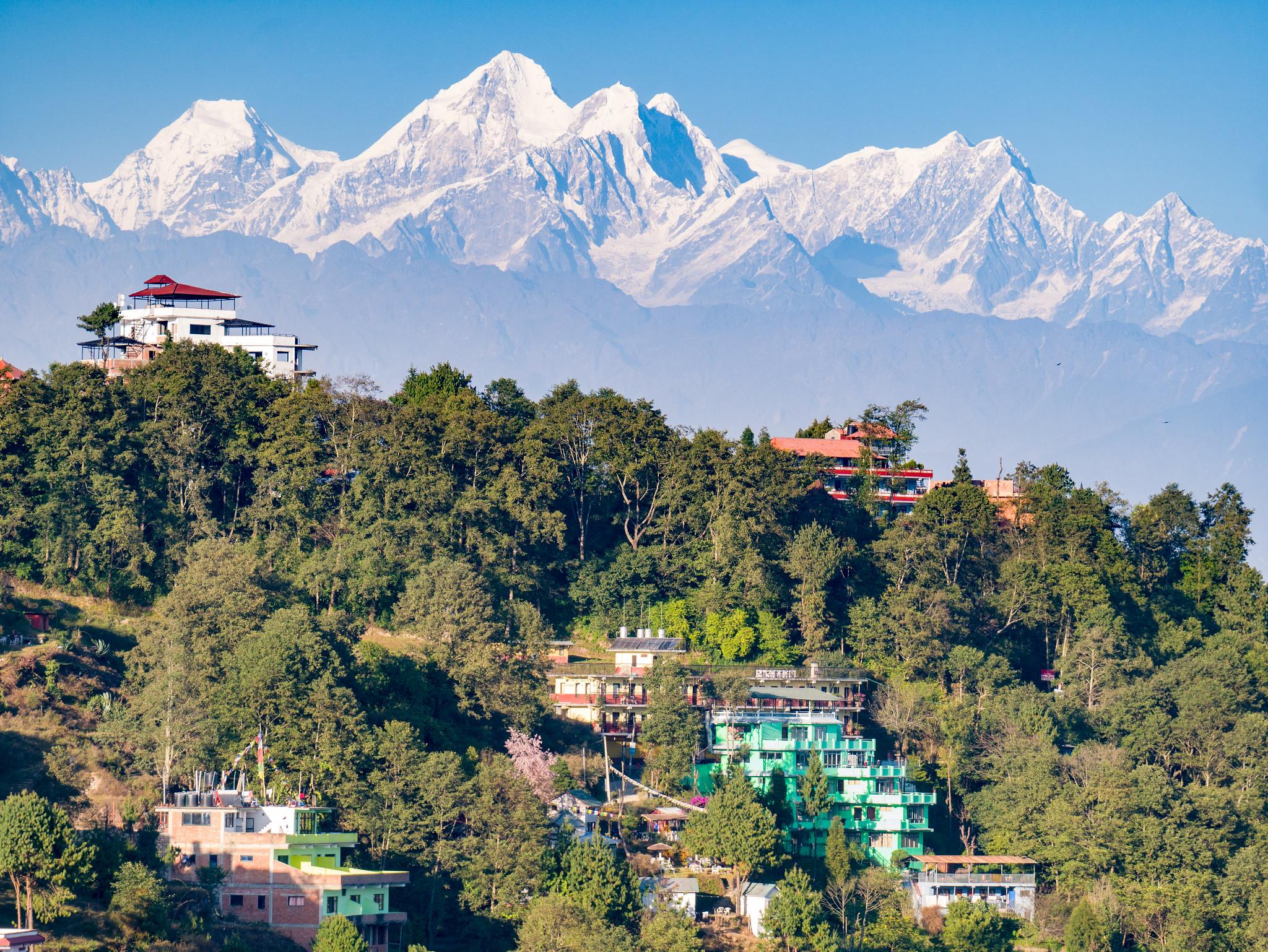
The varied topography of Kavrepalanchok District contributes significantly to its appeal. From the low-lying plains near the Indravati River to the towering peaks of Thamdanda, the landscape offers a picturesque setting for nature enthusiasts. The district's proximity to the Himalayas provides panoramic views of mountain ranges such as Gaurishankar and Sangaswoti, making it a prime spot for breathtaking vistas and photography.
Trekking and Hiking Trails
Kavrepalanchok boasts an array of trekking and hiking trails that cater to both novice hikers and seasoned trekkers. Notable routes include:
- Dhulikhel-Namobuddha-Sankhu-Panauti-Banepa Trail
- Dhungkharka-Narayanthan Trail
These trails not only offer physical challenges but also immerse travelers in the district's natural beauty and serene landscapes.
Biodiversity and Wildlife
The district is home to a rich biodiversity, with over 72 species of birds, of which 60% are resident and 40% are migratory. This makes Kavrepalanchok a haven for bird watchers and wildlife enthusiasts. The varied ecosystems, ranging from rivers and wetlands to forests and grasslands, support a diverse range of flora and fauna, contributing to the district's ecological significance.
Scenic Viewpoints
Locations such as Dhulikhel and Thamdanda offer some of the most stunning panoramic views of the Himalayas, including peaks like Annapurna, Ganesh Himal, Langtang, and Lhotse. These vantage points are ideal for sunrise and sunset viewing, providing unforgettable experiences for visitors.
Cultural and Historical Sites
Ancient Temples and Monasteries
Kavrepalanchok is replete with ancient temples and monasteries that reflect its deep cultural and religious heritage. Prominent sites include:
-
Namobuddha Monastery
-
Palanchok Bhagwati Temple
-
Saping Siddhi Ganesh Temple
-
Kali Devi Temple
-
Gaukhureshwar
These sacred sites attract pilgrims and tourists alike, offering spiritual solace and a glimpse into the region's historical significance.
Historical Settlements
Dhulikhel, the district headquarters, is an ancient settlement known for its historical architecture and cultural landmarks. The town serves as a cultural hub, where traditional Newar and Brahmin-Chhetri lifestyles are still prevalent. Visitors can explore traditional houses, local markets, and historical monuments that narrate the district's rich past.
Festivals and Traditions
The district's vibrant festivals, such as Dashain, Tihar, and Holi, showcase the local traditions and communal harmony among the diverse ethnic groups, including Newars, Brahmins, Chhetris, Tamangs, and Dalits. These festivals offer tourists a unique opportunity to partake in cultural celebrations, traditional rituals, and local handicrafts, enriching their travel experience.
Ecotourism and Sustainable Practices
Ecotourism Initiatives
Kavrepalanchok has been increasingly focusing on ecotourism as a sustainable way to promote tourism while preserving its natural and cultural resources. Efforts include mapping ecotourism opportunities and developing ecovillages that emphasize environmental conservation and community involvement. These initiatives aim to attract eco-conscious travelers who seek to minimize their ecological footprint while enjoying nature.
Community-Based Tourism
Community-based tourism projects in villages like Dhungkharka are designed to benefit local communities economically and culturally. These projects offer homestays, local guiding services, and cultural tours, ensuring that tourism development is inclusive and sustainable. By involving residents in tourism activities, the district fosters a sense of ownership and responsibility towards preserving its heritage and environment.
Pilgrimage Tourism
The Namobuddha area is a significant pilgrimage site within Kavrepalanchok, drawing devotees and religious tourists from across Nepal and beyond. The presence of spiritual monuments and monasteries makes it a focal point for religious tourism. However, there is ample scope for further development in this niche to fully harness its pilgrimage potential.
Village and Horti-Tourism
Village Tourism
Village tourism in areas such as Dhungkharka offers a glimpse into the traditional lifestyles of local communities. Visitors can engage in activities like farming, traditional crafts, and cultural performances, fostering deeper cultural understanding and providing economic benefits to the villages.
Horti-Tourism
Emerging as a viable tourism segment, horti-tourism focuses on agricultural experiences, allowing tourists to participate in farming activities, learn about local horticulture, and enjoy fresh produce. This not only strengthens the local farmers' economy but also adds a unique dimension to the district's tourism offerings.
Current Tourism Trends and Infrastructure
Proximity to Kathmandu
Located just 30 kilometers southeast of Kathmandu, Kavrepalanchok benefits from its close proximity to the capital, making it an accessible destination for both domestic and international tourists. This strategic advantage allows for short-escape trips, weekend getaways, and convenient day trips for those seeking a respite from the urban environment.
Emerging Tourism Spots
Areas like Nagarkot and Dhulikhel have gained popularity for their sunrise and sunset views, trekking opportunities, and wellness retreats. The growing media attention has spurred improvements in accommodation, guided tours, and local amenities, enhancing the overall tourist experience.
Infrastructure Development
While there have been significant advancements in road connectivity and basic services, further infrastructure development is essential to fully realize the district's tourism potential. Enhancements in transportation, signage, accommodation facilities, and service quality are critical for accommodating the increasing number of tourists and ensuring their satisfaction.
Economic and Community Impact
Livelihood Opportunities
Tourism has the potential to significantly boost the local economy by creating jobs in various sectors such as hospitality, guiding, food services, and artisan markets. Community-based tourism initiatives ensure that the economic benefits are distributed equitably among local residents, fostering community development and reducing poverty.
Sustainable Development Focus
Emphasizing sustainable tourism practices is crucial for balancing economic growth with environmental conservation. Initiatives that promote eco-friendly accommodations, waste management, and responsible tourism behaviors help mitigate the negative impacts of mass tourism, ensuring the preservation of the district's natural and cultural resources for future generations.
Challenges and Opportunities for Future Development
Environmental Management
Balancing tourism growth with environmental conservation remains a significant challenge. Overdevelopment or poorly managed tourism can lead to the degradation of natural resources. Implementing stringent environmental regulations and promoting eco-tourism practices are essential to preserve the district's ecological integrity.
Investment and Partnerships
Encouraging private-public partnerships can enhance infrastructural and promotional initiatives. Investments in training programs for local guides and tourism operators can improve service quality and visitor satisfaction, positioning Kavrepalanchok as a competitive tourism destination.
Marketing and Diversification
While the district boasts several well-known attractions, there is untapped potential in promoting niche tourism segments such as adventure tourism, community-led cultural tours, agro-tourism, and wellness retreats. Strategic marketing campaigns, integrated with digital platforms, can effectively position Kavrepalanchok as a diverse and sustainable travel destination.
Tourism Assets Overview
| Attraction | Type | Significance |
|---|---|---|
| Namobuddha Monastery | Religious Site | Major pilgrimage destination |
| Dhulikhel | Historical Town | Ancient settlements and panoramic views |
| Thamdanda | Scenic Viewpoint | Panoramic Himalayan vistas |
| Palanchok Bhagwati Temple | Temples | Significant cultural heritage site |
| Dhungkharka | Village Tourism | Community-based tourism initiatives |
Conclusion
Kavrepalanchok District holds substantial promise as a burgeoning tourism hub in Nepal. Its diverse natural landscapes, rich cultural heritage, and strategic proximity to Kathmandu position it uniquely to attract a wide spectrum of tourists. Sustainable development practices, coupled with focused infrastructure enhancements and strategic marketing, are pivotal in unlocking the district's full tourism potential. By fostering community-based initiatives and emphasizing eco-friendly tourism, Kavrepalanchok can achieve balanced economic growth while preserving its invaluable natural and cultural assets. As the district navigates its development trajectory, it has the opportunity to set a benchmark for sustainable tourism in the region, benefiting both visitors and the local communities alike.
References
Last updated February 13, 2025