
Comprehensive Keto Diet Report
An in-depth exploration of keto-friendly foods and nutritional insights
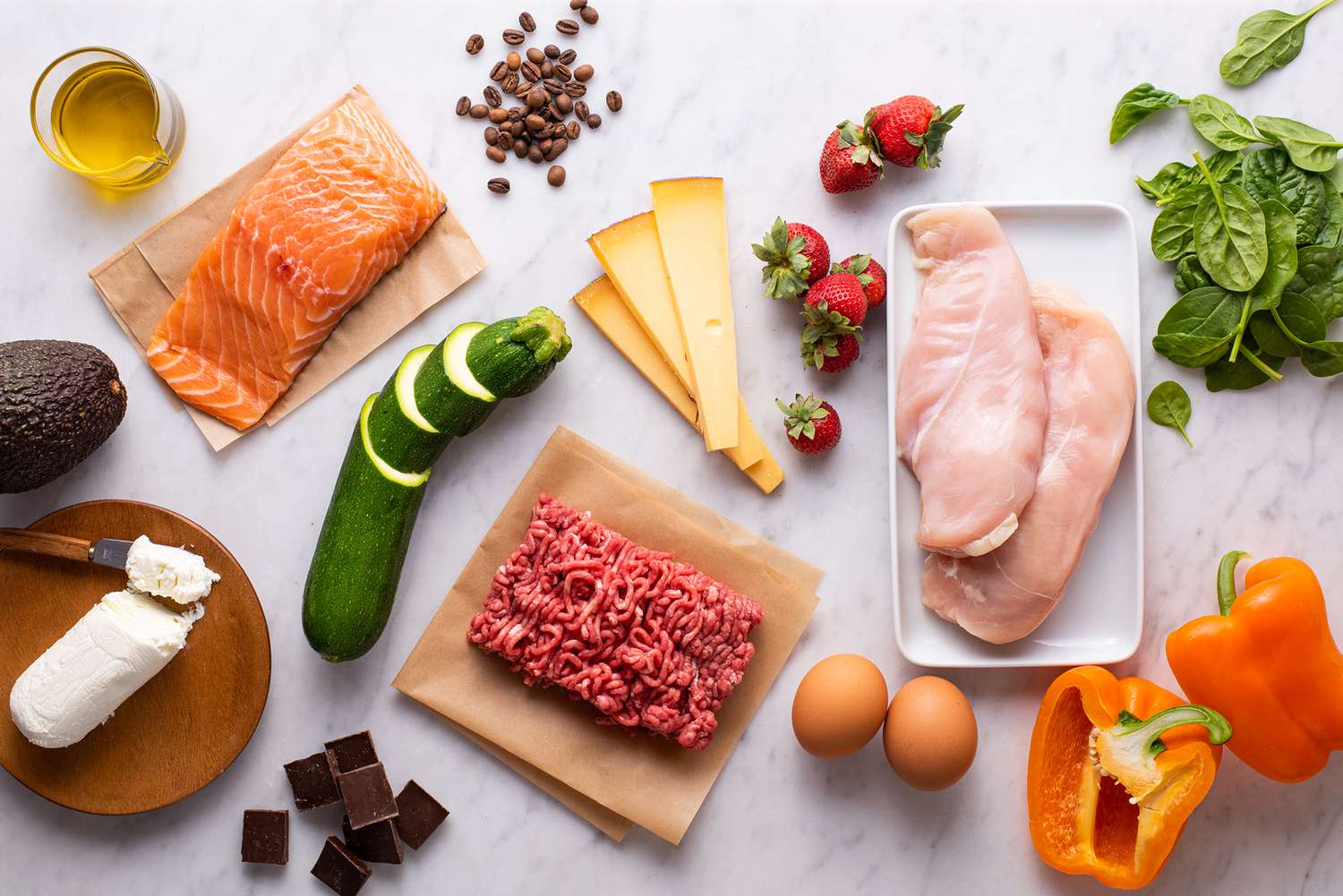
Highlights
- Metabolic Shift: The ketogenic diet induces ketosis by drastically reducing carbs and increasing fat intake.
- Food Emphasis: Focuses on high-quality fats, moderate proteins, and carefully selected low-carb vegetables.
- Health Management: Can support weight loss and assist in managing blood sugar levels and other metabolic conditions.
Introduction to the Ketogenic Diet
The ketogenic diet is a high-fat, moderate-protein, and very low-carbohydrate eating plan designed to shift the body's metabolism from using carbohydrates as its primary energy source to burning fat. This metabolic state, known as ketosis, occurs when carbohydrate intake is greatly reduced—typically to under 50 grams per day—forcing the body to break down fat into ketones for energy. Initially developed to treat neurological disorders, like epilepsy, the keto diet has gained broad popularity for its potential benefits in weight loss, blood sugar management, and overall metabolic health.
Mechanism of Ketosis
The underlying mechanism of the keto diet involves a significant reduction in carbohydrate consumption. When carbohydrates are scarce, the body begins to use fat as its primary fuel source. Fats are broken down into fatty acids and subsequently transformed into ketones by the liver. These ketones then serve as an efficient energy source for the brain and other organs. This shift from glucose to ketones not only promotes weight loss but can also help in regulating blood sugar levels and reducing inflammation.
Core Foundations of the Keto Diet
The success of the ketogenic diet hinges upon its specific macronutrient composition:
| Macronutrient | Percentage of Total Calories | Dietary Implication |
|---|---|---|
| Fats | 70-80% | Main energy source; supports ketosis |
| Proteins | 10-25% | Moderate consumption to support bodily functions without disrupting ketosis |
| Carbohydrates | 5-10% | Strict limitation; essential for entering and maintaining ketosis |
Foods to Embrace on the Keto Diet
Adopting the keto lifestyle involves embracing a variety of nutrient-dense foods. Below is a detailed breakdown of food groups and specific items that fit within a ketogenic framework.
Healthy Fats and Oils
Fats form the cornerstone of the ketogenic diet. It is crucial to select high-quality fats that support optimal health and aid in inducing ketosis.
Examples of High-Quality Fats
- Oils: Olive oil, coconut oil, avocado oil, and MCT oil.
- Dairy Fats: Butter and ghee from grass-fed sources.
- Animal Fats: Lard and tallow, which offer robust flavor and cooking versatility.
Proteins
Proteins help maintain muscle mass and support bodily functions without interfering with ketosis when consumed in moderation.
Keto-Friendly Protein Sources
- Meat: Beef, pork, lamb, and other red meats that are preferably grass-fed.
- Poultry: Chicken, turkey, and duck provide lean protein options.
- Seafood: Fatty fish like salmon, tuna, mackerel, and sardines rich in omega-3 fatty acids.
- Eggs: Eggs are highly versatile and nutrient-dense, offering essential vitamins and minerals.
- Organ Meats: Liver, kidney, and other organ meats provide unique nutrients and high-quality proteins.
Low-Carbohydrate Vegetables
Vegetables are important for fiber, vitamins, and minerals. The focus is on non-starchy options due to their low carbohydrate content.
Examples of Keto-Friendly Vegetables
- Leafy Greens: Spinach, kale, collard greens, and lettuce.
- Cruciferous Vegetables: Broccoli, cauliflower, Brussels sprouts, and cabbage.
- Other Options: Zucchini, asparagus, cucumbers, and bell peppers enhance meal diversity.
Nuts, Seeds, and High-Fiber Foods
Nuts and seeds are excellent sources of fiber and healthy fats, though portion control is necessary due to their caloric density.
Notable Choices
- Nuts: Almonds, macadamia nuts, pecans, and walnuts.
- Seeds: Chia seeds, flaxseeds, pumpkin seeds, and sunflower seeds.
- Additional Foods: Avocados and coconut (in its various forms) add healthy fats and enhance meal variety.
Dairy Products
Full-fat dairy items can be incorporated to supply both fat and protein, but it is advisable to choose products without added sugars.
Dairy Options
- Cheeses: Cheddar, mozzarella, feta, and cream cheese.
- Other Dairy: Full-fat Greek yogurt (in moderation) and heavy cream are popular choices.
Fruits
While most fruits are excluded due to their high sugar content, certain low-carb fruits can be enjoyed sparingly.
Fruits Suitable for Keto
- Berries: Strawberries, blackberries, and raspberries contain lower levels of carbohydrates.
- Avocado: Rich in healthy fats and extremely low in net carbs.
- Citrus: Small amounts of lemons and limes can be used for flavoring.
Foods to Avoid on the Keto Diet
Maintaining ketosis requires strict avoidance of high-carbohydrate items. The following food categories are typically excluded from the ketogenic diet:
High-Carbohydrate Foods
Grains and Starches
Grains such as wheat, rice, oats, and products made from grains including bread, pasta, and cereals, are avoided for their high carbohydrate content that can interfere with ketosis.
Sugary Beverages and Foods
Sweet Items
Sugary foods and beverages, including sodas, juices, desserts, candy, and sweetened snacks, contain high levels of refined sugars that can quickly elevate carbohydrate intake, inhibiting ketosis.
Starchy Vegetables and Most Fruits
Examples to Eliminate
- Starchy Vegetables: Potatoes, corn, peas, and similar items are typically too high in carbs.
- High-Carb Fruits: Most fruits, except for minimal portions of berries and avocado, can disrupt ketosis.
- Legumes: Beans, lentils, and other pulses are avoided due to their carbohydrate content.
Additional Considerations and Tips
While the primary focus of the keto diet is its food composition, several practical tips can support individuals in maintaining optimal nutrition and overall well-being while following this dietary approach.
Hydration and Electrolyte Balance
As the body undergoes metabolic changes during ketosis, increased water loss is common. It is crucial to drink plenty of water to stay hydrated. Moreover, maintaining electrolyte balance through consumption of sodium, potassium, and magnesium is essential, as the altered metabolism may lead to deficiencies. Including foods like leafy greens, avocados, and bone broth can help restore electrolyte levels.
Meal Planning and Portion Control
The restrictive nature of the keto diet makes planning essential. Effective meal planning can help prevent nutrient deficiencies, promote variety, and ensure sustained energy levels. Portion control is important, especially with calorie-dense foods like nuts and oils. Preparing meals in advance and tracking macronutrient intake can foster adherence to the diet’s guidelines.
Cooking Methods and Recipe Adaptations
Opt for cooking methods that preserve the nutritional value of foods while aligning with the keto parameters. Consider grilling, steaming, and baking as healthier alternatives to frying. Experimenting with keto-friendly recipes can help maintain interest and provide balanced meals that satisfy both nutritional and taste requirements.
Professional Guidance
Before embarking on the keto journey, it is advisable to consult a healthcare professional or a registered dietitian, especially for individuals with pre-existing conditions. Professional guidance ensures that the transition into ketosis is safe and that the dietary choices align with individual health goals.
Innovative Keto Meal Ideas and Preparation
Discovering new recipes and exploring creative meal combinations can enhance the experience of following the keto diet. The following table outlines a sample daily meal plan, showcasing a varied yet balanced approach to keto eating.
| Meal | Suggested Foods | Macronutrient Focus |
|---|---|---|
| Breakfast | Scrambled eggs with avocado and spinach; a side of full-fat cheese | High protein, healthy fats |
| Lunch | Grilled chicken salad with olive oil dressing and mixed leafy greens | Lean protein, fiber, and fats |
| Snack | Handful of macadamia nuts and a few berries | Healthy fats and controlled carbohydrates |
| Dinner | Salmon baked with herbs, served with steamed broccoli and cauliflower mash | Proteins, omega-3 fatty acids, low-carb vegetables |
This example illustrates how meals can be structured to meet the dietary ratios required for maintaining ketosis while offering variety and flavor. Experimenting with different recipes and ingredients not only keeps the diet exciting but also allows for nutritionally balanced meals that can be adapted to individual tastes and nutritional needs.
References
- Comprehensive Ketogenic Diet Food List - Everyday Health
- Ketogenic Diet Foods - Healthline
- List of Keto Diet Foods - Good Housekeeping
- Keto Diet Foods - Diet Doctor
- Ketogenic Diet Grocery List - Perfect Keto
- Keto Diet - Safeway
- Ketogenic Diet Review - Harvard T.H. Chan
- Keto Diet Food List - Kettle & Fire
- Ketosis Approved Foods - Dr. Berg
- Keto Foods Guide - Health
Recommended Queries for Further Exploration
Last updated March 4, 2025