
Kids' Clothes vs. Home & Living/Accessory Products on Etsy
Understanding the Marketplace Nuances That Drive Sales Success
Key Highlights
- Customization and Personalization: Kids’ clothing benefits significantly from trends in personalized, unique designs that appeal directly to parents.
- Market Competition: While all Etsy categories are competitive, the saturation levels differ, demanding unique selling propositions for each category.
- Emotional and Seasonal Appeal: Emotional connection and seasonal gifting trends give kids' apparel an edge in consistent sales and repeat customers.
In-depth Analysis
Selling on Etsy requires understanding not only the general appeal of a product category but also the specific dynamics that shape consumer behavior in each niche. When comparing kids' clothes with home & living or accessory products, several factors come into play: customer demand, market trends, competition, pricing, seasonal patterns, and the opportunities for personalization. In this detailed breakdown, we explore these dimensions to illustrate why kids' clothing can potentially be easier to sell on Etsy compared to home or living and accessory products.
Demand and Customer Behavior
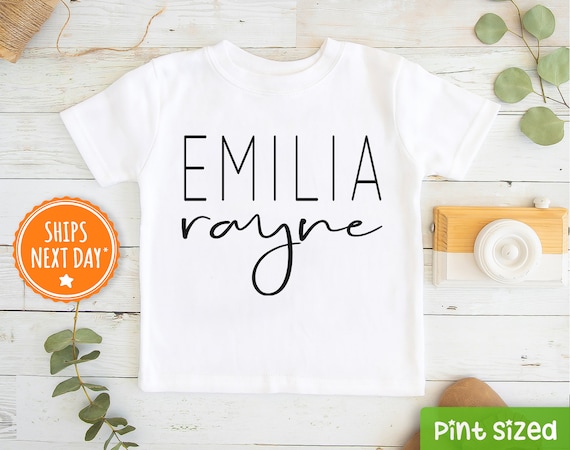
One of the most significant factors influencing the ease of selling is the level of demand for the products. Kids' clothing consistently shows high demand on Etsy, driven primarily by the emotional aspect of parenting. Parents look for unique, personalized, and high-quality clothing that helps express their child's personality or fits as the perfect gift for birthdays and other milestones. The personalization trend in kids' clothing—such as adding names, custom graphics, or themed designs—resonates strongly with buyers who are looking for something special.
In comparison, the home & living category and accessory products cater to a more general market. While these categories also enjoy popularity and strong demand, they often require alignment with broader trends in interior design and fashion accessories. The diverse tastes in home decor and accessories mean sellers must navigate constantly shifting trends, such as changes in interior styles from minimalist to vintage, or variations in accessory trends from tech gadgets to jewelry. This diversity can make it more challenging for individual sellers to carve out a niche without a well-defined target audience.
Personalization and Customization
Personalization plays a critical role in Etsy’s marketplace, where customers often seek handmade and unique items that they cannot find in mass-produced alternatives. In the case of kids' clothing, personalization options obviously create a significant selling point. For example, sellers can offer custom onesies, toddler t-shirts, or themed outfits (like superhero or princess-inspired designs), allowing buyers to tailor their purchases to the child’s personality or the occasion.
In contrast, home & living products, though also benefiting from customization (such as personalized wall art, bespoke furniture, or eco-friendly decor), typically require more effort in customization to stand out from mass-market offerings. Accessories similarly offer opportunities for personalization, but the sheer variety—from jewelry to handbag embellishments—creates a broader competitive field. This makes it more challenging for a seller to be recognized based solely on uniqueness unless they specialize in a distinct niche.
Market Saturation and Competition
Market saturation is a critical element that can determine the ease of sales. Etsy has several highly competitive categories. The home & living category, in particular, is one of Etsy’s cornerstone segments, populated by a vast number of sellers and a constant influx of trends. Meanwhile, accessories also present a dense market with various subcategories such as jewelry, hats, or scarves.
Though kids' clothing is also competitive – especially when it comes to areas like baby apparel – it tends to have a slight competitive advantage. This is due in part to the emotional appeal and the niche focus that sellers can adopt within the kids' category. By targeting specific niches such as newborn essentials, toddler wear, or even items based on popular children’s themes, sellers can differentiate themselves more effectively. This niche differentiation often results in a more focused, loyal customer base.
Pricing, Margins, and Sales Volumes
Another important factor is the product pricing and profit margins. Home and living products, particularly high-quality decor or handcrafted furniture-like items, often command higher prices due to their perceived value and the investment in craftsmanship. These higher price points can translate into better profit margins per item sold, but the volume of sales may be lower compared to clothing. In contrast, kids’ clothing usually sells at lower price points per unit but often enjoys higher turnover rates.
The lower average cost of kids' apparel encourages multiple purchases as children rapidly outgrow their clothes and need replacements. This consistent repurchasing cycle is a massive advantage for sellers as it builds a regular customer base. Additionally, the personalized and seasonal nature of kids’ clothing means that efficient marketing can further boost sales periods around holidays, birthdays, and other special seasons.
Seasonal Trends and Marketing Strategies
Seasonal trends can affect product appeal substantially. The kids' clothing market benefits from natural cycles related to growth spurts, holidays, and school-related events. For example, sellers might see spikes in sales around back-to-school periods, Christmas, or birthday seasons. Moreover, customers often shop for kids' apparel more impulsively when they see unique designs that resonate with ongoing trends or seasonal themes.
On the other hand, home and living products often see seasonal spikes related to major holidays or home improvement seasons. While these periods are lucrative, they may require sellers to adjust their inventory rapidly and compete with a highly saturated market. Accessories might enjoy intermittent bursts of interest tied to fashion trends and lifestyle shifts, but as a catch-all category, it frequently demands a robust brand identity to thrive.
Comparative Overview via Data Table
| Category | Demand | Customization Potential | Competitive Landscape | Seasonal Appeal |
|---|---|---|---|---|
| Kids' Clothing | High demand through emotional appeal and personalization | Very high – avenues for personalized designs and niche themes | Moderate saturation; focused niches can help differentiate | Strong seasonal cycles (birthdays, holidays, school seasons) |
| Home & Living | Steady demand driven by interior design trends | Moderate; personalization requires high craftsmanship | Highly saturated; requires niche strategies | Seasonal spikes during home improvement and festive periods |
| Accessories | Broad appeal with varying trends | Wide scope for personalization but needs strong branding | Highly crowded; penetrating with a unique style is essential | Intermittent peaks tied to fashion cycles |
Critical Considerations for Sellers
Success on Etsy is not solely determined by selecting the right category but also closely tied to the seller’s overall strategy. For those contemplating whether to enter the kids' clothes market or to compete in home & living or accessories, certain strategic approaches can tip the scales in favor of sustained success:
Niche Targeting
One of the primary advantages of focusing on kids' clothing is the ability to target specific niches. Sellers can carve out a profitable segment by specializing in:
- Custom baby outfits and onesies
- Themed clothing collections (e.g., animals, space exploration, fantasy characters)
- Eco-friendly fabrics and sustainable production methods
- Coordination sets for siblings or family matching apparel
By narrowing the focus, sellers improve customer loyalty and reduce direct competition from larger, more generalized stores. In contrast, home & living products and accessories tend to cover broader topics, where differentiation often requires substantial innovation or specialized branding.
Branding and Marketing
Successful Etsy shops thrive on effective branding and storytelling. For kids' clothing, content that communicates warmth, care, and uniqueness significantly enhances visibility and customer attraction. Implementing quality photography that highlights the details of the fabric, color, and customization options helps reinforce the emotional connection with buyers.
Moreover, social media plays an integral role in marketing these products. Platforms such as Instagram and Pinterest allow sellers to visually display their unique designs, behind-the-scenes processes, and customer testimonials. In contrast, home decor and accessory items often require editorial content and lifestyle imagery to position them within current interior or fashion trends. Although both approaches are effective, the inherent charm of children's clothing often makes social media storytelling more candid and engaging.
Pricing and Inventory Management
Pricing strategies further influence sales dynamics. Kids' clothing generally supports moderate-price points which encourage higher volume sales. Low entry prices tend to drive repeat purchases, as parents continuously update wardrobes for their growing children. However, sellers should balance affordability with perceived quality, ensuring that the handmade or customized elements justify the price.
In contrast, home & living products, while capable of achieving higher margins, typically trade on a lower volume of sales. The complexity in production and higher material costs warrant premium pricing, but buyers might deliberate longer before making a purchase. Accessories similarly necessitate keen pricing strategies because the market is flooded with similar items by numerous competitors. Effective inventory management, coupled with seasonal promotions and customized offerings, is crucial in maintaining profitability across these categories.
Technological Enhancements and Customer Engagement
The growing influence of e-commerce platforms demands that sellers adopt technological solutions that make listing management, customer engagement, and order fulfillment more efficient. For instance, automated inventory tracking systems, responsive customer service via chatbots, and social media automation tools help maintain consistent engagement, regardless of the product category.
For kids' clothing, dedicated online marketing campaigns can leverage the visual and emotional appeal of the products, creating opportunities for viral marketing and enthusiastic word-of-mouth promotion. Targeted email marketing, combined with seasonal discounts and loyalty rewards, can further boost customer retention. While these digital strategies are applicable to home & living and accessories, the visually-rich nature of kids' clothing often yields more organic social media traction. This technological edge, when well-implemented, provides sellers with additional leverage, especially in a highly competitive marketplace like Etsy.
Risks and Adaptation
Every market niche presents inherent risks that sellers should carefully evaluate. Despite the clear advantages tied to the kids' clothing niche, considerations such as market fluctuations, evolving consumer preferences, and external competition remain prevalent. It is essential to continuously adapt to changing trends, conduct regular market research, and maintain a flexible business model. Diversifying offerings by possibly incorporating complementary products—like matching accessories or home decor elements for children's rooms—could also enhance brand resilience.
Sellers must remain abreast of Etsy’s evolving policies and platform features that can influence search rankings and visibility. Utilizing Etsy’s advertising tools coupled with organic SEO strategies tailored to niche-specific keywords ensures that products maintain consistent online presence. These informed adaptations help manage the competitive pressures observed in home & living and accessories, further reinforcing the relative advantage held by focused and innovative kids' clothing businesses.
Evaluating the Overall Ease of Selling
In summary, while all product categories on Etsy have their merits and challenges, kids' clothing can offer distinct advantages, primarily due to its high demand, the possibility for deep customization, and strong emotional appeal. This category often experiences robust seasonal trends and repeat purchase cycles driven by children’s growth and parental needs, making it comparatively easier to sustain continuous sales when effectively managed.
However, ease of selling on Etsy is not universally predetermined by product type—it is heavily influenced by the seller’s ability to position their offerings, differentiate from competitors, and dynamically respond to consumer trends. Each category (kids’ clothing, home & living, and accessories) will require its own tailored strategy, yet with the right approach, the niche focus and emotional resonance of kids’ clothing can provide a competitive edge in the digital marketplace.
References
- What Sells Best on Etsy? - ADNABU
- Top Selling Items on Etsy in 2025 - Vendoo
- Trending Items on Etsy - Spocket
- Top Selling Items on Etsy - CedCommerce
- Unisex Kids Clothing on Etsy - Alura
Recommended Exploration
Last updated March 4, 2025