
Effective Kitchen Workflow Definitions
Simplified stages for smooth culinary operations
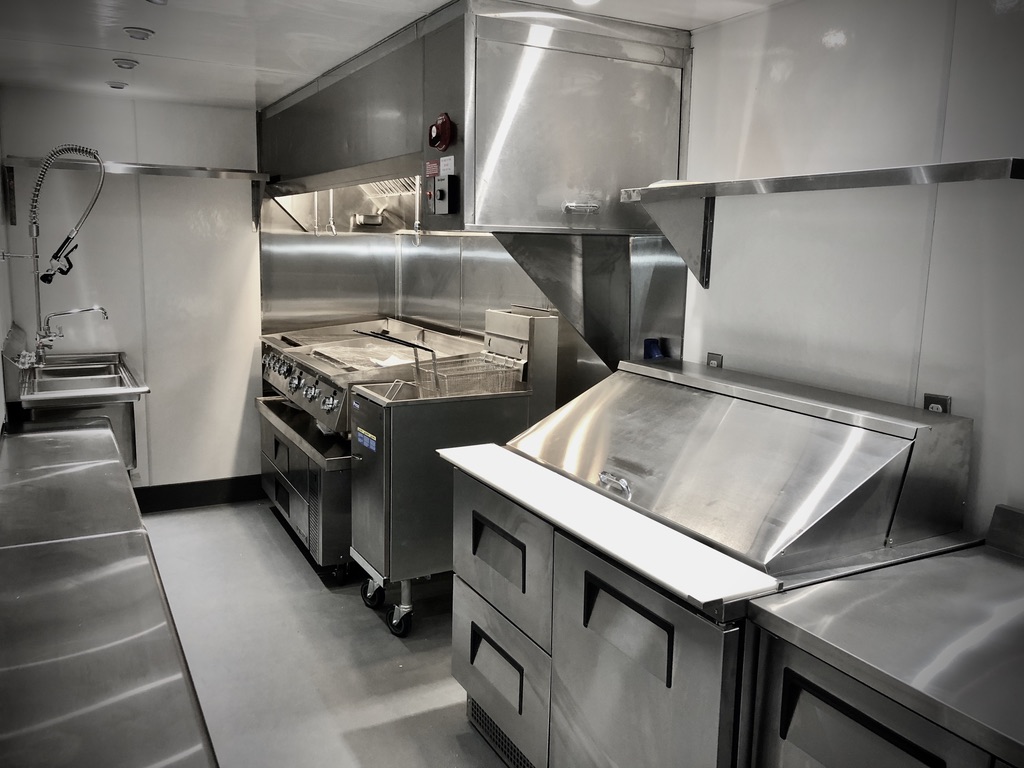
Highlights
- Systematic Process: Every workflow stage is defined to ensure a seamless flow in kitchen operations.
- Efficiency & Safety: Best practices preserve food quality, minimize waste, and maintain hygiene.
- Sequential Clarity: Clear definitions from ordering to waste help teams understand and execute their tasks easily.
Overview
An effective kitchen workflow is a set of clearly defined steps that guide the operations from sourcing raw ingredients to serving food and managing waste. The purpose is to orchestrate a smooth, efficient, and hygienic process that enhances productivity and service quality in a commercial kitchen or home setting. Below, each stage is carefully explained in simple English.
Stages of an Effective Kitchen Workflow
1. Ordering
Definition and Purpose
This is the first step in the kitchen workflow where the need for ingredients and supplies is identified. In simple terms, ordering means creating a list of items such as fresh produce, spices, meats, cleaning supplies, and kitchen tools that are required to prepare dishes. The primary purpose is to ensure that the kitchen has all necessary items on hand before meal preparation starts.
Ordering involves planning menus, checking current inventory, and contacting suppliers. It is crucial for managing costs and preventing shortages during busy times. By ensuring the right items are ordered at the right time, the kitchen can maintain efficiency and reduce unexpected delays.
2. Receiving
Definition and Purpose
The receiving stage starts when the ordered items arrive at the kitchen. This step is all about verifying that the delivered items match what was ordered. It is a quality control process that includes checking for freshness, accuracy, quantity, and overall condition of the items. Ensuring the quality of deliveries is crucial for maintaining food safety and quality standards.
3. Storing
Definition and Purpose
After items are received, they need to be stored correctly to keep them fresh and safe for use. Proper storage means placing items in the right conditions—such as refrigeration for perishables, or dry, cool, and well-ventilated areas for other supplies. Organized storage helps in reducing spoilage, maintaining an accessible inventory, and avoiding cross-contamination between different food groups. Labeling and grouping similar items are common practices to streamline subsequent steps.
4. Issuing
Definition and Purpose
Issuing involves retrieving items from storage and distributing them to the relevant areas of the kitchen. It is the process of “issuing” supplies to the cooks who need them immediately for food preparation. This step ensures that the right ingredients are available at the right time and in the correct quantities. By carefully managing issuance, kitchens can reduce wastage and handle portions more effectively.
5. Preparation
Definition and Purpose
Preparation is the stage where raw ingredients are transformed before the cooking process. This involves washing, chopping, slicing, dicing, marinating, and other tasks required to ready the food for cooking. Preparation is often coordinated in designated areas of the kitchen to help multiple tasks happen simultaneously. This stage is crucial because proper preparation ensures that the cooking process goes smoothly and that the final dish maintains its intended flavor and presentation.
6. Cooking
Definition and Purpose
Cooking is the heart of the kitchen workflow. Here, the pre-prepared ingredients are subjected to heat or other culinary processes (like baking, frying, grilling, or steaming) to transform them into the desired dishes. This stage requires attention to detail, precise timing, and an understanding of various cooking methods. Maintaining consistency in cooking helps in achieving high-quality and tasty meals every time.
7. Service
Definition and Purpose
The service stage is where the cooked food is packaged, plated, and delivered to customers. Presentation is key, as it affects the dining experience. This stage involves ensuring the food is aesthetically pleasing and is served hot or at the correct temperature. Effective coordination between the kitchen staff and wait staff is essential, guaranteeing that service is prompt and meets customer expectations.
8. Cleaning/Wash Up
Definition and Purpose
After food has been served, thorough cleaning of the kitchen is necessary to maintain hygiene and ensure food safety. This stage includes washing utensils, dishes, cooking equipment, and sanitizing surfaces. Regular cleaning prevents cross-contamination and the spread of bacteria. The cleaning process is not only vital for the health of everyone involved but also contributes to the longevity and maintenance of the kitchen equipment.
9. Waste
Definition and Purpose
The final stage in the workflow involves the proper disposal of waste and leftovers. This includes food scraps, packaging, and any unusable items. A well-managed waste system often includes recycling and composting methods to reduce overall environmental impact. Effective waste management helps the kitchen remain clutter-free and safe, while also aligning with sustainable practices.
Detailed Table of Workflow Stages
| Stage | Definition | Key Purpose |
|---|---|---|
| Ordering | Identifying and purchasing necessary items for meal preparation. | Ensure that ingredients and supplies are available and well-planned. |
| Receiving | Inspection and verification of delivered goods. | Confirm quality, quantity, and condition of supplies. |
| Storing | Proper organizing and placing of items in designated storage areas. | Maintain freshness, safety, and easy accessibility of items. |
| Issuing | Distributing ingredients to the relevant workstations. | Provide required supplies efficiently to the cooking stations. |
| Preparation | Cooking preparations like washing, cutting, and marinating. | Ready ingredients for the cooking process. |
| Cooking | Application of various methods like boiling, frying, or baking. | Transform pre-prepared ingredients into finished dishes. |
| Service | Plating, garnishing, and delivering food to customers. | Present attractive, well-timed meals to diners. |
| Cleaning/Wash Up | Cleaning and sanitizing equipment, utensils, and surfaces. | Maintain hygiene and prevent any contamination. |
| Waste | Disposal and recycling or composting of scraps and packaging. | Manage waste responsibly to reduce environmental impact. |
Additional Insights on Workflow Efficiency
Integrating Each Stage for Maximum Efficiency
Every stage of the kitchen workflow plays a vital role in ensuring that the overall operation runs smoothly. Understanding and correctly executing each step leads to several integrated benefits:
Cost Management
By planning the ordering process well and checking inventory regularly, kitchens can reduce food wastage and avoid overspending. Each subsequent stage builds on this foundation to ensure that every ingredient is used efficiently, contributing to reduced operational costs.
Food Safety and Quality
Efficient receiving and storing practices ensure that ingredients remain fresh and safe for consumption. Regular inspections during receiving help catch any potential issues before they escalate. Additionally, proper cleaning and waste management avoid cross-contamination, thereby preserving food quality and adhering to health regulations.
Employee Coordination and Time Management
A well-defined workflow improves communication among kitchen staff by assigning clear responsibilities at each stage. Preparation and cooking become more streamlined, enabling chefs to multitask without confusion. Issuing supplies as needed minimizes downtimes and keeps the entire operation on schedule.
Adapting the Workflow to Different Settings
Home Kitchens vs. Commercial Kitchens
While the fundamental principles remain identical whether you are operating a large-scale commercial kitchen or managing a small home kitchen, the complexity increases with the scale. In commercial setups, additional factors such as regulatory compliance, higher volume orders, and specialized equipment add layers to each process. However, the core definitions outlined remain applicable. For instance:
- Ordering: In a restaurant, this may involve negotiating with multiple suppliers, whereas at home, it simply might be a weekly grocery list.
- Receiving: Commercial kitchens require formal inspection protocols, while home kitchens might involve a quick quality check.
- Storing: Space and temperature control become significantly important in larger kitchens with high inventory turnover.
- Preparation and Cooking: These are divided among team members in a commercial setting, whereas a home cook might perform both tasks consecutively.
- Cleaning/Wash Up and Waste: Regular maintenance and stringent waste management are crucial in busy operations to adhere to food safety regulations.
Implementing Workflow Improvements
Improvement in any segment of the workflow can lead to notable benefits in overall performance. Some ideas for enhancement include:
- Automation in Ordering and Inventory Management: Leveraging digital systems to track inventory levels helps in timely ordering and reduces manual errors.
- Standard Operating Procedures (SOPs): Clear guidelines for every stage help new staff get up to speed quickly and maintain consistency.
- Regular Training: Continuous skill development sessions keep the team updated with new techniques and industry best practices.
- Equipment Maintenance: Regular checks and maintenance of kitchen equipment ensure that there are no unexpected breakdowns which could disrupt the workflow.
- Sustainable Practices: Incorporating recycling and composting methods in the waste management stage not only reduces environmental impact but also optimizes cost efficiency.
Visual Reference: Workflow Diagram
The following table provides a visual reference to the workflow stages along with a short description of each:
| Workflow Stage | Short Description |
|---|---|
| Ordering | Planning and purchasing required items. |
| Receiving | Inspecting and verifying delivered items. |
| Storing | Properly organizing and preserving items. |
| Issuing | Distributing items from storage for use. |
| Preparation | Processing ingredients for cooking. |
| Cooking | Transforming prepared ingredients using heat or other methods. |
| Service | Plating and presenting dishes to customers. |
| Cleaning/Wash Up | Sanitizing equipment and maintaining hygiene. |
| Waste | Disposing or recycling leftovers and packaging. |
References
- Kitchen Workflow Plan Example - Kitchen OWA
- How to Create an Efficient Kitchen Workflow - My Kitchen Hacks
- How Kitchen Equipment Supplies Impact Workflow - Industry Kitchens
- How to Create the Perfect Kitchen Workflow - Kitchen Experts
- Streamlining the Kitchen Workflow - Wisk AI
Recommended Further Queries
Last updated March 17, 2025