
Seamless Transitions: Mastering F&B Department Handovers for Operational Excellence
Unlock the secrets to a smooth, efficient, and comprehensive handover within your Food & Beverage Department, ensuring unparalleled guest experiences and operational continuity.
Key Insights for a Flawless F&B Handover
- Structured Documentation: Comprehensive checklists and logs are the bedrock of effective handovers, ensuring all critical operational details, from inventory to guest feedback, are meticulously recorded and accessible.
- Clear Communication Protocols: Regular, formalized briefings and open communication channels are essential to bridge information gaps, clarify pending tasks, and foster a collaborative environment during transitions.
- Department-Specific Customization: While general principles apply, tailoring handover procedures to the unique demands of Service, Kitchen, Stewarding, and Animation ensures precision and relevance, addressing their distinct operational needs.
A meticulously crafted handover plan is indispensable for the Food & Beverage (F&B) Department, encompassing its diverse facets: Service (Restaurants & Bars), Kitchen, Stewarding, and the Animation Department. The primary objective of such a plan is to facilitate a seamless transfer of responsibilities during management changes, staff transitions, or shift rotations, thereby minimizing operational disruptions and consistently upholding high standards of service and guest satisfaction. This comprehensive approach integrates early planning, detailed documentation, structured knowledge transfer, transparent communication, and robust accountability to ensure continuity and efficiency.
Effective handover strategies are built on fundamental principles applicable across all F&B functions. Foremost among these is the commitment to extensive documentation, including Standard Operating Procedures (SOPs), detailed checklists, financial records, inventory reports, and supplier contacts. Structured knowledge transfer, through both formal meetings and informal shadowing, ensures that incoming personnel fully grasp their new roles. Establishing clear communication channels is vital for addressing queries and resolving issues in real-time. Finally, clear accountability and a mechanism for continuous feedback are crucial for refining future handover processes.
The Pillars of an Effective F&B Handover
An effective F&B handover hinges on several universal principles that transcend individual departmental nuances. These principles form the foundational framework upon which all specific handover plans are built, ensuring consistency, clarity, and accountability across the entire operation. By adhering to these overarching guidelines, F&B establishments can foster a culture of seamless transitions and operational resilience.
Strategic Planning and Preparation
The success of any handover begins long before the actual transition. Early and meticulous planning is paramount, allowing ample time for the outgoing individual or team to consolidate information, document processes, and prepare the incoming party. This preparatory phase should involve identifying key areas of responsibility, gathering all relevant data, and scheduling dedicated sessions for knowledge transfer. Proactive planning helps to prevent last-minute rushes and ensures that no critical information is overlooked.
- Initiate Handover Planning Early: Begin the handover process well in advance (ideally 1-4 weeks) to allow for thorough documentation, knowledge transfer, and training.
- Review and Update SOPs: Ensure all standard operating procedures are current and accessible, reflecting the latest operational guidelines and best practices.
- Consolidate Key Information: Compile all essential data, including contact lists, supplier details, ongoing projects, and historical performance metrics, into a centralized, easily accessible format.
Comprehensive Documentation and Accessibility
Documentation serves as the institutional memory of the department. Detailed handover documents are essential, capturing every critical piece of information from daily operational checklists to long-term strategic plans. These documents should be clear, concise, and easily navigable, serving as a vital reference point for incoming staff. The accessibility of this documentation—whether through digital platforms or organized physical binders—is crucial for empowering new personnel to quickly get up to speed.
- Create Detailed Handover Logs and Checklists: Develop specific checklists for daily, weekly, and monthly tasks, tailored to each department's unique operations.
- Centralize Information: Utilize digital platforms or a well-organized physical system to store all handover documents, making them readily available to relevant personnel.
- Standardize Reporting: Implement uniform reporting formats for shift handovers, inventory checks, and incident reports to ensure consistency and clarity.
Structured Knowledge Transfer
Beyond written documentation, direct knowledge transfer is invaluable. This involves formal and informal sessions where the outgoing staff can impart their experiential knowledge, insights, and nuances of their roles. One-on-one meetings, shadowing opportunities, and interactive team discussions allow for a deeper understanding of operational intricacies, problem-solving approaches, and the unwritten rules that contribute to successful departmental functioning. This direct interaction facilitates a smoother and more effective transition.
- Conduct Formal Briefings: Schedule dedicated meetings between outgoing and incoming personnel to review documentation, discuss pending tasks, and address questions.
- Facilitate Shadowing Opportunities: Allow incoming staff to observe and participate in daily operations alongside experienced team members to gain practical insights.
- Encourage Q&A Sessions: Foster an environment where incoming personnel feel comfortable asking questions and seeking clarification on any aspect of the operation.
Transparent Communication Channels
Open and consistent communication is the lifeblood of any effective handover. Establishing clear communication protocols ensures that all stakeholders are informed, questions are addressed promptly, and potential issues are flagged early. This includes formal introduction meetings, regular update sessions during the transition period, and ensuring that emergency contact information is readily available. Transparent communication minimizes misunderstandings and builds trust between outgoing and incoming teams.
- Formal Introductions: Introduce the incoming staff or manager to all relevant team members and key stakeholders to foster early rapport.
- Regular Check-ins: Schedule frequent meetings during the handover period to discuss progress, resolve emerging issues, and ensure alignment.
- Open Door Policy: Maintain accessible channels for staff to raise concerns or seek clarification, ensuring ongoing support.
Accountability and Continuous Improvement
Clearly defined roles and responsibilities for both outgoing and incoming personnel are crucial. Each party should understand their duties during the handover phase, with oversight from senior management to ensure all steps are followed. Post-handover, gathering feedback from all involved parties is essential for identifying areas for improvement. This iterative process of feedback and refinement ensures that the handover plan evolves, becoming more efficient and effective with each transition.
- Assign Clear Responsibilities: Define who is accountable for each task and information transfer during the handover process.
- Implement Follow-Up Audits: Conduct reviews after the handover period to assess its effectiveness and identify any overlooked areas.
- Establish a Feedback Loop: Gather input from both outgoing and incoming personnel to continuously refine and optimize the handover procedures.
Department-Specific Handover Strategies
While the general principles provide a robust framework, each F&B department possesses unique operational characteristics that necessitate tailored handover strategies. Customizing the handover plan for Service, Kitchen, Stewarding, and Animation ensures that specific departmental needs are met, critical information is transferred effectively, and operational continuity is maintained across all functions.
Service (Restaurants & Bars) Handover
The Service department is the face of the F&B operation, directly impacting guest satisfaction. A handover here must prioritize the continuity of customer experience, efficient front-of-house operations, and accurate management of reservations and sales. This involves meticulous attention to guest preferences, staff scheduling, and inventory management for bar and dining areas.

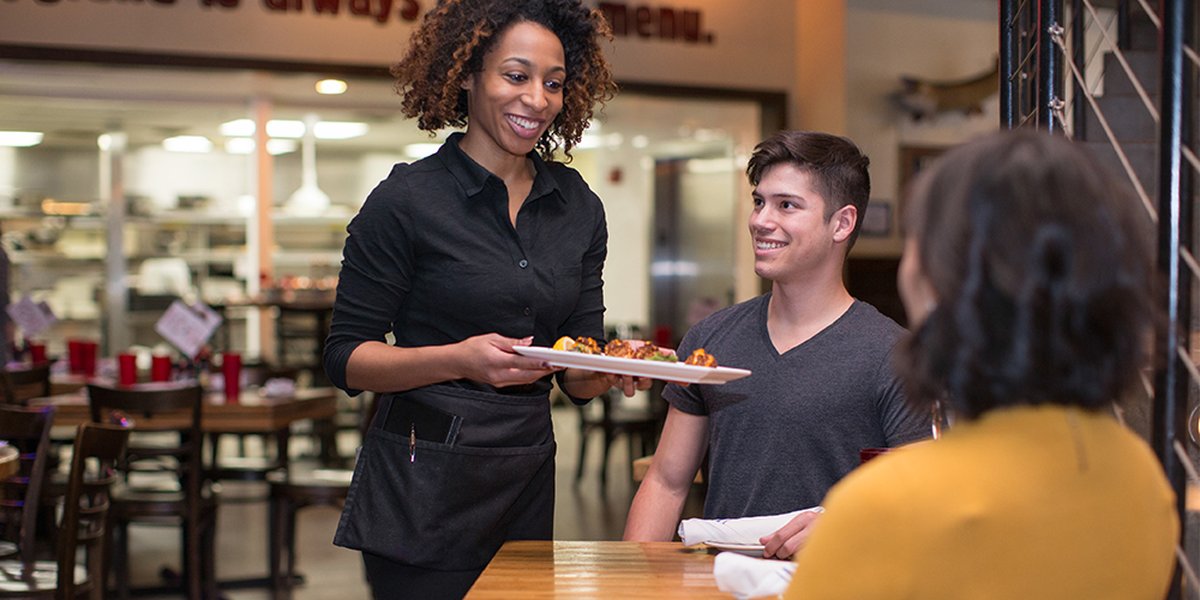
A restaurant setting with staff engaged in service, highlighting the dynamic environment of F&B service operations.
Preparation Steps:
- Review Staff Rosters and Schedules: Confirm current and upcoming shift assignments, including any planned absences or substitutions.
- Inventory of Front-of-House Supplies: Conduct a thorough count of glassware, cutlery, tableware, and linen to ensure adequate stock.
- System Access and Training: Ensure incoming staff have full access and training on reservation systems, Point-of-Sale (POS) systems, and guest feedback platforms.
Key Handover Checklist Items:
- Daily Sales and Cash Reconciliation: Verify till balances, sales reports, and any discrepancies from previous shifts.
- Guest Feedback and Unresolved Issues: Document and communicate any outstanding guest complaints, special requests, or VIP arrangements.
- Menu Knowledge and Specials: Brief on current menus, daily specials, allergen information, and any promotional offers.
- Supplier and Vendor Contacts: Provide updated contact details for beverage and service supply vendors.
- SOPs for Service Delivery: Review procedures for greeting guests, order taking, serving, payment processing, and incident reporting.
Kitchen Handover
The Kitchen department is the heart of any F&B operation, where food quality, safety, and efficiency are paramount. A successful kitchen handover ensures consistency in culinary standards, strict adherence to food safety protocols, and effective management of inventory and procurement. This demands detailed recipe documentation, equipment maintenance logs, and robust hygiene records.
A commercial kitchen environment demonstrating the organized chaos and precision required in culinary operations.
Preparation Steps:
- Inventory of Food Stock and Non-Food Supplies: Conduct a comprehensive audit of all ingredients, dry goods, and packaging materials, noting freshness and quantity.
- Recipe and Costing Documentation: Ensure all standardized recipes, portion sizes, preparation methods, and menu costing details are accessible.
- Equipment Maintenance Records: Compile logs for all kitchen equipment, noting recent services, known issues, and operational quirks.
Key Handover Checklist Items:
- Daily Prep Lists and Production Schedules: Communicate ongoing prep tasks, forecasted demands, and any backlog of orders.
- Food Safety and HACCP Compliance: Verify adherence to Hazard Analysis and Critical Control Points (HACCP) plans, temperature logs, and hygiene protocols.
- Supplier Contracts and Procurement Procedures: Detail current supplier agreements, ordering processes, and receiving protocols for deliveries.
- Waste Management and Spoilage Reports: Document any spoiled items, waste disposal procedures, and inventory discrepancies.
- Shift Handover Notes for Chefs: Standardize notes on critical equipment status, special instructions, and inter-departmental coordination.
Stewarding Handover
The Stewarding department plays a crucial supporting role, ensuring the cleanliness, sanitation, and operational readiness of all F&B areas, equipment, and utensils. A thorough stewarding handover focuses on maintaining hygiene standards, managing cleaning supplies, and coordinating effectively with both kitchen and service teams to ensure a smooth flow of operations.
Preparation Steps:
- Inventory of Cleaning Supplies and Chemicals: Audit all cleaning agents, sanitisers, and tools, ensuring compliance with safety data sheets (SDS) and stock levels.
- Review Cleaning Schedules and Checklists: Confirm daily, weekly, and monthly cleaning routines for all F&B areas, including specific equipment.
- Equipment Status and Maintenance Logs: Document the operational condition of dishwashers, pot wash machines, and other stewarding equipment, noting any maintenance needs.
Key Handover Checklist Items:
- Dishwashing and Sanitation Procedures: Verify adherence to standardized dishwashing cycles, water temperatures, and chemical usage.
- Waste Disposal and Recycling Compliance: Ensure proper waste sorting, disposal methods, and recycling protocols are followed.
- Crockery, Cutlery, and Glassware Inventory: Conduct counts and report on breakage, loss, and replenishment needs for all service ware.
- Coordination with Other Departments: Outline procedures for timely delivery of clean items and removal of soiled items for both kitchen and service.
- Staff Training on Hygiene and Safety: Confirm staff are up-to-date on safety protocols for chemical handling and equipment operation.
Animation Department Handover (F&B Context)
In the F&B context, the "Animation Department" typically refers to the team responsible for guest entertainment, event coordination, and ambiance creation, particularly in hotels, resorts, or larger F&B establishments. A handover here must ensure the seamless execution of events, continuity of creative programs, and effective management of entertainment resources.
This video explains how to manage a motion design handover, providing insights into organizing creative assets and project details, which can be adapted for the Animation Department's F&B context.
This video, titled "How to do a motion design handover – from design to delivery," offers valuable insights into the structured process of transferring creative projects. While specifically focused on motion graphics, the principles of organizing assets, documenting progress, and ensuring smooth transitions are highly relevant to the Animation Department within an F&B setting. This department, often responsible for creating engaging guest experiences through live performances, themed events, or digital content (like promotional videos for menus or ambiance screens), benefits immensely from a systematic handover. The video demonstrates how meticulous documentation of project status, creative assets, and technical specifications can prevent misunderstandings and ensure continuity, whether it's for a new menu launch animation or a scheduled live show. Understanding how to package and convey creative work effectively is crucial for maintaining the desired guest atmosphere and event quality in an F&B establishment.
Preparation Steps:
- Review Event Schedules and Bookings: Confirm all upcoming events, activities, and entertainment programs, noting themes, timings, and guest numbers.
- Inventory of Entertainment Props and Equipment: Audit all sound systems, lighting, costumes, and props, checking their condition and location.
- Contracts with Performers/Partners: Consolidate details of external performers, artists, or vendor contracts, including contact information and payment terms.
Key Handover Checklist Items:
- Program Scheduling and Details: Provide detailed descriptions of each activity, including required resources, setup/teardown procedures, and safety guidelines.
- Guest Interaction and Engagement: Share insights on guest demographics, preferences, and any specific feedback mechanisms for activities.
- Resource Management: Document equipment maintenance schedules, inventory of props, and any special material requirements.
- Staffing and Training: Hand over animator/performer rosters, contact details, and any specific training materials or scripts.
- Budget Overview and Performance Reports: Provide current budget status for the animation department and past performance reports for events, including attendance and satisfaction.
Integrated Handover Management Metrics
To effectively gauge the success and efficiency of the F&B department handover process, a multifaceted approach is required. By evaluating various operational and qualitative factors, management can identify areas of strength and opportunities for improvement. The radar chart below visualizes key performance indicators (KPIs) critical to assessing handover effectiveness across the different F&B departments.
This radar chart illustrates a comparative assessment of handover effectiveness across the four F&B departments. Each spoke represents a critical KPI for successful transitions. "Documentation Completeness" assesses the thoroughness of written handover materials. "Knowledge Transfer Quality" measures how effectively practical experience and insights are conveyed. "Operational Continuity" indicates the extent to which daily operations remain uninterrupted. "Team Communication Flow" evaluates the clarity and consistency of information exchange. "Problem Resolution Efficiency" gauges how quickly and effectively issues are addressed during and after the handover. "Guest Satisfaction Impact" reflects any positive or negative influence on the guest experience. "Inventory Accuracy" focuses on the precision of stock counts and management. Finally, "Compliance Adherence" measures adherence to health, safety, and regulatory standards. The chart visually highlights the strengths and areas for improvement for each department's handover process, guiding targeted interventions to enhance overall F&B operational excellence.
The Handover Process: A Mindmap Overview
To further illustrate the interconnected components of a comprehensive F&B department handover, a mindmap provides a visual and hierarchical representation of the key elements. This diagram highlights the central theme of "F&B Handover" and branches out into the general principles and specific departmental considerations, emphasizing their interdependencies and the structured approach required for a successful transition.
This mindmap provides a visual blueprint of the F&B Handover Plan. It starts with the overarching "F&B Department Handover" and branches into "General Handover Principles," which apply universally, and then details the specific considerations for each sub-department: Service, Kitchen, Stewarding, and Animation. Each departmental branch further expands into key areas like operations, guest management, inventory, and safety, offering a clear, structured, and comprehensive overview of all components necessary for a successful and integrated handover process. This visual aid helps in understanding the interconnectedness of various tasks and responsibilities, ensuring that no critical aspect is overlooked during transitions.
Implementing the Handover Plan: Best Practices and Tools
Successful implementation of any handover plan requires not only detailed procedures but also the right tools and a culture of accountability. By integrating these elements, F&B establishments can transform handovers from a chore into a seamless operational process, ensuring continuity and consistency.
Meeting Framework and Documentation
Formalizing the handover meeting is essential. These sessions should be scheduled, structured, and attended by both outgoing and incoming personnel. The meeting should serve as a review of the documented checklists and an opportunity to discuss any urgent or outstanding issues. Accountability for pending tasks must be clearly assigned, and contact information exchanged for ongoing communication. Digital confirmation or signatures should be used to document the completion of the handover, adding a layer of accountability.
Utilizing Digital Tools and Templates
Leveraging digital platforms and standardized templates can significantly enhance the efficiency and effectiveness of handovers. These tools facilitate real-time updates, easy access to information, and consistent data capture across all shifts and departments. For instance, digital checklists can replace paper-based systems, enabling automated tracking and reporting of completed tasks. Examples of useful tools include digital communication apps, dedicated SOP software, and customizable handover forms.
| Department | Essential Documentation | Recommended Tools/Templates |
|---|---|---|
| Service (Restaurants & Bars) | Daily Sales Reports, Guest Feedback Logs, Reservation Schedules, Staff Rosters, Menu Updates, Beverage Inventory | POS System Reports, Digital Reservation Platforms, Shift Handover Logbooks/Apps, Opening/Closing Checklists |
| Kitchen | Daily Prep Lists, Recipe Binders, Food Safety Logs (HACCP), Inventory Sheets, Supplier Contact List, Equipment Maintenance Records | Kitchen Operations Checklists (digital/printable), Food Safety Management Software, Inventory Management Systems, Recipe Management Software |
| Stewarding | Cleaning Schedules, Chemical Inventory & SDS, Equipment Condition Reports, Waste Management Logs, Crockery/Cutlery Breakage Reports | Cleaning Checklists, Chemical Inventory Trackers, Equipment Maintenance Logs, Digital Audit Forms |
| Animation Department | Event Schedules, Program Details, Equipment Inventory, Performer Contracts, Guest Feedback (on activities), Budget Reports | Project Management Software, Event Planning Templates, Digital Asset Management (DAM) Systems, Performance Tracking Spreadsheets |
This table outlines the essential documentation and recommended tools for each F&B department's handover process. Utilizing these resources ensures that all critical information is systematically organized, accessible, and easily transferred, promoting efficiency and accuracy. Digital tools, in particular, offer advantages in terms of real-time updates, centralized data, and simplified reporting, thereby streamlining the entire handover procedure.
Frequently Asked Questions (FAQ)
What is the main purpose of an F&B handover plan?
How frequently should handovers occur in the F&B Department?
Why is documentation so important in a handover?
What are the key elements of a successful handover meeting?
How can technology enhance the F&B handover process?
Conclusion
A well-executed handover plan is a cornerstone of operational excellence within the Food & Beverage Department. By meticulously planning, documenting, and communicating every detail across Service, Kitchen, Stewarding, and Animation teams, establishments can ensure seamless transitions, maintain high service standards, and safeguard guest satisfaction. The integration of structured processes, comprehensive checklists, and effective communication channels, supported by modern digital tools, empowers incoming personnel to quickly assume their responsibilities with confidence. Ultimately, a robust handover system fosters continuity, reduces risks, and builds a resilient F&B operation capable of consistently delivering exceptional experiences.
Recommended Searches
- Discover best practices for creating and implementing F&B operational checklists.
- Explore how digital solutions can streamline handover processes in the hospitality industry.
- Understand the critical role of clear communication in fostering F&B staff retention and performance.
- Learn effective strategies for training new F&B managers to ensure rapid integration and success.
Referenced Search Results
 image.makewebeasy.net