
Unveiling the KryoBottle: A Fusion of Innovation and Utility
Exploring the Diverse World of "Kryo" and its Embodiments in Bottle Design and Technology
- Versatile Applications: The "Kryo" concept extends far beyond simple hydration, encompassing advanced AI tools, specialized storage, and even unique beverage marketing, demonstrating its adaptability across various sectors.
- Advanced Insulation Technology: Many "Kryo" bottles, particularly those for beverages, leverage cutting-edge vacuum insulation to maintain temperatures for extended periods, highlighting a focus on performance and user convenience.
- Innovative Design and Functionality: From ergonomic grips to turbulent mixing technologies and sleek aesthetic appeal, "Kryo" bottle designs emphasize both practical utility and sophisticated visual appeal, catering to diverse consumer needs.
The term "Kryo" or "Cryo" evokes a sense of cold, precision, and advanced technology. When we consider what a "KryoBottle" could look like, it’s essential to understand that this concept is not limited to a single product but rather a design philosophy applied across various domains. It represents a convergence of innovative materials, intelligent design, and often, a focus on temperature regulation or advanced functionality. This exploration will delve into the multifaceted interpretations of "Kryo" in bottle design, from insulated beverage containers to specialized cryo-storage solutions and even metaphorical applications in digital technology.
The Essence of "Kryo" in Design and Technology
The prefix "Kryo-" or "Cryo-" is derived from the Greek word for "cold" or "ice." This fundamental meaning permeates many products and services that adopt the "Kryo" designation, often implying superior temperature control, preservation, or advanced, cool-running technology. However, the term has also been embraced by entities in the software and AI space, signifying cutting-edge, efficient, and often 'cool' solutions.
Hydration and Thermal Control: The Core KryoBottle
Perhaps the most common association with "KryoBottle" is a high-performance insulated beverage container. Companies like Nanobot Solutions and AeroBottle have embraced the "Kryo" or "Cryo" moniker for their stainless steel vacuum flasks, emphasizing their ability to maintain drink temperatures for extended periods. These bottles are engineered for individuals who demand durability, efficiency, and a touch of sophistication in their daily hydration solutions.
Key Features of Insulated KryoBottles:
- Double-Wall Vacuum Insulation: This is the cornerstone of a KryoBottle’s thermal performance. The vacuum layer between two walls prevents heat transfer by convection and conduction, keeping liquids hot or cold for many hours. Nanobot Kryo bottles, for instance, claim to keep drinks cold for up to 24 hours and hot for up to 24 hours.
- Premium Materials: Typically, these bottles are crafted from 18/8 or 304 food-grade stainless steel, ensuring durability, resistance to corrosion, and freedom from BPA.
- Ergonomic Design: Many KryoBottles feature ergonomic forms for a comfortable and hassle-free grip, even when on the go. This focus on user experience is crucial for everyday portability.
- Durable Finishes: Powder-coat finishes are common, offering enhanced grip, aesthetic appeal, and protection against scratches and dents.
- Innovative Lids and Openings: Simple rotation caps and airtight closures are designed to prevent leaks and spills while securely maintaining temperature.
The aesthetic of these hydration-focused KryoBottles often leans towards sleekness and minimalism. They might feature vibrant hues or subtle, sophisticated tones, reflecting a blend of functionality and contemporary style. The design is not just about looks; it's about making a statement of precision and innovation in an everyday item.
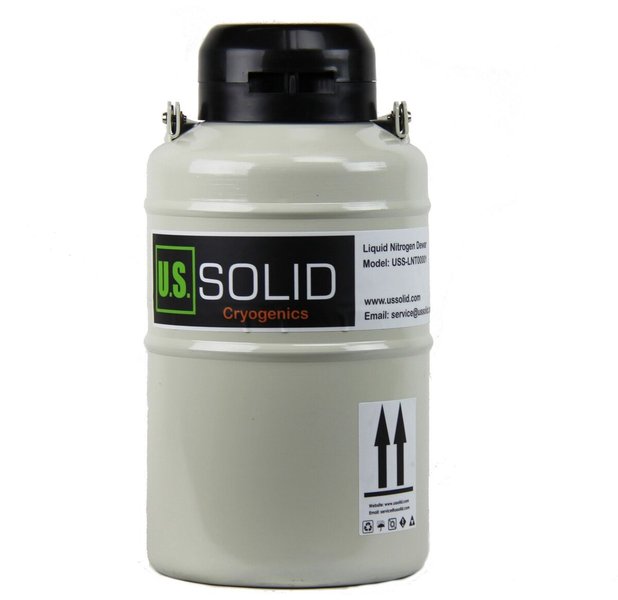
An example of a cryogenic container, showcasing design principles that inspire "Kryo" bottles.
Beyond Beverages: Specialized Cryo-Storage
The "Cryo" term is also extensively used in scientific and medical fields for cryogenic storage solutions, which are designed to store materials at extremely low temperatures, often using liquid nitrogen. While these are not "bottles" in the common sense, they are containers, and their design principles—insulation, durability, and precise temperature control—are highly relevant to the "Kryo" concept.
Characteristics of Cryogenic Storage Vessels:
- Vacuum Insulation: Similar to beverage bottles, these containers utilize advanced vacuum insulation to maintain ultra-low temperatures necessary for preserving biological samples, chemicals, or other sensitive materials.
- Robust Construction: Built to withstand extreme conditions, these vessels are often made from strong, resilient materials.
- Specialized Lids and Vents: Designed to prevent evaporation of cryogenic liquids and maintain a stable internal environment.
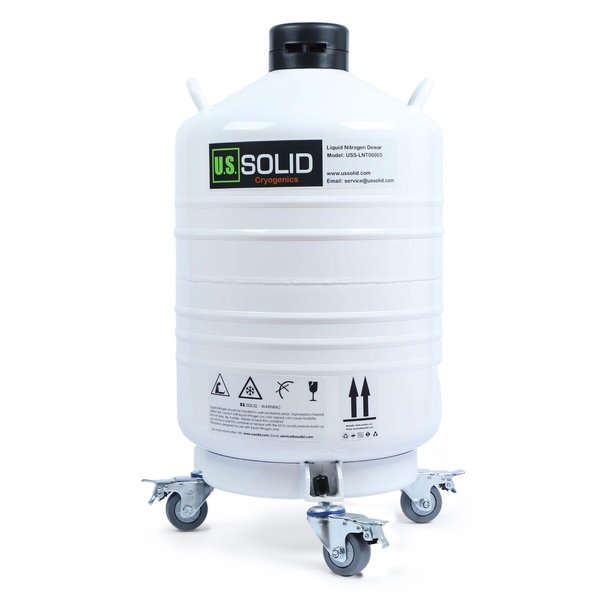
A large-capacity cryogenic container, highlighting robust design for specialized storage.
The "Kryo" Identity in Technology and Software
The term "Kryo" also extends into the technology sector, where it signifies cutting-edge and innovative solutions. This is evident in companies like Kryobot, offering consulting services in software and mobile app development, and Kryll.io, an AI tool suite for Web3. While not physical bottles, these entities embody the "Kryo" spirit through their advanced, often 'cool' or revolutionary approaches to digital challenges.
"Kryo" in the Digital Realm:
- AI and Web3 Tools: Kryll.io, for example, democratizes Web3 with AI tools, suggesting a sophisticated and accessible approach to complex digital environments.
- Software and App Development: Kryobot positions itself as a distinguished technology company, implying expertise in creating innovative, user-friendly digital products.
- Advanced Engineering: Kryfs Technologies utilizes advanced technology for real-time data monitoring systems, focusing on precision and proactive measures.
The Visual and Functional Aesthetics of a KryoBottle
A "KryoBottle" as a general concept could manifest in various forms, each tailored to its specific function but unified by an underlying commitment to advanced performance and sleek design. The visual characteristics would reflect its purpose, whether it's for keeping beverages perfectly chilled, storing sensitive materials, or even as a metaphorical representation of cutting-edge technology.
Here's a breakdown of potential visual and functional aesthetics:
| Aspect | Description | Examples & Inspirations |
|---|---|---|
| Form Factor | Sleek, minimalist, often cylindrical or with ergonomic contours. May feature a wide mouth for easy cleaning/ice insertion or a narrow one for drinking. Specialized versions could be cube-like for efficient storage. | Nanobot Kryo Flask, AeroBottle Primus Cryo, scientific cryo-vials. |
| Materials | Primarily high-grade stainless steel (e.g., 304 SS), durable polymers, or specialized composites for extreme temperature resistance. Often BPA-free. | Food-grade stainless steel, advanced plastics. |
| Color Palette | Often includes metallic tones (silver, black), cool blues, or vibrant, eye-catching colors for consumer products. Subdued, clinical tones for scientific applications. | Nanobot Kryo Color Edition, Poliakov Vodka's "glacial DNA" branding. |
| Texture/Finish | Powder-coat finishes for grip and durability, polished surfaces for aesthetics, or matte textures for a modern look. | Durable powder-coat finish on Nanobot Kryo. |
| Lid/Closure | Airtight, leak-proof, sometimes with a simple rotation cap or a more complex seal for high-pressure/vacuum integrity. Integrated mixing mechanisms for shaker bottles. | Simple rotation cap (Nanobot Kryo), turbulent mixing technology (AeroBottle). |
| Branding | Subtle, sophisticated logos that emphasize technology, precision, or the "cold" aspect. May incorporate thematic elements like ice, glaciers, or abstract representations of efficiency. | Poliakov's eagle and "Born in the Ice Dimension" campaign. |
| Unique Features | Integrated QR codes for immersive content, special bases for enhanced stability, or modular designs for versatility. | Poliakov Kryo Edition QR code, AeroBottle's TMT. |
The "Kryo" Soundscape: Bottles in Music
Interestingly, "Kryo" has also appeared in the music world, with artists releasing tracks or albums titled "Bottles." This metaphorical use of "bottles" in music often evokes themes of containment, release, or even a particular 'vibe' or sound. While not directly related to physical bottle design, it highlights the broad cultural impact and evocative power of the "Kryo" name, suggesting something distinctive and perhaps a bit 'chilled' or 'gritty' in its sonic texture.
The video showcasing the Nanobot Kryo Bottle highlights its key features like 18/8 SS 304 Stainless Steel construction, emphasizing its durability and suitability as a vacuum flask. This aligns with the concept of a "KryoBottle" focused on superior insulation and material quality.
Analyzing the "Kryo" Impact: A Radar Chart Perspective
To further illustrate the diverse facets of "Kryo" and how they might converge in an ideal "KryoBottle" concept, let's visualize key attributes using a radar chart. This chart will evaluate various "Kryo" product categories across dimensions such as thermal performance, design innovation, technological integration, market accessibility, and durability.
As depicted in the radar chart, a high-performance insulated "KryoBottle" excels in thermal performance, design innovation, and durability, making it highly accessible to consumers. Specialized cryo-storage vessels prioritize thermal performance and durability, with a strong emphasis on technological integration for scientific accuracy. AI/Tech solutions, while metaphorical, score high in technological integration, design innovation, and aesthetic appeal, representing the forefront of digital advancement. The Poliakov Kryo Vodka Bottle highlights strong aesthetic appeal and market accessibility, leveraging design to enhance brand visibility, even if its thermal performance is secondary to its primary function.
A Vision of the Ultimate KryoBottle
Drawing from these diverse interpretations, the ultimate "KryoBottle" could be imagined as a product that transcends mere function, embodying innovation, advanced technology, and superior design. It would seamlessly blend the best aspects of thermal performance, user-centric design, and perhaps even smart features.
Envisioning the Next-Generation KryoBottle:
- Adaptive Insulation: Potentially incorporating phase-change materials or vacuum technology with variable density, allowing for optimal temperature maintenance in diverse environments.
- Smart Features: Integration with mobile apps for temperature tracking, hydration reminders, or even self-cleaning cycles.
- Sustainable Materials: Emphasis on recycled, recyclable, and ethically sourced materials to minimize environmental impact.
- Modular Design: Components that can be easily replaced, customized, or upgraded (e.g., different lids for different drinks, interchangeable bases).
- Enhanced Durability: Military-grade construction or aerospace-inspired materials for unparalleled resilience.
- Haptic Feedback: Subtle vibrations or light indicators to communicate temperature changes or hydration goals.
Frequently Asked Questions (FAQ)
What is the primary function of a "KryoBottle"?
Are all "Kryo" branded products related to temperature control?
What materials are typically used in "KryoBottle" construction?
How does a "KryoBottle" keep drinks cold for so long?
Conclusion
The "KryoBottle" concept embodies a spectrum of products and ideas, from sophisticated insulated beverage containers to highly specialized cryogenic storage solutions and even metaphorical applications in the realm of artificial intelligence and software development. At its core, "Kryo" suggests a commitment to advanced technology, precision engineering, and often, superior temperature management. Whether it's the sleek design of a Nanobot Kryo flask, the robust functionality of a scientific cryo-vessel, or the innovative spirit of a Kryobot software solution, the "Kryo" designation points towards products and services that are at the forefront of their respective fields, blending utility with a distinct sense of cutting-edge appeal.
Recommended Further Exploration
- Explore the science behind advanced vacuum insulation technology in drinkware.
- Discover the latest innovations in cryogenic storage solutions for scientific applications.
- Understand the impact of AI tools on Web3 and cryptocurrency accessibility.
- Learn about sustainable materials and design principles in modern bottle manufacturing.
Referenced Search Results
 amazon.com