
Fusion Fashion: Exploring the Application of Rajasthani Traditional Textile in Western Outfits
Engaging Literature Review on Cultural Fusion in Fashion
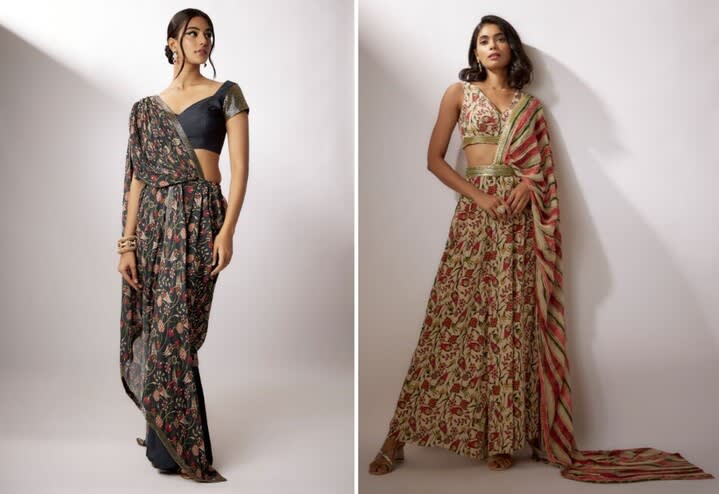
Highlights
- Integration of Techniques: The literature highlights the fusion of traditional Rajasthani textile methods—such as block printing, tie-dye, and intricate embroidery—with contemporary Western silhouettes.
- Cultural Dialogue and Preservation: Scholars agree that fusion fashion serves not only as a creative aesthetic but also as a platform for cultural dialogue, preserving indigenous craftsmanship while adapting to modern trends.
- Sustainability and Ethical Considerations: There is a strong emphasis on sustainability and ethical collaborations, ensuring that traditional artisans benefit and cultural narratives are respected throughout the design process.
Introduction
Fusion fashion is an evolving trend that seeks to blend the richness of traditional textile practices with the innovation of modern design aesthetics. In this review of literature, we explore the multidimensional application of Rajasthani traditional textiles in Western outfits, tracing the historical significance of these textiles and elucidating how they have been reinterpreted in contemporary fashion. Grounded in academic research, industry reports, and case studies, this review synthesizes themes related to cultural preservation, sustainability, ethical design, and market innovation.
Rajasthani textiles have long been recognized for their deep cultural roots and artisanal techniques, developed and refined over centuries. Processes like hand block printing, Bandhani (tie-dye), Leheriya (wave patterns), and diverse forms of embroidery have contributed to the distinct visual identity of the region. When incorporated into Western outfits, these textiles initiate a dialogue between tradition and modernity, infusing Western wear with vibrant color palettes, unique patterns, and storytelling elements that draw from India's rich heritage.
Historical and Cultural Context
Foundations of Rajasthani Textile Art
Rajasthani textiles are emblematic of the region’s socio-cultural canvas, where every pattern and color has economic, ritualistic, and symbolic meaning. Historically celebrated for its hand block printing techniques, cities such as Sanganer and Bagru became centers of artisanal excellence. Techniques like block printing utilize carved wooden blocks to transfer intricate floral and geometric designs onto fabric, often employing vegetable-based dyes that are eco-friendly and traditional in nature.
Bandhani (Tie-Dye): Dating back several millennia, Bandhani involves creating patterns through strategically placed knots before dyeing. This technique, notable for its precision and vibrant hues, is often reserved for festive garb and ceremonial attire. Additionally, styles such as Leheriya, known for its wave-like pattern, add movement and rhythm to the fabric, making it an inspiring element for designers.
The cultural significance of these techniques is profound. They serve not just as ornamental features, but also as narratives that speak of the community’s history and social customs. By bridging these traditional methods with Western fashion design, modern fusion practices are able to preserve this legacy while reimagining its relevance in a global context.
Fusion Fashion as a Cultural Dialogue
Fusion fashion is often seen as a symbolic bridge between the past and present. In this domain, the interplay of cultures becomes visible through clothing that merges heritage with contemporary aesthetics. This dialogue is crucial as it not only honors the artistic efforts and traditions of the Rajasthani craftsmen but also transports these age-old techniques into a modern marketplace. The resulting garments resonate with a global audience that appreciates both world cultures and contemporary design sensibilities.
Designers working within fusion fashion often engage in a calculated process of deconstruction and reconstruction. They dissect traditional aesthetics to realign them with minimalist Western silhouettes such as jackets, skirts, and trousers. The process involves thoughtful scaling of traditional prints, hemming techniques, and even hybrid garment construction that respects and highlights the cultural motifs. This dynamic integration is continuously evolving as designers and collectors around the world become more involved in ethical fashion practices.
Techniques and Textile Elements in Fusion Fashion
Traditional Techniques Adapted for Western Wear
Key to the success of fusion fashion is the adaptation of traditional Rajasthani techniques to fit contemporary norms. Among these, several practices stand out:
Block Printing
Block printing remains a cornerstone of Rajasthani textile art. In fusion fashion, designers utilize this method to embellish Western-style garments such as denim jackets, skirts, and even accessories. The scaling down of patterns, careful placement, and even experimentation with contrasting color schemes allow designers to integrate block prints without overwhelming modern minimalist designs.
Bandhani and Leheriya
Techniques like Bandhani (tie-dye) and Leheriya (wave patterns) deliver an organic yet structured appeal to fabrics. Historically used in traditional garments for their vibrant energy, these techniques are now being employed on modern cuts such as dresses, tops, and even unconventional pieces like tailored blazers. Their use redefines classic Western silhouettes by introducing an element of surprise and vivid storytelling.
Embroidery and Mirror Work
Intricate embroidery, often combined with mirror work and gota patti embellishments, offers a refined overlay in fusion outfits. Garments such as Western-style blouses and jackets are reimagined with decorative motifs that traditionally adorned saris and ethnic dresses. This cross-cultural embroidery not only enhances the visual appeal but also promotes the meticulous craftsmanship inherent in Rajasthani textiles.
Table of Rajasthani Textile Techniques and Their Fusion Fashion Applications
| Technique | Traditional Use | Modern Fusion Application |
|---|---|---|
| Block Printing | Floral and geometric patterns on saris and turbans | Embellishments on denim jackets, shirts, and dresses |
| Bandhani (Tie-Dye) | Decorative fabrics for festive and ceremonial wear | Unique prints on flowing skirts, blazers, and summer dresses |
| Leheriya | Wave-like designs in traditional attire | Application on skirts, dresses, and contemporary tops |
| Embroidery & Mirror Work | Adornments on traditional garments like lehengas | Accent details on western blouses, jackets, and accessory items |
This table encapsulates how each traditional technique is reinterpreted to suit modern design sensibilities. The thoughtful integration of these elements not only preserves the cultural essence but also provides a refreshing aesthetic in the realm of Western fashion.
Cultural Appropriation vs. Cultural Appreciation
Ethical Incorporation of Traditional Art
One of the major debates within fusion fashion revolves around issues of cultural appropriation versus cultural appreciation. It is essential to distinguish between superficial use and respectful integration of traditional designs. Ethical fusion fashion involves collaborating with local artisans and ensuring that the cultural significance of Rajasthani textiles is honored. Designers are encouraged to work directly with craftspeople to maintain authenticity and to ensure that the benefits—both economic and cultural—accrue to the communities of origin.
This ethically driven approach promotes a model of cultural exchange wherein local artisans are recognized for their skills and are active participants in the global fashion narrative. Furthermore, it guards against misinterpretations or misrepresentations of traditional artistry, ensuring that the fusion is both innovative and responsible.
Case Studies of Ethical Fusion Integration
Several case studies have emerged in recent years highlighting the successful integration of Rajasthani textiles into Western fashion responsibly. Designers have been observed incorporating traditional block prints in items such as modern blazers, skirts, and casual wear while citing the cultural origins of these techniques in their collections. For instance, certain designer collaborations have involved workshops where artisans demonstrate their techniques, leading to design processes that are collaborative and mutually beneficial.
Design Innovation and Contemporary Trends
Innovative Approaches and Modern Adaptations
Modern designers are continuously exploring innovative approaches to adapt traditional elements into Western wear. The fusion trend is not a mere replication of patterns but an evolution that involves experimentation with:
- Scale and proportion of traditional prints on modern silhouettes.
- Creative placement and digital reinterpretation of ethnic motifs.
- Mixing textile mediums—combining the hand-crafted with the technologically advanced.
For example, digital fabric printing offers designers the opportunity to recreate traditional motifs with exacting precision and versatility. This technological advancement merges with age-old techniques to produce hybrid patterns that are both contemporary in their production and timeless in their reference to heritage.
Market Trends and Consumer Responses
The consumer market has shown a growing appetite for fusion fashion. The appeal lies in the distinctiveness of culturally enriched patterns presented in a modern outline, offering both a fashion statement and a narrative of tradition. Surveys and market studies indicate that diverse consumer groups, ranging from young urban professionals to fashion connoisseurs, are increasingly gravitating towards fusion wear that carries stories of tradition and authenticity.
The broader economic impact is also noteworthy. Fusion fashion emerges as a promising avenue for reviving dying craft techniques and revitalizing local economies. As designers succeed in merging modern production with traditional methods, they create new market niches. This trend has significant implications on sustainable fashion practices by ensuring that the environmental footprint is minimized through the use of handloom and eco-friendly dyeing techniques.
Sustainability and Economic Implications
Sustainable Practices in Fusion Fashion
Sustainability is one of the primary driving forces behind modern fashion innovations. Fusion fashion, particularly when it involves hand-crafted Rajasthani textiles, aligns with the ethos of sustainability by emphasizing eco-friendly production processes and preserving artisan skills. The revival of traditional methods not only honors cultural heritage but also promotes sustainable economic models. Handloom practices and natural dye techniques reduce the environmental impact of mass-production while empowering local communities.
Many studies have shown that integrating traditional textiles into modern fashion can stimulate rural economies by providing fair wages to local artisans and ensuring economic continuity. With global supply chains evolving, the adoption of such sustainable practices is vital in addressing the environmental and social costs associated with fast fashion.
Economic Benefits and Global Market Penetration
The fusion of Rajasthani textiles with Western garments opens up a dynamic global market. As niche collections gain popularity across continents, designers see opportunities not only for creative expression but also for economic growth. Global consumers increasingly value authenticity and craftsmanship; therefore, garments that tell a story of traditional heritage fused with modern style command premium pricing and niche market appeal.
The ethical production methods in fusion fashion ensure that the traditional artisans receive recognition and compensation. This aspect is essential in sustaining local craftsmanship, and it may also lead to the creation of cooperative models which partner artisans with design houses. Ultimately, fusion fashion, grounded in responsible practices, illustrates a model of economic sustainability that benefits producers and consumers alike.
Future Directions and Research Opportunities
Innovative Collaborations and Technological Integration
As digital technology continues to revolutionize the fashion industry, future research may focus on the integration of traditional textile patterns with advanced digital fabrication methods. Experimentation with digital printing, augmented reality-driven design workshops, and collaborative platforms where traditional artisans interact with modern designers will further enhance fusion fashion.
There is significant potential for innovative collaborations that include academic research institutions, design studios, and artisan cooperatives. These collaborations are instrumental in developing educational modules that both celebrate traditional techniques and foster new design ideologies. Future research should explore the role of interactive platforms and multimedia in narrating the rich stories embedded in Rajasthani textiles.
Consumer Dynamics and Evolving Aesthetics
The evolving dynamics of consumer preferences are an important area for further inquiry. Understanding how modern consumers relate to the fusion of Eastern and Western aesthetics can offer deeper insights into market trends, pricing strategies, and global consumer behavior. Studies in consumer psychology and market analytics are necessary to gauge the long-term viability of fusion fashion in an increasingly globalized economy.
Additionally, further exploration is needed into how cultural narratives are maintained in the transition from traditional to modern forms. Research could benefit from comparative studies across different parts of India and other cultures that have similarly rich textile histories. By doing so, designers and scholars can draw parallels and innovate while maintaining authenticity.
Conclusion
In conclusion, fusion fashion that integrates Rajasthani traditional textiles into Western outfits serves as an eloquent canvas for cultural dialogue and aesthetic innovation. The literature reviewed emphasizes not only the creative allure of blending intricate traditional techniques with modern silhouettes but also underscores the significance of ethical, sustainable, and economically beneficial practices.
The application of techniques such as block printing, Bandhani, and sophisticated embroidery into Western apparel exemplifies a harmonious confluence of heritage and modernity. With careful attention to ethical collaborations—where traditional artisans are respected and involved—this form of fashion becomes a vehicle for both artistic expression and cultural preservation. As the field continuously evolves through digital integration and innovative design solutions, fusion fashion stands poised to redefine global style paradigms while empowering local communities.
Overall, the synthesis of these approaches provides a promising roadmap for future exploration in the realms of fashion studies, cultural preservation, and sustainable industrial practices. The integration of Rajasthani textiles into Western outfits not only amplifies the narrative of cross-cultural harmony but also opens the door to novel explorations of creative design and global market relevance.
References
- Fusion Fashion: Blending Traditional Textiles with Contemporary Styles - Medium
- Traditional Dress of Rajasthan: An In-Depth Look - MetroMela
- Fusion Fashion Private Limited
- Indo Western Fusion Wear: 10 Trendy Pieces to Transform Your Style - Label DC
- Block Printed Western Dresses - Tripadvisor
- Traditional Attire in Rajasthan - IIAD
-
8 Textiles from Rajasthan That You Should Know About - Outlook India
- Fusion Fundas: A Note on Indo-Western Fusion Fashion - Fibre2Fashion
Recommended
Last updated February 20, 2025