
Laos Traditional Textile Art
A deep exploration of Laos' rich weaving heritage
Key Highlights
- Ancient Heritage and Cultural Identity: Woven textiles in Laos date back over 1,200 years, capturing the spirit, myths, and traditions of many ethnic groups.
- Diverse Techniques and Materials: Through intricate methods like Ikat, supplemental weft, and tapestry weaving, artisans utilize natural fibers and dyes to create enduring art forms.
- Modern Challenges and Revival Efforts: While facing competition from mass-produced fabrics and waning traditional interest among younger generations, dedicated revival initiatives and educational programs help preserve these practices.
The Historical Tapestry of Lao Weaving
Origins and Evolution
The origins of traditional textile art in Laos can be traced back more than 1,200 years to the migration of Tai-Lao communities from Southern China. These early settlers brought with them the knowledge of silk cultivation and weaving techniques which, over centuries, merged with indigenous practices. As these communities established themselves, weaving evolved into an art form that not only produced functional fabrics but also chronicled the history, myths, and social structures of the Lao people.
Cultural Narratives Embodied in Fabrics
In Laos, textiles are far more than simple cloth—they serve as rich narratives. Designs and motifs capture legendary tales, spiritual beliefs, and significant cultural events. Instead of written records, the woven patterns act as visual stories that have been passed down through generations. This art form is a testament to resilience, identity, and the communal spirit of the Lao people.
Techniques, Materials, and Motifs
Intricate Weaving Techniques
Lao weavers have mastered several sophisticated techniques that define the aesthetic and uniqueness of their textiles. Among the most renowned techniques are:
Ikat (Mat Mii)
In this resist-dyeing process, threads are tied tightly in predetermined patterns before dyeing. Once the dye is applied, the bindings are removed, leaving behind intricate designs. This method is revered for its complexity and the vibrant patterns it produces.
Supplementary Weft Techniques (Chok and Kit)
These techniques involve adding extra threads during the weaving process, which create additional patterns and elaborate designs. "Chok" technique involves interweaving a different colored thread between the main warp threads, while the "Kit" method uses a continuous weft to achieve seamless, patterned fabric.
Tapestry Weave
Often used by groups such as the Tai-Lue, tapestry weaving allows for multiple colors to be integrated into the fabric, forming vivid images and intricate narratives that draw upon natural and mythological motifs.
Natural Materials and Color Palette
Traditional Lao textiles are crafted mainly from natural fibers, which include silk, cotton, hemp, and jute. Silk is particularly prized for its lustrous quality and is typically used for ceremonial garments, while cotton serves everyday clothing needs.
The dying process is rooted in tradition as well, with artisans using natural dyes derived from plants, roots, bark, flowers, and even insects. The results are robust, earthy colors such as indigo blue, red, black, yellow, green, and brown—each imbued with cultural significance.
Motifs and Symbolism
Every textile woven in Laos tells a story through its motifs. Common symbols include images of the mystical Naga (a serpent-like creature), elephants, lions, and various natural elements like clouds and flowers. These symbols not only embellish the fabric but also communicate messages about spiritual forces, community roles, and even individual life milestones such as marriage.
A Table of Traditional Techniques and Their Characteristics
| Technique | Material & Process | Cultural Significance |
|---|---|---|
| Ikat (Mat Mii) | Resist-dyeing of threads before weaving | Represents intricate storytelling and detailed craftsmanship. |
| Supplementary Weft (Chok & Kit) | Integration of extra threads into the warp | Creates elaborate, layered designs that signify social and spiritual narratives. |
| Tapestry Weave | Multiple wefts interlaced simultaneously | Exemplifies multi-dimensional narratives and natural motifs. |
The Socio-Cultural Impact and Modern-Day Revival
Cultural Integration and Social Rituals
In Lao society, weaving is deeply interwoven with social customs and rites of passage. Traditionally, young girls are raised with the expectation to learn the art of weaving as it not only reflects artistic skill but also a readiness for marital and community responsibilities. Textiles are integral to key ceremonies—from weddings to religious rituals—and serve as physical representations of family history and social standing.
Beyond personal adornment and attire, these textiles are used as decorative elements in homes, temples, and public spaces. In many cases, the materials are repurposed as wall hangings, bedcovers, or ceremonial flags, further emphasizing their importance as carriers of cultural memory.
Contemporary Challenges and Preservation Initiatives
Despite its rich cultural tapestry, the traditional textile art of Laos faces numerous challenges today. The influx of mass-produced, cheaper textiles has resulted in significant economic pressure on local artisans. Additionally, as younger generations gravitate toward more modern occupations, fewer are dedicating their lives to mastering these traditional techniques.
In response, several initiatives have emerged aimed at preserving and revitalizing this ancient craft. These include:
- Educational programs and workshops that teach traditional skills to new generations.
- Government and NGO-led projects to market traditional textiles both locally and internationally.
- Collaborations between artisans and modern designers to create contemporary clothing and household items that feature traditional motifs.
Such efforts not only ensure the survival of these techniques but also foster economic empowerment among local communities. Consumers play an essential role by supporting the sale of authentic, handmade textiles, thereby preserving a livelihood that has been a cornerstone of Lao cultural identity for centuries.
Integration in Modern Markets
Contemporary silk weaving and textile art have found new expressions in boutique markets and museums. As the world begins to appreciate the intricate designs and historical contexts of these fabrics, modern adaptations are popping up in fashion, interior design, and art installations. This fusion of traditional craftsmanship with modern aesthetics provides valuable opportunities for cultural exchange and economic growth.
Practical Aspects and Where to Experience Lao Textiles
Acquisition and Appreciation
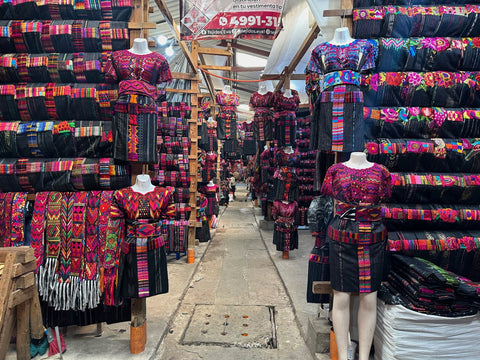
Traditional textiles can be found at local markets, specialty boutiques, and artisan cooperatives throughout Laos. A prime example is the vibrant markets of Vientiane, where a wide assortment of handwoven silk and cotton goods, as well as traditional garments like the sinh, are available. Besides individual purchases, some initiatives also offer guided tours and workshops, providing visitors with immersive experiences that illustrate the painstaking process behind each textile.
For enthusiasts and collectors alike, investing in a Lao textile piece is not just about owning a beautiful fabric; it is about preserving an ancient narrative, supporting local artisans, and embracing a unique cultural identity that continues to thrive in the modern era.
Experiential Learning Opportunities
Many cultural centers and rural cooperatives offer demonstrations and hands-on experiences for those interested in the art of weaving. These programs provide insight into various techniques, from setting up a loom to mastering the art of natural dyeing. Attendees often gain a deeper understanding of the meticulous care and tradition that go into each textile, making it an enriching experience for both locals and tourists.
Recent Developments in Lao Textile Art
Innovative Collaborations and Global Outreach
In recent years, Lao textile art has witnessed innovative collaborations that blend old world charm with modern contemporary design. Artisans and designers are working together to reinterpret traditional motifs for the modern market—transforming ceremonial fabrics into chic garments and accessories that grace international runways. Such collaborative efforts not only raise awareness about traditional Lao culture but also open up new economic avenues for local communities by positioning their work on global platforms.
Technological Integration
Additionally, the establishment of digital archives and online marketplaces is helping to document and disseminate traditional designs to a worldwide audience. By preserving patterns and techniques in digital databases, future generations can study, learn, and continue these cherished practices. This convergence of technology and tradition ensures that while Laos embraces modern challenges, it also retains a firm grasp on its intricate heritage.
Comparative Overview: Traditional Versus Contemporary Production
A Comparative Table
| Aspect | Traditional Production | Contemporary Adaptations |
|---|---|---|
| Techniques | Handloom weaving, Ikat, Chok, Tapestry Weaving | Fusion of handloom techniques with modern textile machinery |
| Materials | Natural fibers (silk, cotton, hemp, jute) and natural dyes | Natural fibers often combined with modern blends |
| Cultural Symbolism | Deep-rooted in ethnic identity and traditional storytelling | Modern reinterpretation of historical motifs for contemporary design |
| Economic Role | Sustains local artisan communities through manual craft | Expands reach through digital platforms and global markets |
References
For further exploration on the rich heritage of Lao textile art, please refer to the following sources:
- Traditional Clothing and Textiles: A Tapestry of Color and Laotian Culture - Global Visa Corp
- Textiles of Laos - Moowon
- Laos Handicraft Association: Textiles - Lao Handicraft
- Traditional Lao Textiles - Travel2Laos
- Ock Pop Tok - Traditional Art and Weaving
Recommended Related Queries
Last updated February 28, 2025