
Research Paper Sample: Printing of Labels & Cartons for Fraud and Allergen Risk Control
A Comprehensive Exploration of Advanced Packaging Solutions and Safety Protocols
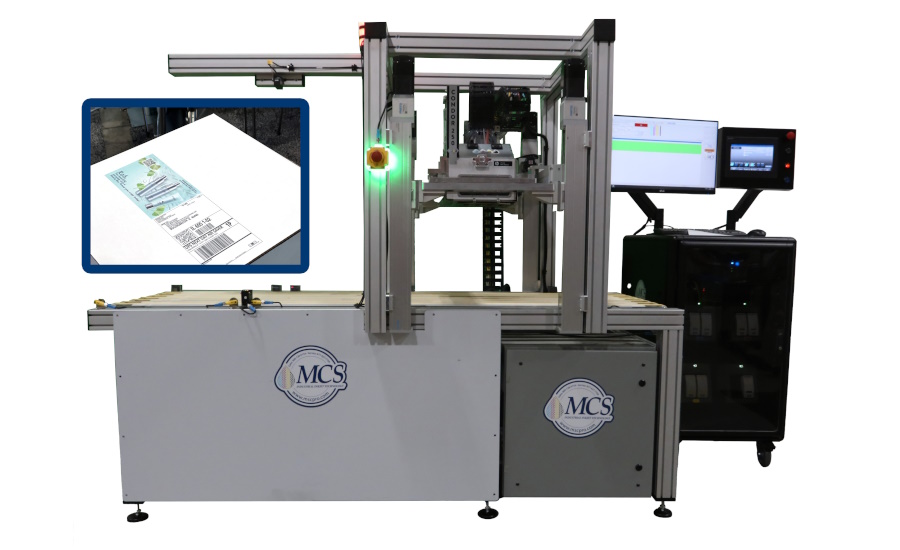
Highlights
- Integration of Security Features: Employing advanced anti-counterfeit and tamper-evident techniques to safeguard product authenticity.
- Allergen Risk Management: Clear and precise allergen labeling and packaging processes to mitigate health hazards.
- Regulatory and Risk Assessment: Enforcing compliance through rigorous vulnerability assessments and risk control strategies.
Abstract
This research paper sample explores the advanced methodologies in printing labels and cartons to control food fraud and manage allergen risks. The focus is on the integration of multiple security features including holographic elements, serialized QR codes, tamper-evident packaging, and variable data printing to ensure an effective and comprehensive risk control system. The paper delves into the applications of these technologies to not only prevent fraud but also guarantee accurate allergen labeling, thereby safeguarding consumer health and promoting regulatory compliance. The study addresses key challenges, evaluates existing processes, and provides recommendations for enhancing label and packaging strategies in the food and pharmaceutical industries.
Introduction
The rapid increase in food fraud and allergen-related incidents has necessitated the development of sophisticated packaging solutions. In modern supply chains, the integrity of packaging and labeling is critical for authenticating product origin, preventing counterfeiting, and providing consumers with accurate nutritional and allergen information. As global regulatory requirements tighten, manufacturers are compelled to adopt cutting-edge printing technologies aimed at integrating multiple layers of security into labels and cartons.
Research Scope and Objectives
This paper aims to provide a detailed analysis of current printing technologies used for labels and cartons, focusing on two primary objectives:
- To evaluate the effectiveness of advanced labeling technologies—including anti-counterfeit measures and tamper-evident features—in preventing fraud.
- To analyze how precise and clear allergen information on labels minimizes the risk of allergic reactions and enhances consumer safety.
Background
Fraud Control in Packaging
Counterfeit products not only erode brand credibility but also present considerable risks to consumer safety. Fraud control in packaging primarily addresses the following aspects:
Key Techniques and Technologies
Modern anti-counterfeit measures include:
- Holographic Seals: Difficult to replicate, these seals provide an immediate visual cue to verify authenticity.
- Serialized QR Codes: Unique identifiers for each product sample allow for scan-based verification and traceability.
- Tamper-Evident Packaging: Indicators that visibly reveal any unauthorized interference with the product.
- Variable Data Printing: Technology that permits the incorporation of unique identifiers, enhancing traceability.
Allergen Risk Control
Ensuring that all potential allergens are accurately declared on product labels is crucial. Mislabeling can lead to severe health outcomes, especially for sensitive individuals. Key elements of allergen risk management in packaging include:
Label Accuracy and Material Safety
- Clear Allergen Information: Labels must unambiguously list ingredients that may trigger allergic reactions.
- Risk Assessment: Thorough evaluations should be performed across the supply chain to ensure that contaminations are minimized.
- Allergen-Friendly Packaging Materials: Using dedicated materials reduces the risk of cross-contamination during production.
Methodology
Label Printing Technologies
The research evaluates various label printing techniques and their roles in fraud prevention and allergen management:
Advanced Techniques
- Anti-Counterfeit Labels: Incorporates overt, semi-overt, covert, and forensic features. These labels deter counterfeiting by integrating security elements that are both visible and hidden.
- Digital and Inkjet Printing: Digital printing technologies allow for high-resolution images and dynamic data printing. This enables unique codes on each product, enhancing traceability.
- Edible Barcodes: In some cases, food-grade, microscopic barcodes are embedded directly into the packaging, a cutting-edge method for ensuring product integrity.
Carton Printing Technologies
The carton serves as the first line of defense against tampering and fraud. Technologies involved in carton printing include:
Security Enhancements
- Tamper-Evident Seals: Special inks and adhesives that indicate removal or pressure alterations serve as markers for product safety breaches.
- Hidden Markers and UV Inks: Using ultraviolet-sensitive inks, manufacturers can integrate markers detectable only with special equipment, providing a covert layer of security.
- Variable Data and Serialized Printing: Each carton is assigned a unique identifier, making replication extremely difficult and ensuring effective traceability.
Results and Discussion
Integrative Security and Compliance
The implementation of multi-layered printing techniques has resulted in a notable reduction of fraud incidents and allergen mislabeling. A combination of visible security features (such as holographic seals) and hidden markers (UV-sensitive inks) enhances trust and safety in the marketplace.
Table: Comparison of Key Packaging Technologies
| Technology | Primary Function | Application | Key Advantages |
|---|---|---|---|
| Holographic Seals | Fraud Prevention | Labels & Cartons | High difficulty in replication; visible authentication. |
| Serialized QR Codes | Traceability and Authenticity | Product and Carton Identification | Unique tracking; enhances recall efficiency. |
| Tamper-Evident Packaging | Integrity Assurance | Carton Seals | Immediate visual indication of tampering. |
| Variable Data Printing | Custom Information | Both Labels and Cartons | Dynamic data application; supports regulatory compliance. |
| UV-Sensitive Inks | Covert Security | Labels & Cartons | Hidden markers that require special detection tools. |
Impact on Allergen Risk Control
Accurate allergen labeling is fundamental in safeguarding consumer health. The research demonstrates that improved label clarity and comprehensive allergen information reduce incidents related to cross-contamination. Furthermore, allergen-friendly packaging materials coupled with robust printing processes ensure that even minor ingredients are clearly identified. This mitigates the risk of mislabeling and addresses consumer safety concerns.
Regulatory Implications and Compliance
Regulatory frameworks governing food safety require that manufacturers adhere to strict labeling standards. The methodologies discussed in this paper support compliance with regulations such as the European Provision of Food Information to Consumers Regulation and SQF standards. By utilizing advanced printing techniques, companies are better equipped to demonstrate compliance through precise risk assessments and documented traceability. This not only safeguards public health but also fortifies brand reputation.
Case Studies and Industry Applications
Real-World Examples
Various companies across the food and pharmaceutical industries have successfully implemented these innovative packaging solutions. For instance, brands such as NOW Foods and Host Defense have incorporated multi-layered labeling strategies that include tamper-evident seals and serialized identifiers. These methods have not only minimized fraudulent activities but have also enhanced allergen risk management, thereby providing a dual layer of consumer safety and product authenticity verification.
Industry Impact
The impact of advanced labeling and carton printing methods is multifaceted. Companies benefit from reduced risks of counterfeit products and allergen misidentification, while consumers enjoy the reassurance provided by clearly marked, trustworthy packaging. Additionally, these practices facilitate quicker recalls and more efficient traceability in the event of safety concerns, underscoring the essential role of integrated risk management in modern product packaging.
Future Directions and Recommendations
Technological Advancements
Ongoing research and innovation in packaging technology promise further improvements in risk control mechanisms. Emerging methods such as blockchain integration, which pairs with serialized printing for enhanced data integrity, and smart packaging that utilizes embedded sensors, are expected to revolutionize the landscape. By continuously adopting these innovations, manufacturers can stay ahead of fraud and allergen risks.
Policy and Regulatory Enhancements
Government agencies and industry regulators must work collaboratively to update policies and guidelines that reflect the latest technological advancements. Clear, enforceable standards for labeling and carton printing will help streamline compliance and provide a robust framework for consumer protection. It is recommended that manufacturers also invest in regular training and risk assessment sessions to maintain high standards of safety and quality.
References
- Packaging Fraud on the Rise, Considered a Form of Food Fraud - Global Food Safety Resource
- Recalls Due to Undeclared Allergens Can Be Prevented - Quality Assurance Magazine
- Vulnerability Assessment for Packing Materials - IFSQN Forum
- SQF Allergen Management: Strategies for Compliance Success - QIMA Blog
- Consumer Knowledge about Food Labeling and Fraud - MDPI
Recommended Queries
Last updated March 17, 2025