
Labyrinth Architectural Title Exploration
Discovering Creative Titles that Capture Spatial Complexity and Symbolism
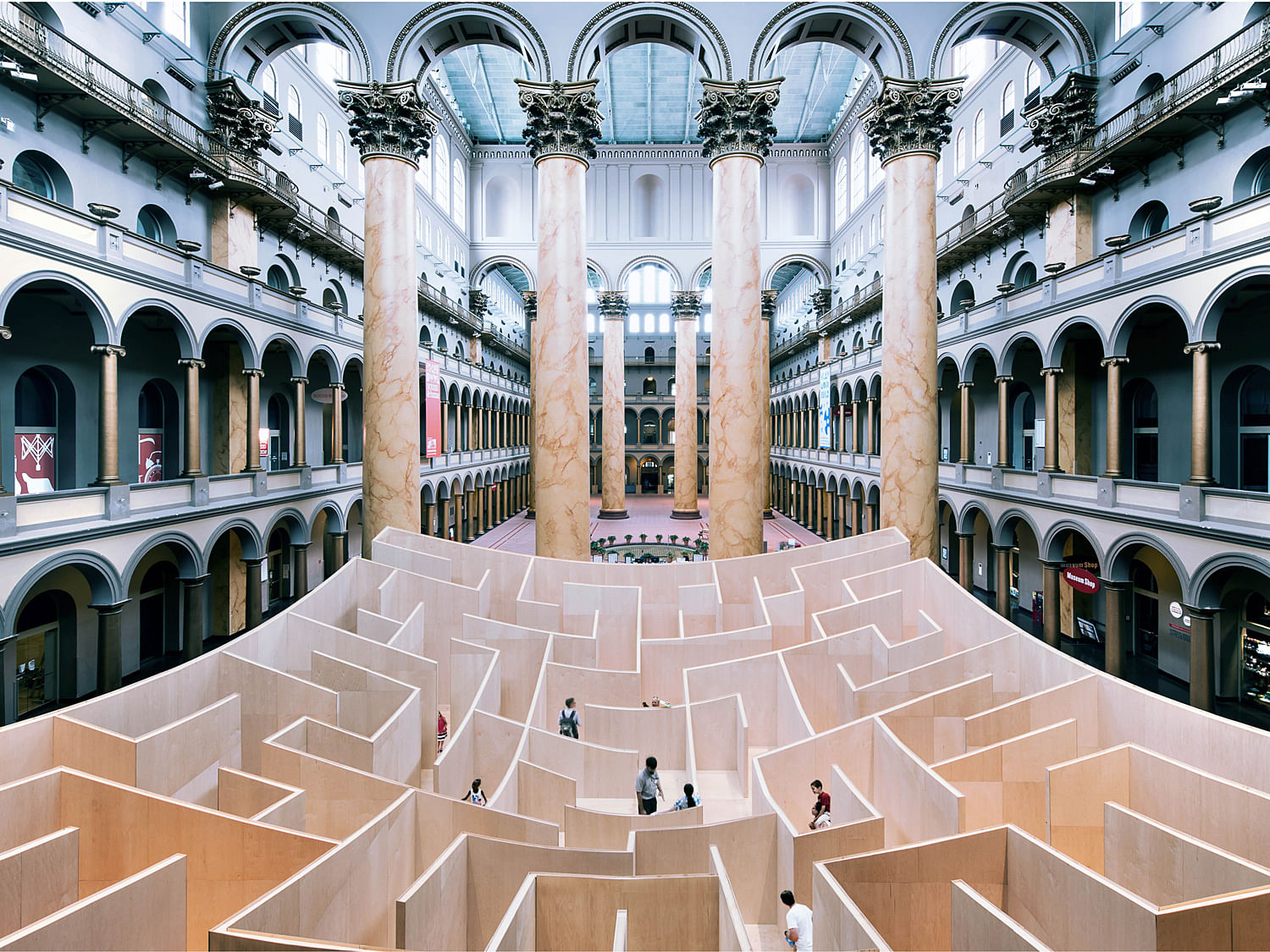
Highlights
- Symbolism and Complexity: Labyrinths encapsulate rich meanings, representing the journey of enlightenment, mystery, and spatial intricacy.
- Historical to Contemporary: Architectural labyrinths bridge ancient myth and modern design, inspiring creative titles that evoke both heritage and innovation.
- Practical and Metaphorical Layers: Effective titles balance aesthetic appeal with insights into spatial organization, transforming a physical structure into a metaphor for life’s journey.
Understanding the Labyrinth in Architecture
The architectural labyrinth is a compelling synthesis of complexity, symbolism, and functional design. Its core purpose is not solely to challenge its user through physical pathways but also to serve as a metaphor for life’s journey. In many cultures, labyrinths have historically signified paths to enlightenment, meditative voyages, and even secret spaces for transformative experiences. When applied to architecture, labyrinths transcend their ancient origins by integrating modern materials like glass, steel, and light to evoke the same sense of mystery and introspection.
Historical Roots
The concept of the labyrinth has been present since ancient times. Myths such as the Labyrinth of Daedalus—designed to contain the Minotaur—exemplify the labyrinth's use as both a spatial puzzle and a symbolic container of complexity. Ancient structures, including the Palace of Knossos and the expansive Egyptian Labyrinth at Hawara, have long embodied this design principle with intricate corridors and multiple chambers. These edifices were not built solely for their utilitarian function but as experiential journeys, challenging visitors to traverse spaces that were meditative and slightly mysterious.
Contemporary Evolution
In modern architectural practice, labyrinths have evolved beyond the simplistic idea of a single winding path. Contemporary labyrinthine designs celebrate materiality and optical interplay—using reflective surfaces, dynamic lighting, and modern construction techniques to create immersive experiences. Designers now incorporate labyrinths into public installations, museums, and even urban planning contexts, where their utility as both artistic statements and functional spaces is celebrated. The blend of old symbolism with modern design has sparked a resurgence in interest, making labyrinths a rich source of inspiration for both symbolic expression and innovative spatial design.
Crafting an Architectural Title Inspired by Labyrinth Concepts
When creating an architectural title that resonates with the labyrinth theme, it is important to capture both the physical journey and the deeper metaphorical layers these designs evoke. An effective title should allude to the intricate, often mysterious pathways that define labyrinths while also underscoring their role as metaphors for exploration and discovery.
Key Considerations for an Impactful Title
An impactful architectural title inspired by labyrinth design requires a thoughtful balance between concrete structural elements and abstract symbols of introspection. Below are some essential factors to consider:
Symbolism and Narrative
Begin by reflecting on the symbolic essence of labyrinths. Historically, labyrinths represented a journey toward enlightenment or deeper self-awareness. When crafting a title, it is crucial to evoke this narrative by integrating terms that reflect mystery, transformation, or discovery. Words such as "enigma", "odyssey", "quest", or "journey" immediately invoke these layered meanings.
Material and Spatial Complexity
Modern labyrinth designs also emphasize the balance between aesthetics and complexity. Titles that include words like "labyrinthine", "complex", "interwoven", or "architectural discourse" directly highlight the intricate design strategies at play. This not only indicates a high level of design intelligence but also suggests that the architecture itself becomes a narrative—a story told through space, material, and form.
Historical Context and Modern Adaptation
Another key consideration lies in merging historical significance with contemporary design. A title that juxtaposes classic references with modern sensibilities invites the audience to appreciate the timeless allure of labyrinths. Incorporating adjectives that bridge across eras can make the design feel both rooted in tradition and dynamically modern.
Title Examples and Analysis
Here are a few example titles designed to encapsulate the multifaceted nature of labyrinths in architecture:
| Proposed Title | Key Elements | Underlying Narrative |
|---|---|---|
| "The Labyrinthine Enigma: A Study in Spatial Complexity and Symbolism" | Labyrinthine, Enigma, Spatial Complexity | This title conveys mystery and complexity, inviting the audience into a study of the intricate journeys embodied in modern design. |
| "Navigating the Invisible: Labyrinths as Architectural Metaphors" | Navigating, Invisible, Metaphors | This title highlights both the physical act of navigating a labyrinth and the metaphorical journey of understanding space and life itself. |
| "Echoes of the Labyrinth: Converging Myth, Form, and Contemporary Space" | Echoes, Myth, Form | This title draws attention to the historical roots of labyrinthine design while merging it with the present-day expressions in modern architecture. |
| "Architectural Odyssey: Immersive Labyrinths in the Modern World" | Odyssey, Immersive, Modern | This option uses "Odyssey" to link the timeless journey motif with contemporary immersive experiences, suggesting a narrative that traverses eras. |
Each of these titles was carefully constructed to evoke imagery and thought. They incorporate the essential dual roles of labyrinths: a physical structure manifesting intricate spatial dynamics and a symbolic narrative depicting a journey through life or philosophy.
Marrying Aesthetic Appeal with Functional Design
Beyond the literal naming of architectural projects, the process of encapsulating a design’s essence into a title involves conveying the design philosophy behind the usage of labyrinths. This journey of naming can itself be considered an artistic and intellectual endeavor. The best titles are those that not only capture the eye and stimulate curiosity but also resonate with the inherent narrative of the labyrinth—its promise of a journey both spatial and transformative.
The Role of Narrative in Architectural Identity
Architectural narratives are constructed not only from blueprints but also from the stories and concepts they represent. For labyrinths, the narrative is twofold:
- On one level, it is a depiction of the physical passage through carefully arranged spaces. Here, the focus is on how the design manipulates light, form, and space to create a journey.
- On a deeper level, the labyrinth functions as a metaphor for life’s complexity—where every turn, twist, and discovery reflects the multifaceted human experience. This interpretation invites the architect to choose words that resonate on an emotional and intellectual level.
Integrating Diverse Influences
Throughout history, architectural labyrinths have been utilized in sacred spaces—such as in the Chartres Cathedral in France—and in palatial settings like the Harem of Topkapı Palace in Istanbul. In modern times, designers have also incorporated labyrinth concepts in art installations, urban public spaces, and even private residences to create environments that are thought-provoking and experiential.
When crafting a title, one might consider reflecting these diverse influences. A title that honors an ancient tradition while looking forward to future innovation presents an architectural narrative that is inclusive and dynamic. For instance, titles that juxtapose words like “ancient,” “myth,” or “eternal” with “modern,” “innovation,” or “immersive” speak directly to the evolution of architectural thought.
Choosing the Right Lexicon
The lexicon of the title is of paramount importance. Using evocative adjectives and compelling verbs breathes life into the title. Consider words such as "enigma," "odyssey," "echoes," and "navigate"—each suggesting an active engagement with the space much like the act of walking through a labyrinth.
Furthermore, the use of punctuation and stylistic choices (e.g., colon-separated titles) can provide a two-part title that immediately sets up a premise followed by an explanatory subtitle. This division allows one part of the title to capture a symbolic or visual essence (e.g., "Echoes of the Labyrinth") while the second part offers insight into the design philosophy (e.g., "Converging Myth, Form, and Contemporary Space").
Deep Dive: Labyrinth as an Architectural Metaphor
The labyrinth, in its classic and modern incarnations, has remained a potent symbol not only for its complexity but also for its ability to facilitate introspection and transformation. It functions as a dynamic motif that challenges perception while offering a route to both literal and metaphorical centers.
Symbolism of the Journey
A labyrinth represents a journey – one that may begin at the edge and culminate at a central, often sacred, point. This journey is not without obstacles or moments of reflection. The careful viewer is invited to pause, consider the meaning of each turn, and embrace the unknown. Such a design is particularly resonant in architectural projects that aim to promote mindfulness and experiential learning.
The symbolic resonance of the labyrinth is fortified by its history in ritual, meditation, and myth. This metaphorical dimension provides architects a canvas to celebrate the complexity of human experience and the pursuit of knowledge, heroism, or even spiritual awakening.
Interdisciplinary Inspiration in Design
The interdisciplinary nature of labyrinthine design encourages collaboration among architects, artists, historians, and even philosophers. This cross-pollination of ideas enriches the final design and elevates the nomenclature associated with the project. When architects consider the labyrinth as both a design methodology and a symbol, the resulting title naturally becomes a reflection of that multi-layered dialogue.
The design process may involve exploring various materials and techniques, including the interplay of reflective surfaces to distort and enhance spatial perception or the intricate detailing that underscores the historic roots of labyrinths. Each of these elements contributes to a larger narrative—a narrative that must be distilled into a succinct yet evocative title.
Modernity Meets Tradition
In today's world, where innovation meets revered tradition, architectural titles inspired by labyrinths must celebrate this fusion. For example, an architect might choose to describe a recent project as a “modern reimagining of the timeless labyrinth,” highlighting the continuity between ancient design wisdom and current trends in immersion, technology, and material experimentation.
In doing so, the title becomes an invitation to explore a space that is both reflective of our past experiences and dynamic enough to accommodate future narratives. Each letter, word, and punctuation mark contributes to the formation of a broad canvas that invites interpretation, much like the winding corridors and hidden alcoves of a labyrinth.
Synthesizing the Elements into a Final Title
After careful consideration of the symbolic, historical, and modern attributes of labyrinthine architecture, one can develop a title that not only informs but inspires. The best titles are those that spark curiosity, hint at underlying narratives, and reflect the dual nature of labyrinths as both physical structures and metaphors for personal and collective journeys.
A Proposed Title Concept
One proposed title that embodies the multifaceted nature of labyrinth design is: "Architectural Odyssey: Echoes of the Labyrinth in Modern Space."
Dissecting the Title:
- "Architectural Odyssey": Conveys a journey through design, evoking the epic nature of classical epics while underlying a modern reinterpretation of spatial design.
- "Echoes of the Labyrinth": Draws upon the historical symbolism and the enduring allure of labyrinthine forms, suggesting that every curve and corridor carries the weight of myth and memory.
- "In Modern Space": Indicates that the project remains firmly rooted in contemporary practice by integrating present-day materials, techniques, and design philosophies, yet honors the timeless journey inherent in labyrinth structures.
This title effectively bridges the gap between the mythic and the tangible, the past and the future. It creates an immediate connection with audiences familiar with historical labyrinths while also enticing those interested in innovative, modern design.
Further Reflections on Labyrinth Titles
While several potential titles hold promise, refining a title ideally involves feedback and iterative thought processes that cater to the particular context of a design project. It is essential that the title be both aspirational and descriptive enough to serve as a succinct summation of the architectural narrative. Whether the project is public, private, ceremonial, or experiential, the title sets the tone for the viewer’s experience and offers a glimpse into the designer’s vision.
The Balance Between Artistry and Functionality
In the context of architectural nomenclature, there often exists a delicate balance between artistry and functionality. A title that leans too heavily into abstract symbolism might confuse or alienate certain audiences, while one that is overly functional may fail to capture the poetic dimensions of the design. The optimal title is one that seamlessly integrates both aspects.
For instance, a title that emphasizes design methodology alongside metaphorical journey invites deeper engagement. It encourages the audience to not only experience the physical space but also to contemplate the intellectual and emotional journey behind the design.
Interpreting Audience Perception
Audience perception is crucial when selecting an architectural title. In architectures rooted in labyrinth concepts, the title should be evocative enough to provoke thought while remaining accessible to a broad range of viewers—from design aficionados to casual observers. A well-crafted title serves as both an intellectual prompt and an artistic invitation, compelling viewers to explore the layered meaning behind the physical design and the narrative it tells.
By carefully considering the interplay of these elements, the title becomes a microcosm of the entire project: a distilled representation of the broader thematic and aesthetic ambitions of the work.
Conclusion and Final Thoughts
Labyrinthine architecture is a profound dialogue between structure and symbolism. The design itself draws on a rich tapestry of historical myth, spatial complexity, and modern innovation, crafting a narrative that invites viewers to embark on a journey of discovery—both physical and metaphorical. The process of creating a title for such a project is equally intricate, requiring a careful balance of evocative language, historical context, and modern sensibilities.
A compelling architectural title inspired by labyrinths should encapsulate the mystery, complexity, and the transformative journey that the design represents. Whether one chooses to foreground the narrative of exploration with terms like “odyssey” or to highlight the echoes of the past with words like “enigma” and “echoes,” the resulting title becomes an invitation to delve deeper into the space and meaning behind the architectural form.
In crafting such titles, architects have the opportunity to extend their creative vision beyond the physical realm, transforming simple nomenclature into a powerful narrative tool that resonates with audiences and enriches the overall experience of the structure.
References
- Labyrinth Concept in Architecture - Yazargokcenur
- 4 Base Labyrinth Designs | Austin Labyrinth Project
- Modern Mazes: 15 Labyrinths Made of Glass, Steel, Light and Salt - WebUrbanist
- LABYRINTHS CONCEPTS - World Architecture Community
- Labyrinth | History, Design & Uses - Britannica
- The 10 Most Famous Labyrinths in the World - Do You Maze
Recommended Further Queries
Last updated February 20, 2025