
Fastest Way to Learn a Language
Discover comprehensive strategies to accelerate language acquisition
Key Highlights
- Immersive Environments: Surround yourself with real-world language inputs to reinforce comprehension.
- Consistent, Daily Practice: Short, focused daily sessions build strong language foundations.
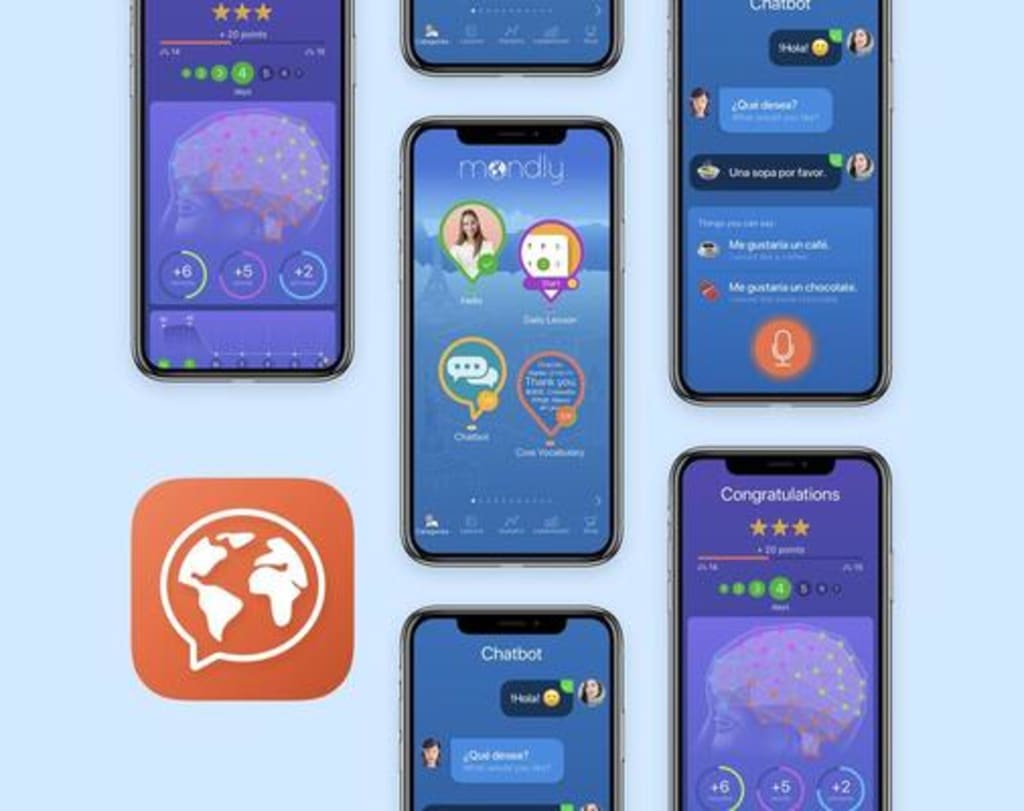
- Leveraging Modern Technology: Utilize AI-powered tools, spaced repetition, and personalized learning methods to enhance proficiency.
Introduction
Learning a new language quickly is a goal shared by many, whether for professional development, travel, or personal enrichment. In our rapidly globalizing world, the ability to communicate in multiple languages is more valuable than ever. From immersive experiences and daily practice to cutting-edge AI tools and personalized strategies, there is a broad spectrum of effective methods available to accelerate language acquisition. In this comprehensive guide, we delve deep into time-proven techniques complimented by modern innovations, offering you a blueprint for optimal language learning success.
Immersion: The Foundation of Rapid Learning
Creating a Language-Rich Environment
Immersion is widely regarded as the single most effective way to learn a language quickly. By surrounding yourself with the target language, you create a natural and continuous learning environment. The principle behind immersion is simple: the more you are exposed to a language in diverse contexts, the quicker your brain maps out its structures, vocabulary, and cultural nuances.
Practical Immersion Techniques
To fully leverage immersion, consider implementing the following strategies:
- Media Consumption: Watch movies, TV shows, and videos in the target language. Using subtitles can also assist in correlating spoken words with their written forms.
- Music and Podcasts: Listen to music, podcasts, and radio stations. This not only aids in familiarizing yourself with the sound and rhythm of the language, but also improves listening skills and pronunciation.
- Changing Device Settings: Switch the language settings on your phone, computer, or social media profiles. This small yet effective step helps reinforce everyday vocabulary.
- Reading Materials: Invest time in reading books, magazines, and online articles. Start with simplified texts and gradually move to more complex content as your proficiency increases.
- Real-Life Interactions: Engage with native speakers through community groups, language meetups, or social media. Live conversations are invaluable for practicing spontaneous dialogue and receiving immediate feedback.
Immersion not only accelerates vocabulary acquisition but also familiarizes you with cultural contexts and colloquial expressions that are critical for natural communication. For those unable to physically reside in a country where the target language is spoken, virtual immersion through online platforms and media consumption can effectively bridge that gap.
Consistent Practice: The Daily Commitment
Building a Routine
Consistency is a key determinant in how quickly you learn a language. Daily practice, even in short bursts, helps to build neural connections that foster quick recall and long-term retention. Language acquisition is not a sprint—it is a marathon that demands persistent effort and regular reinforcement.
Designing an Effective Daily Routine
Here are some tips to incorporate language study into your daily life:
- Set Aside Time: Dedicate at least 30 to 60 minutes each day specifically for language learning. Consistent short sessions are more effective than infrequent long sessions.
- Chunk Learning: Break down your learning sessions into segments (listening, reading, speaking, writing). This allows you to focus on different skills and prevents burnout.
- Spaced Repetition Systems (SRS): Utilizing flashcards and SRS tools like Anki or Quizlet can dramatically enhance memory retention. These systems automatically reschedule reviews based on your performance, ensuring you spend more time on challenging vocabulary.
- Set Clear Objectives: Define what you want to achieve. Whether it’s mastering basic conversational skills or attaining full fluency, having clear goals helps maintain motivation and guides your study sessions.
- Utilize Journal or Diary Writing: Writing daily reflections in your target language can improve both grammar and vocabulary while also tracking your progress.
Benefits of Consistency
Regular interaction with the language not only builds familiarity but also promotes a natural shift from conscious learning to intuitive understanding. The everyday practice fosters a learning environment where mistakes are gradually reduced and fluency steadily increases.
Leveraging Modern Technology and AI Tools
Advanced Learning Platforms
Technology has revolutionized language learning by providing innovative tools and platforms that cater to various learning styles. AI-powered applications can provide personalized lesson plans, real-time feedback, and engaging interactive exercises. These advanced tools adapt to your strengths, weaknesses, and pace, ensuring that your study routine is both efficient and effective.
How AI Enhances Language Learning
- Personalized Feedback: AI can analyze your pronunciation, grammar, and writing skills to offer customized corrections and tips, which is especially useful when practicing speech or writing.
- Interactive Lessons: Many language apps use gamified lessons that transform learning into an engaging activity, keeping you motivated and eager to participate.
- Adaptive Learning: These tools often deploy algorithms that adjust the difficulty of exercises based on your progress, ensuring that you are never too challenged or under-stimulated.
- Pronunciation Practice: Voice recognition software can help you perfect your accent by comparing your speech to that of native speakers.
Popular Tools and Apps
There are several applications that students worldwide have found reliable for rapid language acquisition:
| Tool | Key Feature | Focus Area |
|---|---|---|
| Duolingo | Gamified lessons | Vocabulary and basic grammar |
| Babbel | Real-life dialogue | Conversational skills |
| iTalki | Live tutoring | Speaking and listening |
| Anki | Spaced repetition flashcards | Vocabulary retention |
| Rosetta Stone | Immersive learning modules | Comprehensive language skills |
Utilizing such resources alongside traditional study techniques can significantly reduce the time required to achieve fluency. The versatility of these tools allows for a customized learning experience that caters specifically to your needs.
Personalized Learning Techniques
Tailor-Made Approaches
Recognizing that every learner is unique is key to successful language acquisition. Personalizing your learning journey helps ensure that you remain engaged and that the strategies you employ align well with your individual needs and objectives.
Identify Your Learning Style
Different people have different learning styles. Some may process information better through visual stimuli, while others might benefit more from auditory or kinesthetic approaches. To maximize efficiency:
- Visual Learners: Utilize flashcards with images, watch videos, and read extensively in the language.
- Auditory Learners: Engage in listening exercises, podcasts, and conversations with native speakers.
- Kinesthetic Learners: Participate in interactive lessons that require movement, such as role-playing scenarios and hands-on language games.
Setting Clear Goals
Defining your objectives early on can dramatically improve your focus and motivation. Establishing tangible, incremental goals provides a roadmap for your learning journey. For instance, aim to master the 100 most common words first, followed by progress to 500 and then 1000. As you achieve these milestones, your self-confidence increases, and you are more likely to maintain a rigorous study schedule.
Integrating Learning Goals with Daily Life
Creating a structured plan that blends language practice with your everyday activities can optimize your study time. Consider integrating vocabulary exercises into routine tasks, like labeling household items in the target language, or setting specific times for conversation practice with a language partner. This kind of integration makes learning a seamless part of your life, rather than a separate, isolated activity.
Techniques to Enhance Speaking and Listening Skills
Active Speaking and Interaction
While vocabulary and grammar are essential, developing real-time speaking and listening abilities is crucial for truly mastering a language. Active engagement through conversation builds confidence and improves your ability to think on your feet.
Engaging with Native Speakers
Regular conversation with native speakers allows you to experience the language as it is used naturally. This can be achieved through language exchange partnerships, conversation clubs, or online tutoring sessions. In addition to real-time practice, these interactions help you pick up colloquial expressions and cultural nuances that textbooks often overlook.
Pronunciation and Accent Training
Focusing on pronunciation from the early stages of your learning process can significantly improve your speaking abilities. Listening closely to native speakers, practicing tongue twisters, and using technology that analyzes pronunciation can prevent the development of bad habits. Ensuring clarity in speech not only aids communication but also builds heartfelt connections with speakers of the language.
Using Technology for Pronunciation
Several apps offer sophisticated voice recognition features that help you refine your accent and speaking rhythm. These tools provide immediate feedback, allowing you to adjust your pronunciation in real-time. Coupled with regular practice, this method empowers you to achieve a more natural delivery.
Psychological and Motivational Strategies
Staying Motivated and Committed
Learning a language is not just a cognitive endeavor—it is also a psychological journey. Maintaining motivation over time is crucial for fast progress. Understanding your personal reasons for wanting to learn can provide a strong motivational framework that helps you persist through challenges.
Strategies to Boost Motivation
Maintaining a positive mindset and setting rewards for achieving milestones go a long way in keeping you engaged:
- Purpose Identification: Whether it’s career advancement, travel, or personal growth, clearly defining your purpose will help keep you driven.
- Celebrating Small Wins: Every new phrase learned or conversation held is progress. Celebrate these milestones and use them as stepping stones for further success.
- Embracing Mistakes as Learning Opportunities: Understand that errors are an inevitable part of the learning process. Analyze your mistakes to avoid them in the future and reward yourself for efforts rather than perfection.
- Community Support: Joining online communities or local groups where learners share experiences and tips can provide both encouragement and accountability.
Adopting a Growth Mindset
Encouraging yourself to view challenges as opportunities for growth is instrumental in advanced language learning. Instead of getting discouraged by temporary setbacks, maintain a focus on progress. Whether you are tackling challenging grammar rules or unfamiliar vocabulary, a resilient mindset will facilitate faster mastery and deep, sustained learning.
Integrating Language Learning with Everyday Activities
Making Language Learning a Lifestyle
The fastest way to learn a language is to integrate it seamlessly into your everyday life. Shifting from an isolated study activity to a lifestyle change creates constant, natural exposure to the target language. This integration not only accelerates learning but also enhances your daily functionality in the new language.
Practical Everyday Integration Techniques
Incorporate the following strategies to make language learning part of your daily routine:
- Language in Daily Tasks: Label everyday objects in your home with their names in the target language. As you encounter these words frequently, they gradually become ingrained in your memory.
- Social Media Immersion: Follow accounts, join groups, and participate in discussions held in your chosen language. This creates an ongoing stream of contextually rich content.
- Cooking and Recipes: Explore recipes written in the target language. Cooking using instructions in the new language not only builds vocabulary but also offers a unique window into the culture.
- Travel and Cultural Exploration: Whether through physical travel or virtual tours, exploring the cultural backdrop associated with a language can enrich your linguistic skills and provide compelling learning narratives.
By embedding the language into daily routines, you establish continuous practice in various contexts. This multifaceted approach not only reinforces your skills but also ensures that the language becomes well integrated into your thought process.
Combining Multiple Strategies for Maximum Impact
A Holistic Approach to Accelerated Learning
The key to rapid language acquisition lies in the balanced integration of these strategies. No single method is sufficient on its own; rather, the synergistic combination of immersive environments, consistent practice, advanced technology, and personalized goals creates an optimal learning ecosystem.
Creating Your Personalized Learning Plan
Consider using the following framework to design a comprehensive and personalized language learning plan:
- Assess Your Current Level: Determine your proficiency to set a clear starting point and identify specific areas for improvement.
- Define Short-term and Long-term Goals: Map out daily, weekly, and monthly targets. This may range from mastering specific vocabulary sets to achieving conversational fluency.
- Select Learning Tools: Choose a blend of traditional methods and modern resources such as language apps, online tutoring platforms, and immersive media experiences.
- Schedule Consistent Practice: Allocate dedicated time slots for different aspects of language learning. Balance speaking, listening, reading, and writing practice throughout your day.
- Monitor and Adjust: Regularly review your progress and be ready to adjust your methods based on feedback from tutors, self-assessments, and AI analytics.
Integrating multiple strategies ensures that you address both the cognitive and practical aspects of language learning. This holistic approach not only expedites your overall progress but also builds a strong, versatile language foundation.
Conclusion and Final Thoughts
In summary, the fastest way to learn a language relies on a blend of immersive environments, consistent daily practice, and the intelligent use of modern technology. Each component contributes significantly: immersion ingrains the language into your everyday consciousness, while daily practice solidifies your skills, and technological tools provide personalized and efficient feedback. By combining these strategies with personalized goal setting, active speaking and listening, and a robust psychological framework, you create an optimized learning environment that accelerates fluency.
Embracing a diversified, holistic approach means that rather than seeking a single magic bullet, you are leveraging multiple avenues that work in concert to promote rapid language acquisition. Whether through the consumption of native media, the use of AI-powered applications, or by integrating language learning into daily activities, each element of this methodology reinforces your overall learning journey. Ultimately, the path to fluency is unique for each learner, but employing these effective strategies can significantly shorten the time required to achieve proficiency, making your language learning experience both enriching and rewarding.
References
- 12 Fast Ways to Learn a Language - Language Learning Made Simple
- The Fastest Way to Learn a Language? - Luca Lampariello
- The Fastest Way To Learn a Language - Fluent Forever
- 14 Ways to Learn a New Language Fast - wikiHow
- How To Learn A Language Fast - Lingopie
- Fastest Way to Learn a New Language - Lingoda
- How to Learn a Language Fast - Berlitz
- Top Language Learning Trends - Talkio
Recommended
Last updated February 20, 2025