
Integration of Open-Source Databases for Life Cycle Assessment (LCA)
A Detailed Guide on Approaches and Best Practices for LCA Data Integration
Highlights
- Comprehensive Tools: Open-source LCA software like openLCA supports multiple database formats and offers both free and commercial data
- Interoperability & Standardization: Emphasis on aligning data models, formats, and local adjustments ensures reliable integration
- Innovative Platforms: Collaborative initiatives such as GLAD, LCA Commons, and platforms like TianGong extend accessibility and enhance data sharing
Introduction
Life Cycle Assessment (LCA) studies require detailed and accurate data about resources, energy flows, and environmental impacts across a product's life cycle. Integrating open-source databases for LCA purposes has become essential for practitioners aiming to achieve comprehensive and transparent assessments. This article provides an in-depth exploration of the key tools and methods used to integrate various open-source databases in LCA workflows, emphasizing best practices, challenges, and effective techniques to ensure data compatibility and reliability.
Fundamentals of Open-Source LCA Databases
What is LCA?
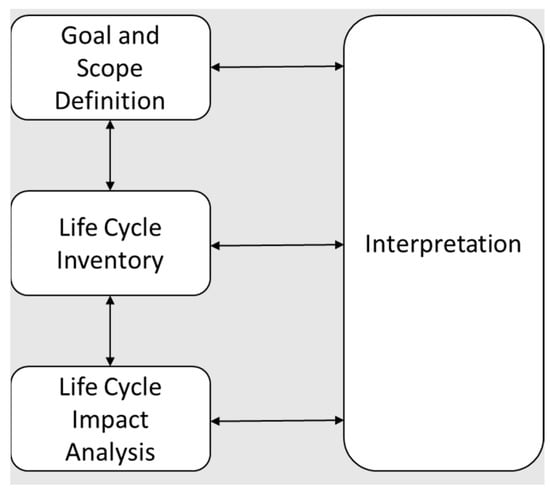
Life Cycle Assessment (LCA) is a systematic method for assessing environmental impacts associated with all stages of a product's life from raw material extraction through production, use, and disposal. The methodology provides insights into the environmental, economic, and societal implications of products and processes. It is essential in guiding sustainable development and eco-design.
The Role of Open-Source Databases
Open-source databases for LCA serve as a foundation for generating reliable life cycle models. They provide a repository of datasets that include information on material flows, energy consumption, process emissions, and other environmental parameters. These databases support various LCA methodologies and can be integrated to facilitate a more holistic analysis.
Key Characteristics
Open-source LCA databases typically provide:
- Datasets in standardized formats (e.g., EcoSpold, ILCD)
- Support for both free and commercial data packages
- Tools for converting and aligning data across different sources
- Transparency in data origin and methodology, enhancing credibility
Major Tools and Platforms for LCA Database Integration
Comprehensive LCA Software: openLCA
openLCA is one of the most popular open-source software tools used for conducting LCA. It is designed to support a vast range of databases and is particularly noted for its flexibility and customizable functionality. Key features include:
Database Support and Formats
openLCA supports a myriad of database formats such as EcoSpold and ILCD. Its modular design allows practitioners to integrate data from diverse sources seamlessly. Additionally, its Nexus repository offers both free and paid datasets, which can be directly imported into LCA models.
Data Customization and Hybrid Analysis
The software is designed to work with hybrid approaches that combine process-based data with input-output analysis. This capability is essential when addressing data gaps or when refined local adjustments are necessary in the modeling process. Furthermore, openLCA offers plugins and extensions that allow users to integrate new data sources or perform comprehensive material criticality assessments.
Global LCA Data Access Platforms
Several platforms facilitate the discovery and access of LCA data, enhancing interoperability among various user groups:
GLAD (Global LCA Data Access)
GLAD plays a pivotal role in supporting LCA research by providing a searchable catalog of available LCA data. While it does not host proprietary datasets, GLAD acts as a bridge by redirecting users to data providers' websites. Its functionality includes facilitating format conversion and ensuring that users can download datasets as required.
Collaborative Platforms: LCA Commons
LCA Commons is a network that encourages data sharing among governmental agencies, researchers, and practitioners. It is particularly useful for integrating public data into LCA models. The platform provides an API and a repository of datasets that help align environmental and economic data from various sources. This collaborative approach enhances data quality by enabling users to verify metadata and apply local relevance assessments.
Other Key Databases
In addition to openLCA and GLAD, databases like Ecoinvent, US Life Cycle Inventory (USLCI), and TianGong serve as critical sources for LCA datasets. While Ecoinvent is known for its robust, consistent datasets, USLCI and TianGong offer complementary perspectives with region-specific and freely accessible data.
Methodologies for Integrating Databases
Data Format Standards and Conversion
Converting between different data formats is a crucial aspect of integrating multiple LCA databases. Standard formats such as EcoSpold and ILCD require robust conversion tools to ensure that imported data aligns correctly with existing process flows and impact assessment procedures.
JSON-LD and Other Interoperability Tools
Developers have increasingly adopted JSON-LD as a format for transferring and integrating LCA data. JSON-LD not only facilitates easier data exchange but also ensures that semantic information is preserved during the conversion process. This format is particularly useful when linking data across disciplines or combining various databases into a unified LCA framework.
Data Alignment and Standardization
Ensuring that data from different databases are aligned involves:
- Verifying the consistency of reference flows (the quantification of inputs and outputs) across datasets
- Standardizing categories and units to maintain uniformity in environmental impact calculations
- Implementing compatibility checks to prevent the creation of duplicate flows
A common challenge is the potential mismatch in how certain processes are represented across databases. Standardization efforts and the adoption of internationally agreed-upon protocols help mitigate these issues, leading to a more reliable and comparable LCA outcome.
Combining Process-Based and Input-Output Analysis
One of the strengths of a robust LCA system is its ability to incorporate both detailed process-based data and broader economic input-output data. This hybrid approach allows for more comprehensive assessments, especially when faced with incomplete datasets or when local data compensation is required. Advanced LCA software platforms are designed to handle such complexity by ensuring that the integration process is seamless.
Challenges in Integrating Open-Source LCA Databases
Data Quality and Local Relevance
Although open-source databases provide a wealth of information, ensuring data quality remains a prominent challenge. Inaccuracies can arise from:
- Variations in manufacturing processes
- Differences in regional practices or environmental regulations
- Predefined process models that may not capture local nuances
Thus, practitioners are encouraged to verify the quality of imported data, perform local adjustments where necessary, and complement the datasets with region-specific studies to enhance the accuracy of their LCA models.
Format Conversion and Compatibility Issues
Some databases are inherently challenging due to their size and complexity. For example, converting large datasets such as those provided by extensive databases requires special attention. The complexities include:
- Ensuring that flow categories, functional units, and reference flows match
- Addressing discrepancies in unit measurements across various data sets
- Handling the conversion processes while preserving the integrity of the dataset
Adopting Smart Conversion Tools
To mitigate these issues, the use of smart conversion tools is recommended. They not only convert the necessary formats but also verify the semantic integrity of the datasets. Adopting such technologies ensures that the integrated data can be used directly in LCA software without extensive manual preprocessing.
Managing Data Complexity
The sheer volume of datasets – sometimes running into hundreds of thousands of individual data points – poses management challenges. A methodical approach to database integration includes:
- Using robust database management systems (DBMS) to index and catalog datasets
- Implementing meta-data tagging to facilitate easy search and cross-referencing
- Ensuring that software platforms are scalable to accommodate large data volumes
Documentation and Meta-Information
A comprehensive approach to database integration also involves detailed documentation. Each dataset should be accompanied by meta-information that describes its origin, scope, and limitations. This practice not only improves transparency but also aids users in selecting the most relevant data for their specific LCA studies.
Practical Integration Workflow
Step-by-Step Guide
Below is a detailed workflow that practitioners can follow to integrate open-source databases into their LCA assessments:
Step 1: Data Identification and Selection
Begin by identifying relevant databases based on the geographic region, industry sector, and specific life cycle stages of interest. Evaluate each dataset for data quality and relevance to ensure it aligns with the goals of the LCA study.
Step 2: Format Standardization and Conversion
Use data conversion tools that support formats like EcoSpold, ILCD, or JSON-LD. This step is crucial to achieving interoperability between different datasets. Perform compatibility checks and ensure that data units and categories are aligned.
Step 3: Data Integration into LCA Software
Import the standardized datasets into an LCA software platform such as openLCA. Leverage features like the Nexus service to incorporate both free and commercial datasets. Use built-in tools to combine process-based data with input-output models for a comprehensive assessment.
Step 4: Verification and Quality Assurance
After integration, it is imperative to verify the accuracy, coherence, and quality of the data. Cross-check the datasets against local studies and perform sensitivity analysis to understand the impact of any potential discrepancies. Additionally, ensure documentation is updated to reflect any modifications made during the integration process.
Step 5: Operationalizing LCA Models
Finally, incorporate the integrated datasets into operational LCA models. Use the software’s analysis and reporting functions to evaluate environmental impacts across life cycle stages. Benchmark against industry standards and continuously update the datasets as new data becomes available.
Integration Best Practices
Successful integration of open-source databases for LCA relies on adherence to a few best practices:
- Documentation: Keep detailed records of all data conversion steps and quality checks.
- Data Verification: Regularly verify the local relevance and accuracy of datasets.
- Hybrid Approaches: When needed, combine both process-based and economic modeling data for a more comprehensive assessment.
- Modular Integration: Leverage interoperable software modules to simplify the integration of new datasets and functionalities.
Illustrative Table of LCA Database Characteristics
The table below consolidates key information on some prominent databases and tools used for LCA integration:
| Database/Tool | Key Features | Data Formats Supported | Accessibility |
|---|---|---|---|
| openLCA | Comprehensive LCA software with modular integration, Nexus service, hybrid analysis support. | EcoSpold, ILCD, JSON-LD | Free and Commercial |
| GLAD | Centralized access to disparate LCA databases with format conversion functionality. | Various proprietary formats (via conversion) | Free (redirect to providers) |
| LCA Commons | Collaborative platform with public APIs and extensive public datasets. | Standardized governmental formats | Free |
| Ecoinvent | Extensive database with detailed, consistent datasets; recommended for integration through openLCA. | EcoSpold, ILCD | Typically Commercial (with free access options in some regions) |
| TianGong | Openly accessible database promoting sustainability data collaboration. | Standardized open formats | Free |
Advanced Considerations for Future LCA Data Integration
Automation and Real-Time Data Access
With continuous advancements in digital technology, the integration workflow for LCA can be further optimized by adopting automation tools and enabling real-time access to updated datasets. This evolution includes:
- Automated data ingestion pipelines that periodically update datasets from central repositories
- Machine learning algorithms to detect anomalies and maintain data consistency
- Cloud-based platforms that facilitate seamless collaboration among international research teams
The adoption of these advanced methodologies can significantly improve the responsiveness and relevance of LCA studies. Advanced analytics can also help in identifying the most impactful stages in a product's life cycle and facilitate more proactive environmental management.
Ensuring Cross-Platform Compatibility
The landscape of LCA software and databases is continually evolving, with new tools emerging that focus on increased interoperability. To ensure seamless integration:
- Design systems that can easily communicate through standardized APIs
- Adopt open data standards that are recognized internationally across LCA platforms
- Foster collaboration among data providers and software developers to align on best practices in data exchange
Implications for Policy and Sustainability Reporting
The integration of comprehensive, open-source LCA databases is not only a technical challenge; it also has broader implications for environmental policy and corporate sustainability reporting. Transparent and standardized data support:
- More credible environmental claims and sustainability certifications
- Better-informed policy decisions based on robust comparative data
- The creation of benchmarks that drive industry-wide improvements
By leveraging advanced integration methods, stakeholders can support policies that promote sustainable development, enhance environmental reporting standards, and encourage a shift towards more responsible production and consumption models.
Conclusion and Final Thoughts
Integrating open-source databases for Life Cycle Assessment represents a dynamic and evolving field, critical for robust sustainability analyses. Open-source platforms like openLCA, along with global initiatives such as GLAD and LCA Commons, provide a solid backbone for accessing, converting, and aligning extensive datasets vital for LCA studies.
The process encompasses multiple stages from data selection and format standardization to quality assurance and operational integration. Employing hybrid analysis methods—combining both process-based and economic data—ensures that assessments capture the complexity of modern industrial systems while also allowing for regional adjustments and localized analysis.
Although challenges like data compatibility, massive dataset complexities, and maintaining local relevance exist, best practices underline the importance of standardization, thorough documentation, and the use of advanced conversion tools. Continuous innovation in automation and real-time data access further positions LCA professionals to deliver more timely and insightful assessments.
Ultimately, the successful integration of these databases enhances the credibility of LCA studies, enabling better decision-making, sustainable policy development, and thorough environmental impact assessments. Practitioners are advised to stay informed about new tools, standards, and collaborative efforts in the LCA community to continuously refine their integration practices.
References
- openLCA - openlca.org
- Global LCA Data Access - globallcadataaccess.org
- Ecoinvent - ecoinvent.org
- LCA Commons - lcacommons.gov
- TianGong - tiangong.earth
- USLCI Database - nrel.gov
Recommended
Last updated February 21, 2025