
Electrolysis in Rechargeable Lead Acid Batteries
A comprehensive exploration of electrolysis phenomena, reactions, and maintenance issues
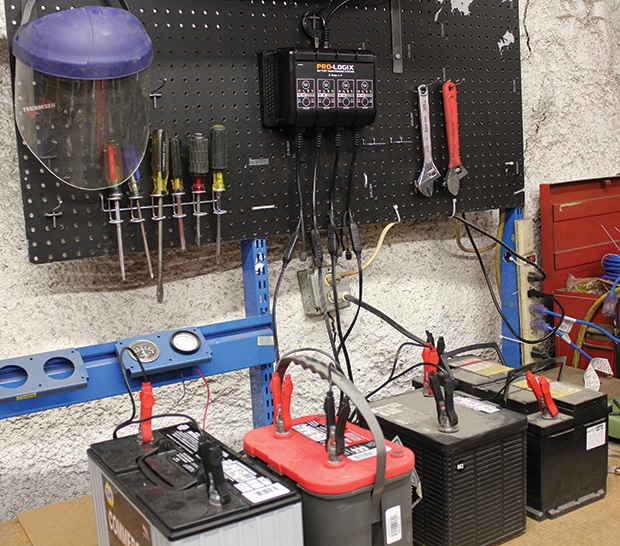
Key Highlights
- Fundamental Electrolysis Mechanism: Understanding how water in the electrolyte decomposes into hydrogen and oxygen gases during charging.
- Chemistry and Component Functions: Detailed insights into electrode reactions and the unique roles of lead and lead dioxide in these batteries.
- Impact on Battery Health: How excessive electrolysis due to overcharging or high charging voltages can lead to water loss, gas evolution, and maintenance challenges.
Introduction to Lead Acid Batteries and Electrolysis
Lead acid batteries have been a mainstay in automotive, backup power, and renewable energy systems for more than a century. These rechargeable batteries are known for their robustness, ease of maintenance, and reliability. A critical aspect of their operation is the process of electrolysis, particularly during the charging cycle, which drives non-spontaneous chemical reactions crucial for recharging the battery while posing challenges such as gas evolution and water loss.
Understanding the Electrolysis Process
Chemical Reactions in the Battery
In a lead acid battery, the electrolysis process primarily involves the decomposition of water present in the sulfuric acid (H₂SO₄) and water electrolyte. The reaction occurs when an external voltage is applied during charging. The reaction is best summarized by the following equation:
Primary Electrolysis Reaction
During overcharging or under specific charging conditions, water molecules break down through electrolysis:
\( 2\text{H}_2\text{O} \rightarrow 2\text{H}_2 + \text{O}_2 \)
This reaction is essential because while the primary chemical reactions restore the active materials on the electrodes, the overcharge conditions lead to the breakdown of water molecules resulting in the generation of hydrogen and oxygen gases.
Electrode Reactions and the Role of Components
A lead acid battery consists of two main electrodes immersed in a diluted sulfuric acid electrolyte:
- Negative Electrode: Typically composed of spongy or porous lead (Pb). During discharge, it reacts to form lead sulfate (PbSO₄), whereas during charging, it reverts back to lead.
- Positive Electrode: Contains lead dioxide (PbO₂). In the discharge phase, it also forms lead sulfate (PbSO₄) and is restored by re-oxidation when the battery is charged.
During the normal charging process, the lead sulfate on both electrodes is converted back into lead (Pb) on the negative electrode and lead dioxide (PbO₂) on the positive electrode. This reformation of active materials is essential for the rechargeable nature of the battery.
Electrolysis Under Different Charging Conditions
Normal Charging
Under normal charging conditions, the electrochemical reactions proceed smoothly. However, even during this process, a minor degree of water electrolysis can occur. The generation of small amounts of hydrogen and oxygen is controlled by the applied charging current and voltage.
Overcharging Phenomenon
When a lead acid battery is overcharged, the applied voltage exceeds the optimal charging levels. This condition accelerates the electrolysis of water in the electrolyte. The reaction produces a higher amount of hydrogen gas at the negative electrode and oxygen gas at the positive electrode causing:
- Significant Water Loss: The generated gases escape from the battery (especially in vented, flooded types), leading to a decrease in the electrolyte volume and concentration changes.
- Increased Acid Concentration: As water is lost, the relative concentration of sulfuric acid increases, which may affect the battery's efficiency and internal resistance.
- Potential Safety Risks: The evolution of hydrogen brings an explosion risk if the gas accumulates in a poorly ventilated area, alongside the possibility of damaging the electrode surfaces through vigorous gas bubble formation.
Maintenance Challenges and Battery Longevity
Management of Electrolyte Levels
Given that electrolysis results in water loss from the electrolyte, maintenance of correct electrolyte levels is crucial to ensure battery performance. In vented or flooded lead acid batteries, regular topping-up with distilled water is required to restore the lost water and maintain the proper balance of sulfuric acid concentration. Failure to top up the electrolyte might lead to:
- Reduced Battery Capacity: As the electrolyte becomes overly concentrated, the chemical reaction efficiency drops, leading to insufficient power output.
- Electrode Damage: Gas bubbles emerging during rapid electrolysis can cause detachment of lead dioxide or compromise the physical structure of the electrodes.
- Shortening of Battery Life: Incorrect electrolyte levels can contribute to long-term degradation, resulting in decreased service life and potential cell reversal.
To mitigate these issues, many modern battery maintenance systems incorporate automated water refill mechanisms and employ smart charging algorithms that minimize the occurrence of excessive electrolysis.
Optimized Charging Techniques
The adoption of optimized charging techniques is critical to balance effective recharging of the active materials while minimizing unwanted side reactions such as electrolysis. Several strategies include:
- Multi-Stage Charging: Employing a multi-stage charging procedure ensures that the battery is initially charged at a high current until a certain voltage threshold is reached, then shifted to a constant voltage mode to reduce the rate of water decomposition.
- Current and Voltage Regulation: Using chargers that strictly regulate the current and voltage prevents the application of excessive charging parameters that might trigger rapid electrolysis.
- Temperature Monitoring: Ambient temperature plays a significant role in the chemistry of a lead acid battery; smart chargers monitor temperature to avoid overcharging in extreme conditions, which can compound the electrolysis process further.
Such measures contribute not only to safer charging practices but also extend the effective operational life of the battery by reducing irreversible chemical changes.
Detailed Component Analysis and Chemical Reactions
The following table summarizes the key components of a typical lead acid battery, the reactions involved during both discharge and charge phases, and the role of electrolysis in the charging process.
| Component | Description | Role in Reactions |
|---|---|---|
| Electrolyte | A dilute solution of sulfuric acid (H₂SO₄) mixed with water | Medium for ion transfer; subject to water electrolysis producing H₂ and O₂ gases |
| Negative Electrode | Spongy or porous lead (Pb) |
|
| Positive Electrode | Lead dioxide (PbO₂) |
|
| Electrolysis Reaction | Water decomposition | \( 2\text{H}_2\text{O} \rightarrow 2\text{H}_2 + \text{O}_2 \) |
Factors Influencing Electrolysis
Ambient Temperature and Battery Age
Temperature is an essential factor that influences the rate of electrolysis. Higher temperatures increase the kinetics of chemical reactions, causing a more rapid breakdown of water and heightened gas generation. Similarly, as batteries age, the integrity of the electrode materials and the efficiency of chemical reactions decline, making them more susceptible to overcharging effects and exacerbated water loss.
Maintaining an optimal operational temperature minimizes the risks associated with fast electrolysis and helps in preserving workbook integrity. Battery management systems often incorporate temperature sensors and adaptive charging profiles to handle such variations effectively.
Charging Rates and Overcharging Risks
The charging rate plays a crucial role in the extent to which electrolysis occurs. High charging currents, particularly in fast charging regimes, significantly increase the voltage across the battery terminals. Under these conditions, the water electrolysis reaction accelerates quickly, leading to:
- Excessive Gas Formation: The rapid generation of hydrogen and oxygen gases, which may lead to a build-up of pressure in sealed batteries or prompt the need for regular water refilling in vented batteries.
- Potential Electrode Degradation: Gas bubbles formed on the electrode surfaces can dislodge material, potentially leading to decreased contact area and diminished battery performance.
- Safety Hazards: The accumulation of hydrogen is especially risky in confined spaces due to its highly explosive nature under the right conditions.
Strategies to Mitigate Electrolysis Effects
Preventive Maintenance
Regular maintenance is vital for managing the effects of electrolysis in lead acid batteries. Practices include:
- Electrolyte Monitoring: Regularly checking the electrolyte levels and topping up with distilled water prevents the detrimental effects of water loss.
- Surface Cleaning: Removing any deposits that may form due to gas evolution can help maintain proper electrode function and contact.
- Inspection for Electrode Integrity: Periodic inspections help in identifying any potential issues with electrode degradation caused by repetitive gassing cycles.
Smart Charging Solutions
Newer smart charging technologies are designed to minimize the negative impacts of electrolysis. These systems:
- Employ Multi-Stage Charging: Initiate the charge at a higher current and transition to a constant voltage mode to reduce excessive water decomposition.
- Regulate Charging Parameters: Precisely control both current and voltage to ensure that the electrolysis reaction is kept at a minimal level.
- Incorporate Temperature Compensation: Adapt charging profiles dynamically based on ambient conditions to reduce the risk of rapid electrolysis.
These measures help in maintaining a balanced reaction environment within the battery, ultimately extending its operational lifespan and ensuring a safer charging routine.
Comprehensive Overview of Electrolysis Control in Lead Acid Batteries
A balanced and well-maintained lead acid battery is one in which chemical reactions occur efficiently, providing reliable power while minimizing unwanted side reactions. Electrolysis, though an inherent part of the charging process, becomes a challenge when it leads to excessive gas evolution and a subsequent loss of electrolyte. By understanding the underlying chemistry, including the water decomposition reaction and electrode interactions, one can appreciate the need for careful charging management and regular maintenance.
The integration of modern battery management systems that incorporate monitoring of voltage, current, and temperature is transforming how these batteries are maintained. Preventive care, supported by automated controls, not only extends the battery’s lifespan but also ensures operational safety, making lead acid batteries a dependable option in numerous applications—from automotive batteries to solar backup systems.
The economic and safety aspects of these batteries are directly tied to the effective control of electrolysis. Reducing the kinetic rate of water decomposition minimizes gas evolution, thereby lowering maintenance needs and reducing the risk factors associated with hydrogen accumulation. These advancements have paved the way for innovations in battery design and smart charging protocols, which continue to be an active field of research and development.
References
- Electrolysis in Vented Lead Acid Batteries - PwrStorage Solutions
- Loss of Electrolyte - Battery University
- Electrolysis Commercial Batteries - LibreTexts Chemistry
- Maintaining Battery Electrolyte Levels - Engineers Edge
- Lead–acid Battery - Wikipedia
Recommended Related Queries
Last updated March 17, 2025