
Mastering Ray Tracing: A Comprehensive Guide through SIGGRAPH Resources
Unlocking advanced rendering techniques with SIGGRAPH's extensive offerings
Key Takeaways
- Structured Learning Path: Begin with fundamentals, progress to advanced concepts through SIGGRAPH's courses and tutorials.
- Hands-On Projects: Apply knowledge by building projects, experimenting with GPU ray tracing, and integrating with real-time engines.
- Community Engagement: Engage with SIGGRAPH communities, forums, and attend webinars for collaborative learning and networking.
Introduction to Ray Tracing
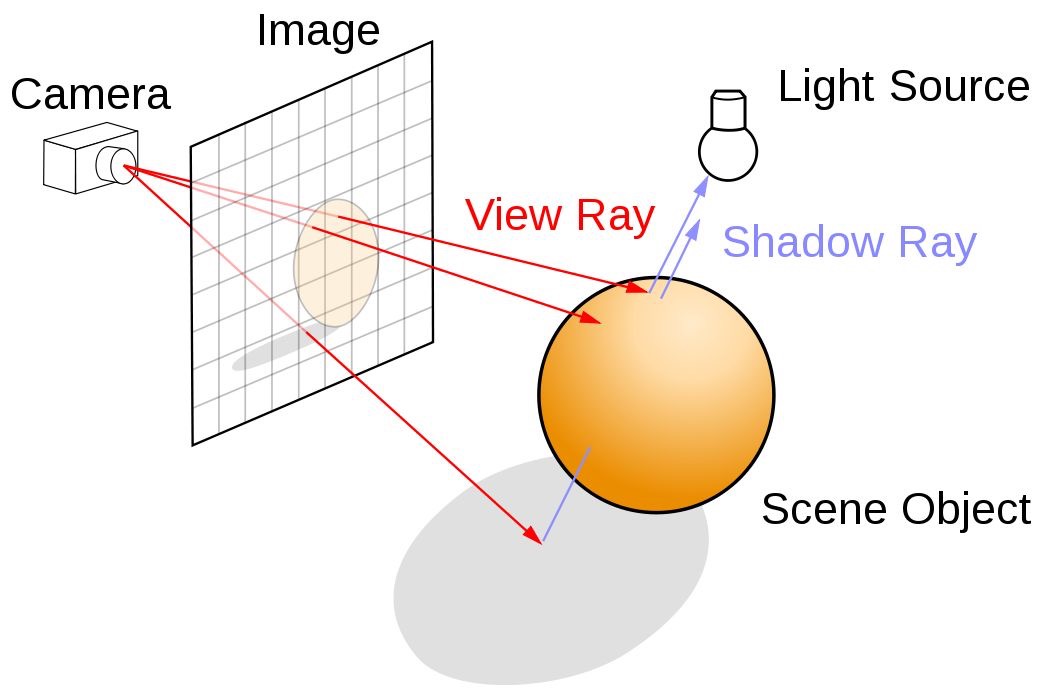
Ray tracing is a rendering technique that simulates the way light interacts with objects to produce highly realistic images. It traces the path of light rays as they travel through a scene, accounting for reflections, refractions, and shadows to generate photorealistic visuals. Mastering ray tracing is essential for professionals in computer graphics, film production, gaming, and virtual reality.
Getting Started with Ray Tracing
Building a Strong Foundation
Before diving into advanced ray tracing techniques, it's crucial to establish a solid understanding of the fundamentals. This includes:
- Mathematics and Programming: Proficiency in linear algebra (vectors, matrices), calculus, and programming languages like C++ is essential.
- Computer Graphics Basics: Familiarize yourself with rendering, shading, and geometric transformations. Texts like "Fundamentals of Computer Graphics" provide a good starting point.
Recommended Resources
Start with accessible tutorials and books to grasp the basics:
- Books: "Ray Tracing in One Weekend" by Peter Shirley offers a hands-on approach to building a simple ray tracer from scratch.
- Online Tutorials: Engage with courses and tutorials available through SIGGRAPH's online platforms.
SIGGRAPH Courses and Tutorials on Ray Tracing
Structured Learning Through Courses
SIGGRAPH offers a plethora of courses and tutorials designed to cater to different skill levels:
Introduction to Real-Time Ray Tracing
This course covers the creation of real-time ray tracing systems using modern GPU and CPU APIs, such as DirectX Ray Tracing (DXR). Participants learn to implement a photorealistic renderer from scratch.
Path Tracing in Production
These courses delve into path tracing techniques used in the movie-making industry, covering efficient direct lighting, volume rendering, and scaling up for production needs.
Advances in Real-Time Rendering
Focused on integrating ray tracing into game engines and real-time applications. Topics include hybrid rendering techniques, performance optimizations, and leveraging APIs like Vulkan.
Advanced Topics in Ray Tracing
Exploring Cutting-Edge Techniques
Once the basics are mastered, advancing to specialized and state-of-the-art topics is essential:
- Global Illumination and Monte Carlo Methods: Techniques for simulating complex light interactions to achieve realistic lighting.
- Parallel Ray Tracing and GPU Acceleration: Leveraging GPU frameworks like NVIDIA's OptiX for enhanced performance.
- Machine Learning for Rendering: Integrating AI and neural networks to optimize rendering processes.
Hands-On Projects and Practical Experience
Applying Theoretical Knowledge
Building projects is pivotal for reinforcing learning and gaining practical experience:
- Create a Simple Ray Tracer: Implement basic features such as shadows, reflections, and refractions.
- Integrate with Real-Time Engines: Utilize engines like Unity or Unreal Engine to incorporate ray tracing capabilities.
- Explore Shader Programming: Develop shaders that harness ray tracing for enhanced visual effects.
Community Engagement and Networking
Learning Through Collaboration
Participating in communities and engaging with peers accelerates learning:
- Join Forums and Discussion Groups: Platforms like Reddit's r/GraphicsProgramming facilitate idea exchange and problem-solving.
- Attend Webinars and Live Sessions: SIGGRAPH's webinars feature industry experts who provide insights and answer questions.
- Collaborate on Open Source Projects: Contribute to projects like PBRT to gain practical experience and visibility.
Performance Optimization and Tools
Enhancing Rendering Efficiency
Optimizing performance is crucial for achieving real-time ray tracing:
- Use of Acceleration Structures: Implement BVH (Bounding Volume Hierarchies) for efficient ray-object intersection tests.
- Shader Optimization: Fine-tune shader code to maximize GPU utilization and minimize bottlenecks.
- Leveraging RTX and OptiX: Utilize NVIDIA's RTX technology and OptiX framework for hardware-accelerated ray tracing.
Integrating Ray Tracing with Real-Time Applications
Bridging Theory and Practice
Integrating ray tracing into real-time applications enhances visual fidelity and interactivity:
-
Hybrid Rendering Techniques: Combine rasterization with ray tracing to balance performance and quality.
-
Real-Time Path Tracing: Implement path tracing algorithms that run interactively, suitable for games and VR.
-
Interactive Applications: Develop interactive tools and environments that utilize real-time ray tracing for dynamic lighting and effects.
Resources Summary
| Resource | Description | Access |
|---|---|---|
| Introduction to Real-Time Ray Tracing | Comprehensive course on creating ray tracing systems using DirectX 12 and NVIDIA OptiX. | Access Course |
| Ray Tracing in One Weekend | Hands-on book guiding through building a simple ray tracer from scratch. | Get the Book |
| Physically Based Rendering (PBRT) | In-depth explanation of ray tracing theory and a freely available codebase. | Explore PBRT |
| ShaderToy | Platform for developing and experimenting with ray tracing shaders interactively. | Visit ShaderToy |
| ACM Digital Library | Access to research papers and SIGGRAPH conference materials. | Explore ACM |
Conclusion
Learning ray tracing through SIGGRAPH resources provides a structured and comprehensive approach to mastering this advanced rendering technique. By starting with fundamental concepts, progressively exploring advanced topics, and engaging with the community, you can develop the skills necessary to implement and optimize ray tracing in various applications. Hands-on projects and performance optimizations are crucial for practical understanding, while SIGGRAPH's extensive offerings in courses, tutorials, and webinars offer invaluable guidance throughout your learning journey.
References
Last updated February 17, 2025