
Unveiling the Power: How Linear Accelerators Revolutionize Cancer Treatment
A deep dive into the sophisticated technology that precisely targets and destroys cancer cells, offering hope to millions.
Key Insights into LINAC Technology
- Precision Targeting: LINACs utilize advanced imaging and beam-shaping technologies to deliver radiation with pinpoint accuracy to tumors, minimizing harm to surrounding healthy tissues.
- Versatile Treatment Options: These machines support a wide array of radiotherapy techniques, including IMRT, VMAT, and stereotactic treatments, allowing for personalized cancer care.
- Safety Focused Design: LINACs are housed in heavily shielded rooms and incorporate multiple safety interlocks, only producing radiation when activated for treatment, ensuring patient and staff safety.
A Linear Accelerator, commonly known as a LINAC, is a cornerstone of modern radiation therapy (radiotherapy), a critical treatment modality for various types of cancer. As of May 15, 2025, this sophisticated medical device remains at the forefront of external beam radiation therapy. Its primary function is to generate high-energy X-rays or electrons, which are then precisely directed at a patient's tumor to destroy cancerous cells while meticulously sparing adjacent healthy tissues. This technology has significantly improved treatment outcomes and the quality of life for countless individuals battling cancer.
The Core Mechanism: From Electrons to Therapeutic Beams
The operation of a LINAC involves a series of intricate steps, transforming electricity into a potent, cancer-fighting radiation beam. This process is founded on fundamental principles of physics and engineering, refined over decades to achieve remarkable precision and efficacy.
Electron Generation and Acceleration
The journey begins with the generation of electrons. An "electron gun," similar in principle to the cathode ray tube in older televisions, contains a filament that is heated, causing it to release a stream of electrons. These electrons are then injected into a specialized structure called a waveguide. Inside the waveguide, powerful microwave or radio frequency (RF) waves, much like those used in radar systems, create strong, oscillating electromagnetic fields. These fields propel the electrons forward in a straight line, accelerating them to nearly the speed of light. The energy of these electrons can be precisely controlled, typically ranging from 4 to 25 mega-electron volts (MeV), depending on the depth and type of tumor being treated.
X-Ray Production or Electron Beam Utilization
Once the electrons have reached their target energy, they are directed to strike a dense, heavy metal target, commonly made of tungsten. The high-velocity impact causes the electrons to rapidly decelerate, releasing their energy in the form of high-energy X-rays (also known as photons). These X-rays constitute the therapeutic beam that will penetrate the patient's body to reach the tumor. In some cases, particularly for superficial tumors (e.g., skin cancers), the accelerated electrons themselves can be used directly as the treatment beam, bypassing the X-ray conversion target.
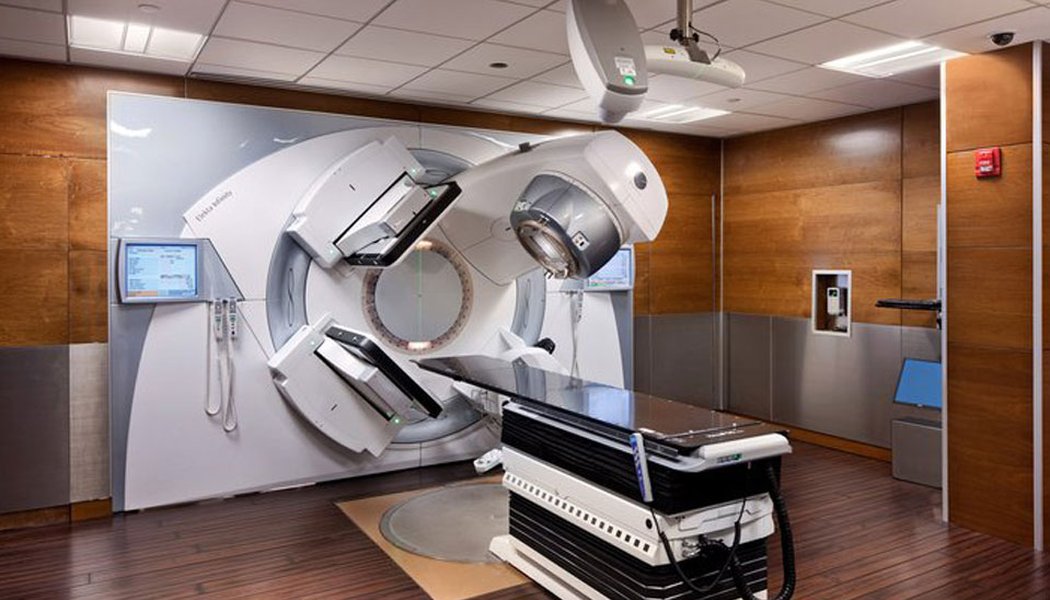
A typical Linear Accelerator (LINAC) used for external beam radiation therapy.
Achieving Unparalleled Precision: Beam Shaping and Delivery
One of the hallmarks of modern LINACs is their ability to customize and precisely deliver the radiation beam. This ensures that the tumor receives the maximum prescribed dose while surrounding healthy organs and tissues are protected as much as possible.
Beam Shaping: The Role of Multi-Leaf Collimators (MLCs)
After the X-rays are produced, they pass through a sophisticated beam-shaping device called a Multi-Leaf Collimator (MLC). An MLC consists of numerous thin, individually computer-controlled "leaves" made of a high-density material like tungsten. These leaves can move independently to create an aperture that precisely matches the size, shape, and orientation of the tumor from any given angle. This dynamic shaping capability is crucial for techniques like Intensity-Modulated Radiation Therapy (IMRT), where the intensity of the radiation beam is varied across different segments of the treatment field.
Image-Guided Radiation Therapy (IGRT)
To ensure the radiation beam is accurately aimed at the tumor during each treatment session, LINACs are equipped with advanced imaging systems. This practice is known as Image-Guided Radiation Therapy (IGRT). On-board imaging devices, such as X-ray imagers or cone-beam CT (CBCT) scanners, acquire images of the patient in the treatment position just before or even during radiation delivery. These images are compared to the reference images from the treatment planning phase. If any discrepancies are found due to patient movement or internal organ shifts, the patient's position or the beam's aim can be adjusted in real-time, ensuring sub-millimeter accuracy.
The Gantry System: Delivering Radiation from Multiple Angles
The main part of the LINAC, including the waveguide, target, and collimation system, is mounted on a rotating structure called a gantry. The gantry can rotate 360 degrees around the patient, who lies on a movable treatment couch. This allows the radiation beam to be directed at the tumor from multiple angles. By delivering radiation from various directions, the dose to the surrounding healthy tissue is spread out and minimized, while the tumor, being the common intersection point of all beams, receives a concentrated, high dose of radiation.
Key Components of a LINAC and Their Functions
Understanding the principal components of a LINAC helps appreciate the complexity and precision of this life-saving technology. The table below outlines these key parts and their roles in the radiotherapy process.
| Component | Function |
|---|---|
| Electron Gun | Generates a stream of electrons by heating a filament (cathode). |
| Waveguide | A long, straight tube where electrons are accelerated by microwave-generated electromagnetic fields. |
| Microwave Source (Magnetron/Klystron) | Generates the high-power microwaves used to create the accelerating fields in the waveguide. |
| Bending Magnet | (If the waveguide is horizontal and the beam needs to be directed downwards) Steers the electron beam towards the target or patient. |
| X-ray Target | A piece of heavy metal (e.g., tungsten) that the accelerated electrons strike to produce high-energy X-rays (photons). |
| Flattening Filter/Scattering Foil | Shapes the raw X-ray beam to create a uniform dose distribution (flattening filter) or spreads out an electron beam for treatment (scattering foil). |
| Primary Collimator | Shapes the initial beam after it emerges from the target. |
| Multi-Leaf Collimator (MLC) | Consists of multiple, individually controlled leaves that dynamically shape the radiation beam to conform to the tumor's outline. |
| Gantry | The rotating arm of the LINAC that houses the treatment head and allows the beam to be delivered from various angles around the patient. |
| Treatment Couch | The table on which the patient lies, capable of precise movements in multiple dimensions to accurately position the patient for treatment. |
| Imaging System (e.g., CBCT, X-ray) | Provides images of the patient in the treatment position for accurate targeting (Image-Guided Radiation Therapy - IGRT). |
| Control System | Computerized system that controls all aspects of the LINAC's operation, including beam energy, dose rate, gantry position, MLC movements, and safety interlocks. |
Each of these components works in concert, meticulously orchestrated by sophisticated control systems, to deliver safe and effective radiation therapy.
Visualizing the LINAC Process: A Mindmap Overview
To better understand the interconnected processes and components involved in LINAC-based radiotherapy, the following mindmap provides a visual summary. It illustrates the journey from electron generation to precise radiation delivery, highlighting the key stages and technologies that make this treatment possible.
(Electron Gun)"] id1b["Acceleration
(Waveguide & Microwaves)"] id1c["Radiation Generation"] id1c1["X-ray Production
(Collision with Target)"] id1c2["Direct Electron Beam"] id2["Beam Delivery & Precision"] id2a["Gantry System
(Rotation for Multiple Angles)"] id2b["Beam Shaping"] id2b1["Multi-Leaf Collimators (MLCs)"] id2b2["Jaws & Blocks"] id2c["Image Guidance (IGRT)"] id2c1["On-board Imaging (CT, X-ray)"] id2c2["Real-time Adjustments"] id3["Treatment Modalities"] id3a["Conventional EBRT"] id3b["Intensity-Modulated RT (IMRT)"] id3c["Volumetric Modulated Arc Therapy (VMAT)"] id3d["Stereotactic Radiosurgery (SRS)"] id3e["Stereotactic Body RT (SBRT)"] id3f["MR-Linac (MRI-Guided)"] id4["Treatment Planning & Team"] id4a["Radiation Oncologist"] id4b["Medical Physicist"] id4c["Dosimetrist"] id4d["Radiation Therapist"] id5["Safety Measures"] id5a["Shielded Treatment Rooms
(Lead & Concrete)"] id5b["Remote Operation"] id5c["Safety Interlocks"] id5d["Regular Quality Assurance"]
This mindmap encapsulates the critical aspects of how a LINAC functions within a radiotherapy department, from the fundamental physics to the clinical application and safety protocols.
Advanced Treatment Techniques Powered by LINACs
The versatility of LINACs allows for the implementation of several sophisticated radiation delivery techniques, each tailored to specific clinical scenarios to maximize tumor control and minimize side effects.
Intensity-Modulated Radiation Therapy (IMRT)
IMRT is an advanced form of external beam radiation therapy that uses LINACs to deliver precise radiation doses to a malignant tumor or specific areas within the tumor. IMRT allows the radiation dose to conform more precisely to the three-dimensional (3D) shape of the tumor by modulating—or controlling—the intensity of the radiation beam in multiple small volumes. This technique allows higher radiation doses to be focused on regions within the tumor while minimizing the dose to surrounding normal critical structures.
Volumetric Modulated Arc Therapy (VMAT)
VMAT is a novel radiation therapy technique that delivers the radiation dose continuously as the treatment machine rotates 360 degrees around the patient. Unlike conventional IMRT treatments, where the machine stops multiple times to treat the tumor from different angles, VMAT can deliver the dose in a single rotation or a few rotations. This significantly shortens treatment times, often to just a few minutes, improving patient comfort and potentially reducing errors from patient movement.
Stereotactic Radiosurgery (SRS) and Stereotactic Body Radiation Therapy (SBRT)
SRS (typically for brain tumors) and SBRT (for tumors in the body) are highly precise forms of radiation therapy that use LINACs to deliver extremely high doses of radiation to small, well-defined tumors, often in one to five treatment sessions. These techniques require meticulous immobilization and highly accurate image guidance to target the tumor with sub-millimeter precision, effectively "ablating" the tumor tissue with radiation.
Emerging Technologies: MR-Linac
A significant advancement is the integration of Magnetic Resonance Imaging (MRI) with LINACs, known as MR-Linac technology. This allows for real-time, high-contrast MRI visualization of the tumor and surrounding soft tissues *during* radiation delivery. This capability enables adaptive radiotherapy, where the treatment plan can be adjusted on-the-fly to account for changes in tumor size, shape, or position, or movement of nearby organs. This leads to even greater precision and potentially improved outcomes, especially for tumors in mobile areas or those that change during the course of treatment.
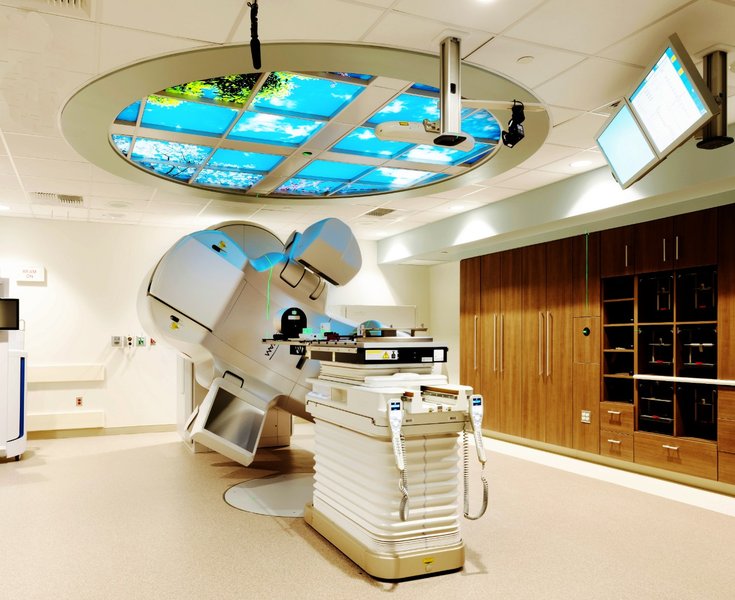
A modern LINAC treatment room, showcasing the advanced technology used in cancer care.
Comparing Radiotherapy Modalities: A Visual Analysis
Different LINAC-based radiotherapy techniques offer varying advantages depending on the specific cancer type, location, and patient needs. The radar chart below provides an opinionated comparison of several common modalities across key performance indicators. This helps illustrate how clinicians choose the most appropriate technique.
This chart visually represents general trends: for example, SRS/SBRT excels in precision and dose escalation for small targets, while VMAT offers excellent conformity and speed for more complex volumes. Conventional External Beam Radiation Therapy (EBRT) is generally less conformal than the more advanced techniques but can be suitable for certain palliative treatments or simpler cases. IMRT provides high conformity but might have longer treatment times than VMAT.
The Patient's Journey: Treatment Planning and Delivery
The use of a LINAC for radiotherapy is a carefully orchestrated process involving a multidisciplinary team of healthcare professionals and meticulous planning to ensure optimal treatment for each patient.
The Multidisciplinary Team and Treatment Planning
Before any radiation is delivered, a detailed treatment plan is created. This involves:
- Radiation Oncologist: A doctor specializing in treating cancer with radiation. They determine if radiotherapy is appropriate, prescribe the radiation dose, and define the target volume (tumor) and critical normal structures to be avoided.
- Medical Physicist: Ensures the LINAC and treatment planning systems are working correctly and safely. They oversee the technical aspects of treatment planning and delivery, including quality assurance.
- Dosimetrist: Works closely with the radiation oncologist and medical physicist to design the treatment plan. Using specialized software, they calculate the radiation dose distribution and determine the optimal beam angles, shapes, and intensities to achieve the prescribed dose to the tumor while sparing healthy tissues.
- Radiation Therapists: Highly trained professionals who operate the LINAC and administer the daily radiation treatments to the patient. They are responsible for accurately positioning the patient, performing imaging checks, and delivering the radiation as per the plan.
The Treatment Session
A typical LINAC treatment session might last between 15 to 30 minutes, with the actual radiation delivery ("beam-on time") lasting only a few minutes. During the session:
- The patient is carefully positioned on the treatment couch, often using custom immobilization devices (like masks or molds) to ensure they remain still and in the exact same position for each treatment.
- Image guidance (IGRT) is performed to verify the tumor's position relative to the LINAC. Adjustments to the couch position are made if necessary.
- The radiation therapists leave the treatment room and operate the LINAC from an adjacent control room. They monitor the patient through video cameras and maintain audio contact.
- The LINAC gantry rotates around the patient (or remains stationary, depending on the technique), delivering the shaped radiation beams from the planned angles. The patient will not feel the radiation.
- The machine makes buzzing or clicking sounds during operation, which is normal.
Visualizing LINAC Operation
To further understand the intricate workings of a Linear Accelerator, the following video provides a detailed visual explanation of its components and how they collaborate to deliver precise radiation therapy. This animation helps demystify the technology behind modern cancer treatment.
This video from Elekta illustrates the internal mechanisms of a LINAC, showing electron acceleration, X-ray generation, and beam shaping. It highlights how these processes enable the delivery of targeted radiation therapy.
Safety First: Ensuring Secure and Effective Treatment
Given the high energies involved, safety is a paramount concern in the design and operation of LINACs and radiotherapy facilities.
Shielding and Monitoring
LINACs are housed in specially constructed rooms with thick concrete walls, often lined with lead or other high-density materials. This shielding ensures that radiation is contained within the treatment room, protecting staff and the general public outside. Radiation therapists operate the machine from a control room located outside the treatment vault, monitoring the patient continuously via closed-circuit television and intercom systems. Numerous safety interlocks are built into the LINAC to prevent accidental radiation exposure or incorrect treatment delivery. For instance, the machine will not operate if the treatment room door is open or if critical parameters deviate from the prescribed plan.
Non-Radioactive When Off
An important safety feature of LINACs is that they only produce radiation when they are electrically powered on and actively accelerating electrons. Unlike radioactive isotopes (such as those used in some other forms of radiotherapy or nuclear medicine), a LINAC does not contain any radioactive material itself. When the machine is switched off, it emits no radiation, making it safe for staff to enter the treatment room immediately after treatment delivery to assist the patient.
Regular quality assurance (QA) checks are performed by medical physicists to ensure the LINAC is functioning correctly and delivering the accurate dose of radiation as planned. These comprehensive QA programs are vital for maintaining the safety and effectiveness of radiation treatments.
Frequently Asked Questions (FAQ)
What is a Linear Accelerator (LINAC)?
A Linear Accelerator (LINAC) is a medical device used primarily for external beam radiation therapy to treat cancer. It uses high-frequency electromagnetic waves to accelerate charged particles like electrons to high energies. These high-energy electrons can either be used directly to treat superficial tumors or can be made to strike a heavy metal target to produce high-energy X-rays for treating deeper-seated tumors.
How does a LINAC target only the tumor?
LINACs use several mechanisms for precise targeting:
- Multi-Leaf Collimators (MLCs): These computer-controlled leaves shape the radiation beam to conform to the tumor's outline from any angle.
- Image-Guided Radiation Therapy (IGRT): On-board imaging systems (X-ray, CT) take pictures of the tumor just before or during treatment to ensure accurate alignment.
- Treatment Planning: Sophisticated software creates a 3D plan, mapping the tumor and nearby healthy organs, allowing beams to be directed from multiple angles to concentrate the dose on the tumor.
- Immobilization Devices: Custom masks, molds, or cushions help keep the patient perfectly still and in the correct position during treatment.
Is LINAC treatment painful?
No, the radiation delivery itself is painless, much like getting an X-ray. Patients do not see or feel the radiation. However, some patients may experience side effects from the radiation over the course of treatment, which depend on the area being treated and the total dose received. These side effects are managed by the oncology team.
How long does a typical LINAC treatment session last?
While the actual radiation delivery ("beam-on time") may only be a few minutes, a typical appointment slot is around 15 to 30 minutes. This includes time for changing clothes (if necessary), positioning the patient on the treatment table, performing imaging checks (IGRT), and delivering the treatment. Advanced techniques like VMAT can shorten the beam-on time significantly.
Are LINACs safe? What about radiation exposure?
LINACs are designed with multiple safety features. They are housed in heavily shielded rooms to prevent radiation from escaping. The machines only produce radiation when turned on for treatment and are not radioactive when switched off. Radiation therapists operate the machine from outside the room, and numerous safety interlocks prevent accidental exposure. The goal of radiotherapy is to deliver a therapeutic dose of radiation to the tumor while minimizing exposure to healthy tissues, and modern LINACs are very effective at this.
Recommended Further Exploration
- Explore the nuanced differences and specific applications of advanced radiotherapy techniques like IMRT, VMAT, and SBRT.
- Discover how the integration of MRI with Linear Accelerators is revolutionizing real-time tumor tracking and adaptive radiotherapy.
- Learn about the crucial contributions of medical physicists in the calibration, quality assurance, and safe operation of LINACs.
- Understand the potential side effects associated with radiation therapy and the strategies used to mitigate and manage them.
References
Last updated May 15, 2025