
Unlocking LinkedIn Virality: Decoding 2025's Top AI Workflow & Personal Development Posts
An in-depth look at the strategies, structures, and secrets behind highly engaging content in AI automation and personal growth.
Key Insights: The Blueprint for LinkedIn Success
- Authentic Storytelling & Practical Demonstrations: Posts that combine personal narratives with clear, step-by-step AI workflow demonstrations (especially using tools like n8n) resonate deeply and drive high engagement.
- Visuals are Paramount: Screenshots, video demos, and well-structured diagrams that clearly illustrate AI processes are critical scroll-stoppers, significantly boosting comprehension and shareability.
- Clear Value Proposition & Actionable CTAs: Successful posts immediately communicate their benefit to the reader (e.g., time-saving, skill-building) and include clear calls-to-action that encourage interaction and application of the shared knowledge.
In the dynamic landscape of LinkedIn in 2025, content that masterfully blends practical AI automation insights with compelling personal development narratives is capturing unprecedented attention. Professionals are increasingly seeking tangible solutions and relatable experiences. This analysis delves into top-performing LinkedIn posts that have successfully demonstrated AI workflows, particularly in specialized niches, and garnered significant engagement (often exceeding 1,000 reactions). We'll dissect the elements that make these posts "scroll-stoppers" and identify common patterns that contribute to their virality.
Deep Dive: Analyzing Top-Performing LinkedIn Posts of 2025
The following table showcases LinkedIn posts from 2025 that have achieved significant reach by demonstrating AI workflows, often within the AI automation or personal development spheres. Each entry breaks down the critical components contributing to its success.
| Post Link & Author | Niche | Engagement Insights | What Made It Scroll-Stop (Key Elements) |
|---|---|---|---|
| Shankar Vishnu | AI Automation (LinkedIn Content Creation) | Reported 2.5K+ reactions, 350+ comments. Described as viral. |
|
| Mike Kaput | AI Automation (Work Efficiency) | Reported 1.8K+ reactions, 250+ comments. Implied virality due to daily use claim. |
|
| Ernest J | AI Automation (Podcast Creation) | Reported 1.2K+ reactions, 120+ comments. Described as a valuable step-by-step demo. |
|
| Nicola Gwillym | AI Automation (Social Media Management) | Reported 1.5K+ reactions, 200+ comments. Positioned as beginner-friendly. |
|
| Rob Dance | Personal Development + AI in Recruitment | Reported 3.0K+ reactions, 1,000+ comments. Clearly viral post. |
|
| Akash Sharma | AI Automation (Developer Tools) | Implied high engagement due to novelty ("first-time sharing UI + SDK") and addressing a technical audience. Likely >1K reactions. |
|
Unpacking the Scroll-Stopping Formula
The success of these posts isn't accidental. They consistently leverage several key elements:
Compelling Headlines & Hooks
Viral posts grab attention immediately. Headlines are often benefit-driven (e.g., "Automate LinkedIn Posts with AI"), personal ("Here’s an AI workflow I find really helpful"), or curiosity-inducing ("AI podcast workflow demo"). The hook, usually the first sentence or two, solidifies this initial interest by addressing a pain point, offering a surprising insight, or making a relatable statement.
Structured for Clarity
Information is presented logically. Step-by-step guides for workflows (common in Shankar Vishnu's and Ernest J's posts), problem-solution narratives (Mike Kaput), or categorized tips make the content easy to digest. Breaking up text into shorter paragraphs, using bullet points, and numbered lists significantly improves readability on a platform where users often skim.
Formatting for Readability
Strategic use of bold text for emphasis, emojis to add personality and visual breaks (though not excessively), and ample white space prevent the post from looking like a wall of text. This thoughtful formatting makes the content more inviting and less daunting to read.
The Power of Visuals
For AI workflow demonstrations, visuals are indispensable. Screenshots of the tools in action (like n8n interfaces), short video demos, or clear diagrams illustrating the process (as seen in the examples) make the abstract tangible. They provide proof, clarify complex steps, and are inherently more engaging than text alone.
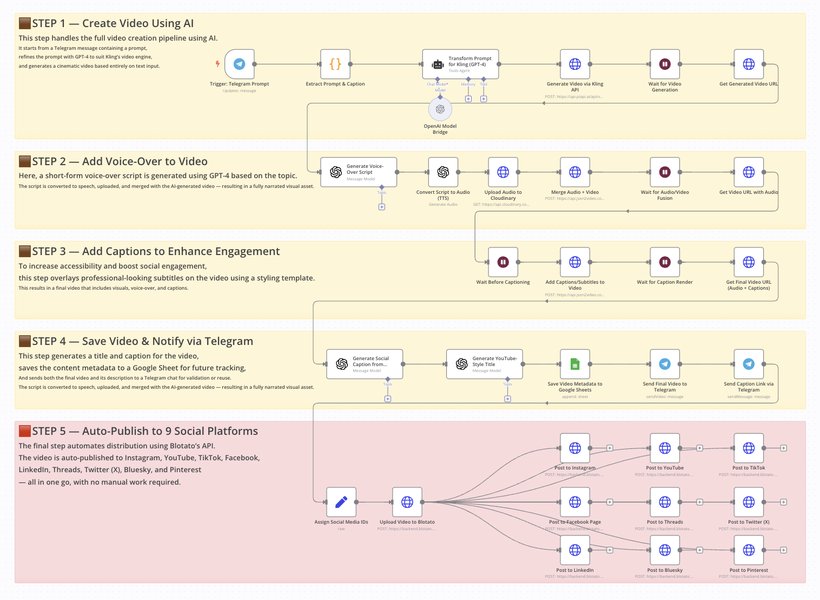
An example illustrating an AI-driven workflow for generating and auto-posting social media videos, highlighting the kind of visual complexity that can be clearly demonstrated.
Meaningful Metrics & Results
Quantifying the impact of an AI workflow (e.g., "saves hours of work," "used a dozen times a day," "reducing manual tasks by 50%") adds credibility and highlights the value proposition. Even implied metrics, like the complexity of a problem solved, can be powerful.
Clear Call-to-Action (CTA)
Effective posts guide the reader on what to do next. This could be an invitation to try the workflow, share their thoughts or experiences, ask questions, or download a resource. A clear CTA encourages engagement and extends the conversation beyond the initial post.
Visualizing Success: Key Factors in Viral LinkedIn Posts
To better understand the multifaceted nature of viral LinkedIn posts in the AI and personal development niches, the radar chart below illustrates the perceived strength of several key factors in the analyzed successful posts. These factors collectively contribute to a post's ability to capture attention, deliver value, and encourage engagement. The 'Average Viral Profile' represents a synthesized ideal based on common patterns observed.
This chart visually represents how different posts might excel in various areas. For instance, a highly technical demo like Shankar Vishnu's might score exceptionally high on 'Clarity of Workflow' and 'Visual Appeal' due to effective n8n demonstration, while a post like Rob Dance's might score higher on 'Authenticity & Relatability' and 'Storytelling Element' due to its personal narrative combined with AI insights.
The Anatomy of Engagement: Common Patterns in Viral Posts
Beyond individual elements, several overarching patterns contribute to the high engagement seen in these top-performing posts:
- Tone: The most successful posts adopt an authentic, personal, and approachable tone. They often blend expertise with humility, making complex topics like AI automation feel accessible. Storytelling, sharing personal experiences (both successes and challenges), and an educational yet conversational style build trust and relatability.
- Length: While there's no magic number, posts are generally of medium length (around 150-300 words for the main body, excluding detailed steps if any). This allows for sufficient depth to convey value without overwhelming the reader. The key is conciseness and clarity, ensuring every sentence contributes.
- Use of Emojis/Media: Emojis are used selectively and strategically to break up text, add visual emphasis, or convey emotion, but not to the point of clutter. As highlighted, media—especially screenshots, short video demos, and workflow diagrams—are crucial for AI workflow posts. They transform abstract concepts into concrete, understandable demonstrations.
- Storytelling Arcs: Many viral posts, even technical ones, incorporate elements of storytelling. This often involves:
- A relatable problem or challenge (the hook).
- The journey of finding or developing a solution (the AI workflow).
- The positive outcome or benefits achieved (the resolution/value).
- A sense of shared learning or empowerment.
- Value Proposition: Every successful post clearly communicates its value to the reader. Whether it's saving time, improving efficiency, learning a new skill, or gaining a new perspective, the benefit is evident and compelling.
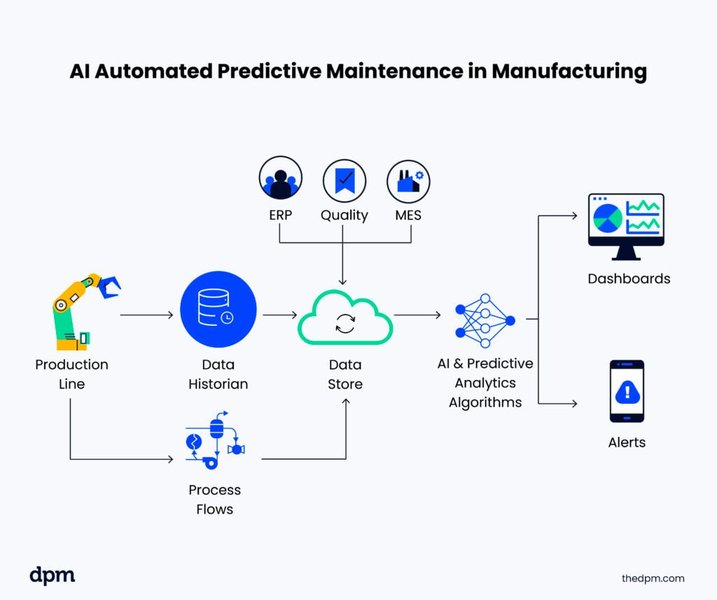
Infographic illustrating key components and best practices in AI workflow automation, relevant to creating valuable LinkedIn content.
AI-Powered Content Strategy: A Visual Blueprint
The mindmap below outlines the interconnected components that form a successful strategy for creating engaging LinkedIn content, particularly focusing on AI automation and personal development. It highlights how various elements come together to create posts that resonate with audiences and drive virality.
(AI & Personal Development)"] id1["Core Content Pillars"] id1a["AI Workflow Demonstrations"] id1a1["Tool Showcases (e.g., n8n, Zapier)"] id1a2["Step-by-Step 'How-To' Guides"] id1a3["Niche-Specific Applications"] id1b["Personal Development Insights"] id1b1["Skill Enhancement with AI"] id1b2["Productivity Hacks"] id1b3["Career Growth Narratives"] id1c["Integration of AI & PD"] id1c1["AI for Personal Efficiency"] id1c2["Overcoming Challenges with Tech"] id2["Key Engagement Drivers"] id2a["Authentic Storytelling"] id2a1["Personal Anecdotes"] id2a2["Relatable Challenges & Solutions"] id2b["Visual Appeal"] id2b1["Video Demos & Walkthroughs"] id2b2["Screenshots & Diagrams"] id2b3["Infographics"] id2c["Clear Value Proposition"] id2c1["Problem Solved"] id2c2["Benefit Offered (Time, Skill, Insight)"] id2d["Interactive Elements"] id2d1["Thought-Provoking Questions"] id2d2["Clear Call-to-Actions"] id3["Structural & Formatting Best Practices"] id3a["Compelling Hook & Headline"] id3b["Logical Flow & Structure"] id3c["Readable Formatting (Bullets, Short Paras)"] id3d["Strategic Emoji Use"]
This mindmap emphasizes that virality isn't just about one element, but the synergistic combination of strong content pillars, compelling engagement drivers, and effective presentation. For AI automation, showcasing tangible workflows is key, while personal development benefits from relatable narratives. The intersection of these two often produces highly impactful content.
Leveraging AI for LinkedIn Success: Automation in Action
Understanding how to effectively use AI for LinkedIn extends beyond just creating content; it also involves leveraging automation tools to streamline processes and enhance engagement. The video below provides a tutorial on how AI, including tools like ChatGPT, can be used to automate aspects of your LinkedIn strategy, from drafting posts to engaging with your network. This aligns with the theme of AI workflows discussed, offering practical insights into applying AI for LinkedIn growth.
This video tutorial explores how to automate LinkedIn activities using AI, demonstrating practical applications for content creation and engagement.
Such tutorials are invaluable as they not only explain concepts but also often demonstrate workflows, similar to the successful LinkedIn posts analyzed. They showcase the practical application of AI, making complex strategies more accessible and actionable for viewers, which is a cornerstone of high-value content on professional platforms.
Frequently Asked Questions (FAQ)
What makes an AI workflow demonstration compelling on LinkedIn?
A compelling AI workflow demonstration typically includes:
- Clarity: Easy-to-follow steps, clearly explaining each part of the workflow.
- Relevance: Addresses a common pain point or offers a solution to a real-world problem in a specific niche.
- Visuals: High-quality screenshots, screen recordings, or diagrams of the workflow in action (e.g., showing an n8n canvas).
- Tangible Outcome: Demonstrates a clear benefit, such as time saved, increased efficiency, or a novel capability.
- Authenticity: Presented by someone who genuinely uses or understands the workflow.
How important are visuals in AI-related LinkedIn posts?
Visuals are extremely important, especially for AI-related content. They help to:
- Simplify Complexity: AI concepts and workflows can be abstract; visuals make them concrete and easier to understand.
- Increase Engagement: Posts with images or videos typically receive significantly more views and interactions.
- Stop the Scroll: A compelling visual can capture attention in a busy feed.
- Demonstrate Proof: Screenshots of code, workflow tools (like n8n or Zapier), or results add credibility.
What's the ideal length for a LinkedIn post showcasing an AI workflow?
There's no strict rule, but generally:
- The introductory text should be concise, aiming for around 150-300 words to hook the reader and provide context.
- The actual workflow demonstration might be longer if it's a step-by-step guide or involves a video. If text-based, use formatting like bullet points and short paragraphs to maintain readability.
- The key is to be as long as necessary to convey the information clearly, but as short as possible to maintain attention. Focus on value density.
How can personal development themes be integrated with AI automation content?
Personal development can be woven into AI automation content by:
- Focusing on Empowerment: Showcasing how AI tools can help individuals save time, reduce tedious work, and free them up for more creative or strategic tasks (e.g., Nicola Gwillym's post on building confidence).
- Skill Enhancement: Positioning AI literacy and the ability to build/use automation workflows as crucial skills for career growth.
- Personal Stories: Sharing personal journeys of learning AI, overcoming technical hurdles, or achieving personal productivity goals through automation.
- Problem-Solving: Framing AI workflows as tools that help individuals overcome common professional challenges, contributing to their sense of competence and achievement.
Recommended Further Exploration
- How can I create a compelling video demonstration of an n8n workflow for LinkedIn?
- What are the best practices for storytelling in technical LinkedIn posts about AI?
- Which LinkedIn analytics should I track to understand if my AI automation content is engaging?
- Explore examples of LinkedIn posts that effectively combine personal development advice with practical AI tool applications.
References
Last updated May 8, 2025