
Purpose of a Load Flow Study in Industrial Electrical Systems
Understanding the Critical Role in Ensuring System Efficiency and Safety
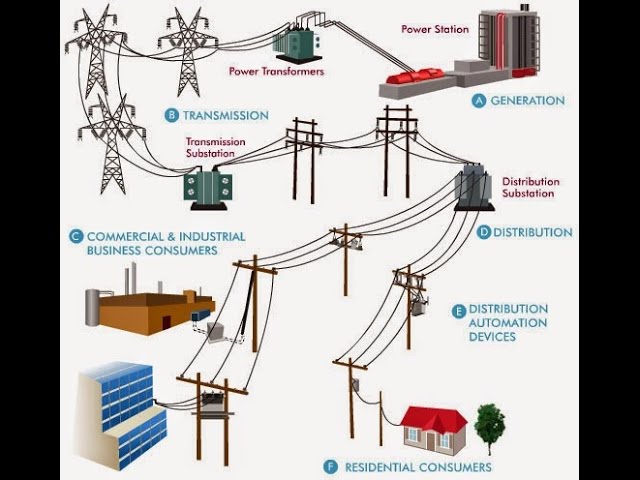
Key Highlights
- Safety and Reliability Evaluation – Ensuring system components are not overloaded and voltage levels remain within safe operational limits.
- Optimization of Power Distribution – Analyzing real and reactive power flows to minimize losses and optimize equipment settings.
- Planning and Future Expansion – Supporting decision-making for system upgrades, maintenance, and future growth requirements.
Introduction to Load Flow Studies
In electrical engineering, a load flow study, often referred to as a power flow analysis, is a numerically intensive procedure that simulates the steady-state operation of an industrial electrical power system. This process provides a detailed understanding of voltage and current distribution, identifies potential areas of inefficiency, and evaluates system performance under various operating conditions. Performing such a study is essential for ensuring the reliability, safety, and efficiency of electrical networks in an industrial setting.
Primary Objectives and Benefits
Evaluation of Steady-State Operating Characteristics
A load flow study primarily involves determining the steady-state operating characteristics of an electrical system. This includes calculating voltage magnitudes, voltage angles, and the flow of both real (active) and reactive power across the network. By capturing these parameters, engineers can establish how power is distributed in the system during normal conditions. Understanding these flows is crucial as it helps in:
- Ensuring that no components are operating beyond their design limits.
- Maintaining voltage levels within acceptable tolerances to prevent damage to equipment.
- Identifying areas where power losses are significant, leading to a more efficient overall system design.
System Safety and Reliability
One of the most critical aspects of a load flow study is its contribution to system safety. In an industrial environment, a failure in the electrical system can result in costly downtime and potential hazards. The study helps in:
- Identifying equipment overloads, which can lead to overheating and failure.
- Preventing voltage violations, ensuring that voltage does not exceed or drop below safe limits.
- Detecting potential bottlenecks where excessive flow might compromise the system’s integrity.
Optimization and Efficiency Enhancement
Load flow studies allow for the meticulous analysis of how power is transmitted through the network. By understanding the flow of both real and reactive power, engineers can optimize the system design and operation. Optimization efforts include:
- Minimizing power losses by identifying high-loss areas and implementing efficient power distribution measures.
- Setting optimally adjusted transformer tap positions and generator voltage set points.
- Achieving improved overall system efficiency which directly reduces operational costs.
Capacity Assessment and Equipment Sizing
A load flow study is instrumental during the design and planning stages of industrial power systems. It helps in assessing whether the system can supply the connected load while maintaining proper voltage and current levels. Furthermore, it guides engineers in:
- Determining appropriate equipment sizing, ensuring that transformers, cables, and other components are adequately rated for the expected load.
- Establishing suitable operational limits for various devices through detailed power flow analysis.
- Ensuring compatibility and safe integration of new components or expansions into the existing setup.
Planning for Future Expansion and Upgrades
Industrial environments are often subject to growth and evolving load requirements. A load flow study provides a critical baseline for planning future system expansion or upgrades. This strategic insight is valuable for:
- Evaluating whether the current system can accommodate increased demand over time.
- Identifying infrastructural changes required prior to adding new loads.
- Planning and budgeting for future investments in power system infrastructure.
Comprehensive Analysis and Methodology
Numerical Modeling and Simulation
A load flow study utilizes sophisticated numerical algorithms to simulate electrical systems under steady-state conditions. Engineers create detailed models of industrial sites that include all significant electrical equipment such as generators, transformers, transmission lines, and loads. These models are then analyzed using simulations that solve a series of nonlinear algebraic equations based on Kirchhoff’s laws and other electrical engineering principles.
Real and Reactive Power Distribution
The study segregates power into two primary components:
- Real Power (MW): This component represents the actual power that performs work in the system.
- Reactive Power (MVAR): This component is necessary for maintaining voltage levels and supporting the transfer of real power through the system.
Monitoring and optimizing the balance between these two is critical because an imbalance can lead to inefficient operation or potential voltage instability.
Voltage Profiles and Equipment Performance
Voltage profile analysis is a significant outcome of load flow studies. This involves calculating the voltage levels at various nodes (or buses) in the electrical network. Maintaining voltage levels within prescribed limits is essential to avoid the degradation of sensitive industrial equipment. Additionally, the study provides:
- A detailed assessment of voltage angles, which helps in understanding phase relationships across the network.
- Insights into how the load distribution affects system performance, especially under varying load conditions.
System Component Assessment
Each component of the electrical system, from transformers to cables, is evaluated based on its contribution to overall system performance. The load flow study quantifies how well individual components are performing and whether they are operating at capacity or beyond their rated limits. This includes:
- Analyzing potential bottlenecks where the excessive load might lead to future failures.
- Ensuring that equipment sizing aligns with actual system demands.
- Proactively identifying components that may require replacement or upgrade to improve reliability.
Practical Implementation on Industrial Sites
Steps in Conducting a Load Flow Study
Implementing a load flow study in an industrial setting involves several systematic steps:
Data Collection
The process begins with comprehensive data collection. This includes gathering detailed information on all system components such as generation capacities, transformer ratings, load profiles, cable data, and network topology. Accurate data is fundamental to creating reliable simulation models.
Mathematical Modeling
Once data is collected, engineers develop a mathematical model representing the entire electrical network. This model encapsulates the relationships dictated by electrical laws, allowing engineers to simulate various operating conditions and predict power flows.
Simulation and Analysis
Using advanced simulation software, the mathematical model is analyzed under steady-state conditions. These simulations provide a detailed view of voltage distributions, power flows, and potential issues like overloads or voltage drops. The results are then examined to identify:
- Component level performance and efficiency.
- Points where upgrades or reconfigurations may be necessary.
- Scenarios under which the current system might fail or require load shedding.
Optimization and Recommendations
Once the analysis is complete, engineers use the findings to optimize the system. This may involve adjusting transformer tap settings, redistributing loads among different circuits, or recommending the installation of additional infrastructure to handle future load increases. Recommendations derived from a load flow study include:
- Improving voltage level consistency across nodes.
- Implementing enhanced load management strategies.
- Strategic upgrades and maintenance scheduling to avoid downtime.
Interpreting Load Flow Study Results
The outcome of a load flow study is an extensive report that details various critical parameters of the power system. To better illustrate these results, consider the following table that summarizes key findings typically reported in a load flow analysis:
| Parameter | Description | Importance |
|---|---|---|
| Voltage Magnitudes | Levels at various nodes in the system | Ensures voltage remains within safe operational limits |
| Voltage Angles | Phase differences between nodes | Critical for power loss and stability analyses |
| Real Power (MW) | Effective power performing work | Assesses load balance and component loading |
| Reactive Power (MVAR) | Supports voltage regulation | Crucial for maintaining adequate voltage profiles |
| Line Losses | Energy lost during transmission | Optimization target for efficiency improvements |
Key Analytical Insights
The comprehensive data from a load flow study aids in:
- Fine-tuning the system by matching power generation with demand.
- Mitigating risks related to equipment overloads.
- Designing preventive maintenance strategies by identifying stress points within the system.
Additionally, these studies often form the foundation for other analyses such as short-circuit study, stability analysis, and harmonic study, which collectively ensure the robustness of the industrial power system.
Advanced Considerations in Load Flow Studies
Integration with Other System Analyses
Load flow studies are frequently interconnected with other types of analyses conducted in industrial power systems. For instance:
- Short-Circuit Analysis: Evaluates the prospective fault currents, helping design protective relaying schemes.
- Stability Studies: Checks the resilience of the system against disturbances and transient events.
- Harmonic Analysis: Assesses the distortion in voltage and current waveforms, which can affect sensitive equipment.
Standards and Compliance
Conducting load flow studies in industrial environments often involves adherence to established standards, ensuring consistency and reliability of the analysis. Many studies follow guidelines and standards set by prominent industry organizations, which:
- Guarantee that the study outcomes are comparable and traceable.
- Ensure that the system complies with national and international safety protocols.
- Provide a benchmark for future assessments and regulatory audits.
Implications for Industrial Site Management
Operational Planning and Maintenance
A load flow study is indispensable for operational planning. With a detailed understanding of power flow dynamics, facility managers can:
- Schedule preventive maintenance to avoid unexpected failures and production losses.
- Plan load shedding and develop contingency plans during peak load conditions.
- Deploy upgrades or redistributions of loads strategically to improve overall reliability.
Economic Considerations
Beyond safety and technical performance, load flow studies also have significant economic implications. Efficient power distribution reduces unnecessary energy losses and thereby lowers operating costs. This, in turn, leads to:
- Cost savings on energy expenses and delayed capital expenditure for system upgrades.
- Improved return on investment by extending the operational life of equipment through optimal usage.
- Better planning for future financial investments in infrastructure enhancements.
Conclusion and Final Thoughts
In summary, the purpose of a load flow study on an industrial site is multifaceted and critically important for the safe, efficient, and reliable operation of the electrical power system. By evaluating the steady-state performance, voltage profiles, and power flows, such studies ensure that equipment remains within operational limits and that the entire network functions optimally under normal conditions. They provide indispensable insights for proactive maintenance, system upgrades, and strategic planning, mitigating risks associated with overloads and voltage instabilities.
Furthermore, load flow studies serve as a foundation for additional power system analyses, thereby playing a central role in the long-term management and evolution of industrial electrical infrastructure. They lead to better-informed decision-making processes that address current operational issues and pave the way for future expansion while minimizing energy losses and maximizing economic benefits.
References
- Load Flow Analysis - ElectricalWise
- Load Flow Study Paper - IJRES
- Load Flow Analysis - NTUA
- Load Flow Analysis - Electrical4U
- Power Flow Study - Wikipedia
Recommended Queries for Further Exploration
Last updated February 25, 2025