
High Quality Lunch Options
Discover a variety of nutrient-rich meals to fuel your day
Key Highlights
- Balanced Nutrition: Meals like salads, bowls, and sandwiches merge proteins, healthy fats, and carbohydrates seamlessly.
- Versatility: Options range from Mediterranean-inspired dishes to international flavors ensuring variety and appeal.
- Ease of Assembly: Many choices can be pre-prepared at home or quickly assembled at work, suited for busy lifestyles.
Comprehensive Lunch Ideas
Choosing a high quality, common food for lunch provides essential nutrients and sustainable energy to power through your afternoon tasks. In crafting a balanced meal, it is essential to consider a blend of macronutrients—carbohydrates for immediate energy, proteins for lasting satiety and muscle repair, and healthy fats to support brain function. Furthermore, including colorful vegetables and fruits contributes vital micronutrients and antioxidants.
Salads for a Fresh and Nutritious Meal
Variety and Customization
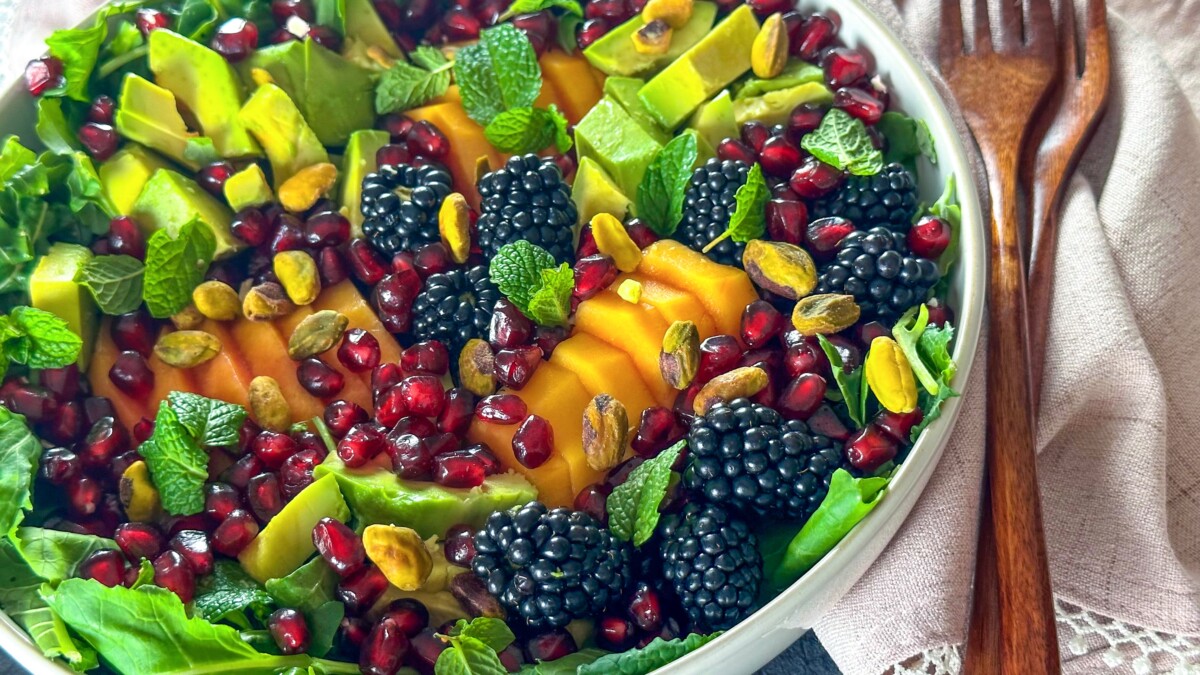
Salads are one of the most adaptable lunch choices you can have. They provide a fresh and crunchy base to which you can add a spectrum of ingredients. For instance, a salad made with mixed greens such as spinach, arugula, and kale can be the foundation. You may supplement these with proteins like grilled chicken, salmon, or plant-based proteins such as chickpeas or tofu. Including healthy fats through avocado or nuts amplifies both flavour and nutrient density.
Popular Salad Options
A classic choice is the Greek salad—featuring tomatoes, cucumbers, red onions, olives, and feta cheese, all dressed lightly in olive oil and red wine vinegar. Alternatively, quinoa or kale salads can be a hearty option when combined with a variety of vegetables, a source of lean protein, and a zesty vinaigrette. Salads can be seasonally varied, ensuring fresh, local produce is integrated into the meal for added flavor and nutrition.
Sandwiches and Wraps: Convenient and Customizable
Bread Choices and Fillers
Sandwiches and wraps are a favorite for many due to their convenience and the opportunity to customize ingredients. Opt for whole-grain or multigrain bread to provide fiber and sustain energy. Filling options include lean proteins such as turkey, grilled chicken, or even a robust vegan alternative like hummus combined with a medley of fresh vegetables. A well-designed sandwich can become a balanced meal on its own, offering a harmonious blend of protein, carbohydrates, and healthy fats.
Examples of Sandwich Variations
Consider a grilled chicken sandwich where the protein is accentuated by the creaminess of avocado and crisp lettuce, or a hearty veggie sandwich filled with vegetables like tomatoes, cucumbers, and bell peppers, enhanced with a layer of hummus or guacamole. Alternatively, a Banh Mi sandwich can offer an exotic twist through its infusion of vibrant herbs, crunchy vegetables, and a tangy dressing. These variations can suit different dietary needs while remaining high-quality in nutritional content.
Grain Bowls and Buddha Bowls: Wholesome and Filling
The Power of Whole Grains
Grain bowls serve as an excellent way to combine various food groups into a single, cohesive dish. The foundation typically consists of grains that are high in fiber and protein—such as quinoa, brown rice, or farro. Once the base is set, you can add an array of vegetables, legumes, and lean proteins like grilled shrimp, tofu, or chicken, along with a drizzle of healthy fats from olive oil or avocado. This meal is not only replenishing but also satisfying, making it ideal for a midday sustenance boost.
Enhancing Variety with International Flavors
For those who enjoy a touch of international flair, Mediterranean bowls, Thai noodle salads, or even a Buddha bowl with a mix of raw and roasted vegetables can provide both flavor and variety. A Mediterranean-inspired bowl might include ingredients like couscous, chickpeas, cucumbers, tomatoes, and olives, all tossed in a refreshing lemon vinaigrette. Such meals often incorporate naturally occurring antioxidants and anti-inflammatory ingredients, creating an ideal meal for both taste and health.
Hearty Soups for a Comforting Option
Nutrient-Rich and Warm
Soups are another high-quality option for lunch, particularly in cooler weather or when seeking a comforting, warm meal. Nutrient-rich soups such as lentil soup, tomato basil soup, or even chicken vegetable soup can be filling and satisfying while providing a balance of macronutrients and micronutrients. When crafting a soup, it is vital to control the sodium content—a common issue with commercially prepared soups—by either making them at home or selecting low-sodium versions from trusted sources.
Combination with Whole Grains or Bread
To craft a full meal, soups can be paired with whole grain bread or a side salad. For instance, a hearty lentil soup, rich in protein and fiber, can be paired with a slice of whole grain toast or a small green salad to round out the meal. This pairing ensures you not only enjoy a warm, flavorful dish but also cover many dietary needs in one sitting.
Pasta and Other Sides: Quick Yet Nutritious
Pesto Pasta and Vegan Alternatives
Pasta dishes need not be indulgent but can serve as nutritious lunches when prepared mindfully. A pesto pasta bowl made with wholegrain pasta, fresh basil, sun-dried tomatoes, and grilled chicken, for instance, can be both delicious and energizing. For vegan or vegetarian options, a pasta salad mixed with roasted vegetables, olives, and artichokes with a light vinaigrette provides both flavor and substantial nutrients. The key is ensuring that the grain is a whole grain and the sauce is made with healthful ingredients.
Protein-Packed Variations
Protein is a crucial component of any lunch, and pairing pasta with sources like grilled fish or plant-based proteins can help maintain steady energy levels without the post-lunch slump. Including vegetables and greens in your pasta dishes adds both fiber and essential vitamins, making the meal both delightful and balanced.
Smoothies: For a Quick and Portable Lunch
Rapid Preparation With Sustained Energy
Smoothies, though often considered as a snack or a breakfast option, can be transformed into a nutrient-dense lunch. Combining leafy greens like spinach or kale with fruits such as bananas and berries, plus an added scoop of protein powder or nut butter, creates a balanced smoothie that is both filling and convenient for those on the go. This fluid meal option can be especially appealing for busy professionals or students needing a quick yet wholesome meal without sacrificing nutritional value.
Ensuring Nutrient Completeness
To ensure your smoothie is balanced, include a combination of macro and micronutrients. One recipe might involve blending spinach, a banana, almond milk, a handful of frozen berries, protein powder, and a spoon of chia seeds. The fiber from the fruits and greens combined with the protein and omega-3 fatty acids present in chia seeds renders this option both satiating and beneficial for digestion, making it ideal for mid-day sustenance.
A Comprehensive Table of Lunch Options
| Meal Type | Main Ingredients | Nutritional Benefits | Example Variants |
|---|---|---|---|
| Salads | Mixed greens, vegetables, proteins (chicken, tofu, chickpeas), healthy fats (avocado, nuts) | High in fiber, vitamins, antioxidants | Greek Salad, Quinoa Salad, Kale Salad |
| Sandwiches/Wraps | Whole grain bread/wraps, lean proteins (turkey, grilled chicken), vegetables, spreads | Balanced mix of protein, carbohydrates, fats | Chicken Pesto Sandwich, Veggie Sandwich, Banh Mi |
| Grain/Buddha Bowls | Whole grains (quinoa, brown rice), assorted vegetables, protein toppings, vinaigrette | Rich in complex carbs, protein, fiber | Mediterranean Bowl, Thai Noodle Salad |
| Soups | Vegetables, legumes, lean meats, broth-based or pureed | Hydrating, warm, nourishing, low-calorie option | Lentil Soup, Tomato Soup, Chicken Vegetable Soup |
| Pasta Dishes | Whole grain pasta, vegetables, protein sources, healthy sauces | Provides energy through carbohydrates and proteins | Pesto Pasta, Vegan Pasta Salad |
| Smoothies | Leafy greens, fruits, protein powder or nut butters, seeds | Portable, nutrient-dense, fiber-rich | Spinach-Banana Smoothie, Berry Protein Smoothie |
Additional Factors for a High-Quality Lunch
When planning your lunch, several considerations can elevate a common meal into a high-quality, nourishing option. Ensuring that ingredients are minimally processed, fresh, and locally sourced where possible plays a vital role in both taste and nutritional value. For example, selecting organic vegetables or grass-fed proteins can enhance the overall quality of your meal. Additionally, the method of preparation matters. Grilling, steaming, or lightly sautéing preserve the nutrients better than heavy frying or cooking in too much oil.
Seasonality and Freshness
Utilizing Seasonal Produce
Building your lunch around seasonal produce not only supports local agriculture but also guarantees that your ingredients are at their peak flavor and nutritional profile. For instance, in spring, you might enjoy a salad featuring fresh strawberries, spinach, and a light vinaigrette. In the fall, hearty soups with root vegetables or grain bowls topped with roasted squash and cranberries can dominate your menu. Seasonal eating not only diversifies your nutrient intake but also reduces the carbon footprint of your food choices.
Meal Prep and Efficiency
Batch Cooking and Meal Preparation
If you find yourself limited in time during the weekdays, consider batch-cooking portions of proteins, grains, and even vegetable mixes during the weekend. This can allow you to rapidly assemble a diverse colored, balanced lunch at work or home throughout the week. Batch cooking also minimizes reliance on processed foods and supports better portion control, ensuring that every meal is consistent in quality and nutrition.
Balanced Portions and Variety
It remains essential to keep variety in your diet. Rotate between salads, sandwiches, bowls, and soups so that you capture a wide range of vitamins, minerals, and antioxidants over time. A thoughtful blend of these meals not only combats dietary monotony but also supports different aspects of health, including improved digestion, enhanced metabolism, and robust energy levels. For example, one day you might enjoy a protein-rich chicken burrito bowl followed by a lighter, fruit-enhanced salad the next day.
Customizing to Dietary Preferences
Flexibility for Various Dietary Needs
Your lunch does not need to adhere to one rigid formula. For individuals following vegetarian, vegan, or gluten-free diets, there are plenty of high-quality alternatives available. Vegan bowls with an assortment of beans, lentils, and starchy vegetables paired with nutrient-rich greens can be just as satisfying as their animal-based counterparts. Gluten-free options might include rice-based wraps or salads using quinoa as the primary grain. The flexibility of these recipes ensures that anyone can adjust them to maintain a healthy, balanced lunch.
Incorporating Superfoods
Superfoods like kale, blueberries, avocado, and chia seeds can further augment the nutritional quality of your lunch. Integrating these into your salads, bowls, or smoothies can offer additional antioxidants, vitamins, and essential fatty acids. These ingredients are not only known for their health benefits but also for their ability to enhance the flavor profile of your meals, making them both nourishing and enjoyable.
Practical Implementation Tips
To ensure that you consistently enjoy high-quality lunches, consider these practical steps:
Plan Ahead
Weekly Meal Planning
Invest time in planning your lunch options for the week ahead. Create a menu that rotates amongst different categories—salads, sandwiches, bowls, soups—to cover all your nutritional bases. This dynamic planning ensures that you always have a well-thought-out meal solution ready to go, reducing the chances of resorting to less nutritious choices when time is tight.
Shopping and Ingredient Selection
Choosing Quality Over Quantity
When purchasing ingredients, emphasize quality. Select fresh, in-season produce and lean proteins, and always scrutinize ingredient lists if buying packaged products. Prioritize items that are free from excessive additives or preservatives. This proactive approach in the grocery store will pay dividends in the form of a higher nutritional value and better taste in your final meal constructions.
Cooking Techniques
Healthy Cooking Methods
Utilize cooking methods that preserve nutrients and enhance flavor. Methods such as grilling, steaming, or even baking in a low-fat environment help maintain the natural taste and nutritional integrity of ingredients. Avoid heavy frying or excessive use of oils to keep your meal light, balanced, and healthy. For instance, lightly sautéed vegetables retain their crunchy texture and vibrant flavor, making them a perfect addition to sandwiches and salads alike.
By employing these ideas and strategies, you can easily create high quality, balanced, and appetizing lunches that cater to both your dietary needs and taste preferences. Whether you prioritize quick assembly with smoothies and wraps, or you relish the preparation of a well-crafted salad or grain bowl, there are numerous ways to ensure your mid-day meal is both nourishing and enjoyable.
References
- Healthiest Lunches According to Dietitians - Eat This, Not That!
- Lunch Ideas - Real Simple
- Healthy Lunch Ideas - Love & Lemons
- Healthy Packed Lunches - Delish
- High Protein Foods - Healthline
Recommended Related Queries
Last updated March 17, 2025