
Ugandan Suitable Simple PCVD Lunch for a Sedentary Worker
A practical and balanced Ugandan meal plan with detailed planning sheets
Essential Insights
- Nutritional Balance: Focus on whole grains, lean proteins, and a variety of fresh vegetables to promote heart health and meet the requirements of a low-activity lifestyle.
- Local Ugandan Flavors: Incorporate traditional ingredients such as posho, matooke, and sukuma wiki while using modern cooking techniques to prepare nutritious meal options.
- Structured Planning: Use detailed weekly meal and grocery planning sheets to streamline meal preparation and ensure dietary variety throughout the week.
Overview of PCVD and Nutritional Considerations
The PCVD (Plant-based, Cardiovascular Disease prevention) lunch is specifically designed for a sedentary worker in Uganda, where energy expenditure is lower and maintaining a balanced diet is crucial for preventing non-communicable diseases such as heart problems. This lunch emphasizes the use of local ingredients and culinary traditions while ensuring that each meal contributes beneficial nutrients in appropriate portion sizes.
Nutritional Framework
Sedentary lifestyles require fewer calories while simultaneously ensuring enough micronutrients, vitamins, and fiber to support cardiovascular health. The PCVD lunch plan focuses on several key nutritional aspects:
Key Nutritional Components
Carbohydrates: The plan utilizes low-glycemic index carbohydrates such as posho (maize porridge), sweet potatoes, and whole grain alternatives, which provide energy without causing spikes in blood glucose levels.
Proteins: Lean sources like chicken, beans, and fish are incorporated to promote muscle maintenance and repair while supplying essential amino acids. For plant-based options, lentils and a variety of beans serve as excellent protein sources.
Vegetables: A range of colorful vegetables including sukuma wiki (collard greens), tomatoes, onions, and carrots, are utilized to ensure the intake of vital vitamins, minerals, and antioxidants. These vegetables not only support cardiovascular health but also add vibrant flavors and textures.
Fats: Healthy fats from olive oil, avocado, and minimal additional oil are used for cooking. This helps in nutrient absorption while keeping the meals relatively low in harmful saturated fats.
Local Ugandan Culinary Elements
Ugandan cuisine offers a vibrant array of flavors and textures that can be seamlessly merged with a health-conscious meal plan. Traditional dishes such as matooke (green bananas), posho, and chapati, often prepared with minimal oil and fresh ingredients, not only celebrate local traditions but also provide ample nutritional benefits.
Examples of Traditional Ugandan Dishes
Katogo: A hearty dish typically prepared with matooke and meat, which can be modified to include more vegetables for a healthier PCVD version.
Posho with Bean Stew: A classic meal combining cornmeal porridge and a protein-rich bean stew, making it both filling and nutritionally balanced.
Chapati with Sukuma Wiki: A combination that brings together fiber from collard greens and carbohydrates from chapati while keeping the meal light on fats.
Detailed PCVD Lunch Plan
Below is an integration of meal ideas that reflect a balanced combination of nutrition and local ingredients. The following elements are provided:
Sample Recipe Options
1. Vegetable Rice with Beans
This dish combines nutrient-filled basmati rice with protein-rich mixed beans and a medley of vegetables like French beans, carrots, tomatoes, and onions. The method involves cooking the rice and beans separately and then sautéing the vegetables in a small amount of oil. Final seasoning with salt and coriander sustains the natural flavors.
2. Matooke with Vegetable Stew
A reimagined version of the traditional matooke dish involves boiling green bananas until tender, mashing them, and pairing them with a hearty vegetable stew. The stew includes cabbage, carrots, and potatoes simmered with tomatoes and onions, enhancing the taste while maintaining heart-healthy ingredients.
3. Chapati with Sukuma Wiki
This dish involves the preparation of chapati made from whole wheat flour, served alongside a vibrant sautéed sukuma wiki. The greens are cooked with onions and tomatoes in a minimal amount of vegetable oil, ensuring that the meal is both nutritious and quick to prepare.
4. Posho with Bean Stew
A straightforward and satisfying option, posho is served with a bean stew. The stew, made with mixed beans, tomatoes, onions, and a hint of spice, offers proteins and fibers, making it an ideal lunch for cardiovascular support.
All these recipe options are designed with a focus on minimizing caloric intake while maximizing nutrient density, ideal for workers whose daily activity is limited.
Planning Sheet 1: Weekly Meal Plan
Effective meal planning is key to ensuring that you consistently follow a balanced diet. The first planning sheet details a weekly lunch plan that rotates through various PCVD options to keep meals exciting and nutritionally balanced.
| Day | Meal Option | Main Ingredients | Preparation Method |
|---|---|---|---|
| Monday | Vegetable Rice with Beans | Basmati rice, mixed beans, French beans, carrots, tomatoes, onions | Cook rice and beans separately; sauté vegetables and mix. |
| Tuesday | Matooke with Vegetable Stew | Green bananas, cabbage, carrots, potatoes, tomatoes, onions | Boil and mash matooke; simmer vegetables in a stew. |
| Wednesday | Chapati with Sukuma Wiki | Whole wheat chapati, collard greens, onions, tomatoes | Prepare chapati; sauté sukuma wiki lightly with minimal oil. |
| Thursday | Posho with Bean Stew | Cornmeal (posho), mixed beans, tomatoes, onions | Prepare posho; make a bean stew with sautéed vegetables. |
| Friday | Sweet Potato and Pumpkin Stir-Fry | Sweet potatoes, pumpkin, onions, tomatoes, optional greens | Sauté all ingredients in oil; serve with a light garnish. |
This meal rotation ensures that the diet is varied enough to cover different nutritional aspects while still aligning with the PCVD requirements.
Planning Sheet 2: Grocery List and Preparation Strategy
An organized approach to shopping and meal preparation helps reduce daily stress and ensures that healthy choices are always within reach. Below is a comprehensive grocery list and a weekly meal preparation strategy designed for the sedentary Ugandan worker.
| Category | Items |
|---|---|
| Grains | Basmati rice, whole wheat flour, cornmeal |
| Proteins | Mixed beans, lentils, lean chicken breast (if non-vegetarian), small portions of lean fish |
| Vegetables | Green bananas (matooke), cabbage, carrots, tomatoes, onions, sukuma wiki, French beans, pumpkin, sweet potatoes |
| Oils & Spices | Olive oil, vegetable oil, salt, coriander |
| Fruits | Mango, banana, pineapple (optional for dessert or snacks) |
| Beverages | Water, unsweetened herbal teas |
Weekly Preparation Strategy:
Prep Days
Designate two prep days, such as Sunday and Wednesday, where larger batches of key meal components (e.g., bean stew, vegetable stew, and cooked grains) are prepared. Store prepared portions in airtight containers for quick assembly during busy workdays.
Cooking and Storage Tips
Utilize a slow cooker or pressure cooker to save time and preserve nutrients in your stews. Label and date storage containers to ensure freshness throughout the week.
This structured approach not only simplifies daily meal preparation but also ensures that the variety inherent in the meal plan is maintained without compromising on nutritional guidance.
Integrating Meal Planning with Cardiovascular Benefits
The heart of the PCVD lunch plan lies in its ability to deliver essential nutrients aimed at reducing cardiovascular risks. By focusing on low-saturated fats, lean proteins, and fiber-rich vegetables, the plan offers a comprehensive dietary approach that both supports heart health and provides sustained energy levels.
Portion Control and Nutrient Density
Careful portion sizing is critical in preventing overconsumption of calories in a sedentary lifestyle. The recommended distribution for each meal generally follows the "half plate vegetables, one quarter protein, one quarter carbohydrates" rule. This balance helps in preventing weight gain while ensuring that each meal supports cardiovascular function.
Additionally, incorporating a variety of fruits either as snacks or desserts further enhances the intake of antioxidants—key compounds that help in reducing inflammation and improving overall heart health.
Cultural and Practical Advantages
The proposed lunch plan not only meets modern nutritional guidelines but also stays true to the local Ugandan palate. By celebrating traditional dishes with a focus on vegetables and legumes, the plan bridges cultural heritage with contemporary health practices. This integration makes the meal plan more likely to be embraced and sustained by those who appreciate the familiar taste of home-cooked Ugandan meals.
Ease of Preparation
The recipes and planning sheets have been developed with busy lifestyles in mind. Whether a worker is at home or reconfiguring time between office responsibilities, the meal options are simple enough to prepare quickly but sufficiently varied in flavor and nutritional content.
Local Ingredient Availability
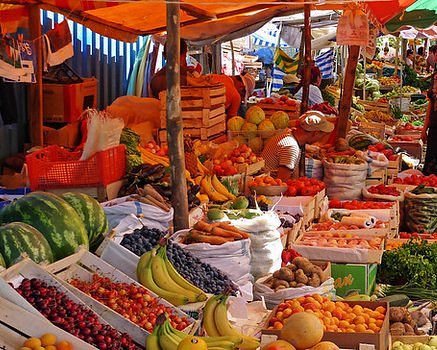
Most ingredients listed in the plan—such as posho, matooke, sukuma wiki, and a variety of fresh vegetables—are readily available in local Ugandan markets. This ensures that the meal plan is both feasible and cost-effective, promoting sustainability in dietary habits while boosting community agriculture.
References
- My Typical Lunch in Uganda - Just a Food Blog
- Printable Weekly Meal Planner - Live Craft Eat
- Meal Plan Template - 101 Planners
- Customizable Meal Planners - Canva
- Uganda Food Guide - Tasty Plate
Recommended Related Queries
Last updated March 7, 2025