
The Crucial Role of Machine Learning in Cell Culture Optimization
Leveraging AI to Enhance Efficiency, Productivity, and Sustainability in Biotechnology
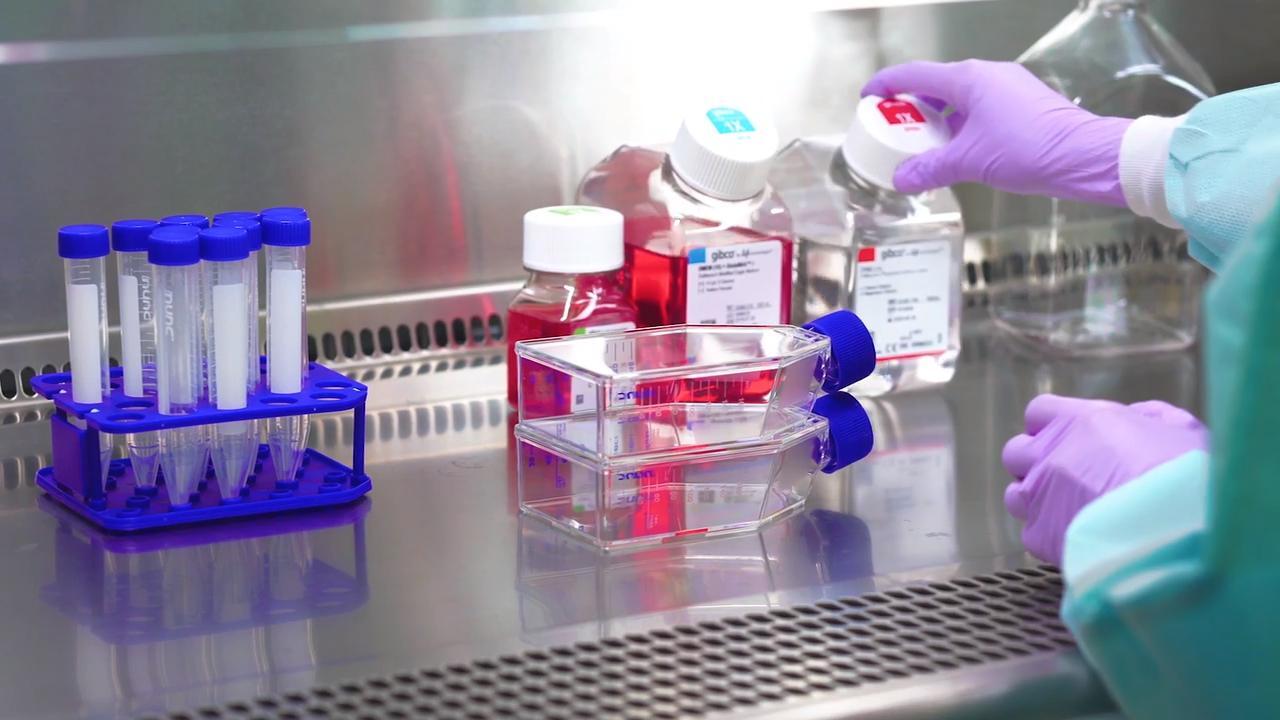
Key Takeaways
- Enhanced Productivity and Efficiency: Machine learning (ML) significantly boosts cell culture yields and streamlines processes, reducing time and costs.
- Complexity Management: ML adeptly handles multifaceted variables and data, enabling precise optimization in diverse cell culture environments.
- Data-Driven Insights and Scalability: ML provides deep biological insights and ensures scalable solutions from laboratory to industrial applications.
1. Enhanced Productivity and Efficiency
Improved Cell Concentrations and Yields
Machine learning algorithms have revolutionized cell culture optimization by identifying optimal conditions that significantly enhance cell concentrations and production yields. In industries such as biopharmaceuticals, this translates to higher quantities of therapeutic proteins and monoclonal antibodies (mAbs), thereby increasing overall productivity. For example, ML-driven optimization can pinpoint the ideal nutrient compositions, pH levels, oxygen concentrations, and temperatures that foster superior cell growth, leading to more efficient production processes.
Time and Cost Efficiency
Traditional cell culture optimization methods are often laborious and resource-intensive, relying heavily on trial-and-error experimentation. Machine learning mitigates these challenges by leveraging historical and real-time data to predict optimal culture conditions, thereby reducing the number of required experiments. This data-driven approach not only accelerates the optimization process but also significantly cuts costs, making it particularly advantageous for industries like cultivated meat and drug development where scalability and cost-effectiveness are paramount.
Automated Optimization and Throughput
Integration of ML with automation technologies, such as robotic liquid handlers and automated incubators, facilitates real-time optimization and control of cell cultures. This synergy enhances throughput and ensures consistency across experiments, enabling high-throughput screening of thousands of media combinations simultaneously. As a result, the discovery of optimal conditions occurs at an unprecedented pace, facilitating large-scale manufacturing and reducing the time-to-market for bioproducts.
2. Complexity Management in Cell Culture Systems
Handling Multifactorial Variables and High-Dimensional Data
Cell culture environments are influenced by numerous interacting variables, including nutrient concentrations, pH levels, temperature, oxygen levels, shear stress, and growth factors. These factors often exhibit non-linear and context-dependent interactions, making manual optimization methods inadequate. Machine learning excels in processing and analyzing large, high-dimensional datasets, identifying intricate patterns and relationships that traditional analysis might overlook. This capability allows for precise optimization of multiple variables simultaneously, ensuring optimal cell growth and product yield.
Managing Heterogeneity of Cell Types and Biological Variability
Different cell lines and types, such as stem cells, primary cells, and hybridoma cells, possess unique requirements and respond differently to environmental conditions. Machine learning facilitates the customization of culture conditions by analyzing complex datasets specific to each cell type, thereby tailoring media formulations to meet distinct cellular needs. Additionally, ML accounts for biological variability, such as donor differences in primary cells, ensuring robust and reliable predictions across diverse cell populations.
Trade-Off Analysis and Optimization
Optimizing cell culture conditions often involves balancing competing factors, such as maximizing cell growth speed while maintaining cell viability. Machine learning algorithms can identify and analyze trade-offs between different variables, offering solutions that achieve the best possible balance. This nuanced optimization ensures that critical quality attributes, such as protein integrity in biopharmaceuticals, are maintained without compromising on productivity.
3. Data-Driven Insights and Predictive Modeling
Predictive Modeling for Optimal Conditions
Machine learning models, including regression analysis, neural networks, and ensemble methods, can predict optimal culture conditions based on historical and real-time data. These models forecast cell growth rates, viability, and productivity under various conditions, enabling researchers to identify the best possible environments for cell culture without exhaustive testing. This predictive capability not only enhances efficiency but also allows for proactive adjustments to culture conditions, further optimizing outcomes.
Discovery of Novel Biological Insights
Machine learning uncovers previously unknown interactions between culture variables, providing deeper insights into cellular biology and metabolism. By revealing hidden relationships, ML informs the development of more effective culture media and processes. These insights contribute to a refined understanding of cellular needs, enhancing reproducibility in manufacturing and laying the groundwork for future innovations in cell culture technology.
Adaptive Learning and Continuous Improvement
Machine learning systems continuously learn and improve from incoming data, allowing for adaptive optimization strategies. As more experimental data becomes available, ML models refine their predictions, leading to progressively better optimization outcomes. This dynamic learning process ensures that cell culture conditions remain optimal even as new variables or changing conditions emerge, maintaining high levels of productivity and quality.
4. Scalability and Flexibility in Industrial Applications
Adapting from Laboratory to Industrial Scale
Machine learning ensures seamless scalability of cell culture processes from small-scale laboratory settings to large-scale industrial bioreactors. By maintaining the efficiency and effectiveness of optimized conditions across different production phases, ML facilitates consistent and reliable cell culture outcomes on an industrial scale. This scalability is crucial for meeting the growing demands of sectors such as biopharmaceuticals, cultivated meat, and regenerative medicine.
Versatility Across Diverse Applications
Whether utilized in basic research, industrial biotechnology, or clinical applications, machine learning-driven optimization is highly versatile. ML can be customized to meet the specific requirements of various applications, from optimizing recombinant protein production to enhancing cell-based therapies. This adaptability ensures that ML remains a valuable tool across a wide range of scientific and industrial domains.
Integration with Advanced Technologies
Machine learning integrates seamlessly with advanced technologies such as real-time sensing and multi-omics data integration. Real-time monitoring allows for dynamic adjustments to culture conditions based on ongoing data collection, ensuring optimal growth environments throughout the cultivation period. Additionally, ML's ability to integrate data from genomics, proteomics, and metabolomics provides a holistic view of cellular processes, enhancing both optimization and biological understanding.
5. Standardization and Reproducibility
Consistency Across Experiments
Machine learning, coupled with automation, standardizes cell culture procedures, ensuring consistent and reproducible outcomes across different experiments and production batches. This level of consistency is critical for research reliability, regulatory compliance in pharmaceuticals, and maintaining quality standards in industrial production.
Quantitative and Reliable Results
Machine learning-driven optimization emphasizes quantitative and consistent experimental approaches. By reducing reliance on subjective judgment and personal experience, ML enhances the reliability of cell culture outcomes. This quantitative focus leads to more dependable predictions and optimized conditions, furthering the overall quality and efficacy of cell culture processes.
6. Sustainability and Ethical Advantages
Reducing Dependency on Ethical Complications
Optimizing cell culture media using machine learning contributes to sustainability by reducing the reliance on ethically problematic components, such as fetal bovine serum (FBS), which is widely used in traditional cell culture methods. ML accelerates the identification of viable, animal-free alternatives, promoting more sustainable and ethical practices in industries like cultivated meat production.
Enhancing Sustainable Practices
Machine learning enables the development of cost-effective and efficient culture media formulations, leading to reduced waste and resource consumption. This efficiency not only lowers production costs but also minimizes the environmental footprint of cell culture processes, aligning with global sustainability goals.
7. Future Applications and Continuous Advancements
Impact on Pharmaceuticals and Biotechnology
The application of machine learning in cell culture optimization stands to significantly impact pharmaceuticals and biotechnology by enhancing drug production efficiency, improving product quality, and reducing costs. These advancements facilitate the development of more effective therapies and bioproducts, accelerating their availability to patients and the market.
Advancing Research and Development
Insights gained from machine learning-driven optimization contribute to a deeper understanding of biological pathways and cellular processes. This knowledge informs further research and development efforts, leading to innovative solutions and breakthroughs in cell culture technology. Both academic research and industrial applications benefit from the enhanced capabilities provided by ML, driving progress across multiple scientific disciplines.
Expanding into Regenerative Medicine and Tissue Engineering
Machine learning's ability to manage complex biological systems makes it invaluable for regenerative medicine and tissue engineering. By optimizing multifaceted culture conditions required for growing multifunctional cell types, ML ensures the success of intricate cell-based therapies and tissue constructs. This capability expands the potential for regenerative treatments and advances in personalized medicine.
Conclusion
Machine learning has emerged as a pivotal tool in the optimization of cell culture processes, addressing the multifaceted challenges inherent in biological systems. By enhancing productivity and efficiency, managing complex variables, providing data-driven insights, and ensuring scalability and reproducibility, ML significantly advances the field of cell culture. These advancements are not only crucial for the biopharmaceutical industry but also have profound implications for sustainable practices and ethical standards in emerging sectors like cultivated meat and regenerative medicine. As machine learning technologies continue to evolve, their integration with advanced biological research promises to drive further innovations, fostering excellence and breakthroughs across scientific and industrial landscapes.
References
Last updated January 29, 2025