
Mangroves in the Voluntary Carbon Market: Unlocking Superior Decarbonization Potential
Exploring the Role of Mangrove Ecosystems in Carbon Sequestration and Market Integration
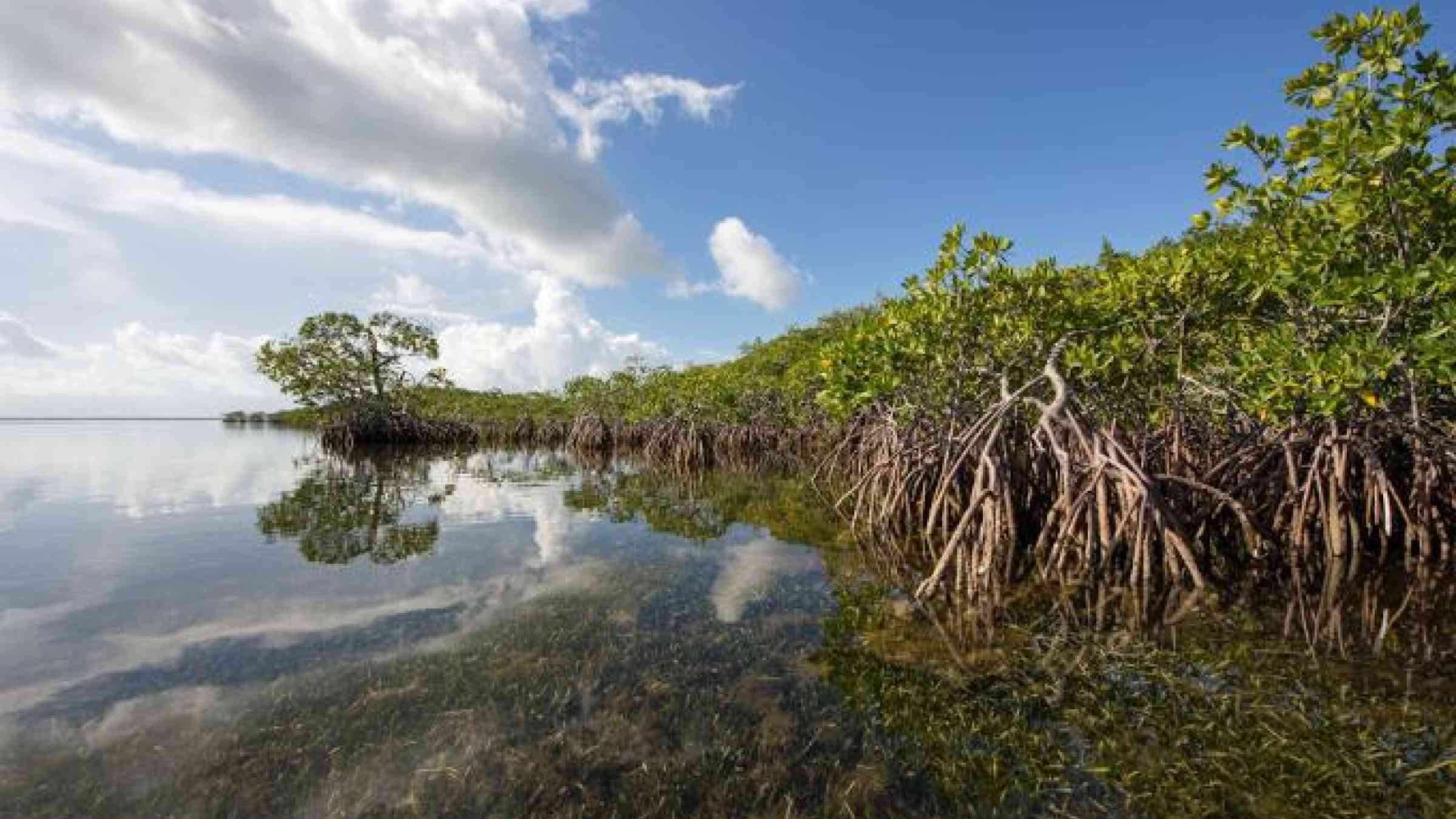
Key Takeaways
- High Carbon Sequestration Efficiency: Mangroves can store up to five times more carbon per hectare than many terrestrial forests, primarily due to their extensive soil carbon storage.
- Acceptance in Voluntary Carbon Markets: Mangrove conservation and restoration projects are widely recognized and accepted in the voluntary carbon market, providing substantial economic and environmental benefits.
- Multifaceted Ecosystem Benefits: Beyond carbon storage, mangroves offer critical ecosystem services including biodiversity conservation, coastal protection, and support for local livelihoods.
Introduction
Mangrove ecosystems have garnered significant attention in the realm of climate change mitigation due to their exceptional carbon sequestration capabilities. Recognized as "blue carbon" ecosystems, mangroves play a pivotal role in the voluntary carbon market (VCM), offering robust opportunities for decarbonization projects. This comprehensive analysis delves into the acceptance of mangrove projects within VCM, the scientific evidence supporting their superior decarbonization potential compared to other forest types, and the broader ecological and socio-economic benefits they provide.
Mangroves in the Voluntary Carbon Market
Acceptance of Mangrove Projects in VCM
The voluntary carbon market has increasingly embraced mangrove-based projects, recognizing their substantial carbon sequestration capabilities and additional environmental benefits. These projects encompass conservation, restoration, and sustainable management of mangrove forests, which generate carbon credits tradable within the VCM. The participation of mangroves in the VCM is facilitated by established methodologies for quantifying and verifying carbon sequestration, ensuring the integrity and reliability of the generated credits.
Numerous standards, such as Verra's Verified Carbon Standard (VCS) and the Gold Standard, provide frameworks for the rigorous monitoring, reporting, and verification (MRV) necessary for mangrove projects. These standards ensure that emission reductions are accurately measured, reportable, and sustainable over the long term, thus enhancing investor confidence and marketability of the carbon credits.
Benefits of Mangrove Projects in VCM
- Economic Incentives: By generating carbon credits, mangrove projects attract investment and provide financial incentives for conservation and restoration efforts.
- Community Engagement: These projects often involve local communities, offering education, alternative livelihoods, and sustainable economic opportunities.
- Long-Term Sustainability: Preservation of mangroves ensures long-term carbon storage, as well as resilience against climate impacts such as storm surges and sea-level rise.
Superior Decarbonization Capability of Mangroves
Carbon Sequestration Efficiency
Mangroves are among the most efficient ecosystems for carbon sequestration. They can sequester carbon at rates two to five times higher than terrestrial tropical forests. This superior performance is largely attributed to the significant carbon storage in their biomass and, more importantly, in their deep, waterlogged soils.
Comparative Carbon Storage
| Ecosystem Type | Carbon Sequestration Rate (metric tons per hectare) | Primary Carbon Storage Area |
|---|---|---|
| Mangroves | 300 - 1,000+ | Soil and sediments |
| Terrestrial Tropical Rainforests | 100 - 300 | Biomass |
| Grasslands | 50 - 150 | Soil |
| Boreal Forests | 200 - 500 | Soil and biomass |
The table above illustrates the comparative carbon sequestration rates of various ecosystems, highlighting the exceptional efficiency of mangroves in carbon storage, particularly in their soil and sediment layers. This attribute makes mangroves invaluable in long-term carbon sequestration strategies.
Scientific Evidence Supporting Superior Decarbonization
Multiple scientific studies have substantiated the high carbon sequestration capacity of mangroves, often surpassing that of other forest types. Key findings from research include:
- Donato et al. (2011), Nature Geoscience: Identified that mangroves can store up to 1,023 metric tons of carbon per hectare, exceeding the storage capacity of most other forest ecosystems.
- Global Change Biology: Highlighted the unique ability of mangroves to sequester carbon in underwater sediments, reducing the likelihood of carbon release compared to terrestrial forests susceptible to wildfires and deforestation.
- Recent United Nations Report (2023): Emphasized that mangrove ecosystems can mitigate climate change by storing up to ten times more carbon per hectare than grasslands and even some boreal forests.
- Frontiers in Marine Science: Projected that global mangroves currently store approximately 4.2 billion tonnes of carbon, with potential for an additional 380 million tonnes through restoration over the next two decades.
These studies collectively affirm the superior capability of mangroves in decarbonization, validating their strategic importance in global climate change mitigation efforts.
Challenges and Considerations
While mangroves offer exceptional carbon sequestration benefits, several challenges must be addressed to optimize their integration into the VCM:
- Accurate Measurement: Precisely quantifying soil carbon sequestration in mangroves remains complex due to variations in soil composition, hydrology, and species diversity.
- Long-Term Durability: Ensuring the permanence of stored carbon requires safeguarding mangroves against deforestation, degradation, and climate-induced stresses.
- Methodological Consistency: Comparative studies must employ consistent methodologies to accurately assess and validate the relative carbon sequestration rates of mangroves against other forests.
Additional Benefits of Mangrove Ecosystems
Biodiversity Conservation
Mangroves serve as critical habitats for a diverse array of marine and terrestrial species, including endangered and commercially important fish, crustaceans, and avian species. By conserving mangrove forests, projects not only sequester carbon but also protect biodiversity, contributing to broader ecological resilience.
Coastal Protection
Mangroves act as natural barriers against storm surges, reducing the impact of extreme weather events on coastal communities. Their complex root systems dissipate wave energy, preventing erosion and safeguarding infrastructure, which is increasingly vital in the face of rising sea levels and intensified climate phenomena.
Socio-Economic Benefits
Local communities benefit from mangrove projects through enhanced fisheries, eco-tourism opportunities, and sustainable livelihood options. By engaging and empowering these communities, mangrove projects foster economic development while ensuring environmental sustainability.
Case Studies of Mangrove Projects in VCM
Tanzania’s Mangrove Restoration Project
The AquaFarms Organization (AFO) in Tanzania is actively restoring mangroves, generating carbon credits that are subsequently sold in the voluntary carbon market. This project not only enhances carbon sequestration but also involves local communities through education and the provision of alternative livelihoods, thereby creating a sustainable model for both environmental and economic benefits.
Delta Blue Carbon Project in Pakistan
Restoring 350,000 hectares of mangroves, Pakistan's Delta Blue Carbon Project stands as a prominent example of blue carbon initiatives within the VCM. This large-scale restoration effort is expected to significantly bolster carbon sequestration while simultaneously improving coastal resilience and supporting biodiversity.
Vida Manglar Project in Colombia
The Vida Manglar Project aims to conserve and restore 7,500 hectares of mangroves, with the goal of sequestering one million metric tons of carbon over a 30-year period. This project underscores the long-term commitment required for effective carbon storage and highlights the scalability of mangrove restoration efforts.
Comparative Analysis with Other Forest Types
Mangroves vs. Terrestrial Tropical Rainforests
Mangroves outperform terrestrial tropical rainforests in carbon sequestration per unit area. While both ecosystems are vital for global carbon cycles, the unique structural and hydrological characteristics of mangroves enable more effective long-term carbon storage, particularly in their soil and sediment layers.
Mangroves vs. Grasslands and Boreal Forests
Compared to grasslands and boreal forests, mangroves exhibit higher carbon sequestration rates due to their dense biomass and extensive root systems, which facilitate substantial soil carbon accumulation. Grasslands, though important, typically store less carbon per hectare, while boreal forests, though significant, face vulnerabilities related to climatic changes and wildfires.
Methodologies for Carbon Measurement and Verification
Accurate measurement and verification of carbon sequestration in mangrove projects are critical for ensuring the credibility of carbon credits. The following methodologies are commonly employed:
-
Remote Sensing and GIS: Utilized for mapping and monitoring mangrove cover, density, and changes over time.
-
Soil Sampling and Analysis: Conducted to quantify soil organic carbon, employing techniques such as radiocarbon dating to assess carbon age and stability.
-
Biomass Estimation: Involves measuring tree diameter, height, and biomass to calculate the carbon stored in above-ground components.
-
Modeling and Simulation: Applied to project future carbon sequestration under various scenarios, considering factors like climate change and land-use dynamics.
Adherence to standardized protocols, such as those provided by Verra’s VCS or the Gold Standard, ensures consistency and transparency in the carbon accounting process, thereby enhancing the reliability of carbon credits generated from mangrove projects.
Conclusion
Mangrove ecosystems represent a cornerstone in the strategy to mitigate climate change through effective carbon sequestration. Their superior ability to capture and store carbon, particularly in their soil and sediment layers, positions mangroves as a highly valuable asset in the voluntary carbon market. Beyond their decarbonization capabilities, mangroves offer a suite of ecological and socio-economic benefits, including biodiversity conservation, coastal protection, and support for local communities. As the global community intensifies efforts to combat climate change, integrating mangrove restoration and conservation into carbon market mechanisms will be essential for achieving sustainable and impactful outcomes.
References
Last updated January 28, 2025